


Primary sourceSculpture100–117 AD
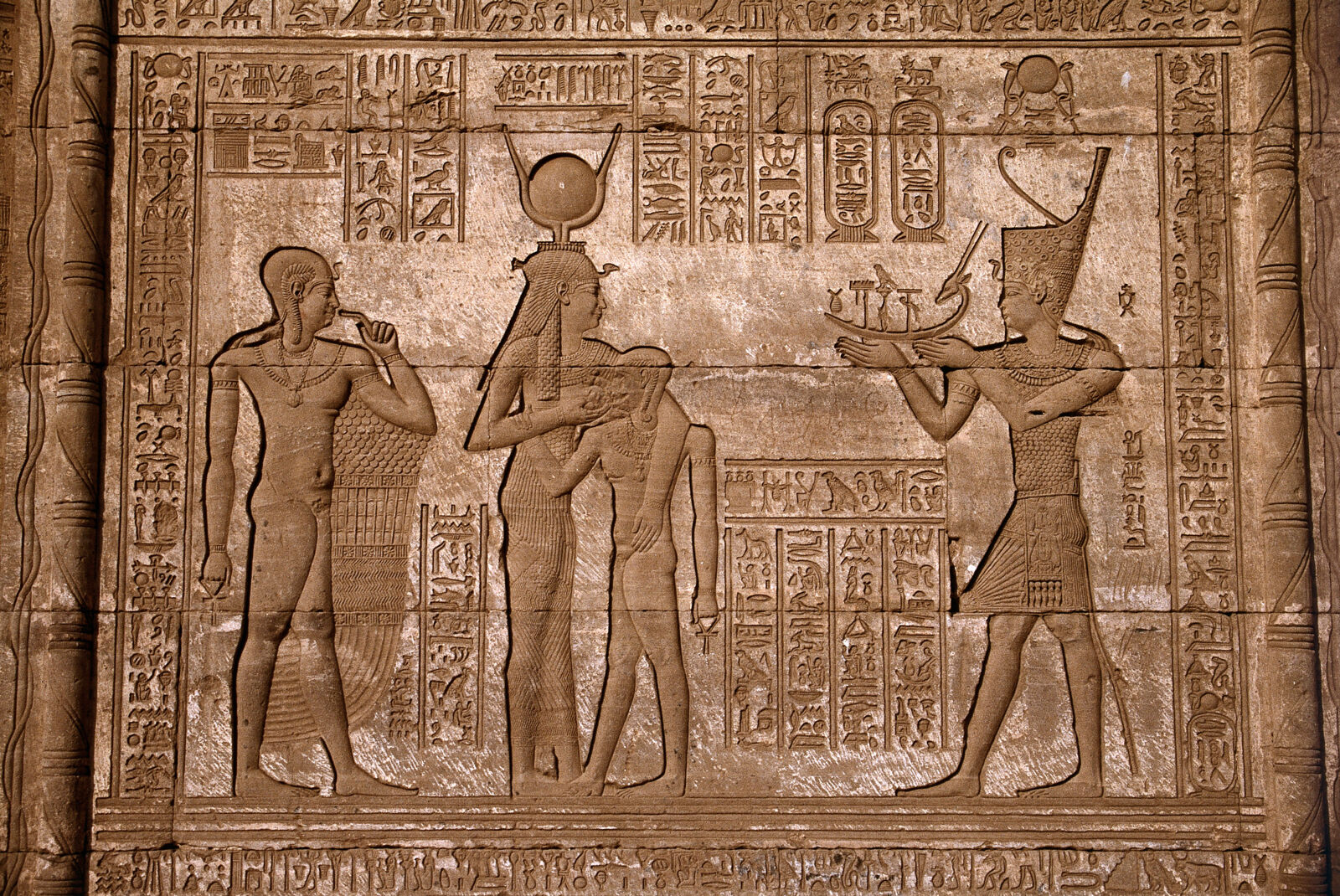
Trajan Offering to Hathor, Dendera Relief
100–117 AD
A stone wall relief from Egypt showing Trajan dressed as a pharaoh making an offering to the goddess Hathor.
Trajan is depicted here in pharaonic dress making an offering, showing how his rule extended to Egypt's religious traditions.
About this source
What it is
This carved sandstone relief comes from the birth house at the temple complex of Dendera in Upper Egypt, built during Roman rule. It shows the emperor Trajan dressed in traditional pharaonic costume, offering to the goddess Hathor, who is shown nursing her son Ihy. A photograph of the relief was taken in 1989.
Why it matters
Roman emperors who ruled Egypt were often shown in Egyptian temples dressed as pharaohs, continuing a tradition thousands of years old. This relief shows how Trajan's image was adapted to fit local religious customs, blending Roman power with Egyptian tradition.
Look closer
- Why would Roman rulers want to be shown as Egyptian pharaohs in local temples?
- What does the mixing of Roman and Egyptian imagery tell us about ruling a diverse empire?
- What might local Egyptian worshippers have thought seeing a Roman emperor shown this way?
This sculpture is part of the curated material that grounds the AI version of Trajan on Humy.ai — when students ask about related events, the AI can quote it and cite it.
More Trajan sources
Meet the AI Trajan →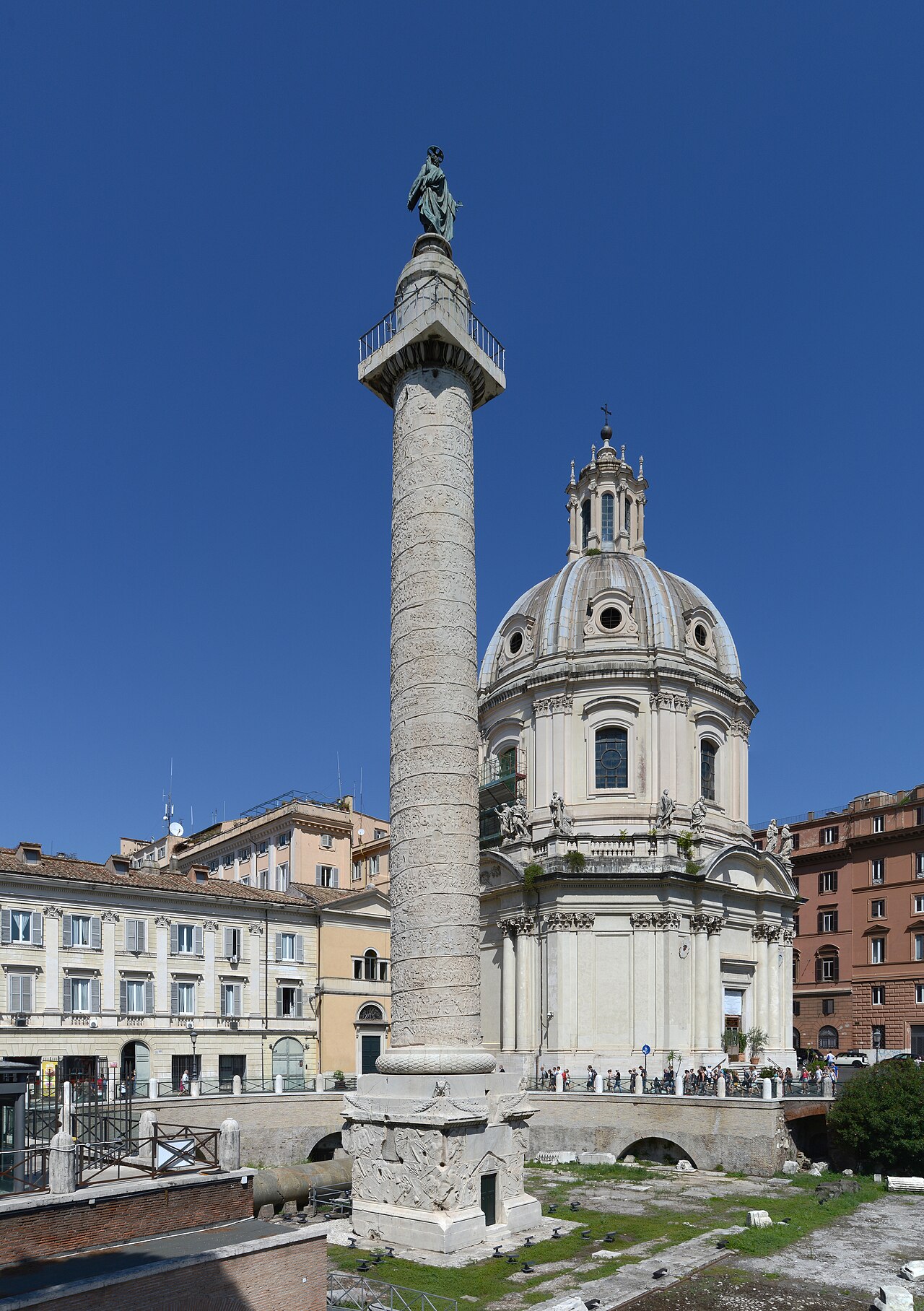 Sculpture
Primary source
Trajan's Column
Apollodorus of Damascus · 113 AD
 Artifact
Primary source
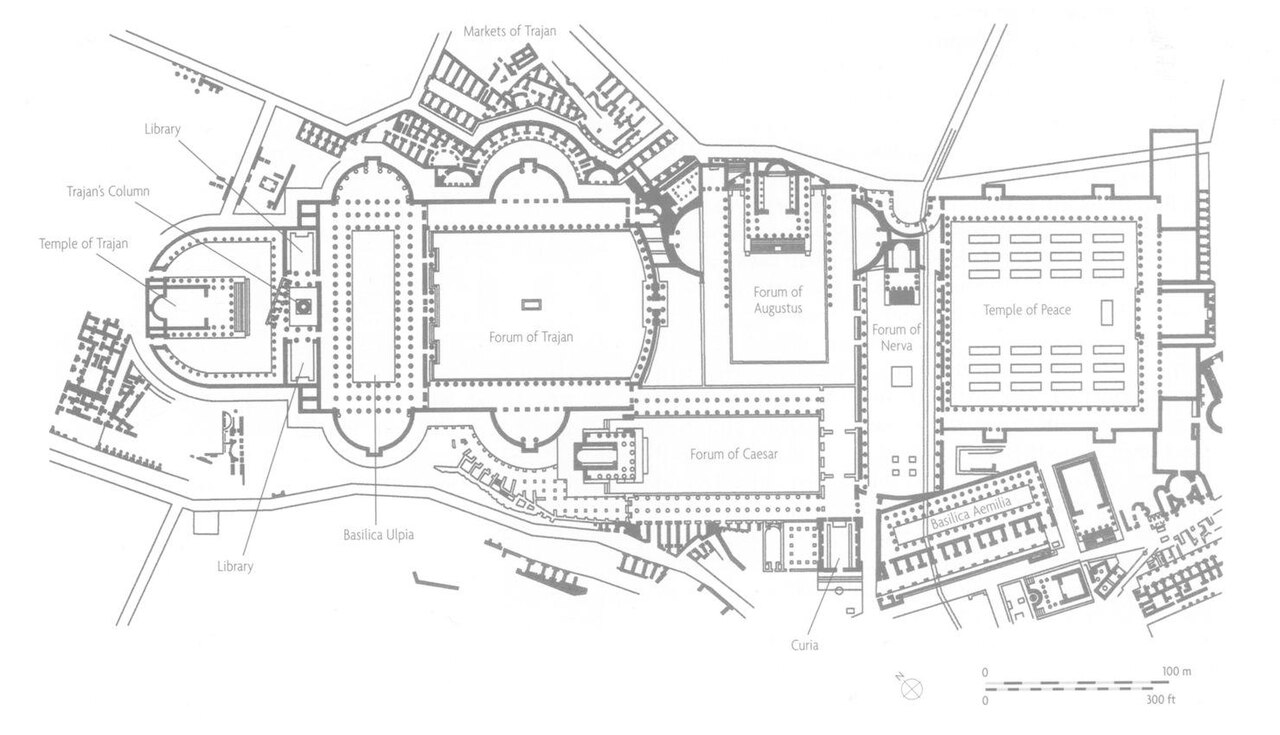
Trajan's Forum
Apollodorus of Damascus · c. 100-113 AD
 Speech
Primary source
Panegyricus
Pliny the Younger · c. 100 AD
 Artifact
Secondary source
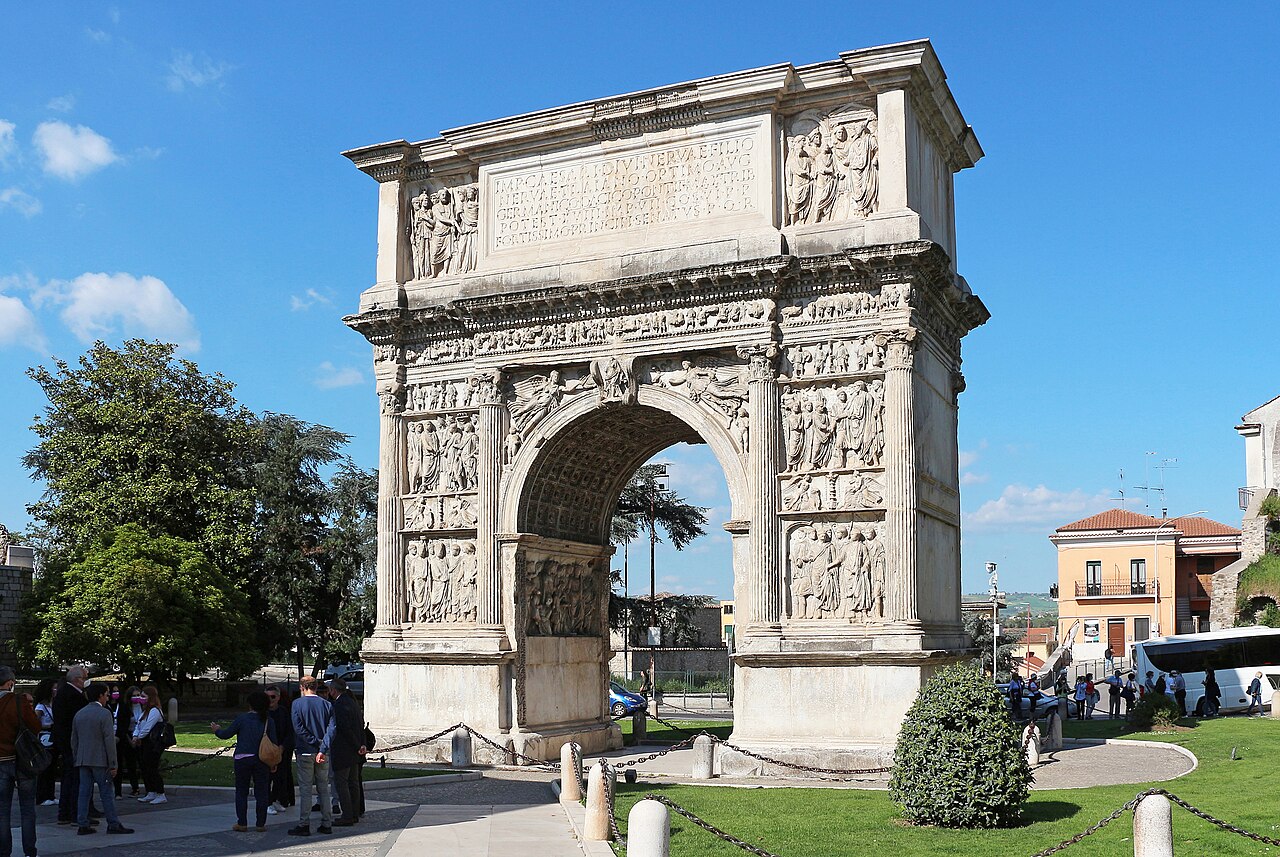
Arch of Trajan at Benevento
114-117 AD
 Sculpture
Primary source
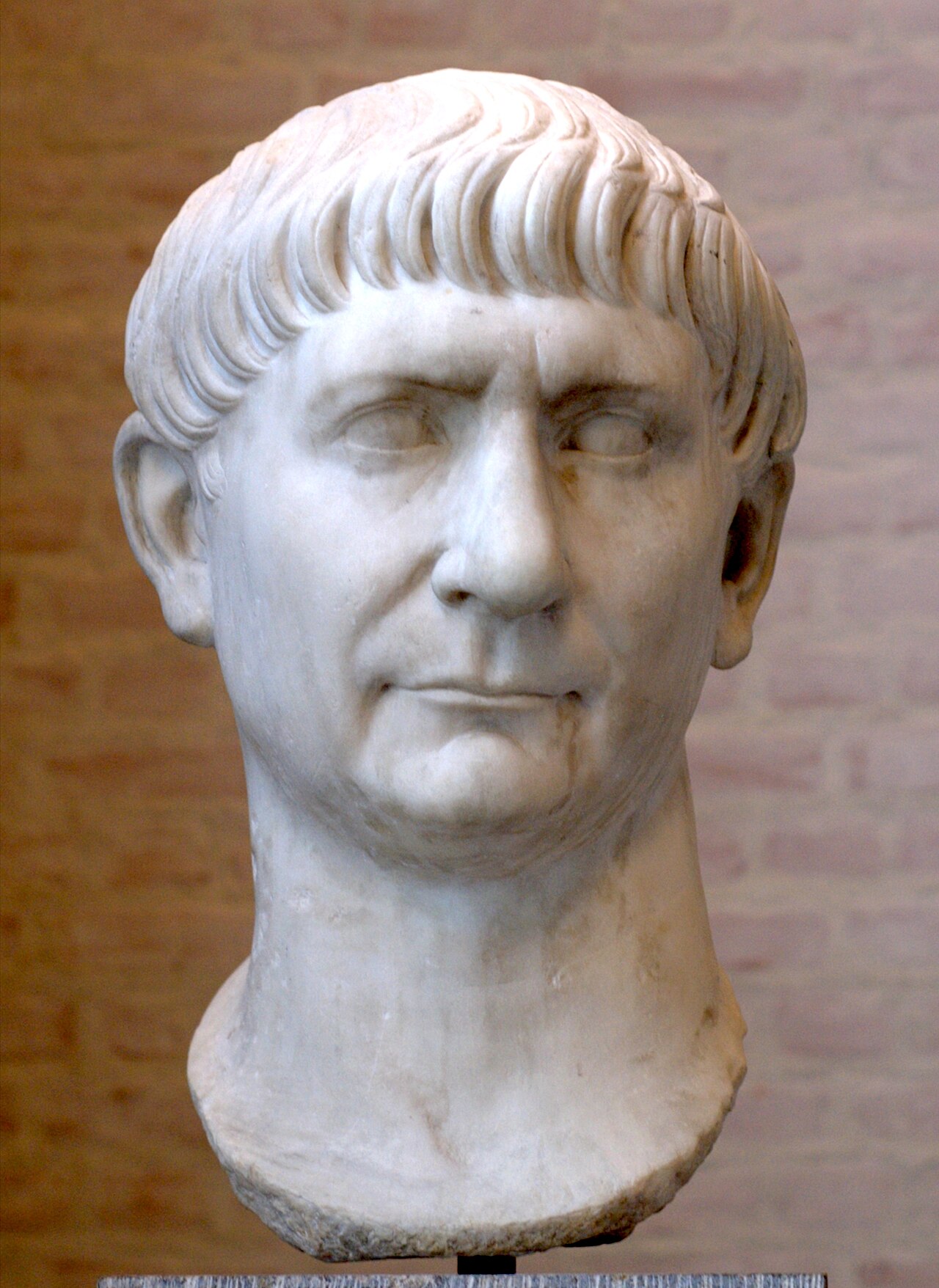
Portrait of Trajan
Ready when you are
Start chatting with Trajan now.
20 messages free · No credit card · Available in 50+ languages.