


Primary sourceDocumentbetween 1826 and 1837
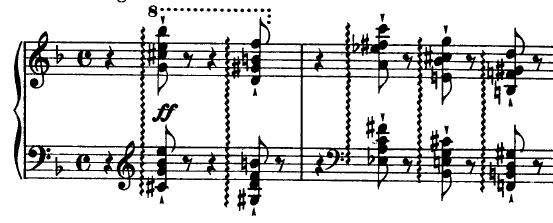
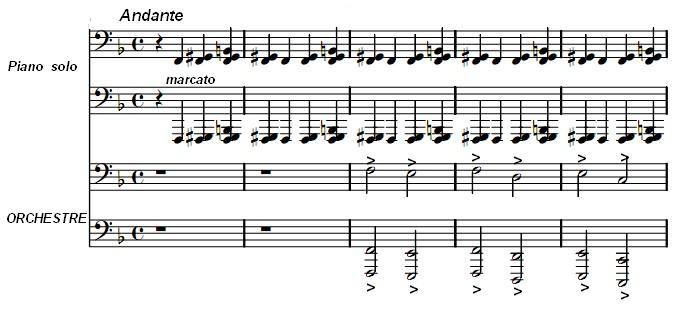
Transcendental Étude No. 4 'Mazeppa' (Opening)
Franz Liszt · between 1826 and 1837
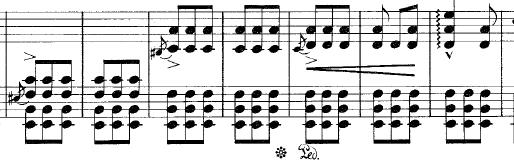
The printed opening of Liszt's Transcendental Étude No. 4, Mazeppa, a piano piece in F minor with dense chords and a strong dynamic marking, dated 1826 to 1837.
Shows Liszt's own notation of a demanding piano étude written during his lifetime, revealing how he composed for the instrument.
About this source
What it is
This is the printed score of the opening measures of Franz Liszt's Transcendental Étude No. 4, known as Mazeppa. The image shows two staves, one with treble and one with bass clef, in F minor. The notes are dense chords, with a 'ff' dynamic marking and an octave-up bracket marked 8 above. The piece is dated between 1826 and 1837 in the archive record, so it was written during Liszt's own lifetime. The image is a Wikimedia Commons file, and the score is a printed page rather than a manuscript.
Why it matters
Liszt's Transcendental Études are among the most demanding works in the piano repertoire. This opening shows how he wrote for the instrument's full range, using heavy chords and strong dynamics. The étude is connected to the poet Victor Hugo's poem on Mazeppa, a link recorded in many histories of the piece, and it shows how Liszt drew on literary subjects for his music.
Look closer
- What does the strong dynamic marking and the dense chord writing tell a pianist about how the music should be played?
- How does the octave bracket change what the performer reads on the page?
- What would a score alone leave out, such as the sound, the tempo and the player's interpretation?
This document is part of the curated material that grounds the AI version of Franz Liszt on Humy.ai — when students ask about related events, the AI can quote it and cite it.
More Franz Liszt sources
Browse all 87 →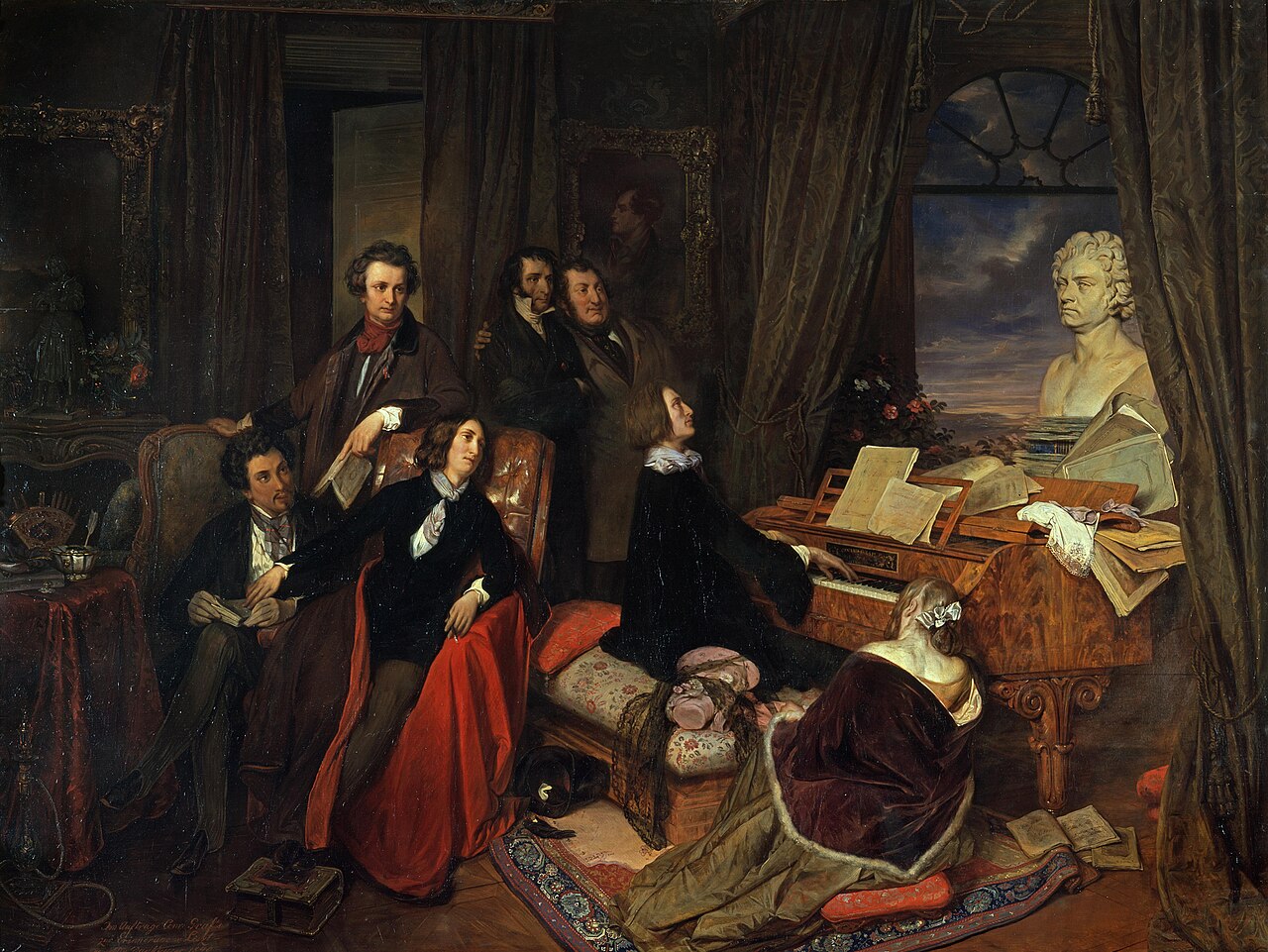 Painting
Secondary source
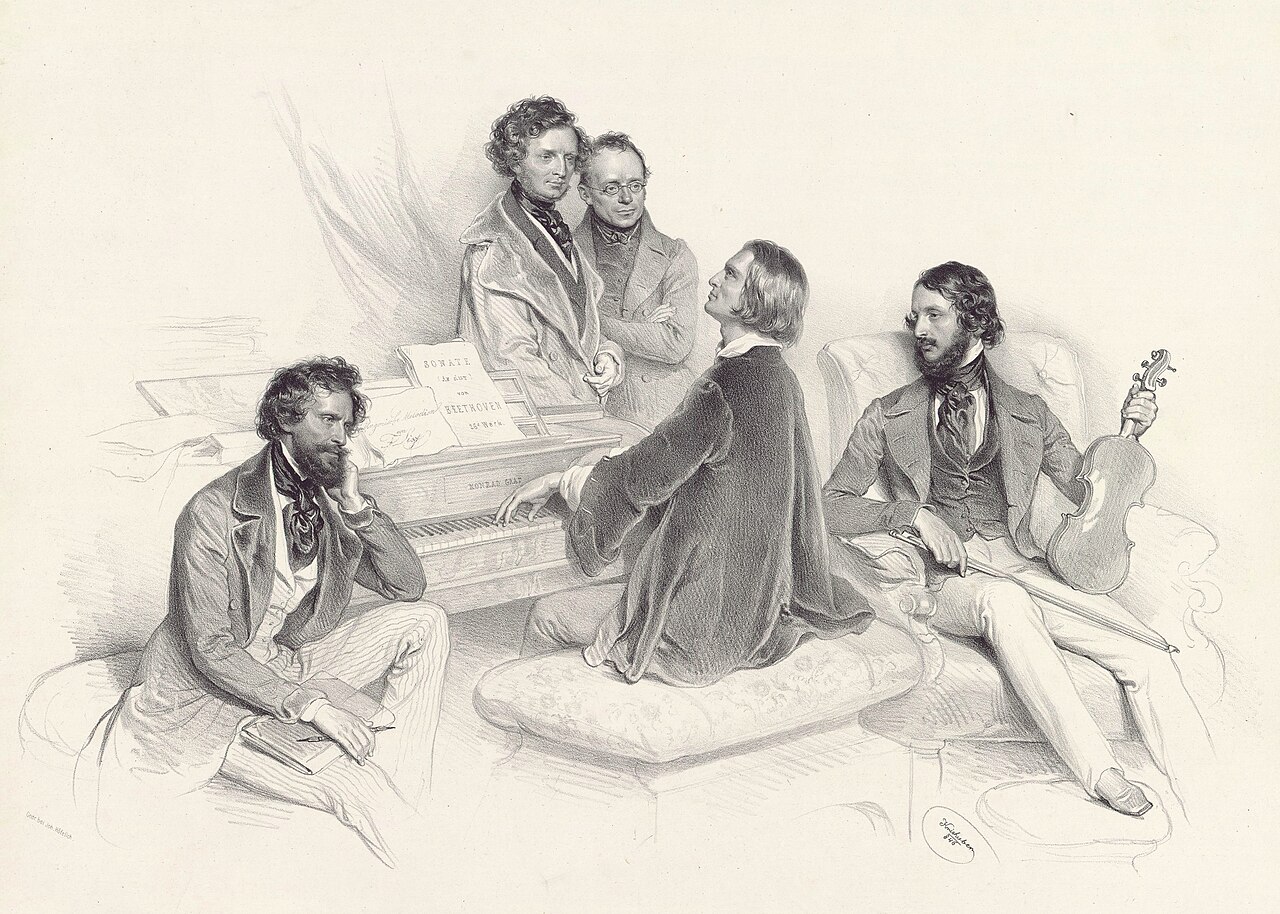
Liszt at the Piano
Josef Danhauser · 1840
Secondary source
Life of Chopin
Franz Liszt · 1852
 Painting
Primary source
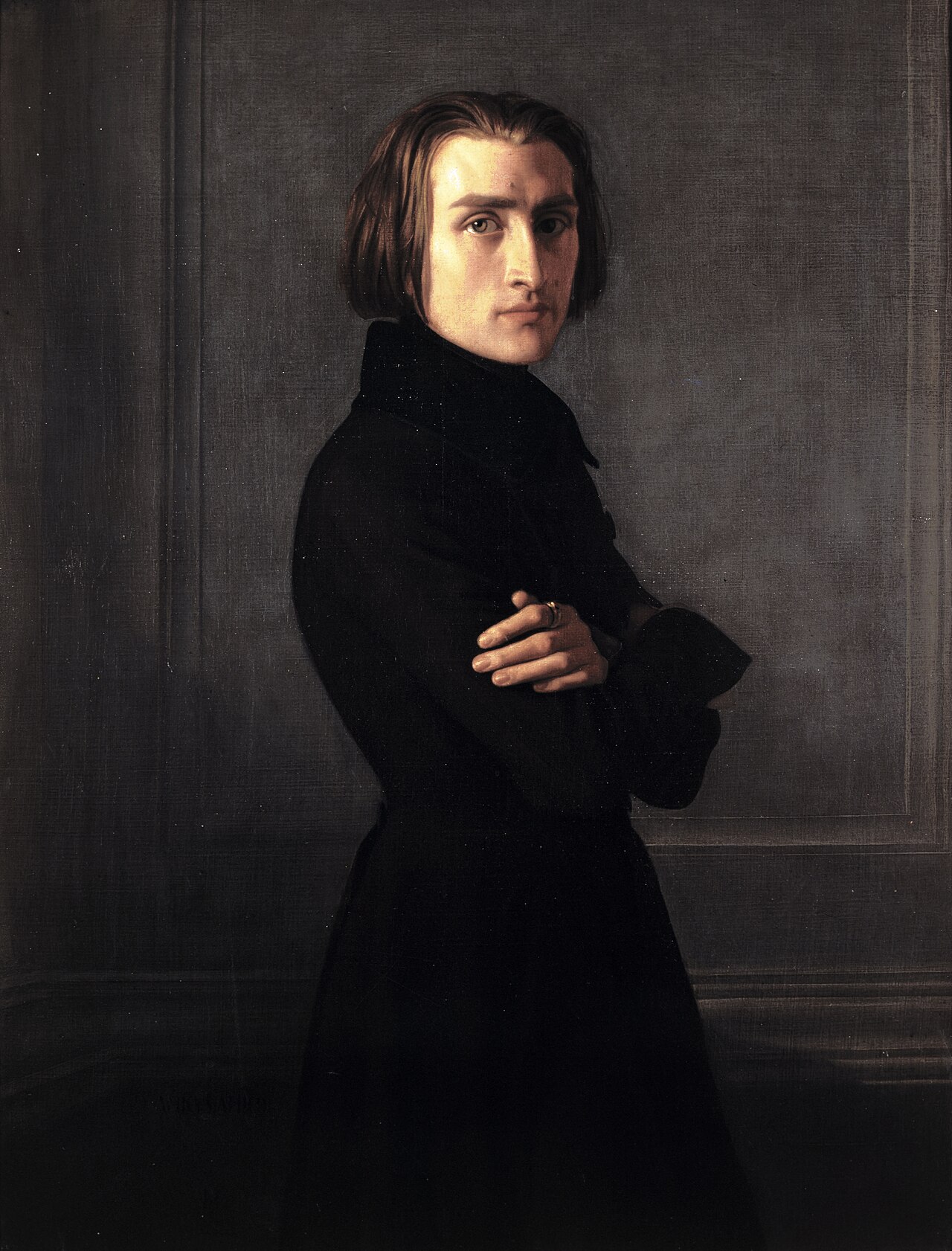
Portrait of Franz Liszt
Henri Lehmann · 1839
 Painting
Primary source
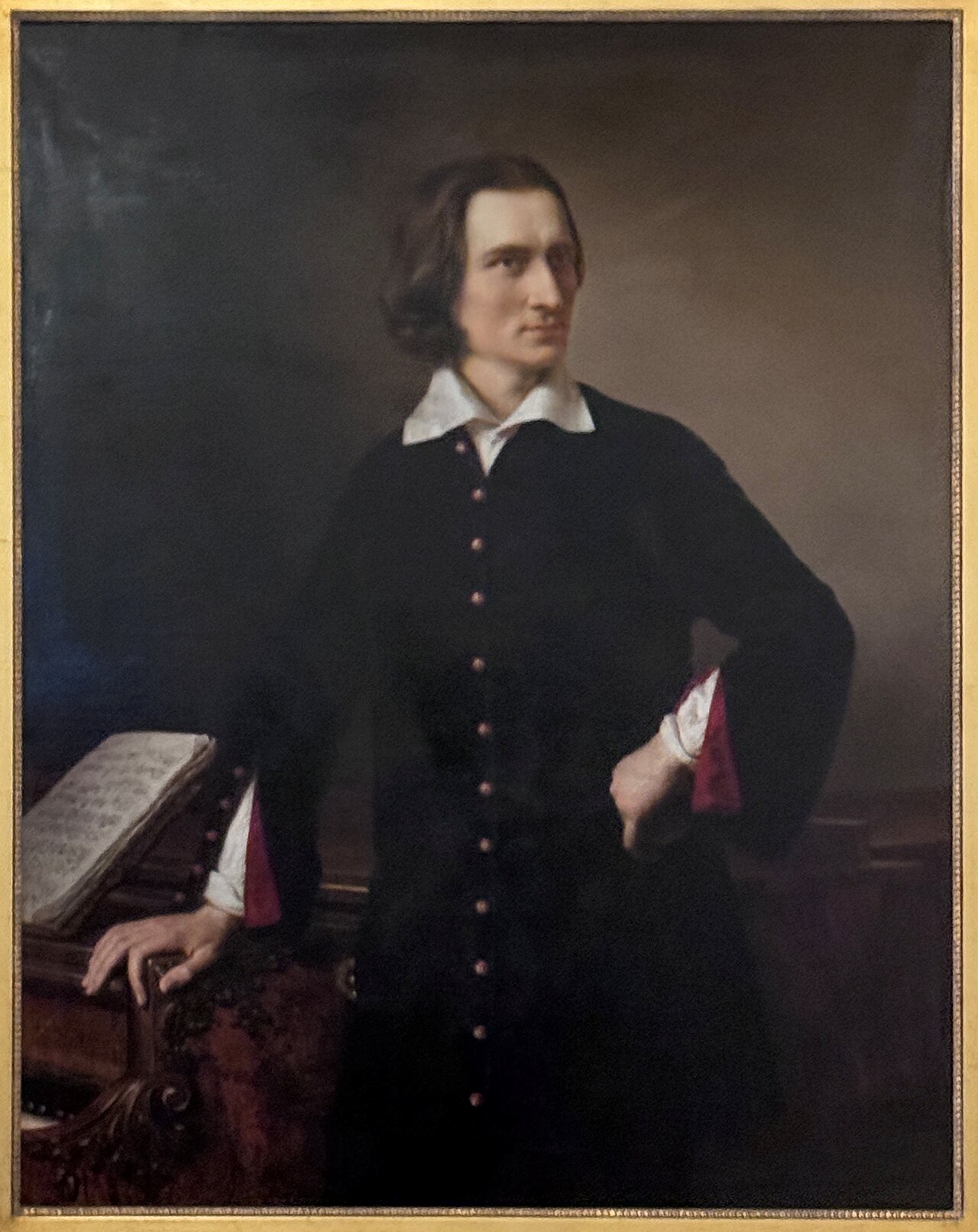
Portrait of Franz Liszt
Miklós Barabás · 1847
Free account
Read every Franz Liszt source
Sign up free →
Ready when you are
Start chatting with Franz Liszt now.
20 messages free · No credit card · Available in 50+ languages.