


Primary sourceDocumentbetween 1826 and 1837
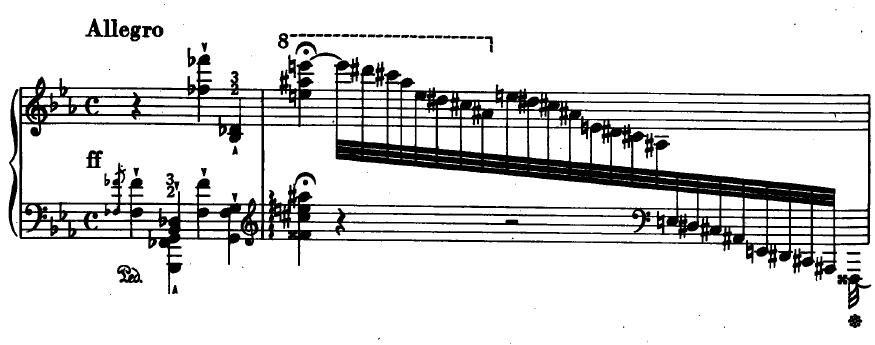
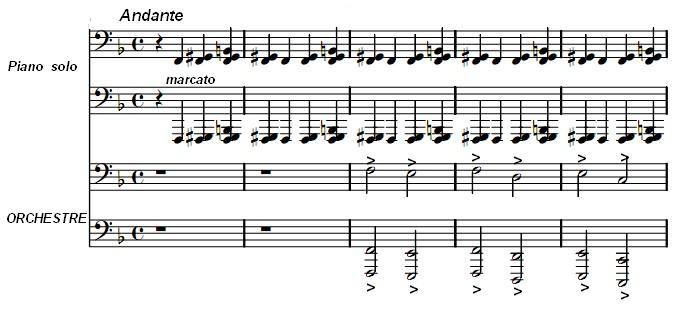
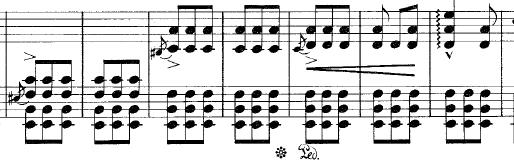
Transcendental Étude No. 7 'Eroica' (opening score)
Franz Liszt · between 1826 and 1837
The opening pages of Liszt's piano study No. 7, the 'Eroica' etude, shown as a printed score excerpt. It shows the virtuoso writing he was known for.
Shows Liszt as composer of a demanding virtuoso etude written during his early career.
About this source
What it is
This is a score image of the opening of Franz Liszt's Transcendental Étude No. 7, nicknamed 'Eroica'. The image shows a marking of Allegro, a loud ff dynamic, dense chords in both hands and a long descending run of fast notes that ends in a bass clef section. The facts date the work between 1826 and 1837, when Liszt was a young pianist.
Why it matters
The Transcendental Études are among the hardest works in the piano repertoire. Liszt revised them several times, and the set shows how he pushed the technical limits of the instrument. A score like this lets students see the notes a performer had to master, and it reflects the taste of a public that admired dazzling pianists.
Look closer
- What do the dense chords and fast runs suggest about the skill the pianist needed?
- Why might a composer mark a passage ff, and what effect would that have on a listener?
- What does this excerpt leave out, such as how the piece sounds in performance?
This document is part of the curated material that grounds the AI version of Franz Liszt on Humy.ai — when students ask about related events, the AI can quote it and cite it.
More Franz Liszt sources
Browse all 87 →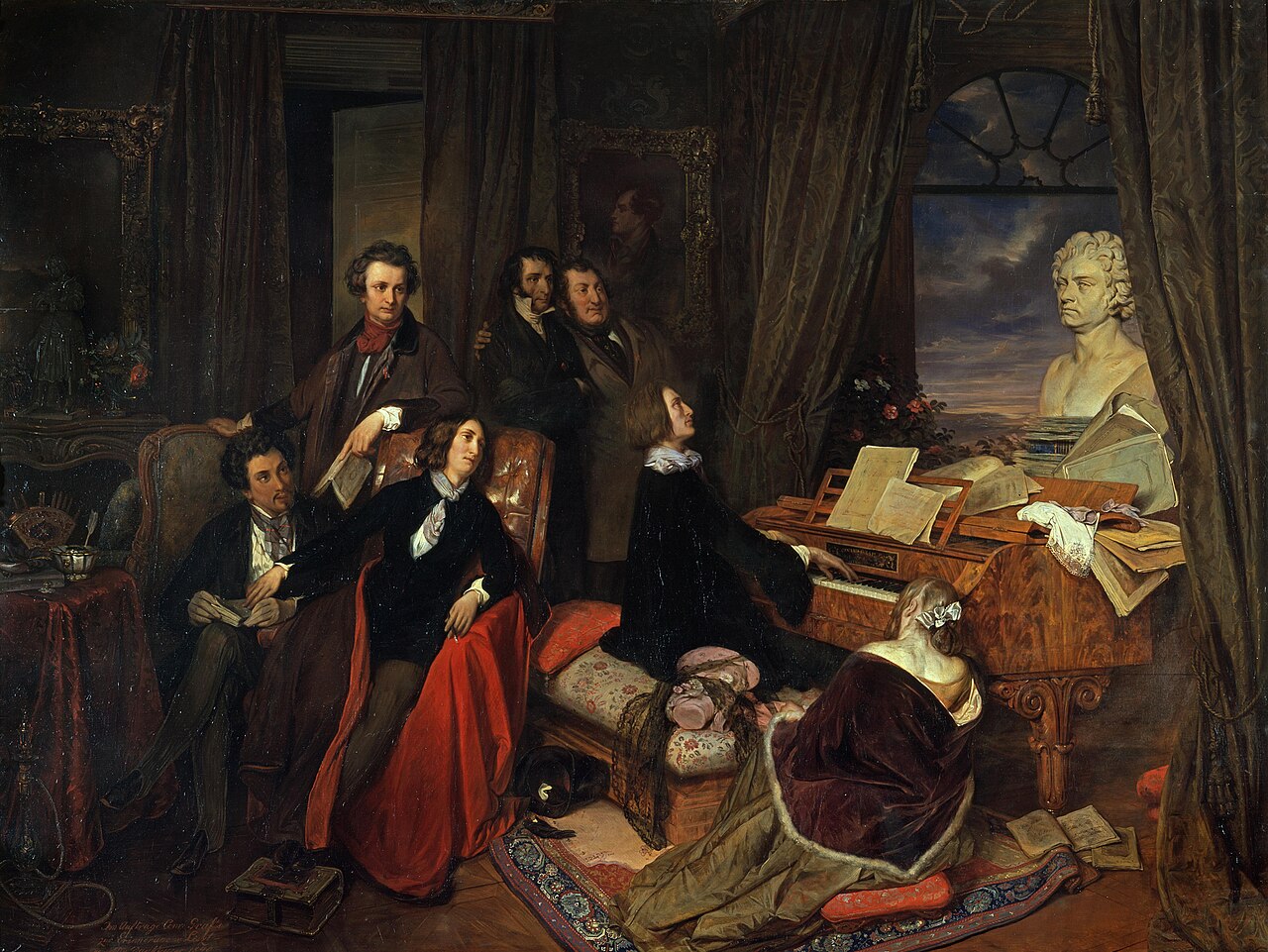 Painting
Secondary source
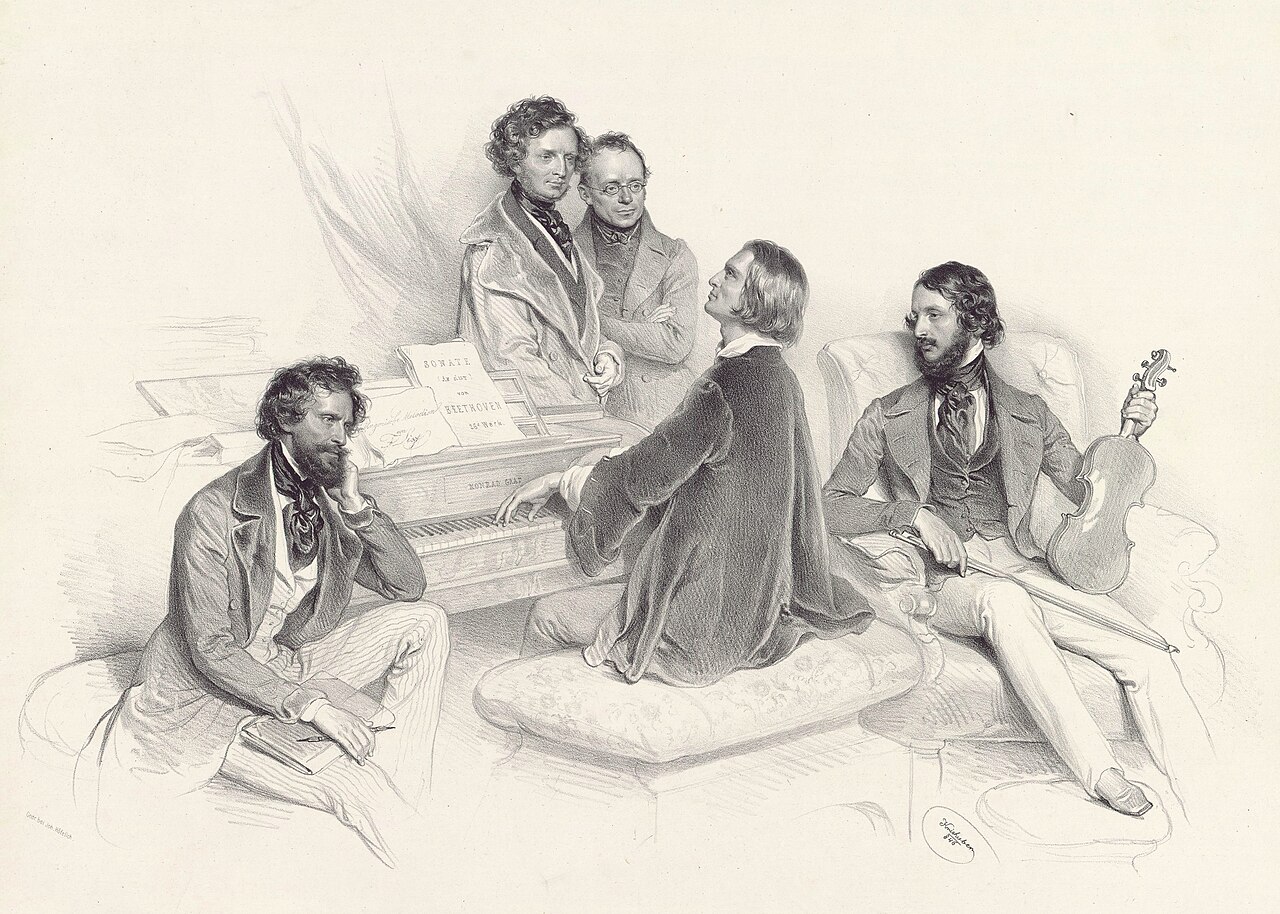
Liszt at the Piano
Josef Danhauser · 1840
Secondary source
Life of Chopin
Franz Liszt · 1852
 Painting
Primary source
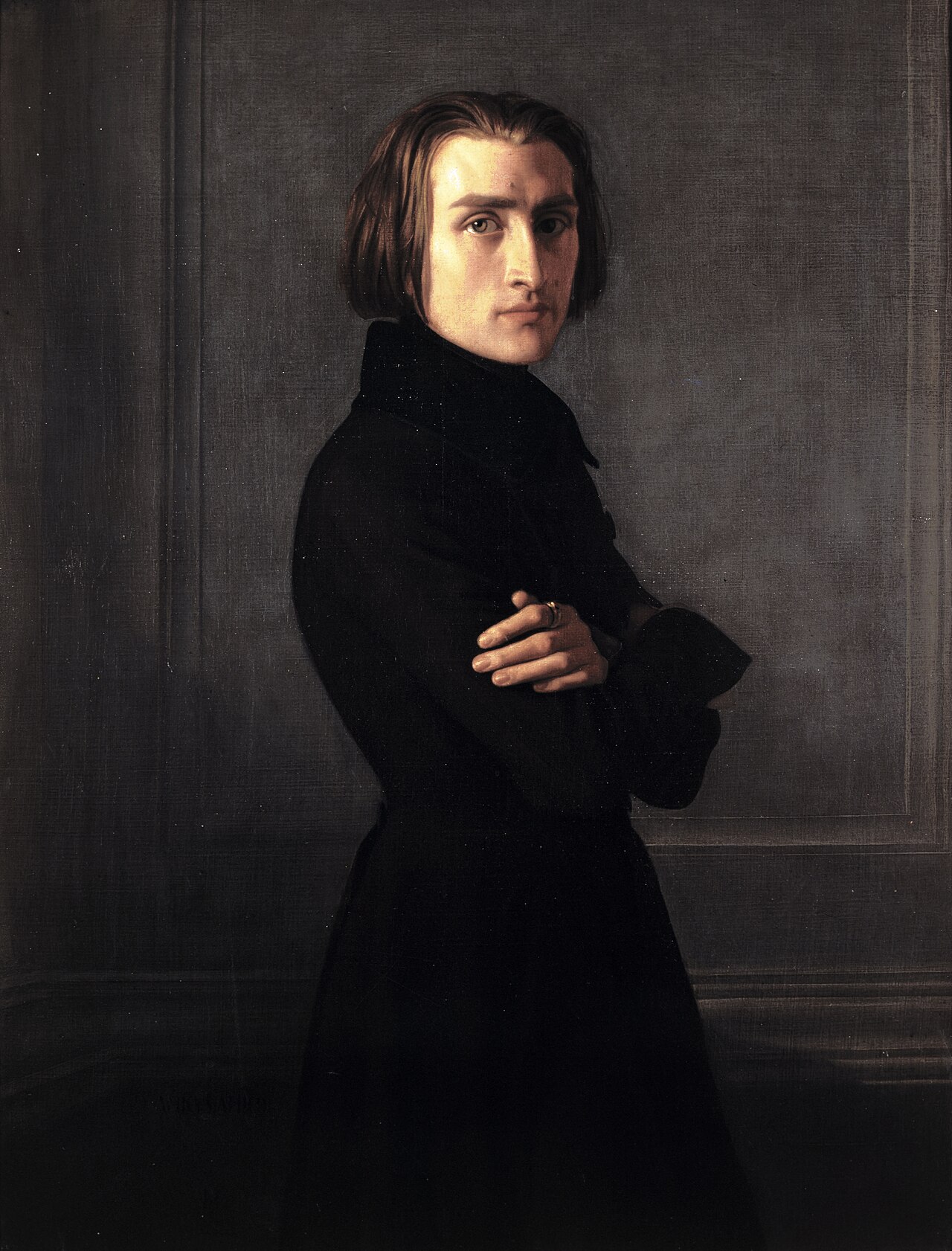
Portrait of Franz Liszt
Henri Lehmann · 1839
 Painting
Primary source
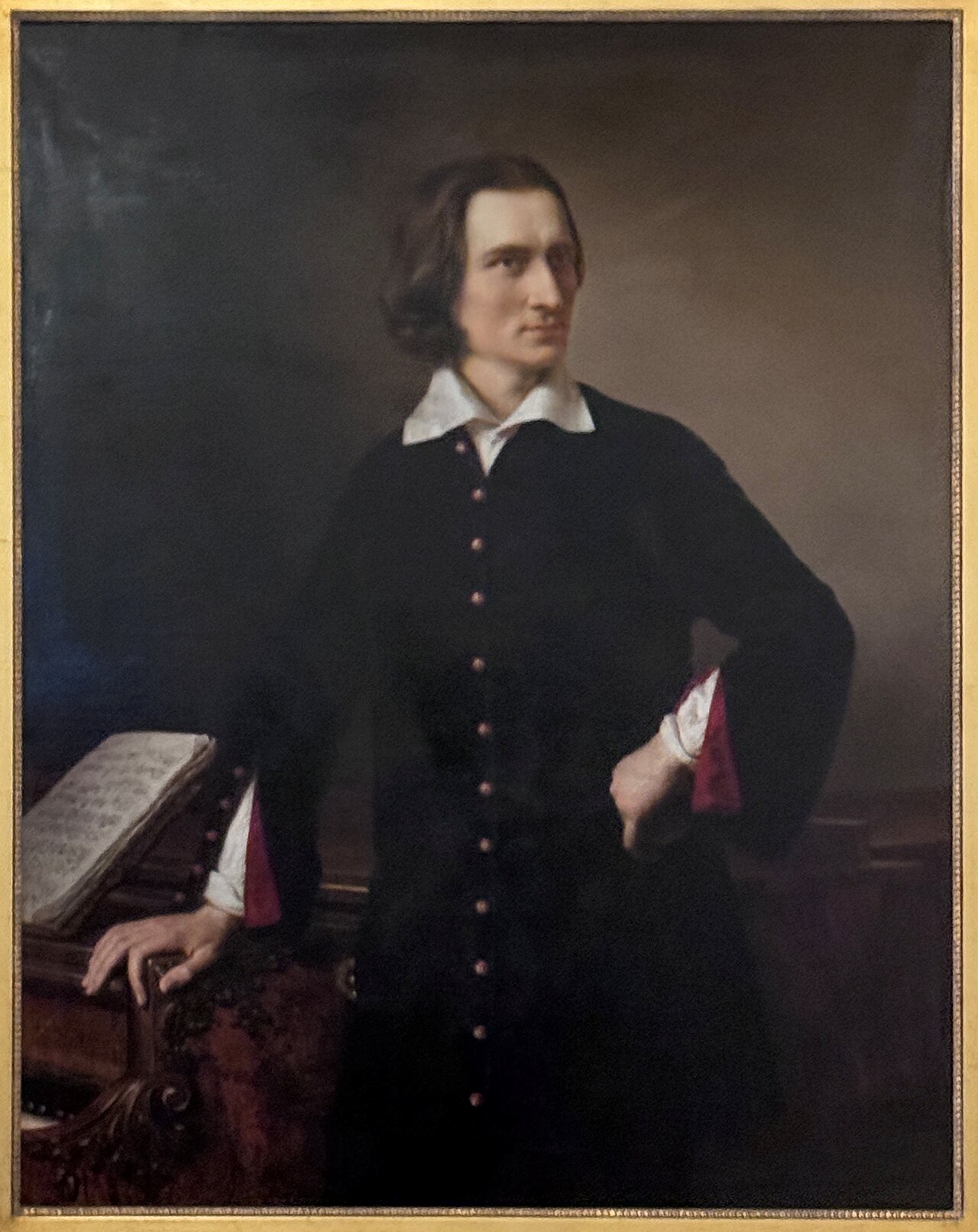
Portrait of Franz Liszt
Miklós Barabás · 1847
Free account
Read every Franz Liszt source
Sign up free →
Ready when you are
Start chatting with Franz Liszt now.
20 messages free · No credit card · Available in 50+ languages.