


Primary sourceDocument1815
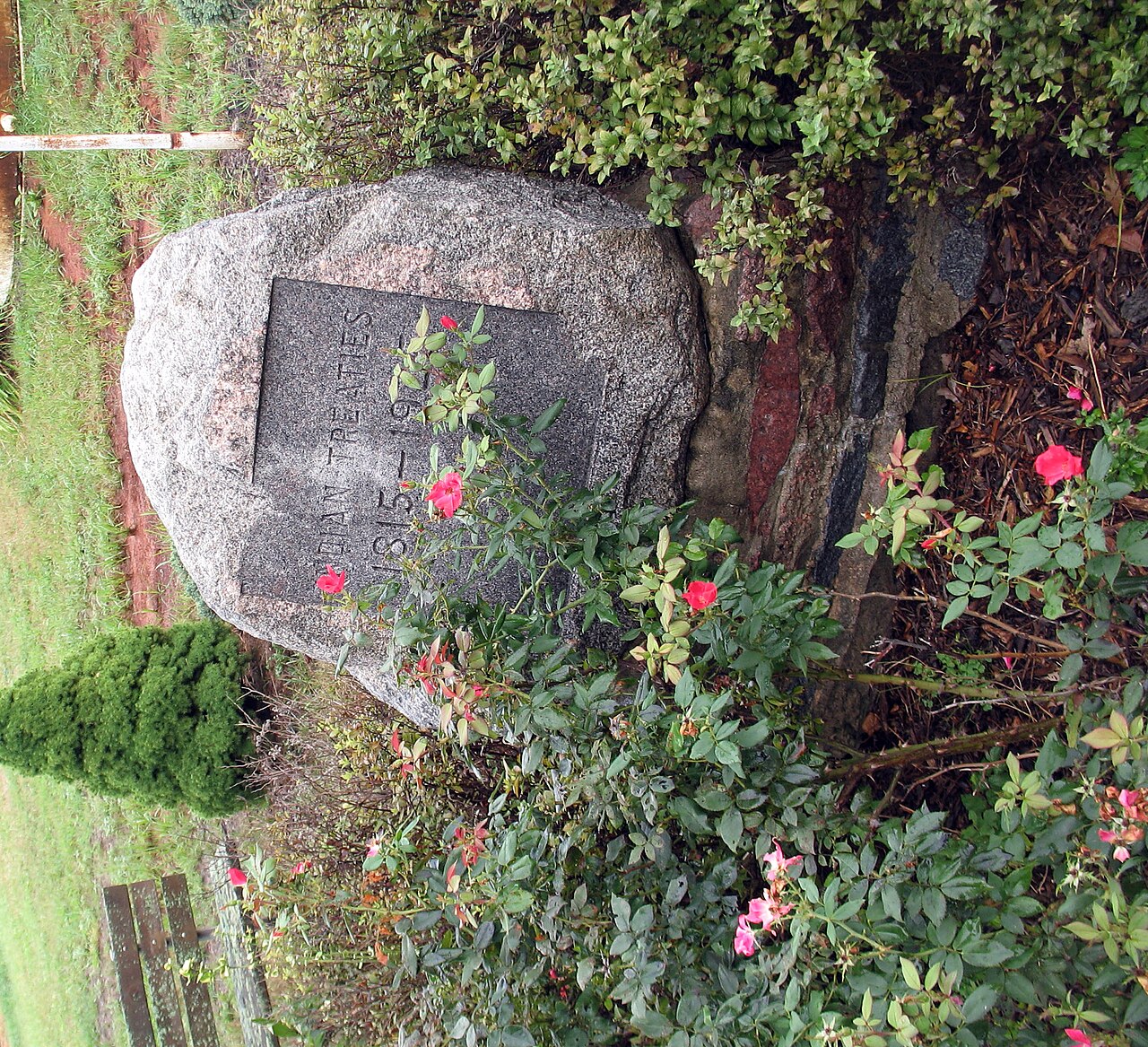
Treaties of Portage des Sioux
1815
A series of 1815 peace treaties with Missouri River tribes whose chiefs Manuel Lisa helped bring to St. Louis for negotiations.
Lisa, as U.S. Indian agent, brought Missouri River tribal chiefs to St. Louis for these treaty negotiations.
About this source
What it is
The Treaties of Portage des Sioux were a series of peace agreements signed in 1815 between the United States and several Native American nations, including the Potawatomi, Osage, Sac, Fox, and Sioux groups. They followed the War of 1812 and were negotiated by commissioners William Clark, Ninian Edwards, and Auguste Chouteau.
Why it matters
These treaties were meant to restore peace after the war, but they also reinforced earlier land cessions that had taken much of the Midwest from Native nations. Manuel Lisa, who served as a U.S. Indian agent, helped bring tribal chiefs from the Missouri River region to St. Louis, making him part of the diplomatic effort behind these agreements. The treaties reveal how fur traders, government officials, and Native leaders were tangled together in the politics of expansion.
Look closer
- Why might the U.S. government have wanted so many different tribes to sign treaties at once?
- What does it mean that one treaty talks about 'restoring' rights from before the war, while also confirming earlier land losses?
- Why did some chiefs, like Black Hawk, resist signing?
This document is part of the curated material that grounds the AI version of Manuel Lisa on Humy.ai — when students ask about related events, the AI can quote it and cite it.
More Manuel Lisa sources
Meet the AI Manuel Lisa →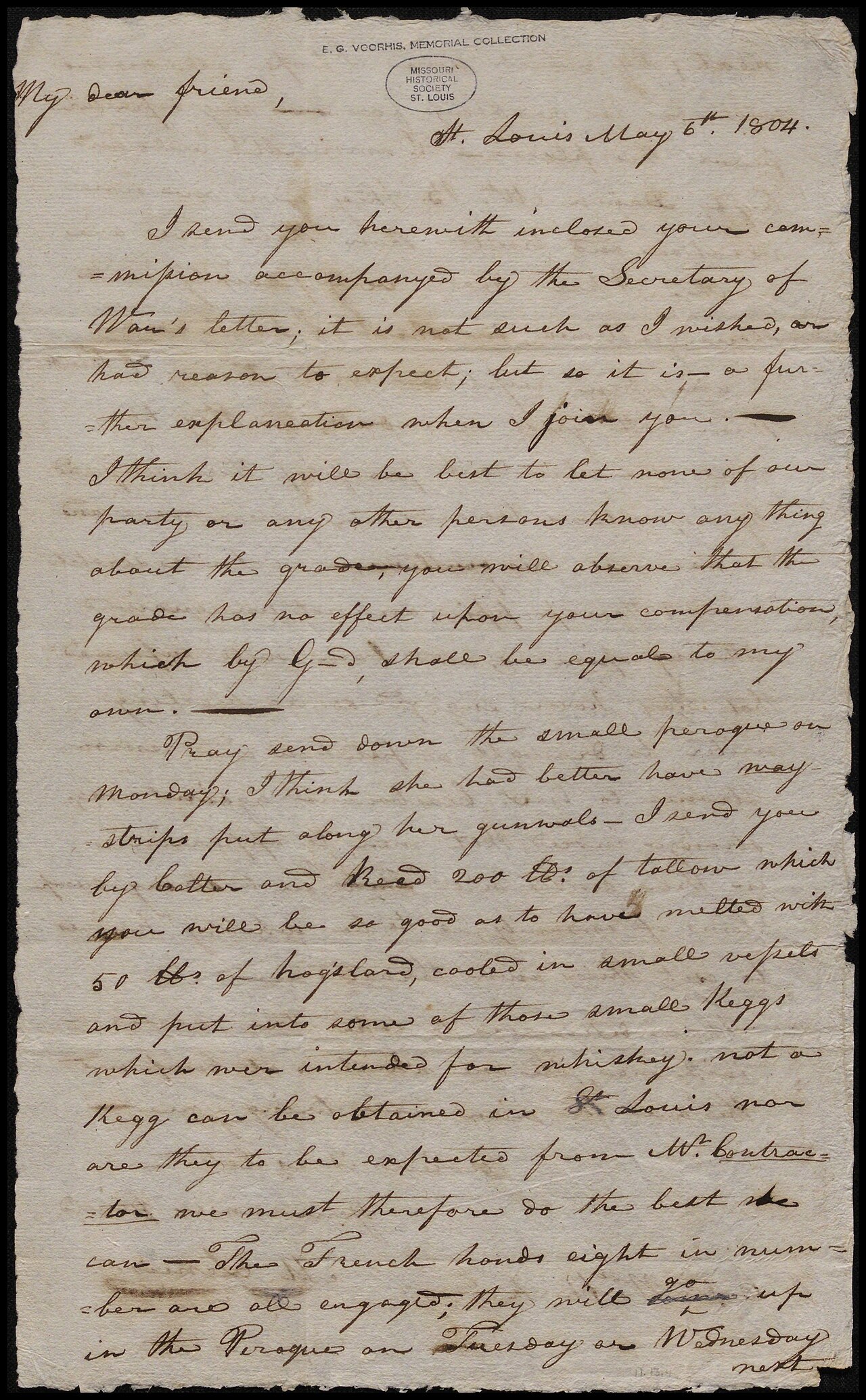 Letter
Primary source
Letter from Meriwether Lewis to William Clark, May 6, 1804
Meriwether Lewis · 6 May 1804
 Painting
Primary source
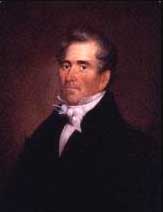
Portrait of Manuel Lisa
 Painting
Secondary source
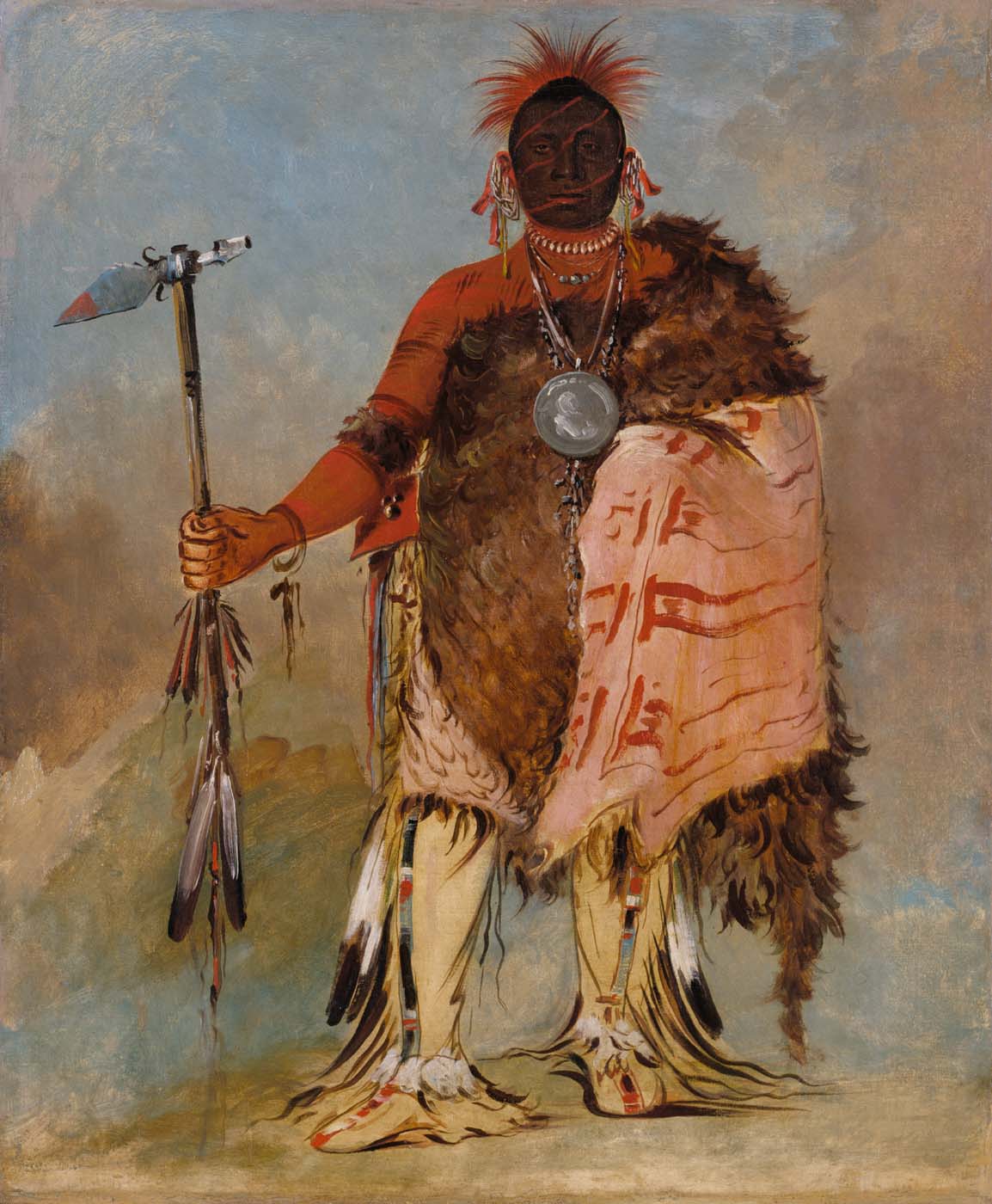
Om-pah-tón-ga, Big Elk, a Famous Warrior
George Catlin · 1832
Primary source
An Account of Expeditions to the Sources of the Mississippi
Zebulon Pike · 1810
 Book
Primary source
Travels in the Interior of America, in the Years 1809, 1810, and 1811
John Bradbury · 1817
Ready when you are
Start chatting with Manuel Lisa now.
20 messages free · No credit card · Available in 50+ languages.