


Primary sourceDocument29 October 2004
Treaty establishing a Constitution for Europe
29 October 2004
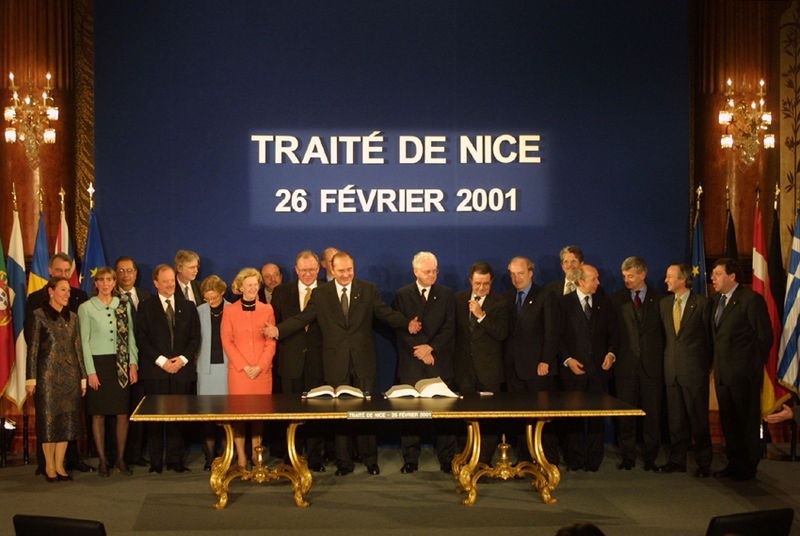
The unratified EU constitutional treaty signed by Chirac in 2004, rejected by French voters in the 2005 referendum that marked a major defeat for him.
Chirac signed this treaty and staked his authority on its ratification, suffering a major defeat when French voters rejected it.
Free Humy account · No credit card · 120,912 sources to read
About this source
What it is
This treaty was meant to replace existing EU treaties with a single constitution, giving legal force to the Charter of Fundamental Rights and expanding majority voting. It was signed in Rome on 29 October 2004 by representatives of the then 25 EU member states.
Why it matters
French President Jacques Chirac signed the treaty and called a referendum to ratify it in France. In May 2005, French and Dutch voters rejected the treaty, ending the ratification process and dealing Chirac a serious political defeat in his second term. Many of its ideas were later revived in the Treaty of Lisbon.
Look closer
- Why might a government choose to put a treaty to a referendum rather than a parliamentary vote?
- What does the disagreement over mentioning Christianity in the preamble reveal about differing views among European nations?
- What might the French 'no' vote tell you about public trust in leaders and institutions at the time?
This document is part of the curated material that grounds the AI version of Jacques Chirac and Valéry Giscard d'Estaing on Humy.ai — when students ask about related events, the AI can quote it and cite it.
More Jacques Chirac sources
Browse all 97 →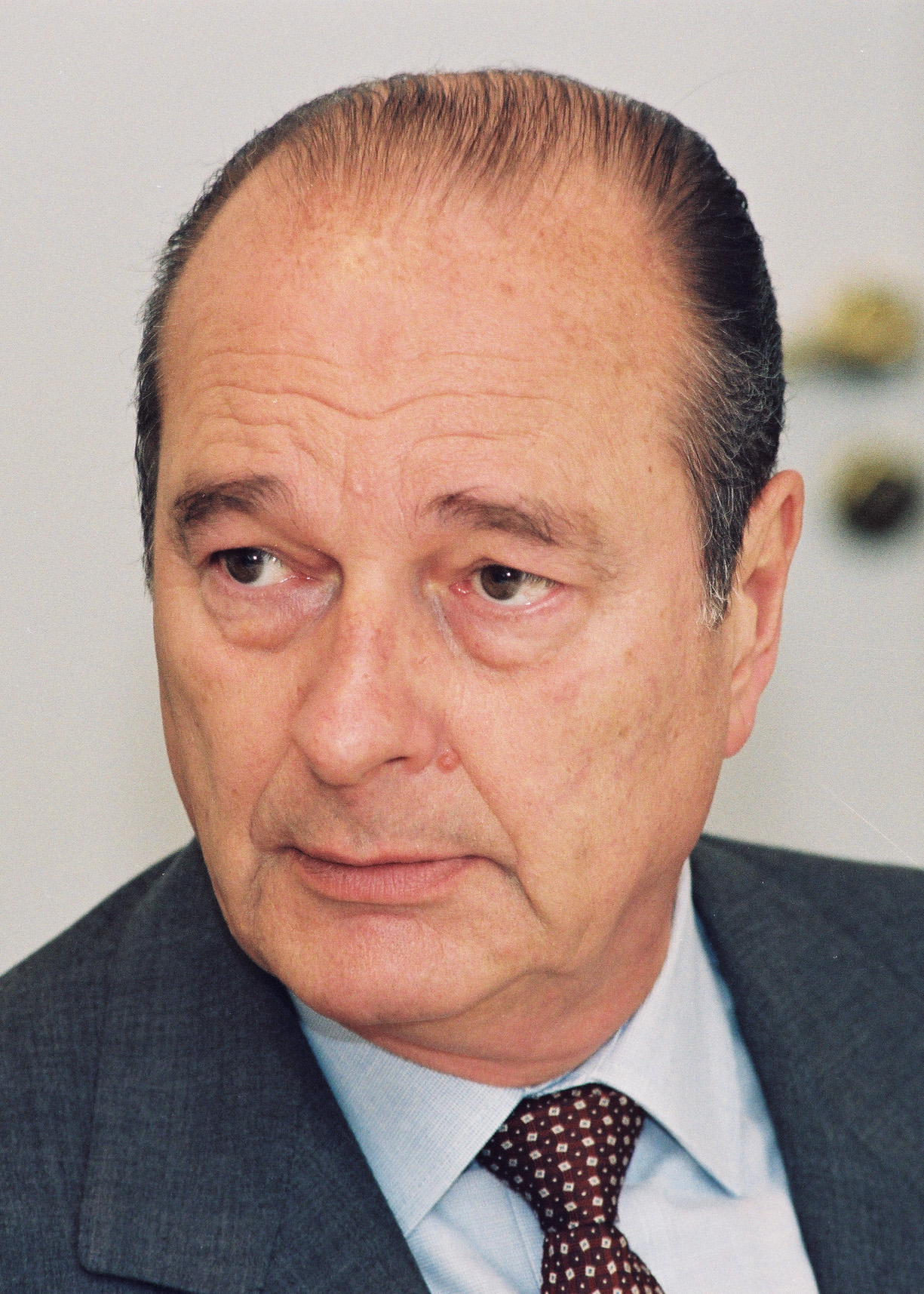 Photograph
Primary source
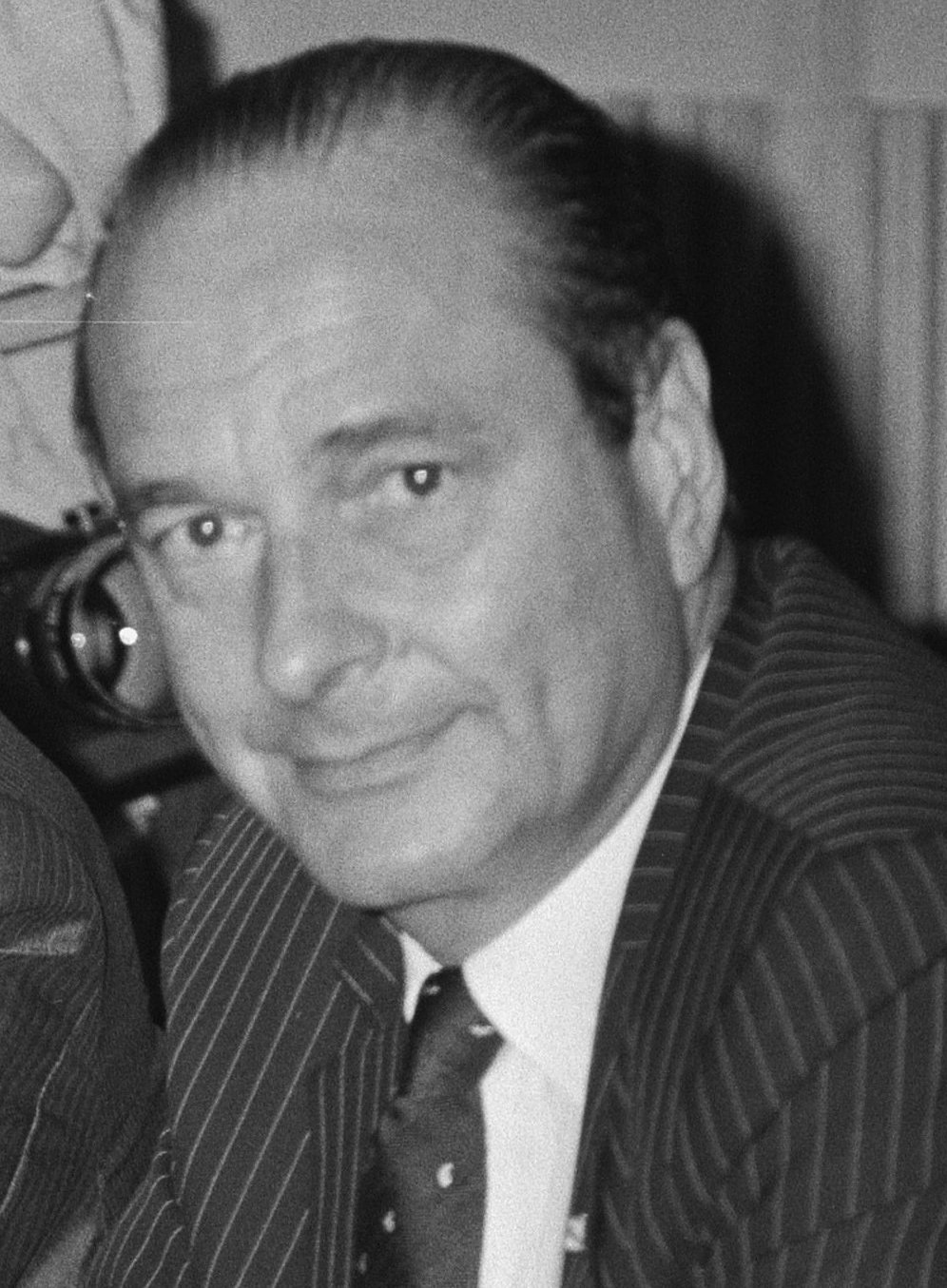
Portrait of Jacques Chirac
1997
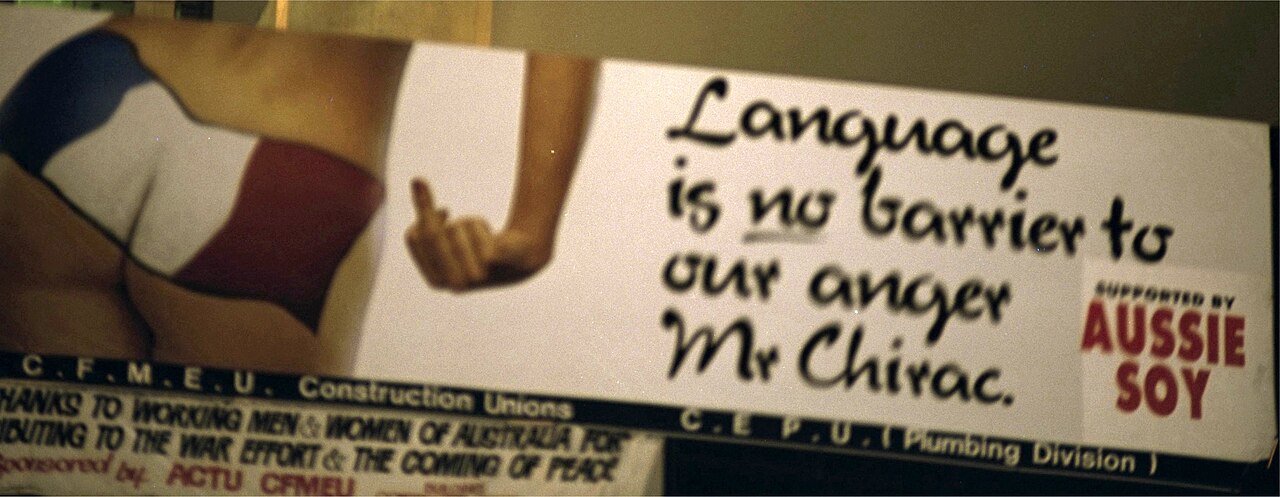 Photograph
Primary source
Australian Protest Against French Nuclear Tests
Lpele · 1996
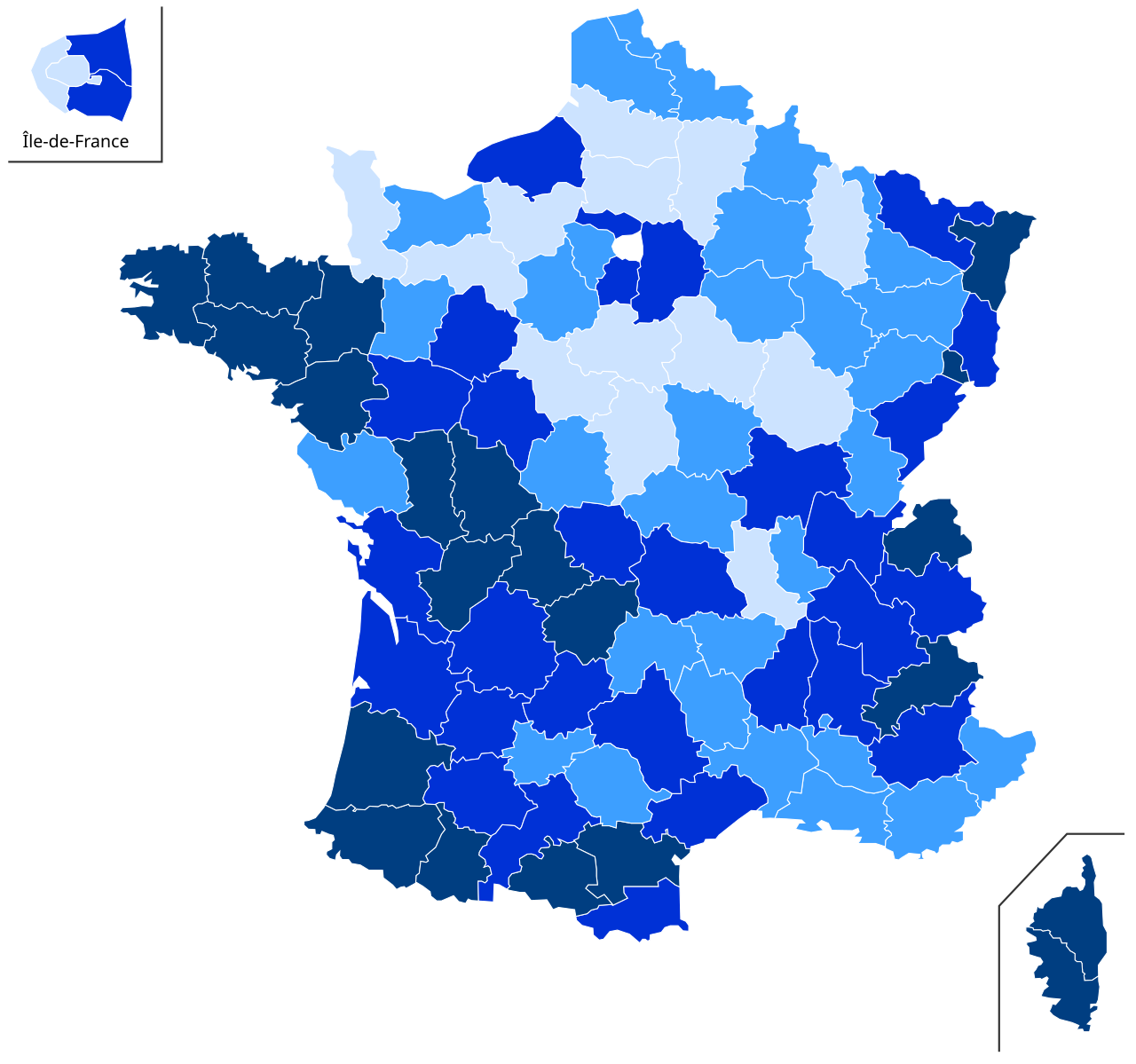 Document
Primary source
French Constitutional Referendum of 2000
24 September 2000
Primary source
Dayton Agreement
21 November 1995 (initialed); 14 December 1995 (signed)
Free account
Read every Jacques Chirac source
Sign up free →
Ready when you are
Start chatting with Jacques Chirac now.
20 messages free · No credit card · Available in 50+ languages.