


Primary sourceDocument29 May 1677
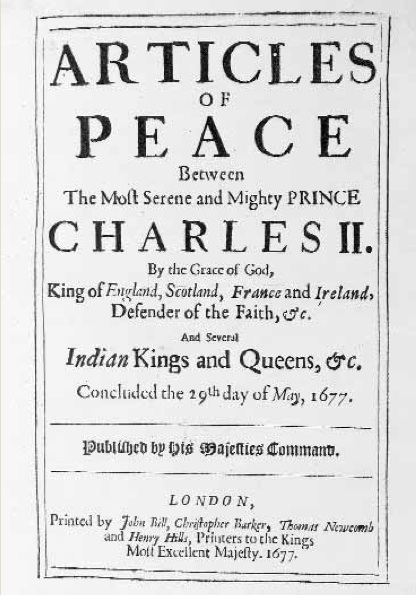
Treaty of 1677
29 May 1677
A peace treaty between the English Crown and Virginia tribes, signed by Opechancanough's likely successor Cockacoeske, showing Pamunkey tributary status after his wars.
Signed by Cockacoeske, Opechancanough's likely successor, showing the tributary status the Pamunkey accepted after his wars with the English.
About this source
What it is
The Treaty of 1677, also called the Treaty of Middle Plantation, was signed on 28 May 1677 between the English Crown and representatives of several Virginia Native nations, following Bacon's Rebellion. It was printed in London the same year.
Why it matters
Among the signers was the Queen of Pamunkey, Cockacoeske, believed to be Opechancanough's descendant and successor. The treaty made the tribes 'tributary,' guaranteeing certain rights to land, hunting, and arms in exchange for loyalty to the Crown. It shows the outcome, decades later, of the conflicts Opechancanough had led against the English.
Look closer
- What does the word 'tributary' suggest about the balance of power in this treaty?
- Why might the English have wanted a formal, printed document rather than just an agreement?
- How does this treaty connect to the wars fought earlier by Opechancanough?
This document is part of the curated material that grounds the AI version of Opechancanough on Humy.ai — when students ask about related events, the AI can quote it and cite it.
More Opechancanough sources
Browse all 35 →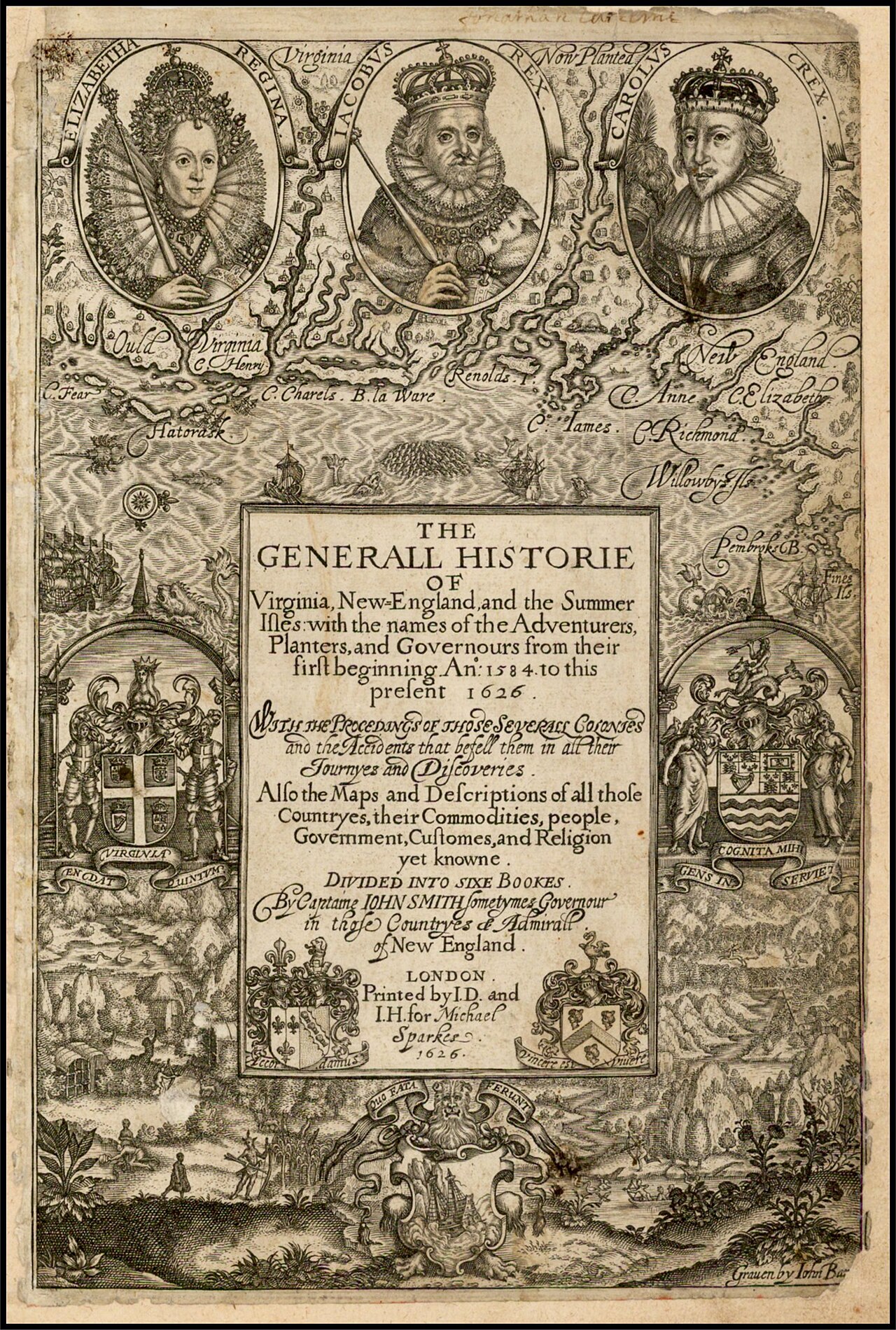 Book
Primary source
The Generall Historie of Virginia, New-England, and the Summer Isles
John Smith · 1624
 Painting
Primary source
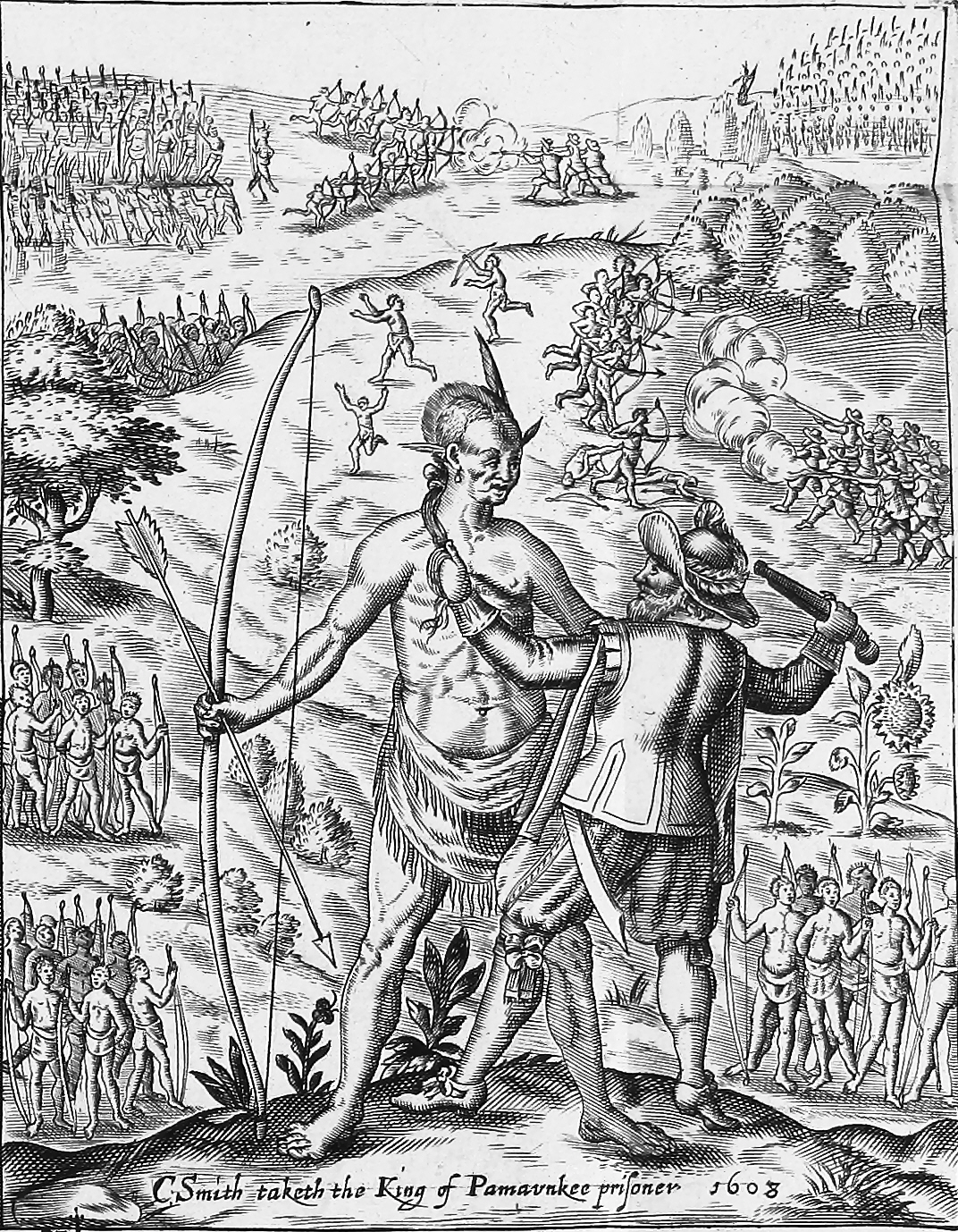
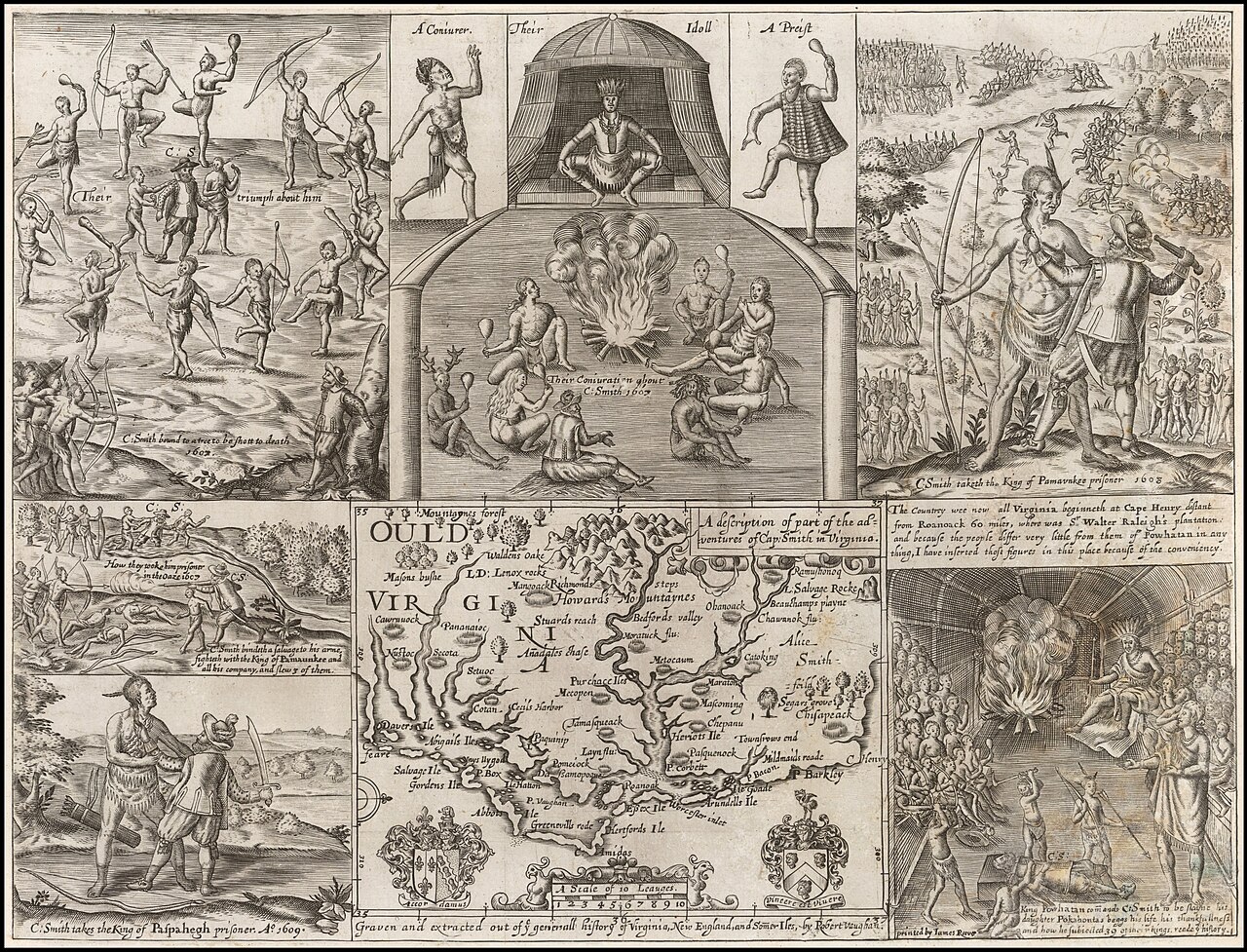
John Smith taking the King of Pamunkee prisoner
Robert Vaughan · 1624
 Book
Primary source
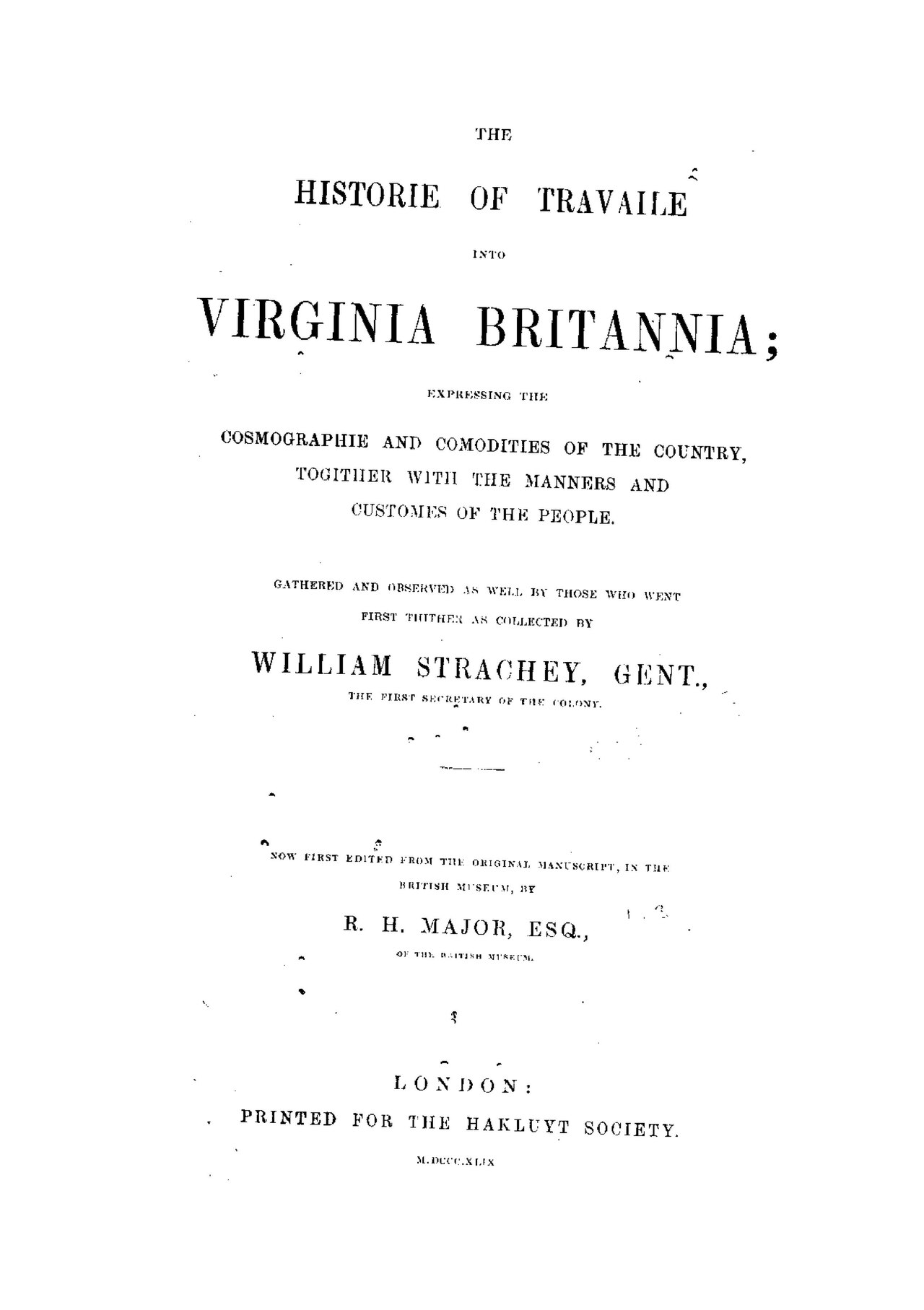
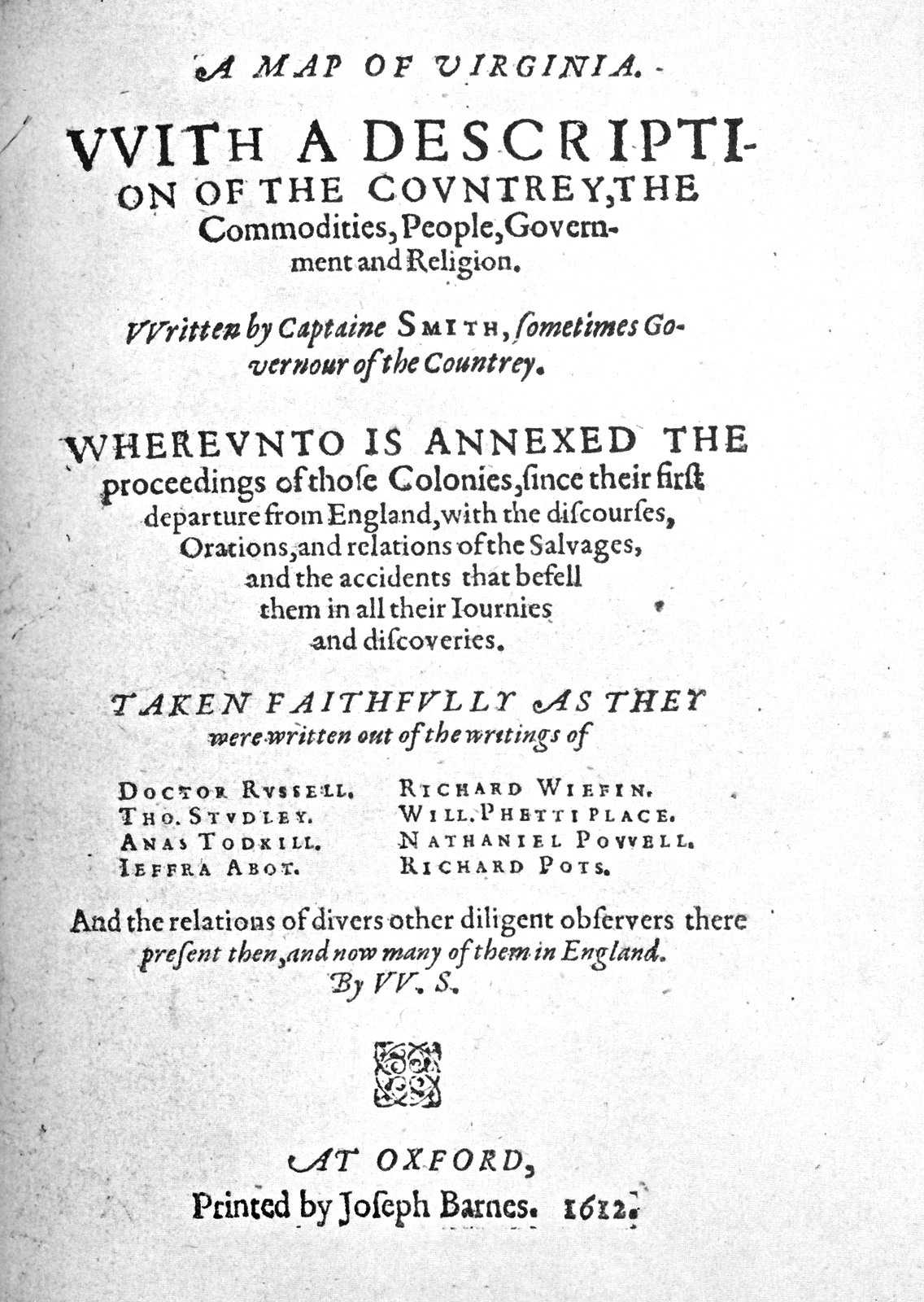
The Historie of Travaile Into Virginia Britannia
William Strachey · c. 1612
 Painting
Secondary source
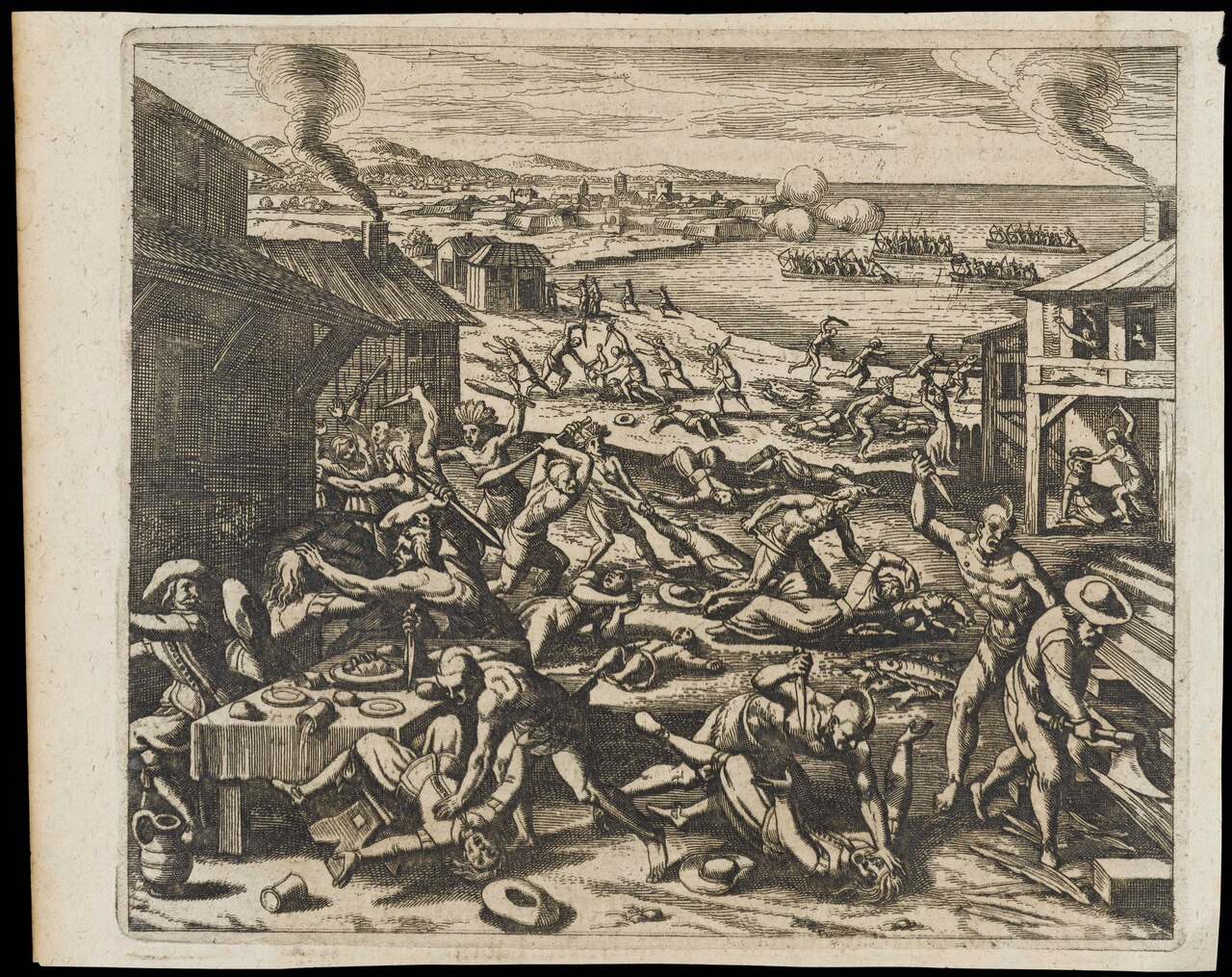
Indians Slaughtering the English Near Jamestown
Gottfried · 1655
Free account
Browse every Opechancanough source
Sign up free →
Ready when you are
Start chatting with Opechancanough now.
20 messages free · No credit card · Available in 50+ languages.