


Primary sourceDocument10 November 1277
Treaty of Aberconwy
10 November 1277
The 1277 treaty by which Edward I forced Llywelyn ap Gruffudd to surrender territory, a key step in the English conquest of Wales.
Edward I imposed this treaty on Llywelyn ap Gruffudd, beginning his conquest of Wales.
About this source
What it is
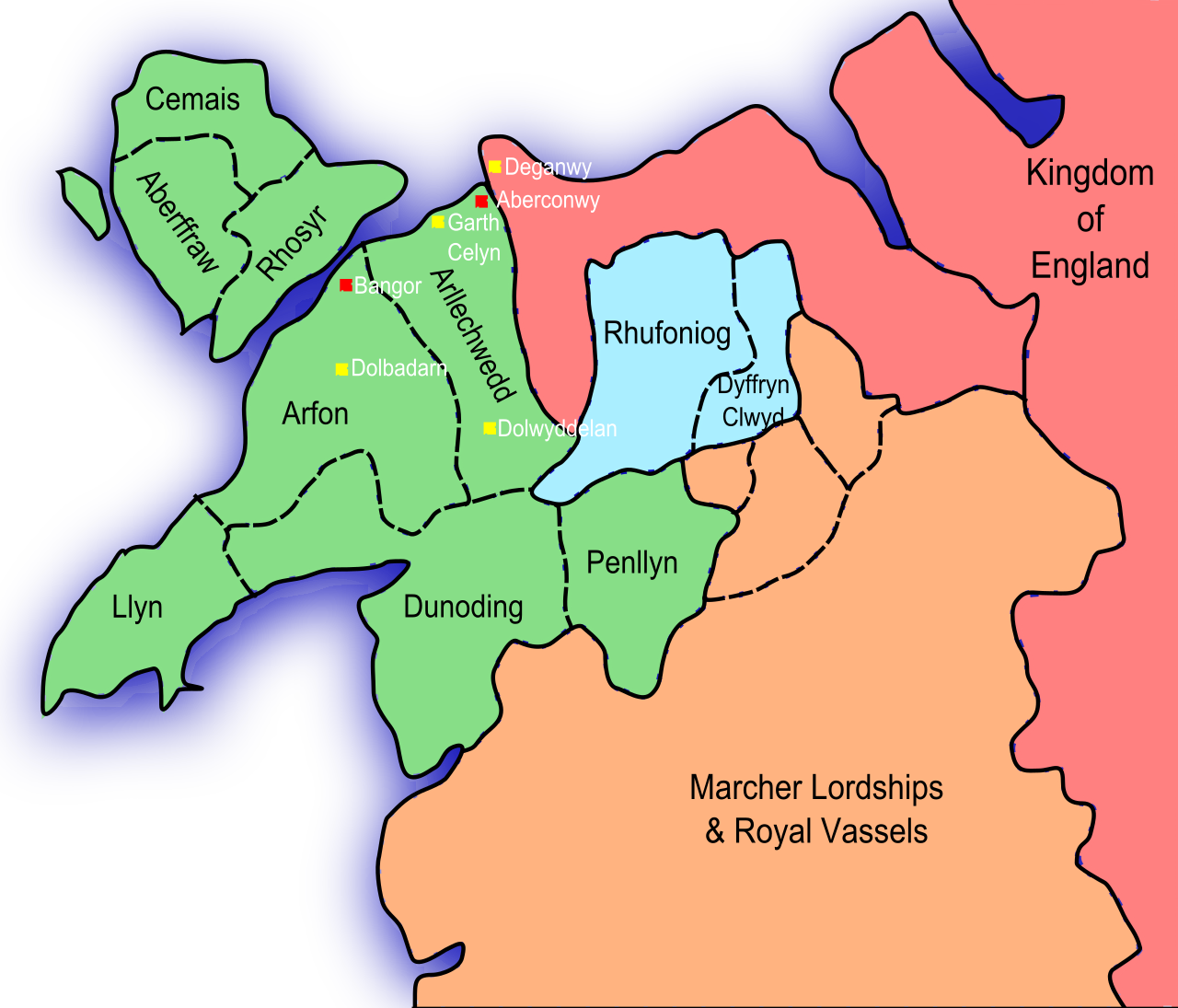
The Treaty of Aberconwy was signed on 10 November 1277 between King Edward I of England and Llywelyn ap Gruffudd, Prince of Wales, after Edward's invasion of Llywelyn's lands. It is held at Aberconwy Abbey.
Why it matters
The treaty left Llywelyn with only part of Gwynedd and guaranteed that Welsh self-rule would end on his death, marking the first stage of Edward's conquest of Wales. It reveals Edward's determination to break Welsh independence and reshape the balance of power through both war and legal settlement. Its breakdown, after Llywelyn's brother Dafydd rebelled, led directly to further war and the completion of the conquest.
Look closer
- What does Llywelyn give up under this treaty, and what is he allowed to keep?
- Why might Edward have wanted to keep Llywelyn as Prince of Wales rather than remove him entirely?
- What does the treaty's quick collapse tell you about how stable this kind of forced peace really was?
This document is part of the curated material that grounds the AI version of Edward I on Humy.ai — when students ask about related events, the AI can quote it and cite it.
More Edward I sources
Browse all 97 →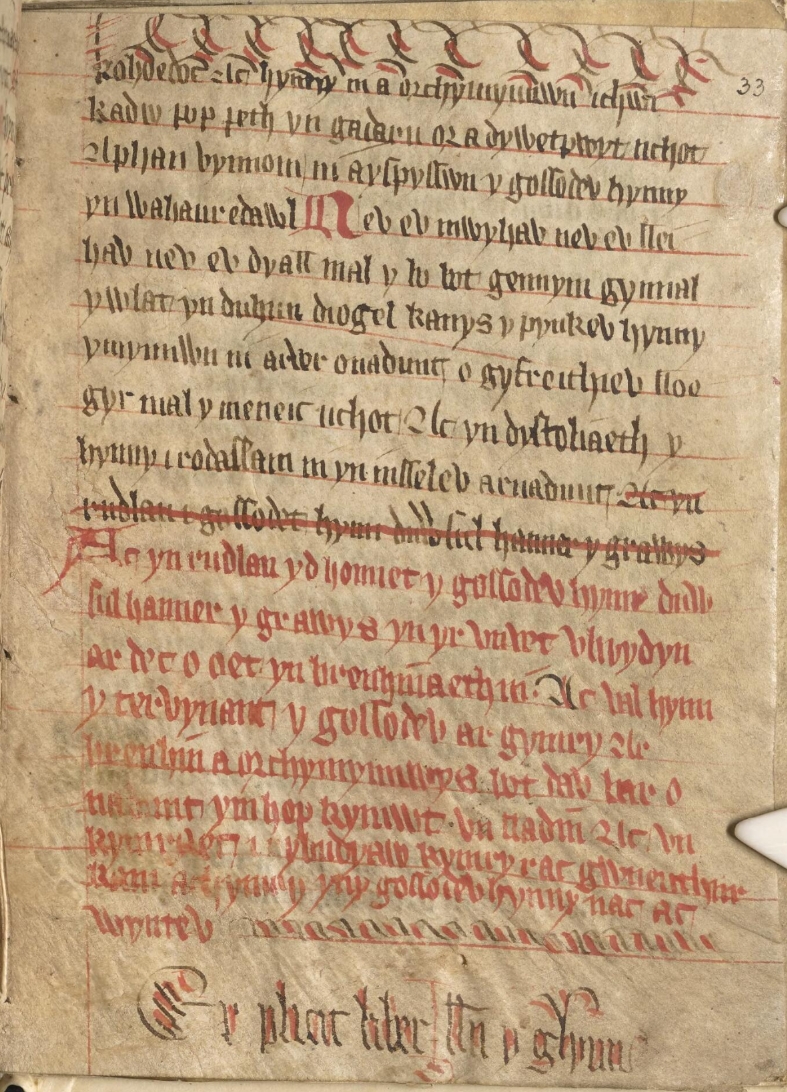





Ready when you are
Start chatting with Edward I now.
20 messages free · No credit card · Available in 50+ languages.