


Primary sourceDocument5 July 1560
Treaty of Edinburgh
5 July 1560
The 1560 treaty, agreed in Elizabeth I's name, that ended French military presence in Scotland and secured her northern border.
Negotiated by Elizabeth's commissioners, this treaty secured her northern border early in her reign.
About this source
What it is
The Treaty of Edinburgh was drawn up on 5 July 1560 between commissioners of Elizabeth I, the Scottish Lords of the Congregation, and French representatives of King Francis II of France. It ended the Siege of Leith and replaced the old alliance between Scotland and France with a new arrangement between England and Scotland.
Why it matters
The treaty forced French troops to leave Scotland and weakened Catholic power there, even though Mary, Queen of Scots, never ratified it. It shows how Elizabeth used diplomacy early in her reign to protect England from invasion through Scotland, and how the fates of Elizabeth, Mary, and the French crown were tangled together.
Look closer
- Why might Mary, Queen of Scots, have refused to ratify a treaty that was already being followed?
- What does the treaty's wording about heraldry suggest about rival claims to thrones?
- Who negotiated this agreement, and what does that tell you about how royal diplomacy worked without monarchs meeting in person?
This document is part of the curated material that grounds the AI version of Elizabeth I on Humy.ai — when students ask about related events, the AI can quote it and cite it.
More Elizabeth I sources
Meet the AI Elizabeth I →Primary source
Speech to the Troops at Tilbury
Elizabeth I of England · 1588
 Painting
Secondary source
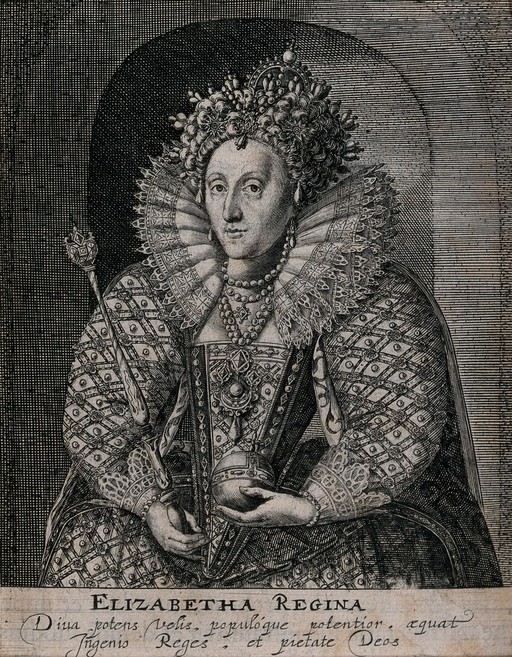
Queen Elizabeth I of England by Isaac Oliver
Isaac Oliver · 1620
 Painting
Primary source
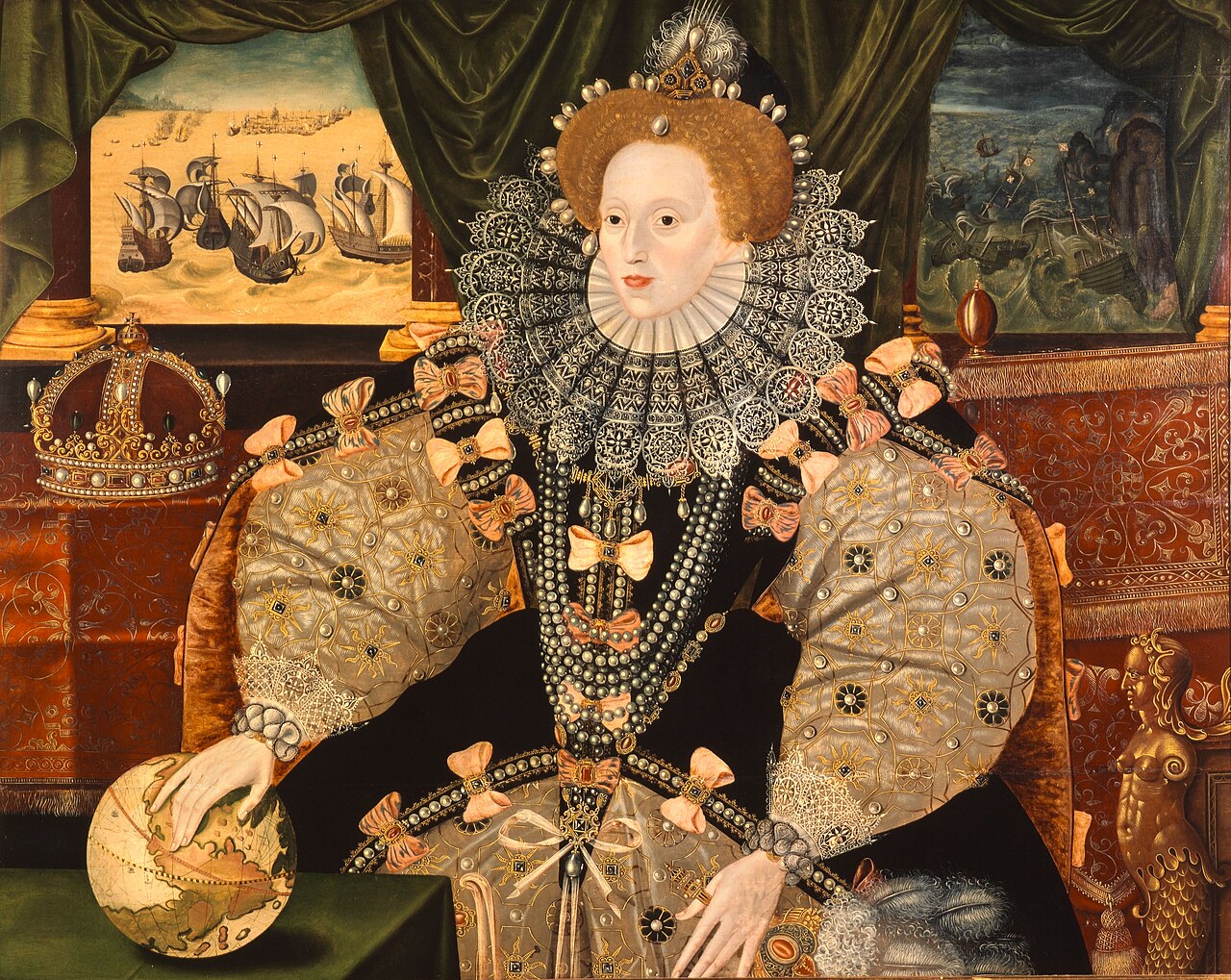
Armada Portrait
Unknown English artist · 1588
 Painting
Secondary source
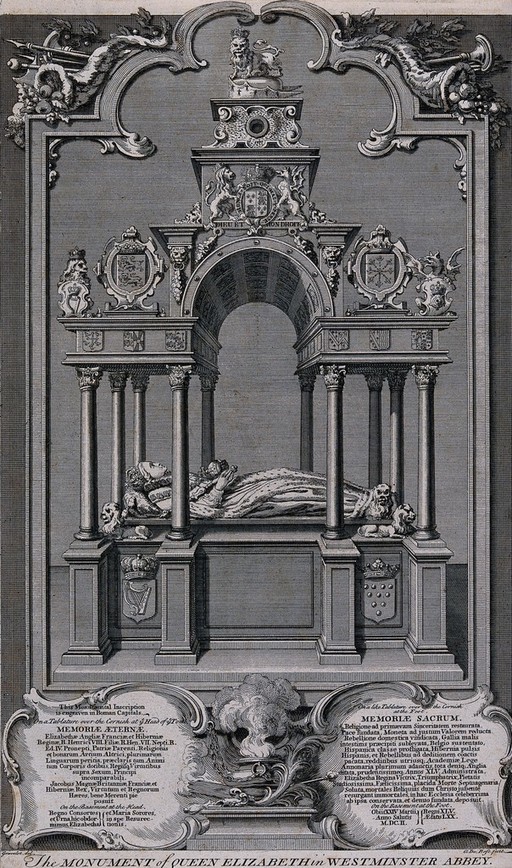
Monument to Queen Elizabeth I in Westminster Abbey
Hubert Francois Bourguignon d'Anville Gravelot
 Painting
Secondary source
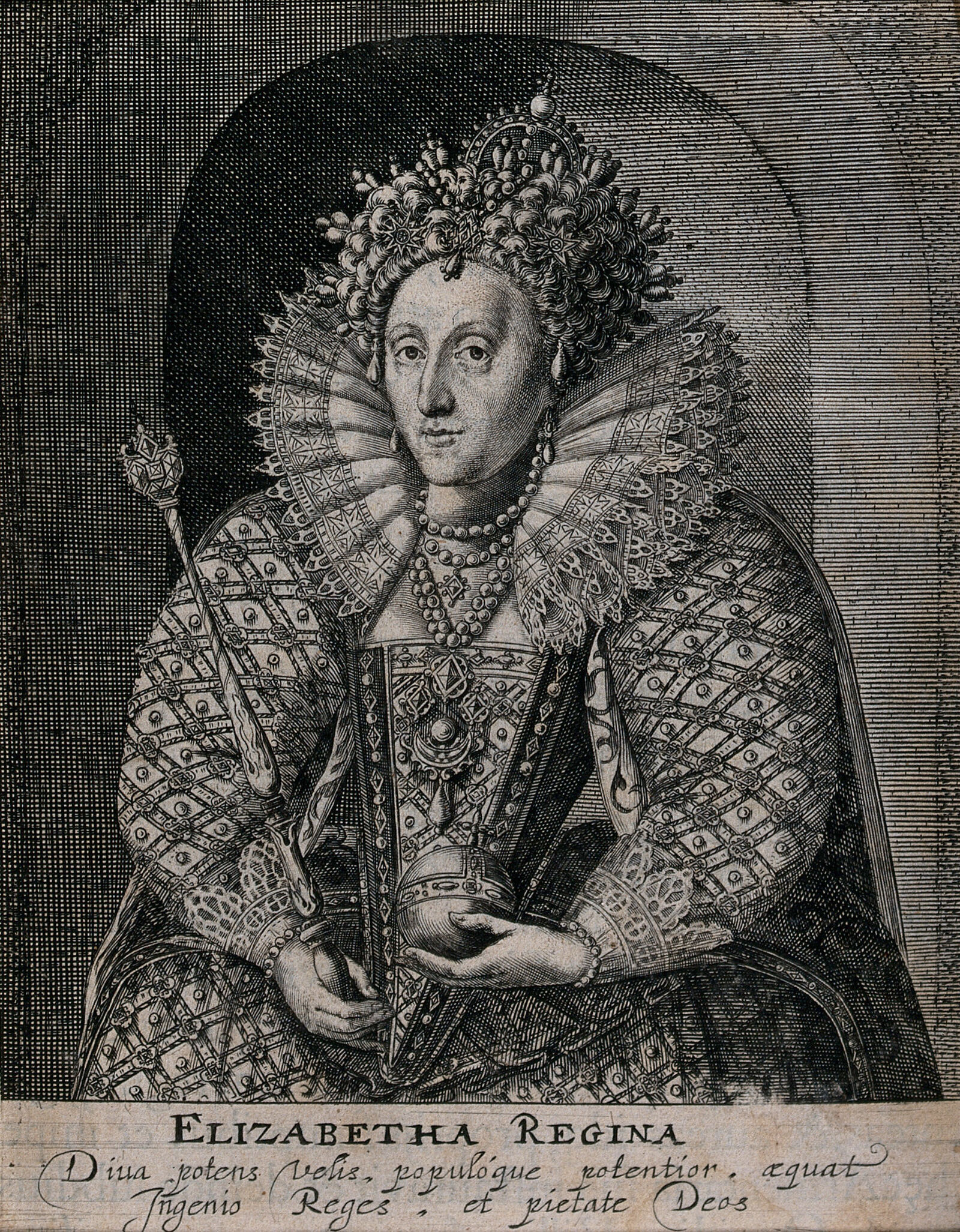
Queen Elizabeth I in parliamentary robes
Isaac Oliver · 1600-1699
Ready when you are
Start chatting with Elizabeth I now.
20 messages free · No credit card · Available in 50+ languages.