


Primary sourceDocument2 February 1848
Treaty of Guadalupe Hidalgo
Nicholas Trist; Mexican commission · 2 February 1848
The 1848 treaty ending the Mexican-American War, a conflict rooted in the Texas annexation Tyler pushed through as president.
This treaty resulted from war following the Texas annexation Tyler championed as president.
About this source
What it is
This is the exchange copy of the Treaty of Guadalupe Hidalgo, written in Spanish and English, held by the U.S. National Archives. Signed on February 2, 1848, it ended the Mexican-American War. Mexico ceded a large portion of its territory to the United States, and the treaty was negotiated by Nicholas Trist on the American side and a Mexican commission on the other.
Why it matters
The war that this treaty ended grew out of the annexation of Texas, which President John Tyler pushed through near the end of his term. The treaty shows the long-term consequences of Tyler's expansionist policies, reshaping the map of North America and deepening disputes over slavery in new territories.
Look closer
- Why do you think this treaty exists in two languages?
- What does the treaty's language of 'peace and friendship' leave out about how the territory was taken?
- How might Tyler's push for Texas annexation connect to the war that led to this treaty?
This document is part of the curated material that grounds the AI version of John Tyler, Zachary Taylor, Millard Fillmore, Franklin Pierce and Ulysses S Grant on Humy.ai — when students ask about related events, the AI can quote it and cite it.
More John Tyler sources
Meet the AI John Tyler →Primary source
Joint Resolution for Annexing Texas to the United States
U.S. Congress · 1 March 1845
Primary source
Webster–Ashburton Treaty
1842
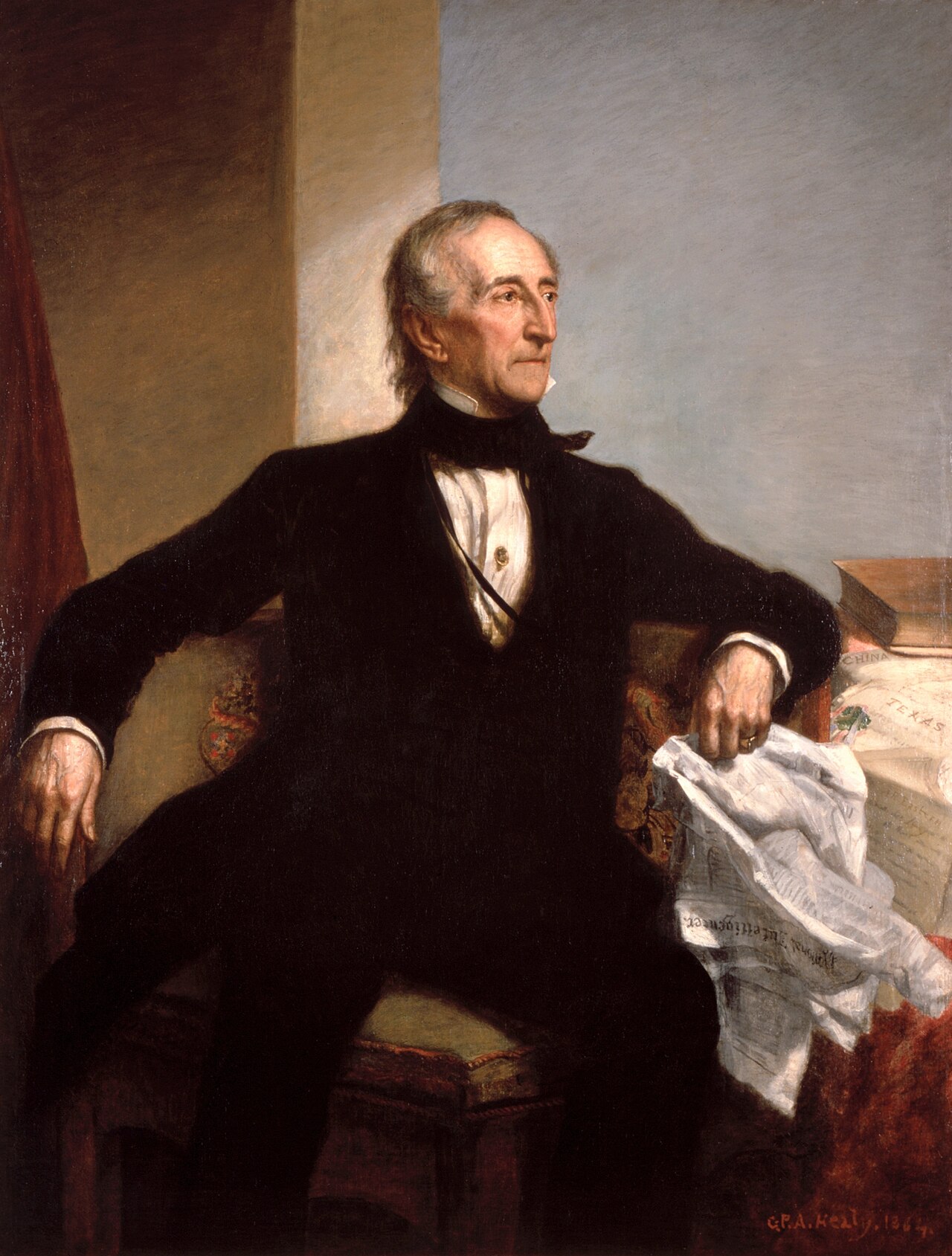 Painting
Primary source
Portrait of John Tyler
George P. A. Healy
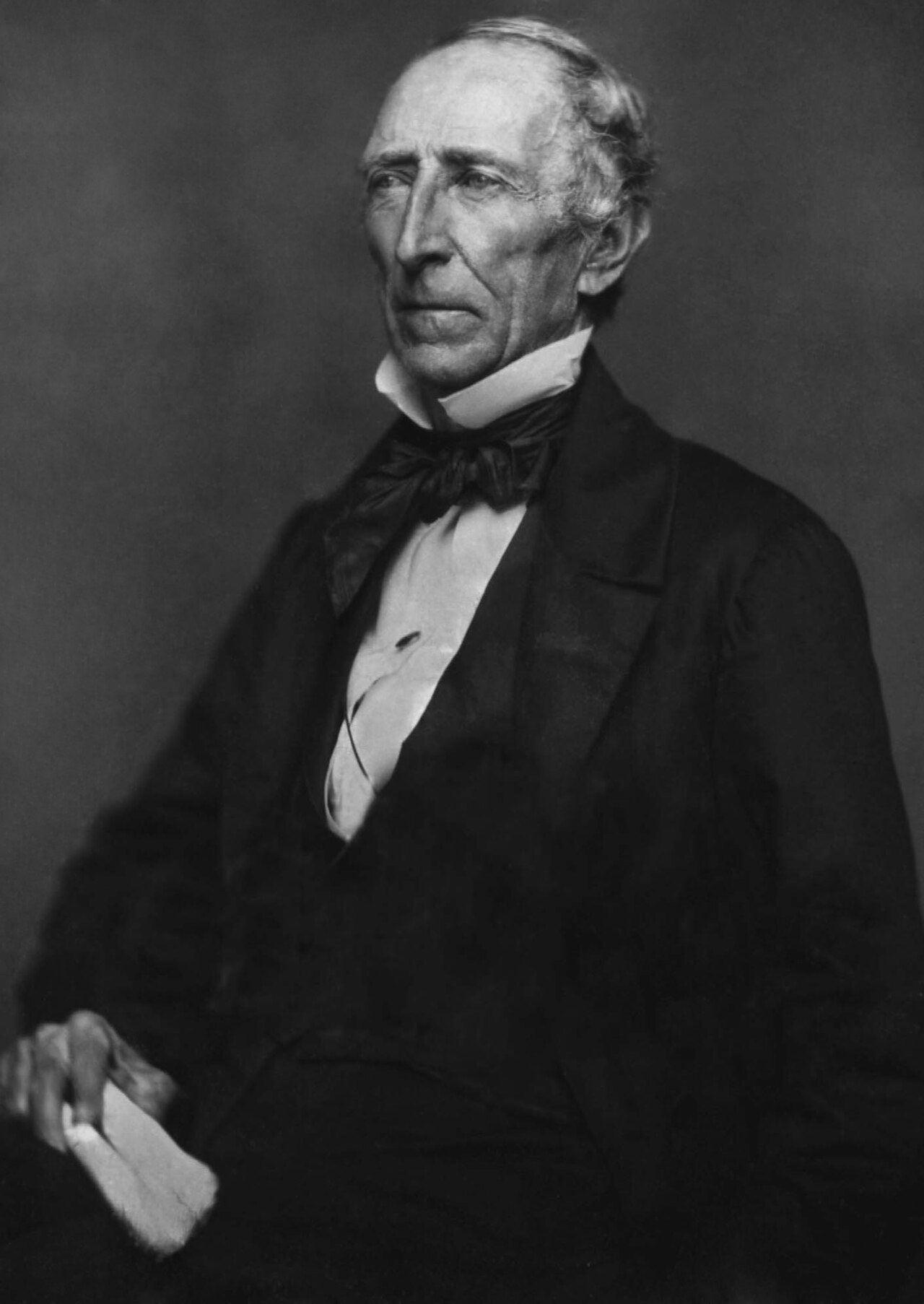 Photograph
Primary source
Tyler Daguerreotype
Edwards & Anthony
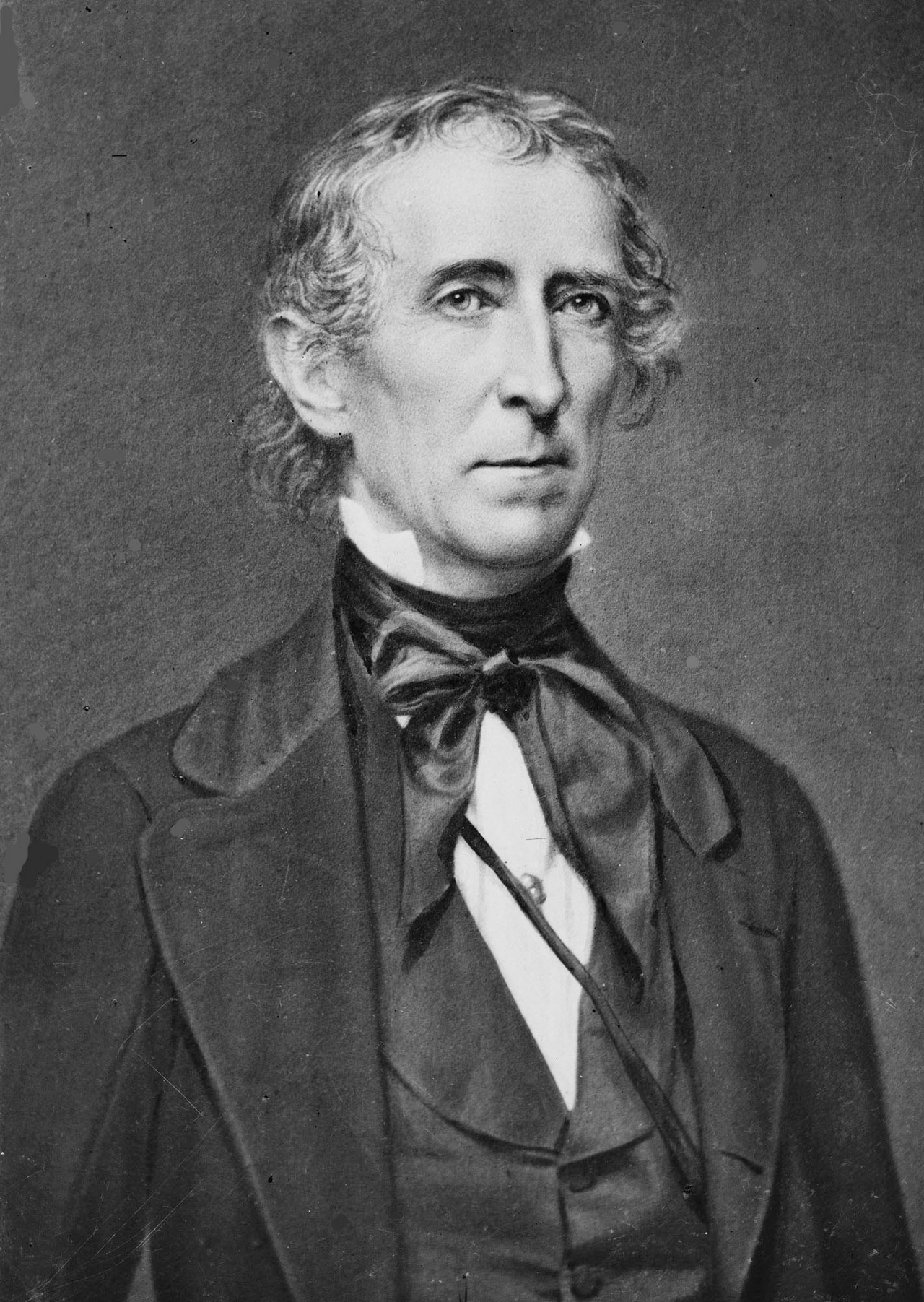 Photograph
Primary source
John Tyler
Mathew Brady
Ready when you are
Start chatting with John Tyler now.
20 messages free · No credit card · Available in 50+ languages.