


Primary sourceDocument21 August 1974
Treaty of Jeddah
21 August 1974
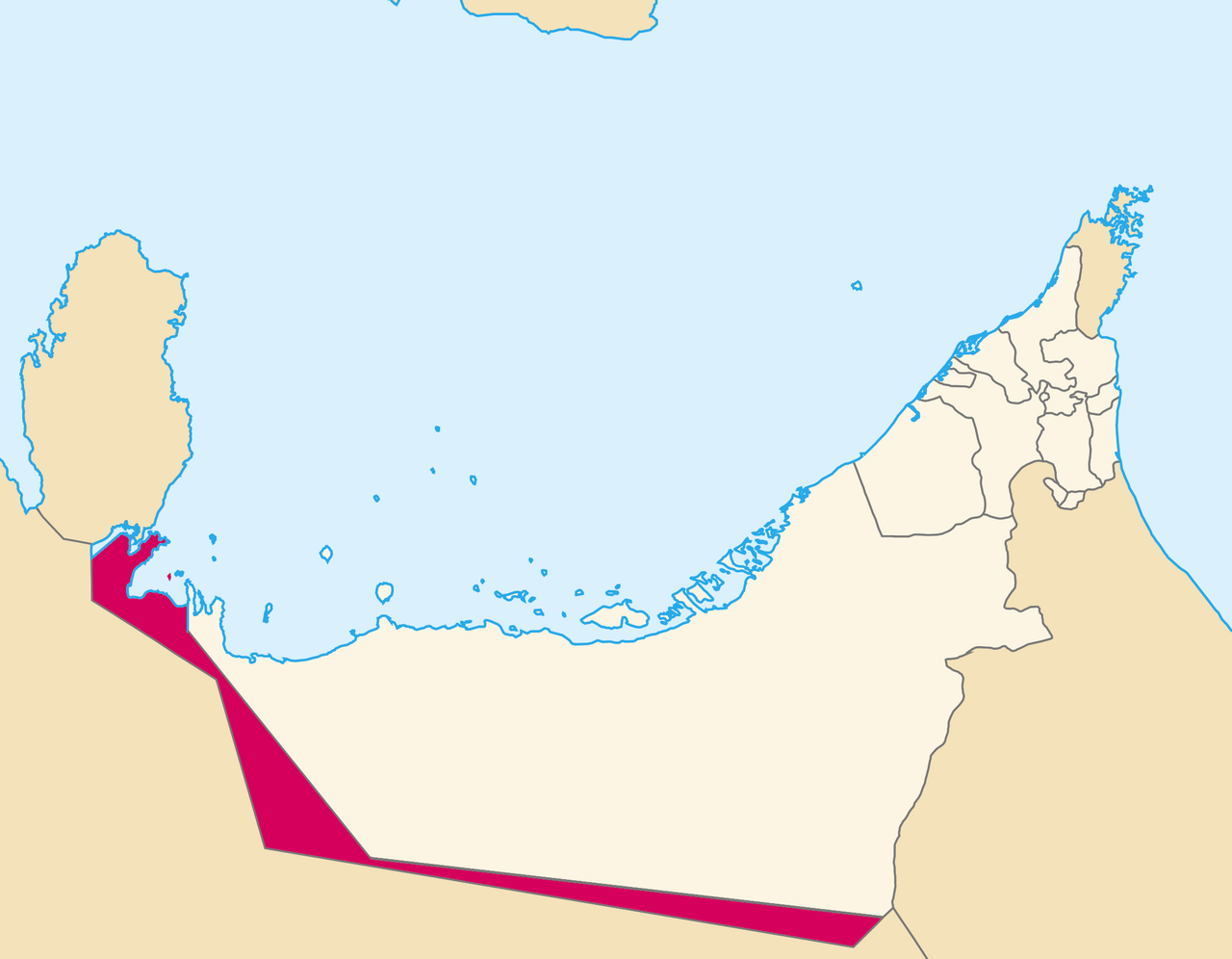
A 1974 border treaty between Zayed and King Faisal of Saudi Arabia that settled the Buraimi dispute and won Saudi recognition of the UAE.
Zayed signed this treaty with King Faisal, settling Abu Dhabi's border dispute and securing Saudi recognition of the UAE.
About this source
What it is
The Treaty of Jeddah was signed on 21 August 1974 by King Faisal of Saudi Arabia and Sheikh Zayed bin Sultan Al Nahyan, President of the United Arab Emirates. It set out the border between Saudi Arabia and the UAE, including territory, islands and oil fields, and aimed to resolve the long-running Buraimi dispute.
Why it matters
Before the treaty, Saudi Arabia had refused to recognise the UAE because of territorial disputes with Abu Dhabi. The agreement led Saudi Arabia to recognise the new federation immediately, strengthening Zayed's position as its president. However, the UAE later disputed the treaty, saying the final text did not match what had been orally agreed, and the UAE has never ratified it.
Look closer
- Why might a country agree to a treaty it later says was unfair?
- What does the ongoing dispute tell you about the difference between signing a treaty and ratifying it?
- How did Britain's withdrawal from the region affect the balance of power in these negotiations?
This document is part of the curated material that grounds the AI version of Zayed bin Sultan Al Nahyan on Humy.ai — when students ask about related events, the AI can quote it and cite it.
More Zayed bin Sultan Al Nahyan sources
Browse all 43 →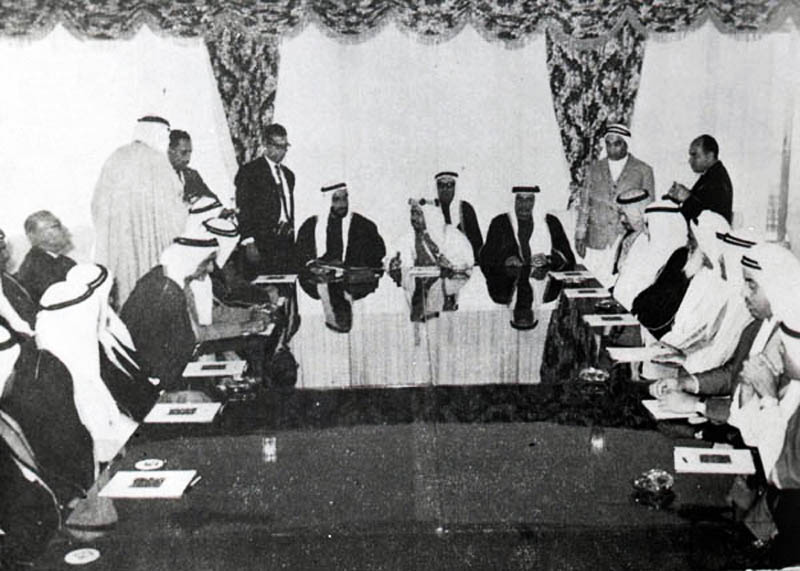 Photograph
Primary source
Gulf Emirate Leaders Meet to Discuss Union Plans, 1968
February 1968
 Document
Primary source
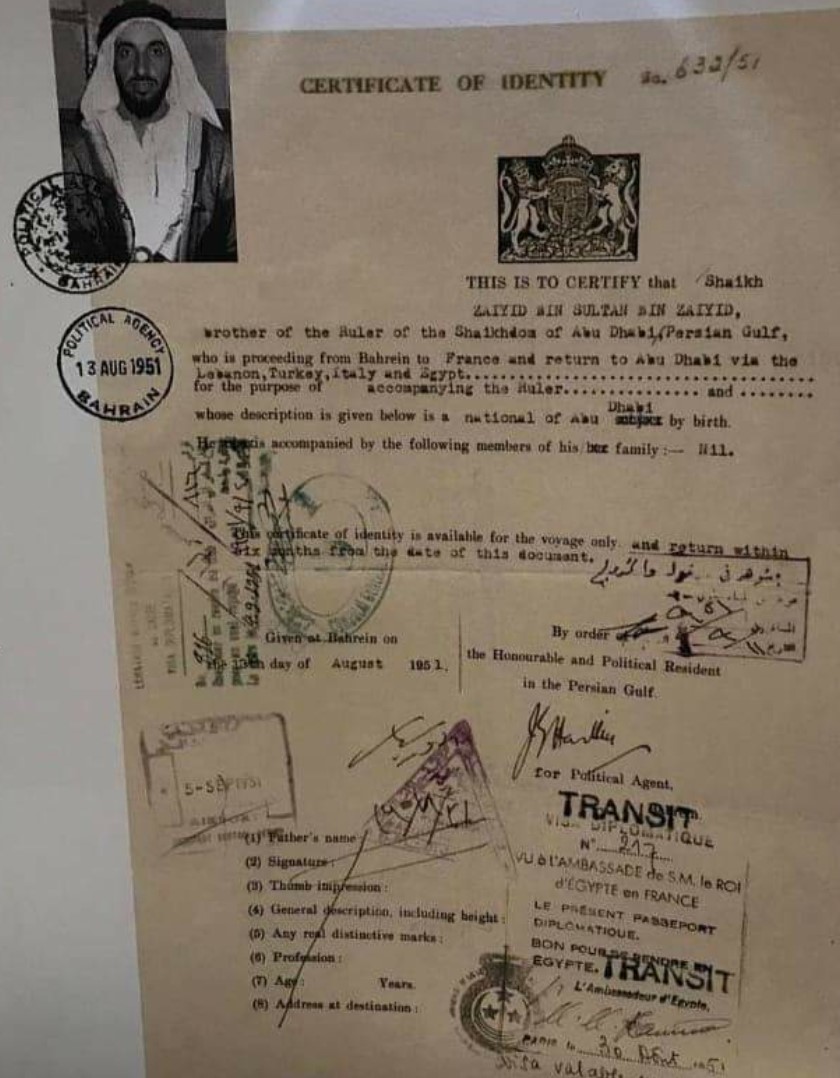
1951 Passport of Sheikh Zayed
1951
 Artifact
Primary source
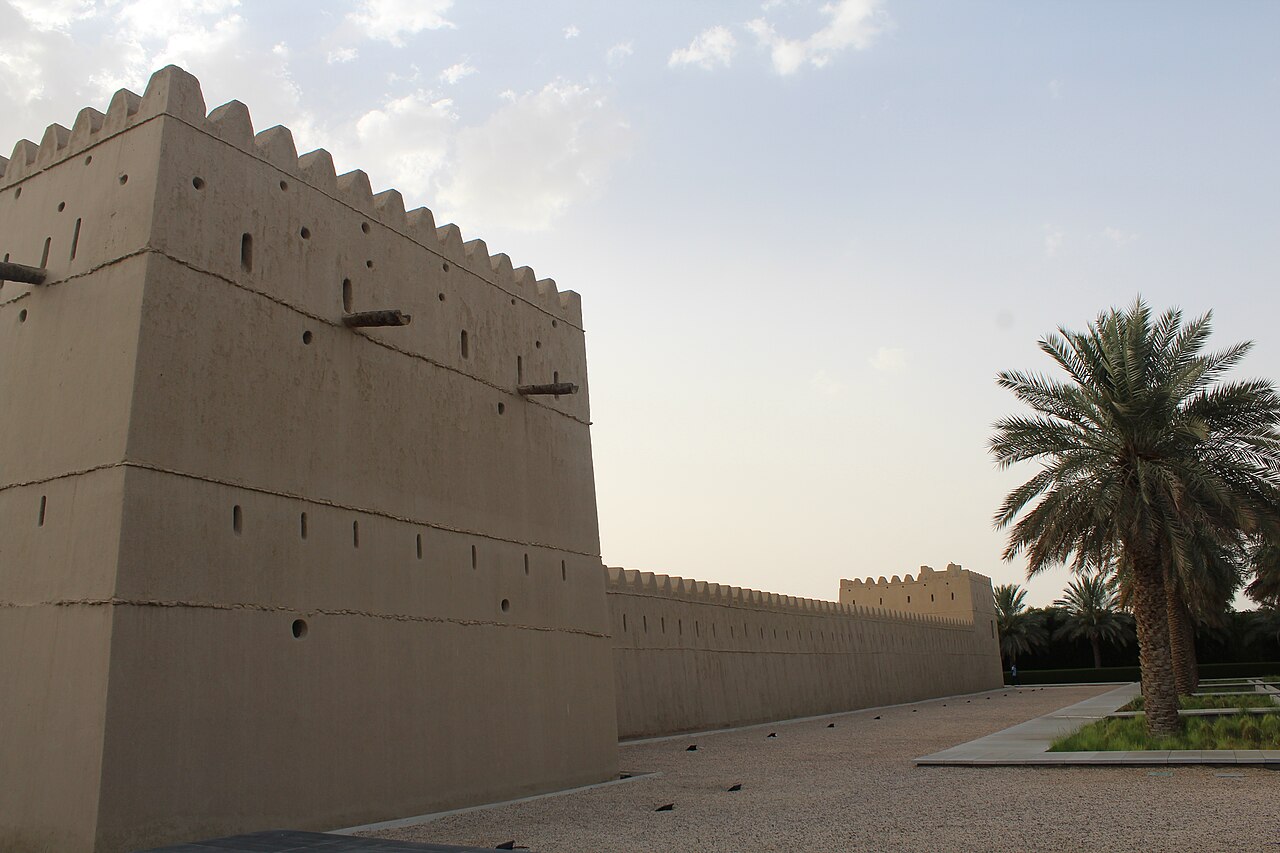
Al Muwaiji Fort
early 20th century
 Artifact
Primary source
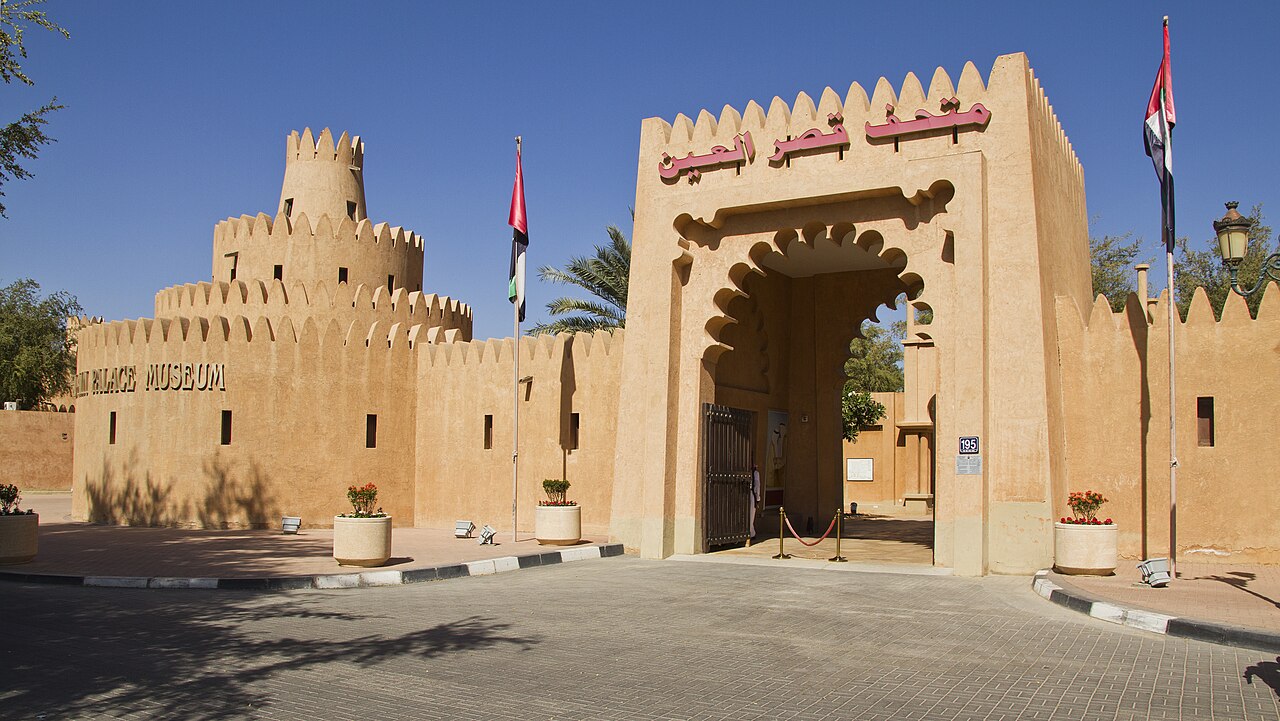
Sheikh Zayed Palace Museum
1937

Free account
Read every Zayed bin Sultan Al Nahyan source
Sign up free →
Ready when you are
Start chatting with Zayed bin Sultan Al Nahyan now.
20 messages free · No credit card · Available in 50+ languages.