


Primary sourceDocument26 January 1699
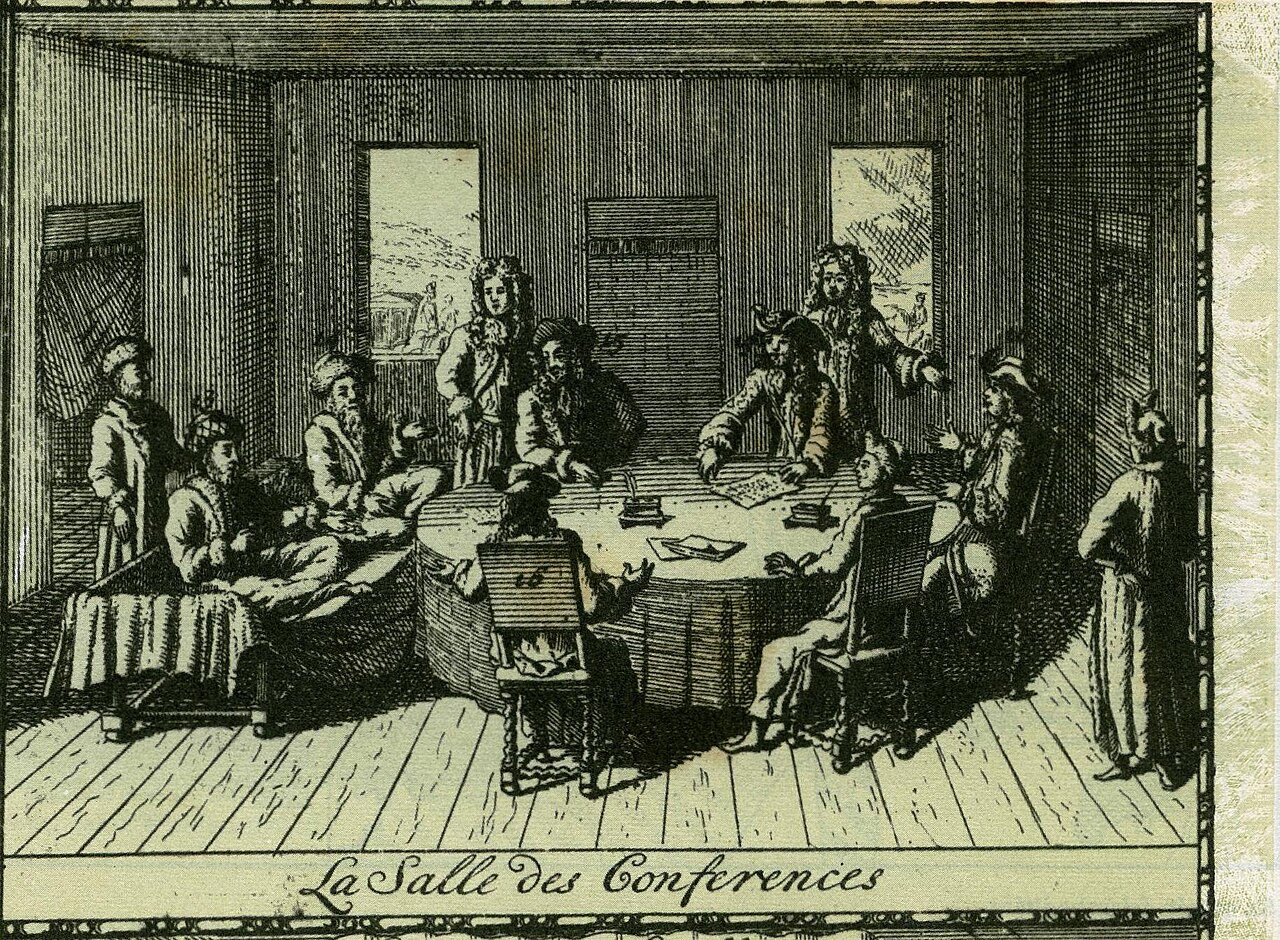
Treaty of Karlowitz
26 January 1699
The 1699 peace treaty ending the Great Turkish War, whose terms forced Rákóczi's stepfather Thököly and mother Ilona Zrínyi into exile, shaping the young Rákóczi's path to revolt.
This treaty's aftermath forced Rákóczi's parents into exile, setting the political background to his later uprising.
About this source
What it is
The Treaty of Karlowitz was a peace treaty signed on 26 January 1699 in Karlowitz (present-day Sremski Karlovci, Serbia), ending the Great Turkish War of 1683–1699 between the Ottoman Empire and the Holy League, which included the Holy Roman Empire, the Polish–Lithuanian Commonwealth, Venice, and Russia.
Why it matters
The treaty confirmed Habsburg control over much of Hungary, Croatia and Slavonia, and forced figures like Imre Thököly and Ilona Zrínyi, Rákóczi's stepfather and mother, into exile. This outcome, and the Habsburg dominance it cemented, set the political stage for the anti-Habsburg uprising that remnants of Thököly's forces began on Rákóczi family lands, which Rákóczi would later lead.
Look closer
- Why might a peace treaty between great powers have such personal consequences for a noble family like the Rákóczis?
- What does the treaty's language about
This document is part of the curated material that grounds the AI version of Francis II Rákóczi on Humy.ai — when students ask about related events, the AI can quote it and cite it.
More Francis II Rákóczi sources
Browse all 99 →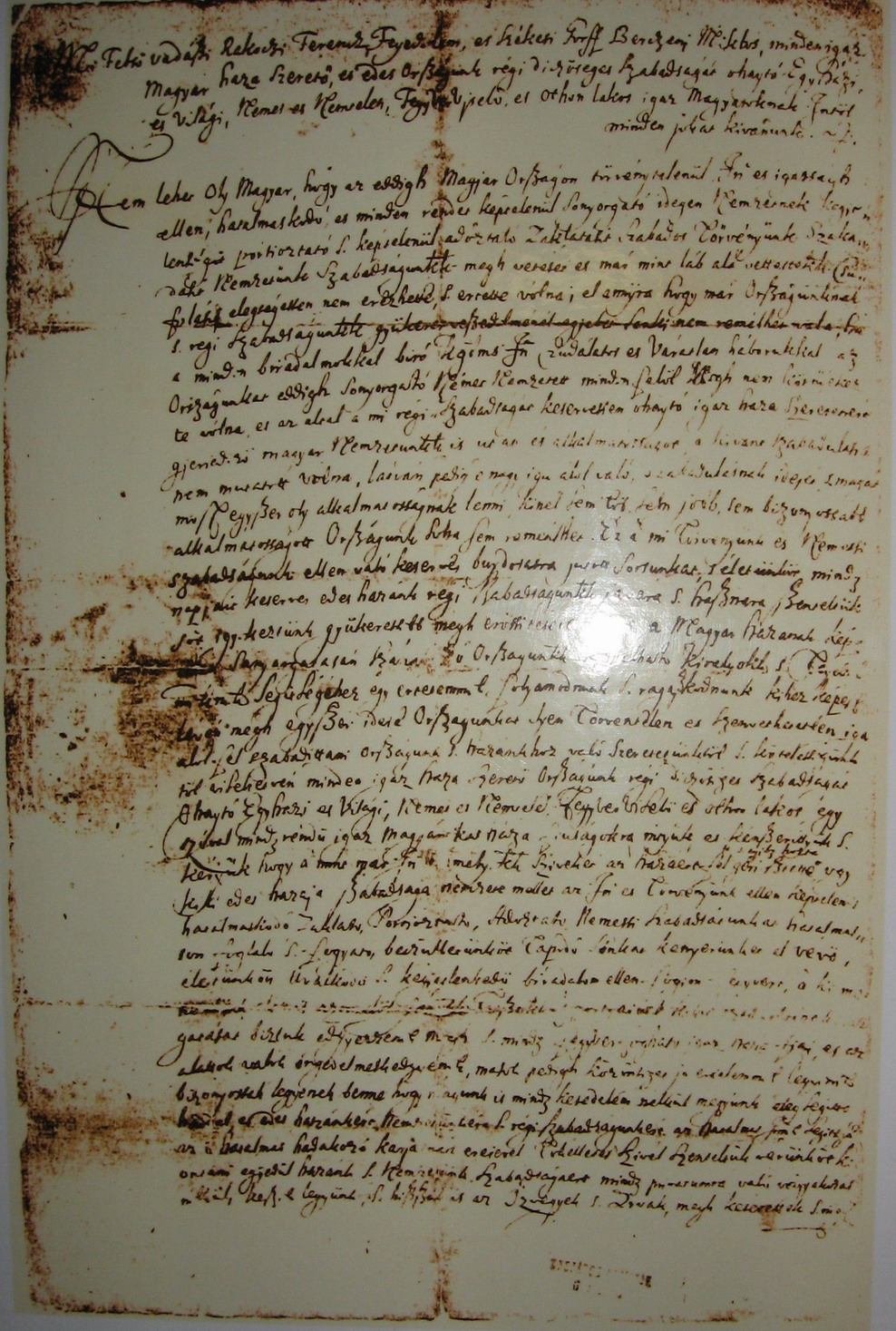 Document
Primary source
Manifesto of Berezhany
Francis II Rákóczi · 1703
 Painting
Primary source
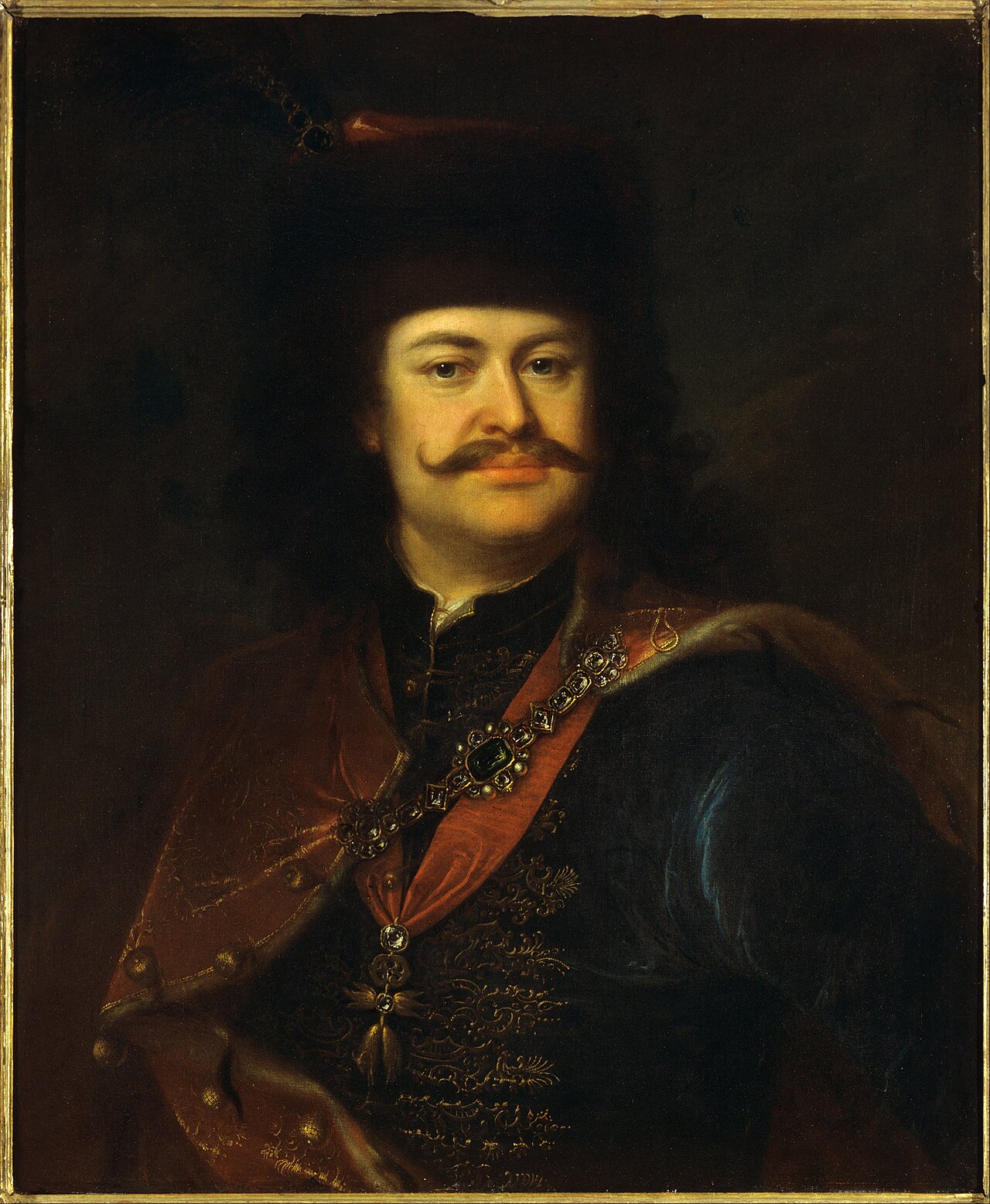
Portrait of Prince Ferenc Rákóczi II
Ádám Mányoki · 1712
 Book
Primary source
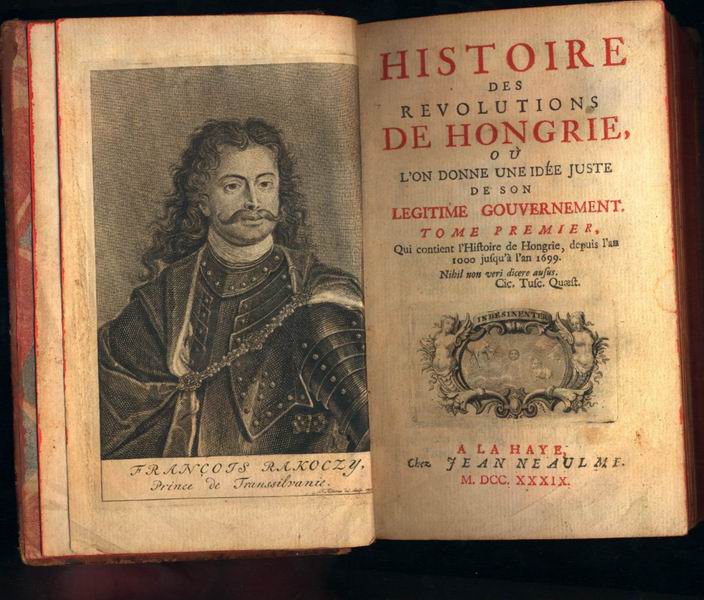
Histoire des Révolutions de Hongrie
Francis II Rákóczi · 1739
 Book
Primary source
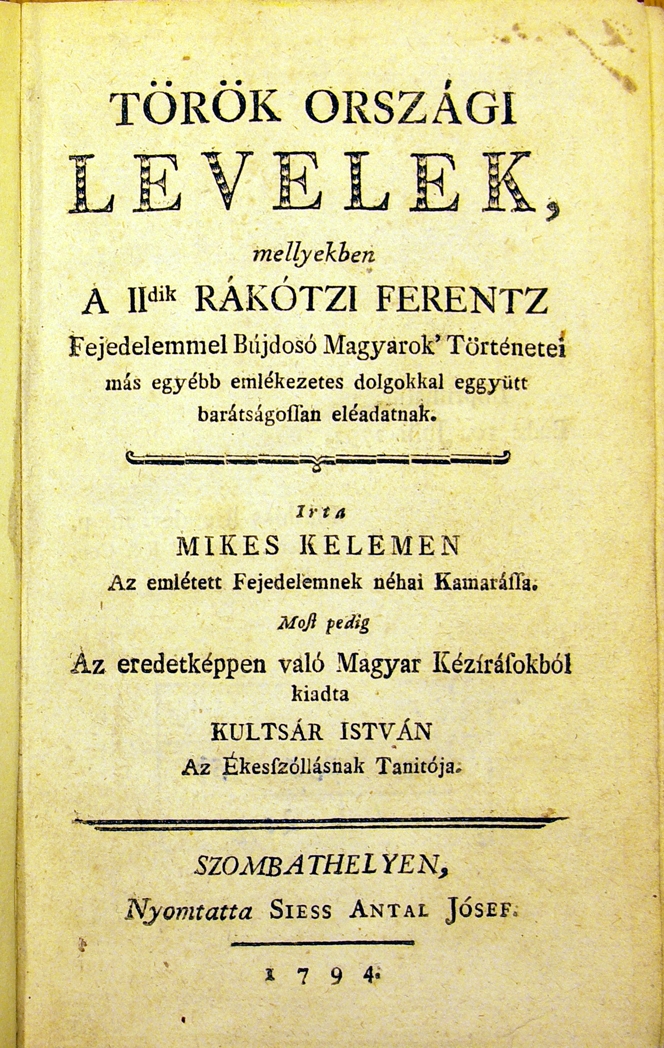
Törökországi levelek
Kelemen Mikes · 1794 edition
Free account
Browse every Francis II Rákóczi source
Sign up free →
Ready when you are
Start chatting with Francis II Rákóczi now.
20 messages free · No credit card · Available in 50+ languages.