


Primary sourceDocument21 January 1613
Treaty of Knäred
21 January 1613
The 1613 treaty ending the Kalmar War between Sweden and Denmark-Norway, an early diplomatic episode in Oxenstierna's career as chancellor.
This treaty, concluded early in Oxenstierna's chancellorship, shaped his later hostility toward Denmark.
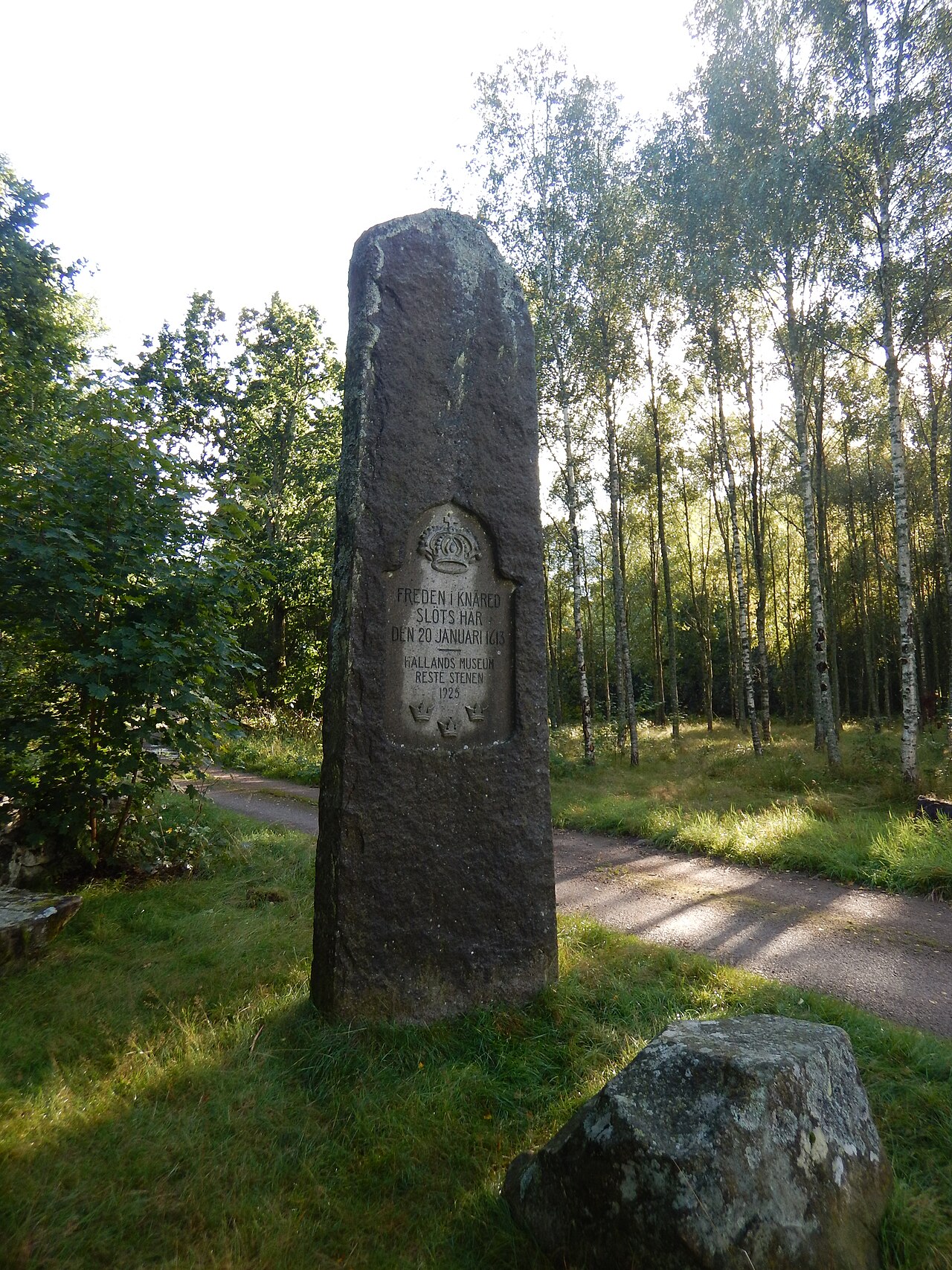
About this source
What it is
The Treaty of Knäred was signed on 21 January 1613 at a border bridge near the village of Knäred, ending the Kalmar War between Denmark-Norway and Sweden. The peace was negotiated with English help and guaranteed by King James I and VI. A memorial stone marking the site was erected in 1925.
Why it matters
Under the treaty, each side returned the territory it had conquered, but Sweden had to pay a huge ransom, the Älvsborg Ransom, to get back the fortress of Älvsborg. This harsh settlement, concluded early in Axel Oxenstierna's time as chancellor, left a lasting resentment toward Denmark that influenced his later foreign policy.
Why it matters
Look closer
- Why would a monument to a peace treaty be placed at a border, and what might that choice tell us about the treaty's meaning?
- What does it reveal that foreign kings had to guarantee the peace between Denmark and Sweden?
- How might a costly ransom affect a country's later decisions about war and diplomacy?
This document is part of the curated material that grounds the AI version of Axel Oxenstierna and Gustavus Adolphus on Humy.ai — when students ask about related events, the AI can quote it and cite it.
More Axel Oxenstierna sources
Browse all 91 →Primary source
Instrument of Government
Axel Oxenstierna · 29 July 1634
 Document
Primary source
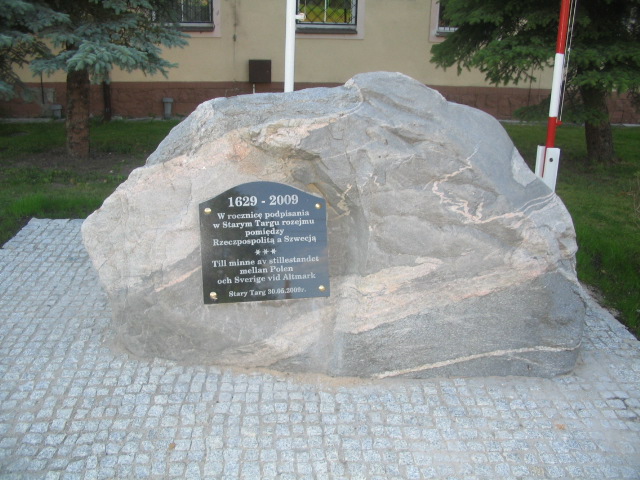
Truce of Altmark
26 September 1629
 Painting
Primary source
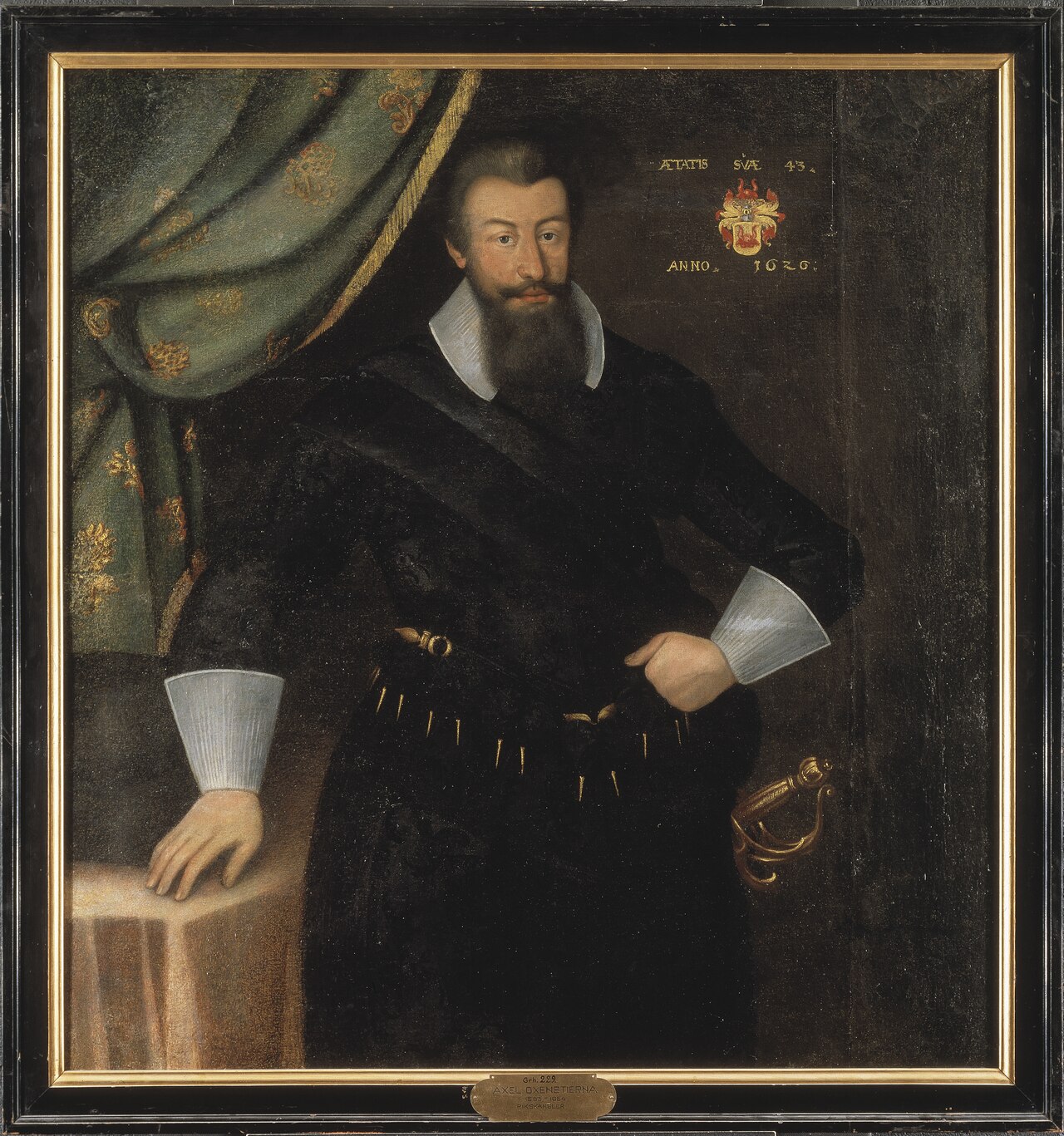
Axel Oxenstierna
Jacob Heinrich Elbfas · 1626
 Painting
Primary source
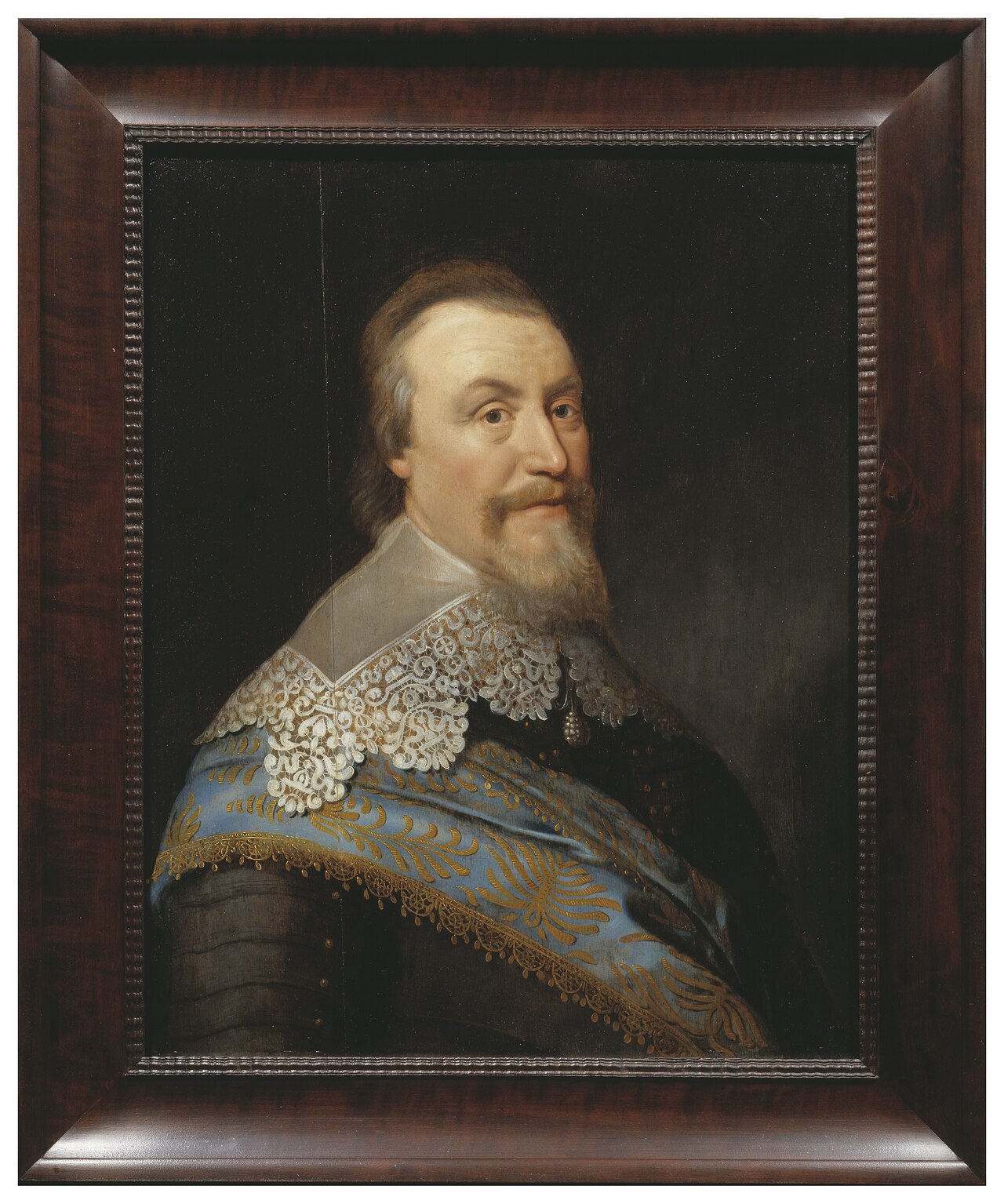
Axel Oxenstierna af Södermöre
Workshop of Michiel Jansz. van Mierevelt · mid-1630s
Free account
Read every Axel Oxenstierna source
Sign up free →
Ready when you are
Start chatting with Axel Oxenstierna now.
20 messages free · No credit card · Available in 50+ languages.