


Primary sourceDocument1200
Treaty of Le Goulet
1200
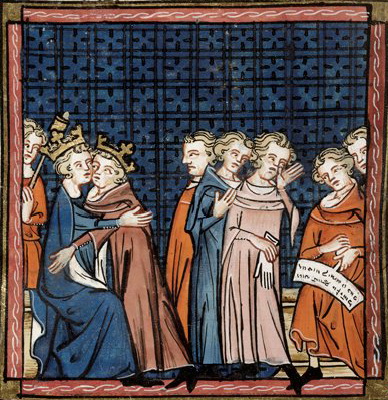
The 1200 peace treaty in which Philip II of France recognised John as King of England and heir to Richard I, in exchange for territory and money.
John personally signed this treaty, which recognised his kingship but bound him as Philip II's vassal for his French lands.
About this source
What it is
The Treaty of Le Goulet was signed in May 1200 by King John of England and King Philip II of France. It ended a succession war and settled, for a time, disputes over the Angevin lands in France. It was signed at Le Goulet, an island on the Seine near Vernon in Normandy.
Why it matters
The treaty recognised John as rightful king but also forced him to accept Philip as his overlord for his French territories, and to give up land and pay a large sum in relief. This feudal dependence set the stage for Philip's later invasion of Normandy in 1202, which stripped John of his continental lands and reshaped the power balance between England and France.
Look closer
- Why might an illustration show the two kings embracing with a kiss, even though their relationship was really one of rivalry?
- What does John's willingness to give up land and pay money suggest about his position in 1200?
- Why would recognising Philip as overlord later cause problems for John?
This document is part of the curated material that grounds the AI version of John, King of England on Humy.ai — when students ask about related events, the AI can quote it and cite it.
More John, King of England sources
Browse all 85 →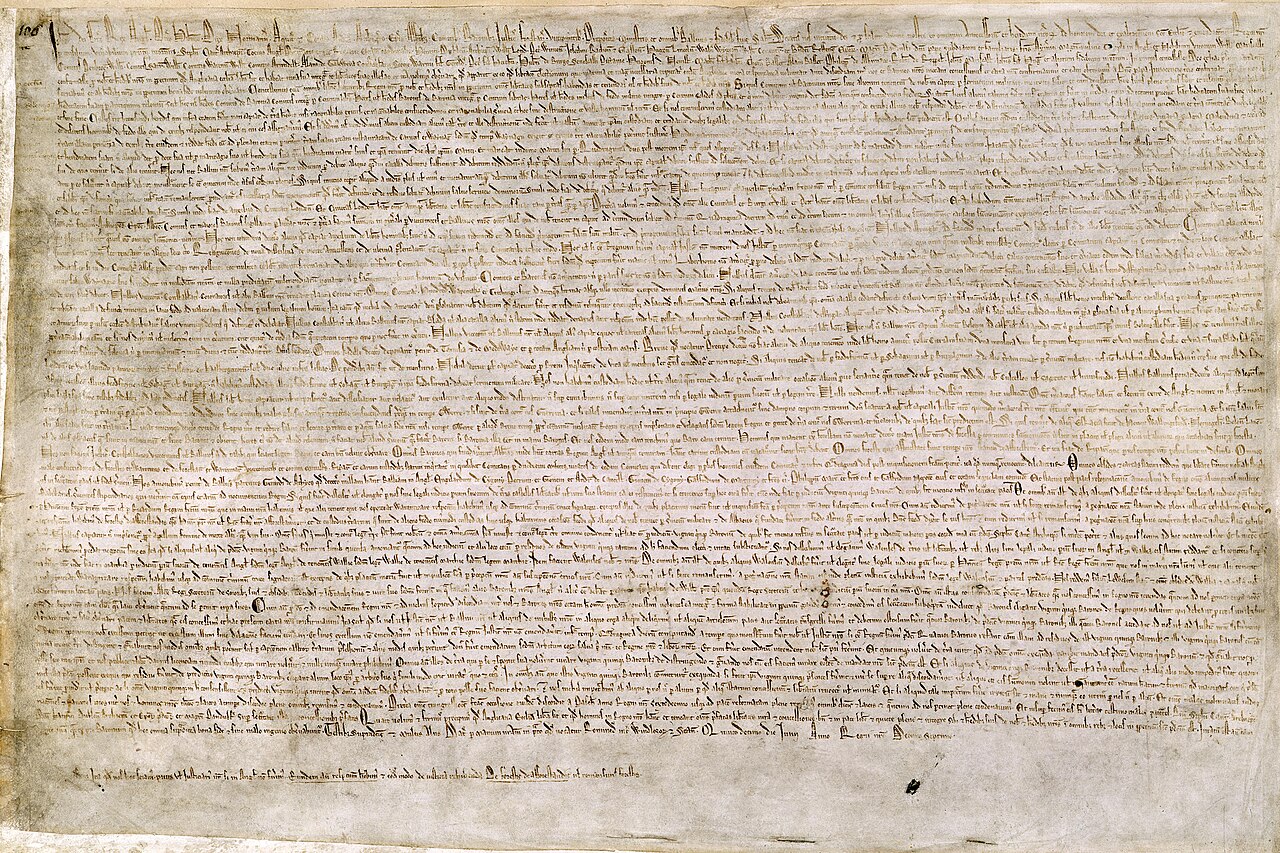 Document
Primary source
Magna Carta
1215; reissued 1216 and 1225
 Document
Primary source
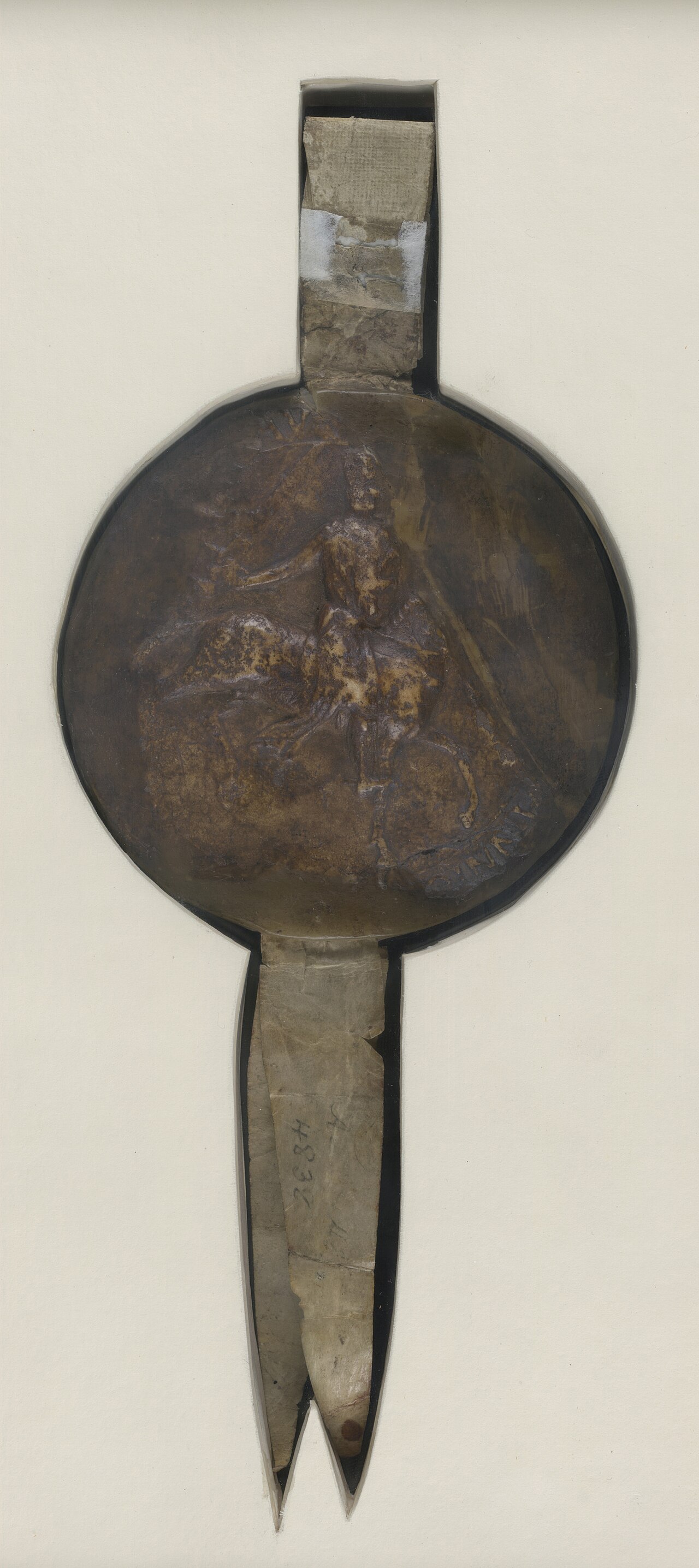
Articles of the Barons
1215
 Sculpture
Secondary source
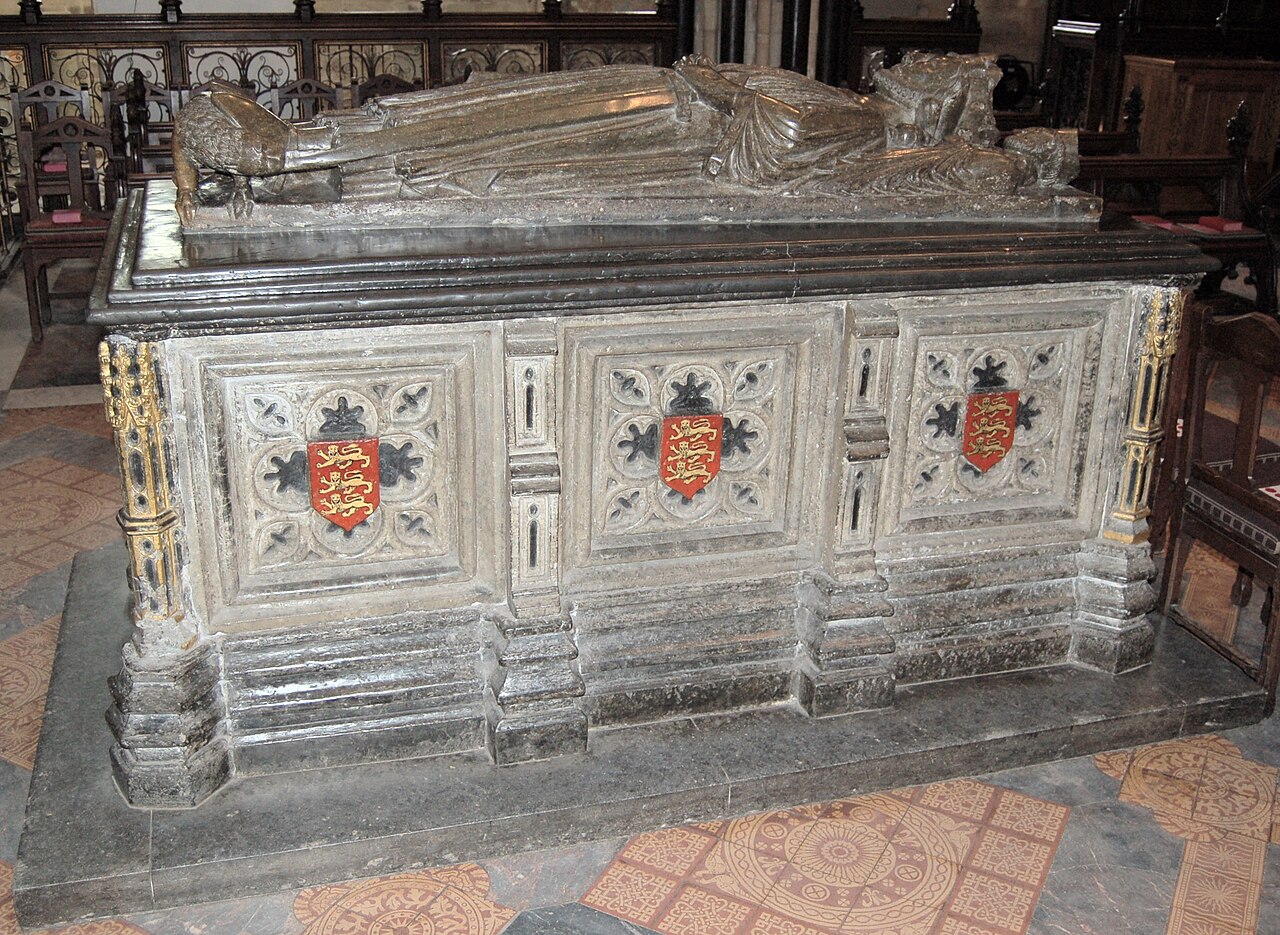
Grave of John, King of England
 Book
Primary source
Chronica Majora
Matthew Paris · 13th century, to 1259
Free account
Read every John, King of England source
Sign up free →
Ready when you are
Start chatting with John, King of England now.
20 messages free · No credit card · Available in 50+ languages.