


Primary sourceDocument19 April 1839
Treaty of London (1839)
19 April 1839
The international treaty that secured Belgium's independence and neutrality, guaranteeing the kingdom Leopold had founded.
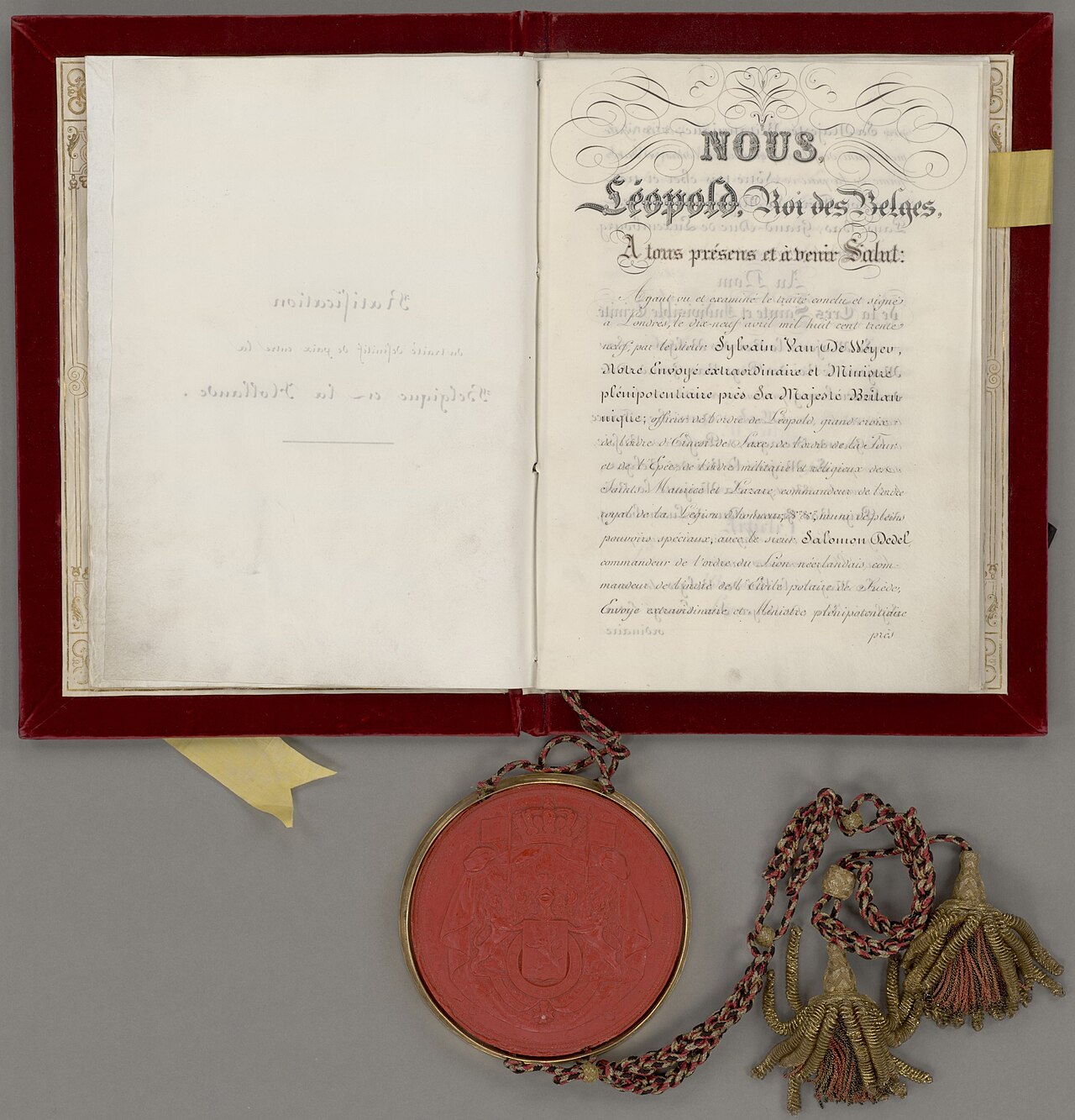
As King of the Belgians, Leopold signed and sealed this treaty securing his kingdom's independence and neutrality.
Free Humy account · No credit card · 120,912 sources to read
About this source
What it is
Signed on 19 April 1839 between the major European powers, the Netherlands, and Belgium, this treaty confirmed Belgium's independence following the Belgian Revolution and the earlier 1831 Treaty of the Eighteen Articles. It required Belgium to remain permanently neutral and settled territorial disputes, including the partition of Luxembourg. The pictured copy is a sealed document headed 'Nous Léopold, Roi des Belges'.
Why it matters
This treaty made Leopold's kingdom secure after years of conflict with the Netherlands, with the great powers of Europe pledging to guarantee its independence and neutrality. It later became hugely significant: in 1914 Britain cited this treaty as its legal reason to oppose Germany's invasion of Belgium, famously calling it a 'scrap of paper' worth defending.
Look closer
- Why would several powerful countries agree to guarantee the independence of a small new state?
- What does the formal, sealed appearance of this document tell you about its importance?
- How did a promise made in 1839 affect events more than 70 years later in 1914?
This document is part of the curated material that grounds the AI version of Leopold I of Belgium and Albert I of Belgium on Humy.ai — when students ask about related events, the AI can quote it and cite it.
More Leopold I of Belgium sources
Browse all 99 →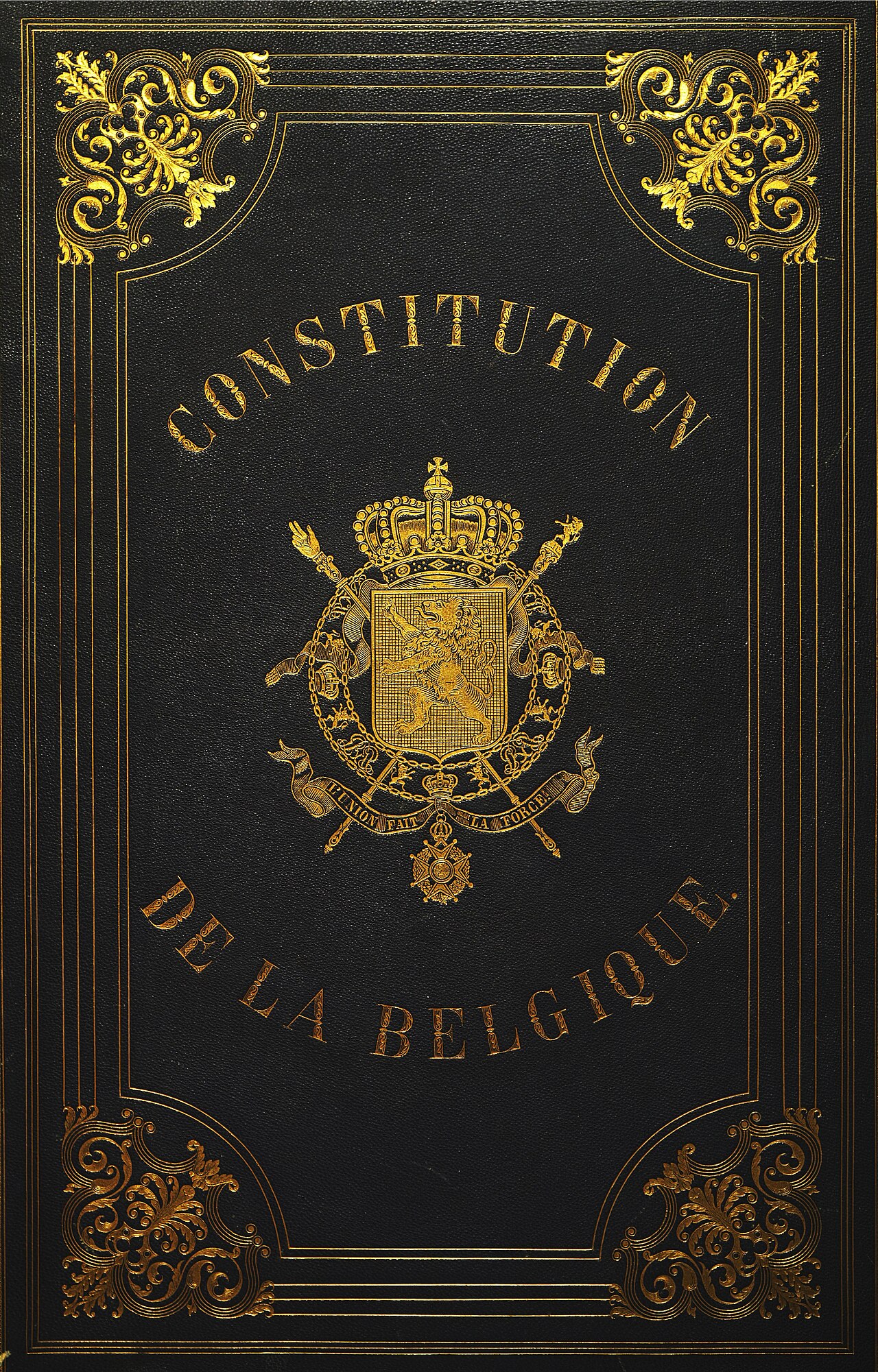 Document
Primary source
Constitution of Belgium
National Congress of Belgium · 1831
 Artifact
Primary source
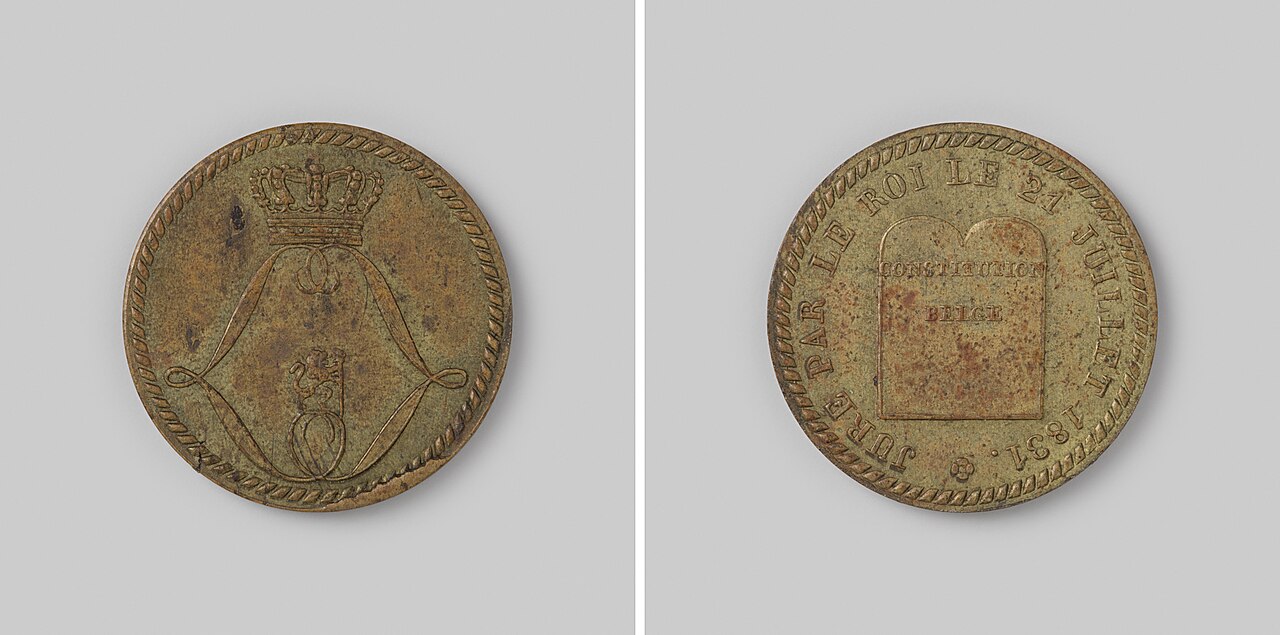
Eed van Leopold van Saksen-Coburg op de constitutie
Adrien Hippolyte Veyrat · 1831
 Letter
Primary source
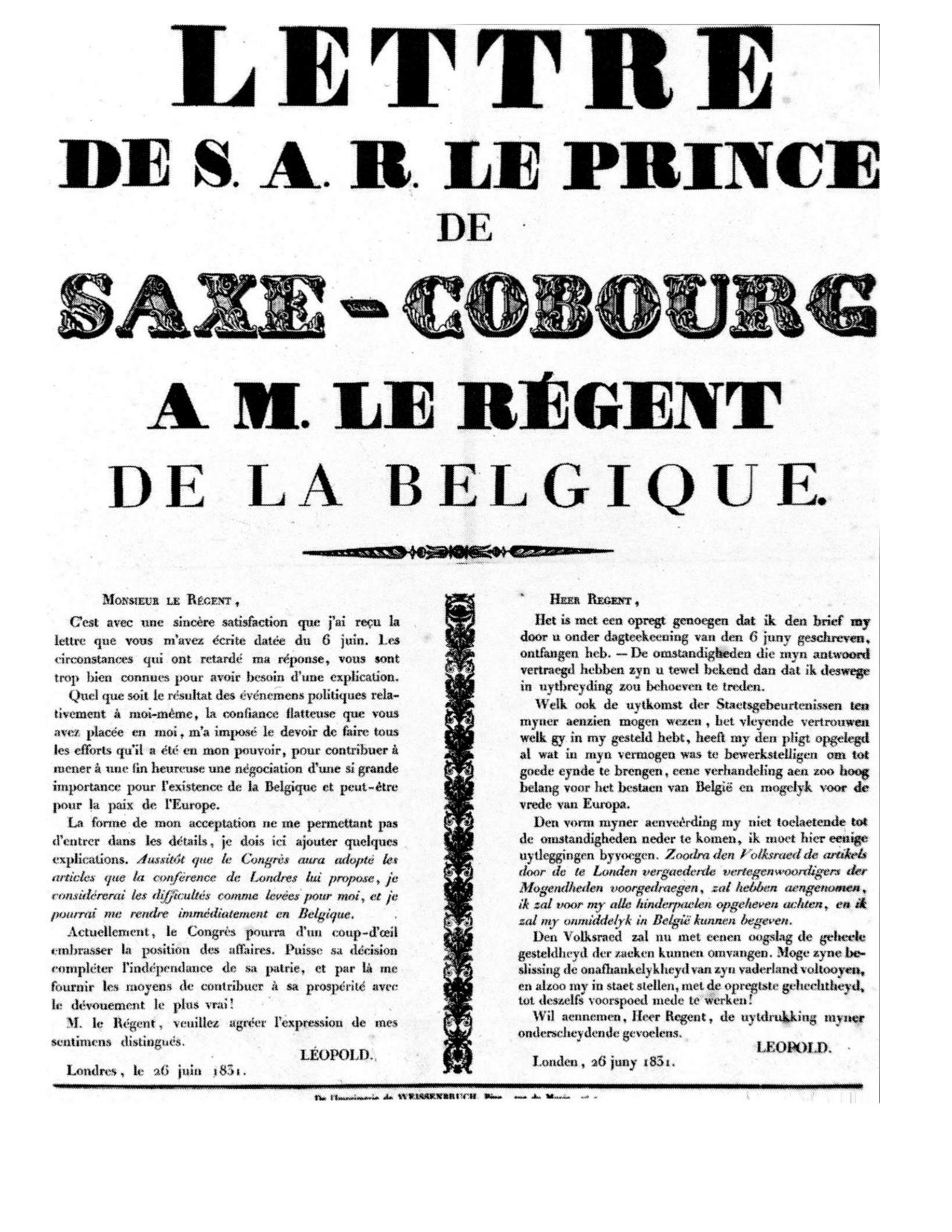
Letter to the Regent of Belgium Announcing His Acceptance of the Throne
Leopold of Saxe-Coburg (later Leopold I of Belgium) · 26 June 1831
 Letter
Primary source
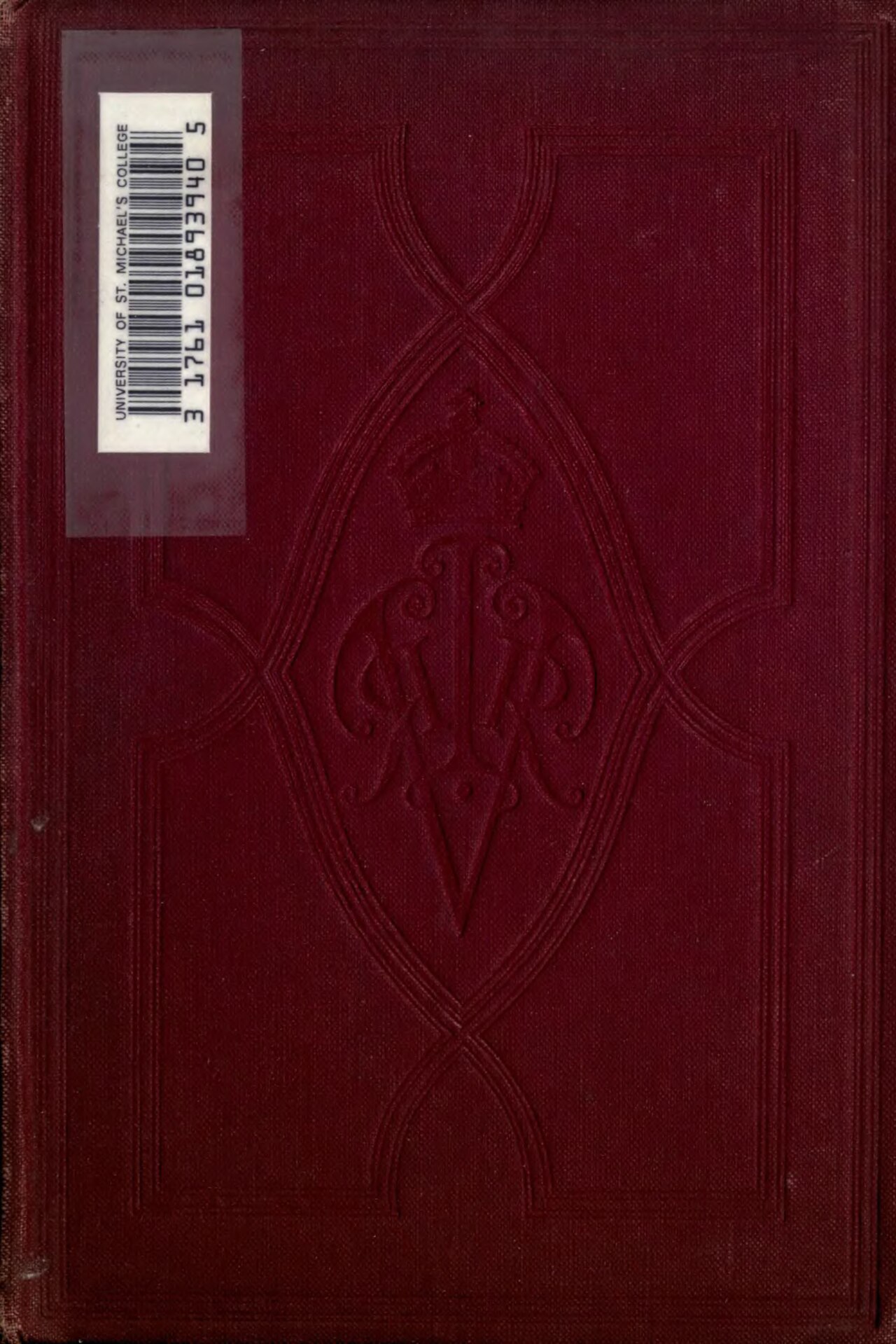
The Letters of Queen Victoria
Leopold I and Queen Victoria · 1837-1861 (published 1908)
Free account
Read every Leopold I of Belgium source
Sign up free →
Ready when you are
Start chatting with Leopold I of Belgium now.
20 messages free · No credit card · Available in 50+ languages.