


Primary sourceDocument30 May 1814
Treaty of Paris (1814)
30 May 1814
The 1814 peace treaty ending the war between Napoleonic France and the allied coalition, including Alexander I's Russia.
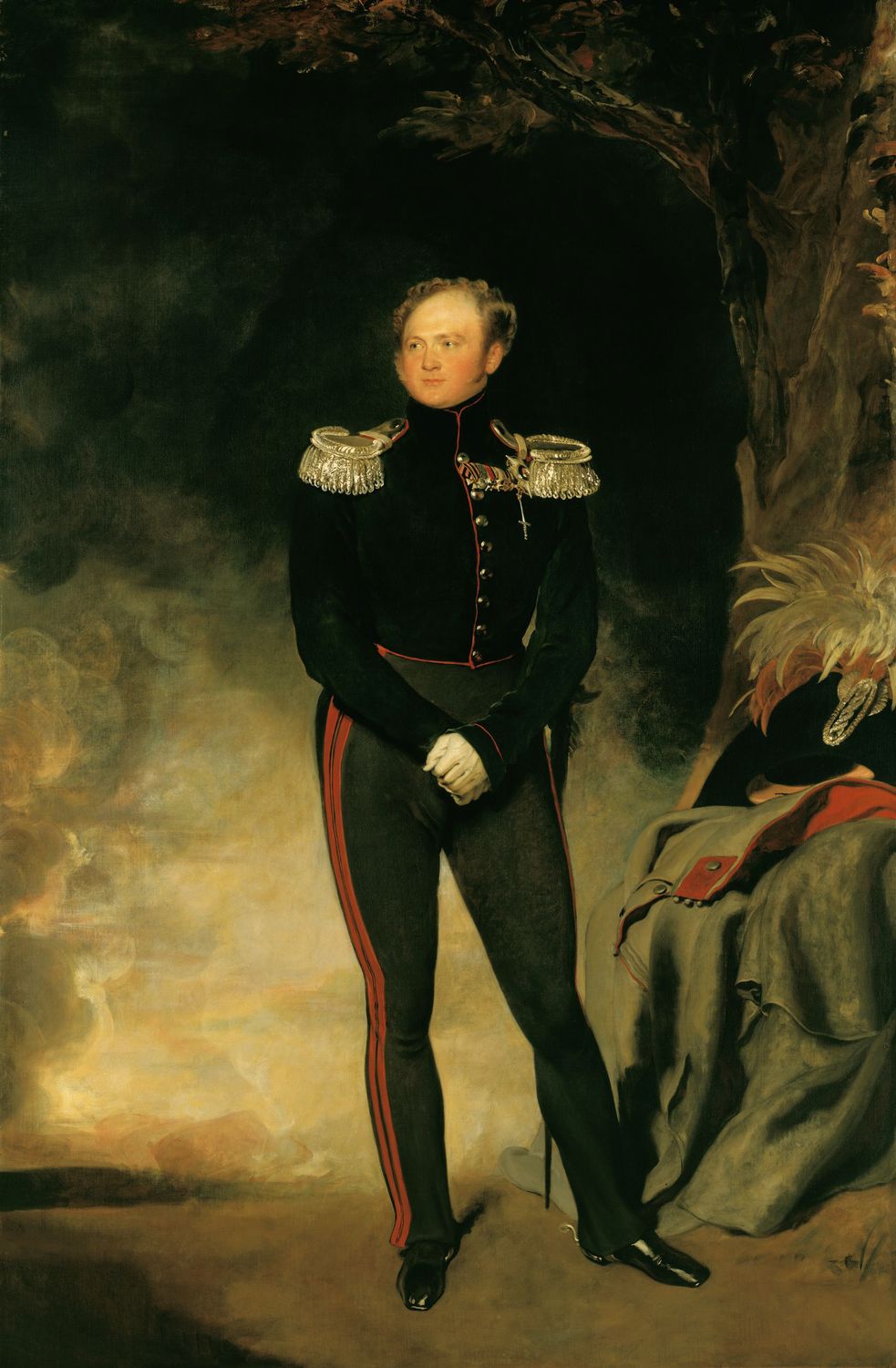
Alexander I, whose troops entered Paris, shaped the relatively lenient terms Russia agreed to in this treaty.
Free Humy account · No credit card · 120,912 sources to read
About this source
What it is
Signed on 30 May 1814, this treaty ended the war between France and the Sixth Coalition following Napoleon's abdication. It was negotiated between Talleyrand for the restored Bourbon king Louis XVIII and representatives of Britain, Russia, Austria and Prussia, including Counts Razumovsky and Nesselrode for Alexander I's Russia.
Why it matters
The treaty restored France's 1792 borders and set the stage for the Congress of Vienna, which redrew Europe's map. Alexander, whose armies had entered Paris, supported relatively moderate terms for defeated France, avoiding harsh punishment and helping reinstate the Bourbon monarchy.
Look closer
- Why might the victors have chosen lenient terms rather than punishing France harshly?
- What does the list of signatories tell you about which powers held influence in 1814 Europe?
- What issues, like slavery and the slave trade, does the treaty only partly address?
This document is part of the curated material that grounds the AI version of Tsar Alexander I, Francis II, Holy Roman Emperor, Charles-Maurice de Talleyrand-Périgord and Louis XVIII on Humy.ai — when students ask about related events, the AI can quote it and cite it.
More Tsar Alexander I sources
Browse all 89 →Primary source
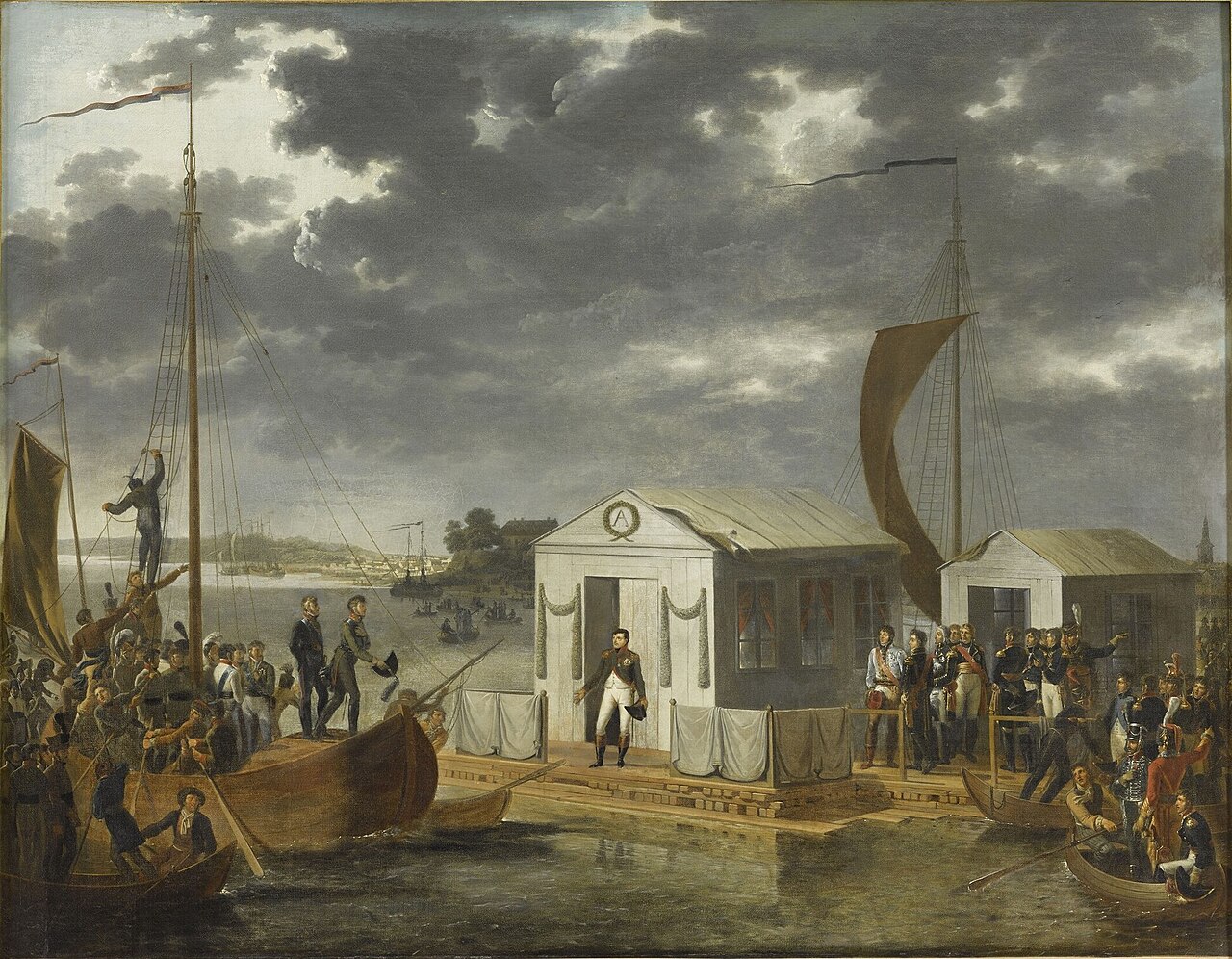
Treaties of Tilsit
7-9 July 1807
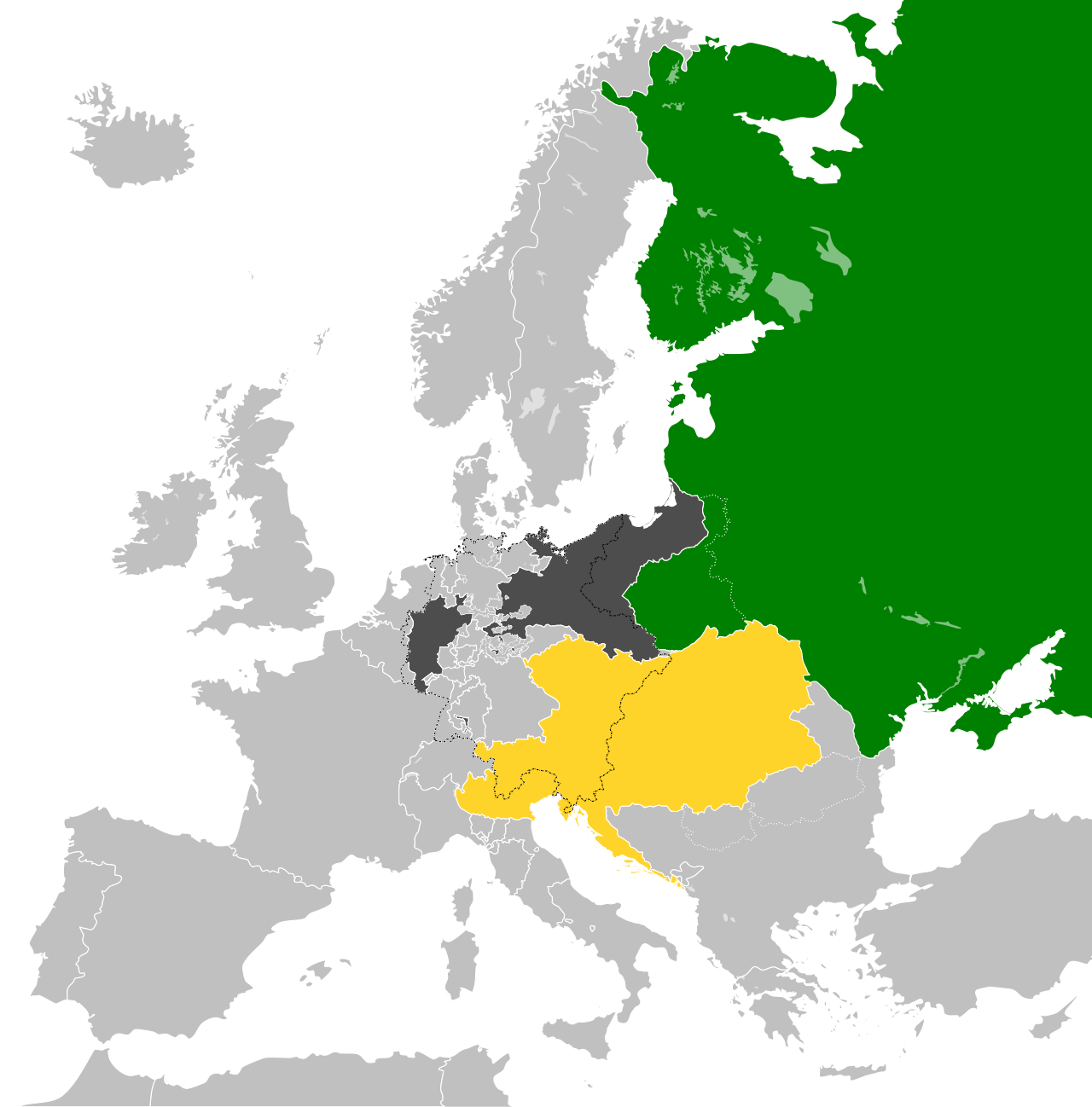 Document
Primary source
Holy Alliance
Alexander I of Russia · 26 September 1815
 Document
Primary source
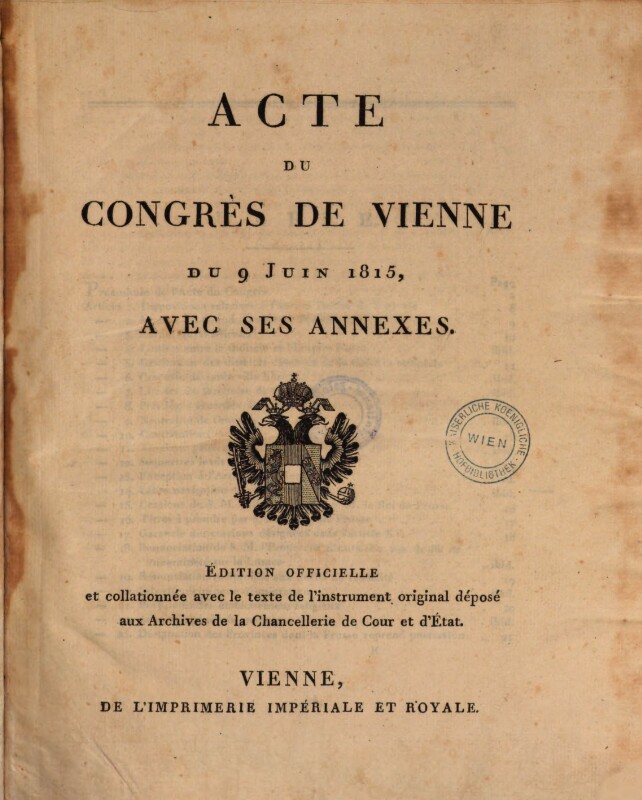
Final Act of the Congress of Vienna
9 June 1815
 Letter
Primary source
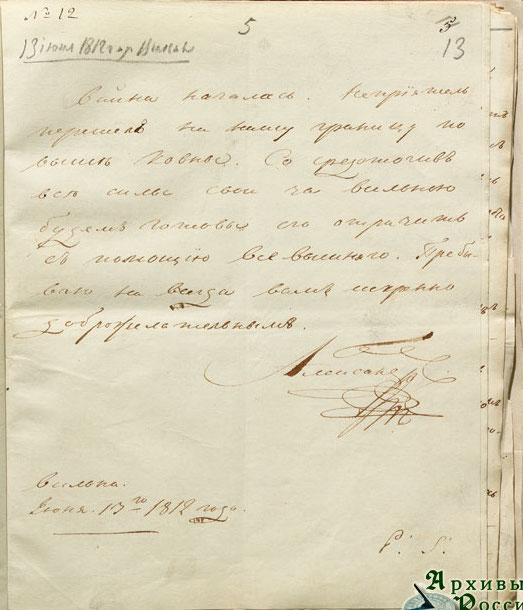
Alexander I's letter to N.I. Saltykov
Alexander I of Russia · 13 June 1812
Free account
Read every Tsar Alexander I source
Sign up free →
Ready when you are
Start chatting with Tsar Alexander I now.
20 messages free · No credit card · Available in 50+ languages.