


Primary sourceDocument29 August 1825
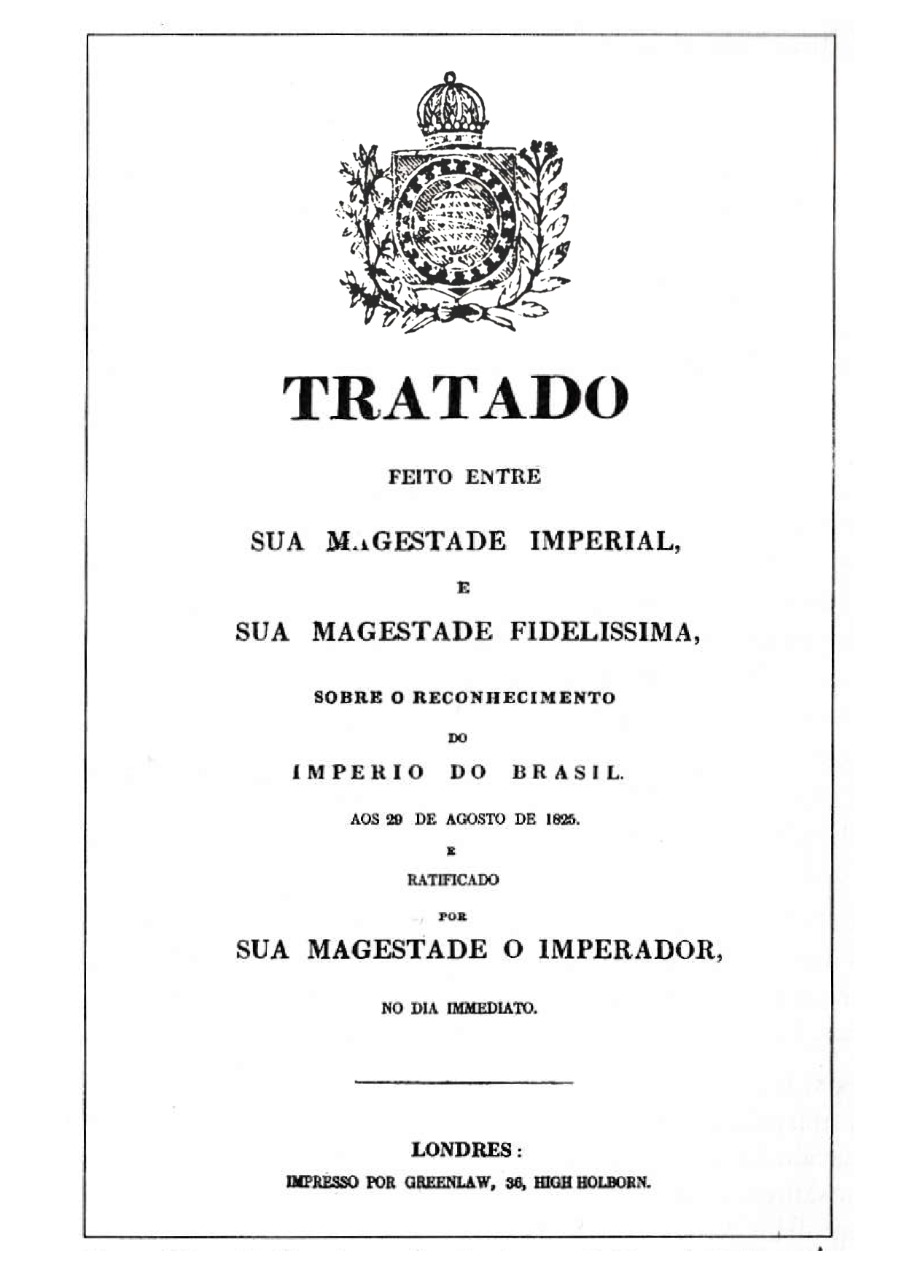
Treaty of Rio de Janeiro
29 August 1825
The 1825 treaty by which John VI recognised Brazil's independence under his son Pedro, while keeping the title of emperor for himself.
John VI, as King of Portugal, signed and ratified this treaty recognising his son Pedro as Emperor of independent Brazil.
Free Humy account · No credit card · 120,912 sources to read
About this source
What it is
Signed on 29 August 1825 in Rio de Janeiro, this treaty between the Kingdom of Portugal and the newly formed Empire of Brazil formally ended the Brazilian War of Independence. It was mediated by the British government. John VI ratified it as King of Portugal; his son Pedro ratified it as Emperor of Brazil.
Why it matters
Through this treaty, John VI accepted the loss of Brazil as a Portuguese possession while his son became its emperor, and he himself kept only the honorary title of emperor. Brazil agreed to pay compensation and the treaty settled property and trade disputes between the two states. It shows how European and American political fortunes, and Britain's influence, were entangled in the breakup of the Portuguese empire.
Look closer
- Why might a father agree to give up sovereignty over Brazil to his own son?
- What does Britain's role as mediator tell you about international power at the time?
- What parts of ordinary people's lives does a treaty like this not mention at all?
This document is part of the curated material that grounds the AI version of John VI of Portugal on Humy.ai — when students ask about related events, the AI can quote it and cite it.
More John VI of Portugal sources
Browse all 98 →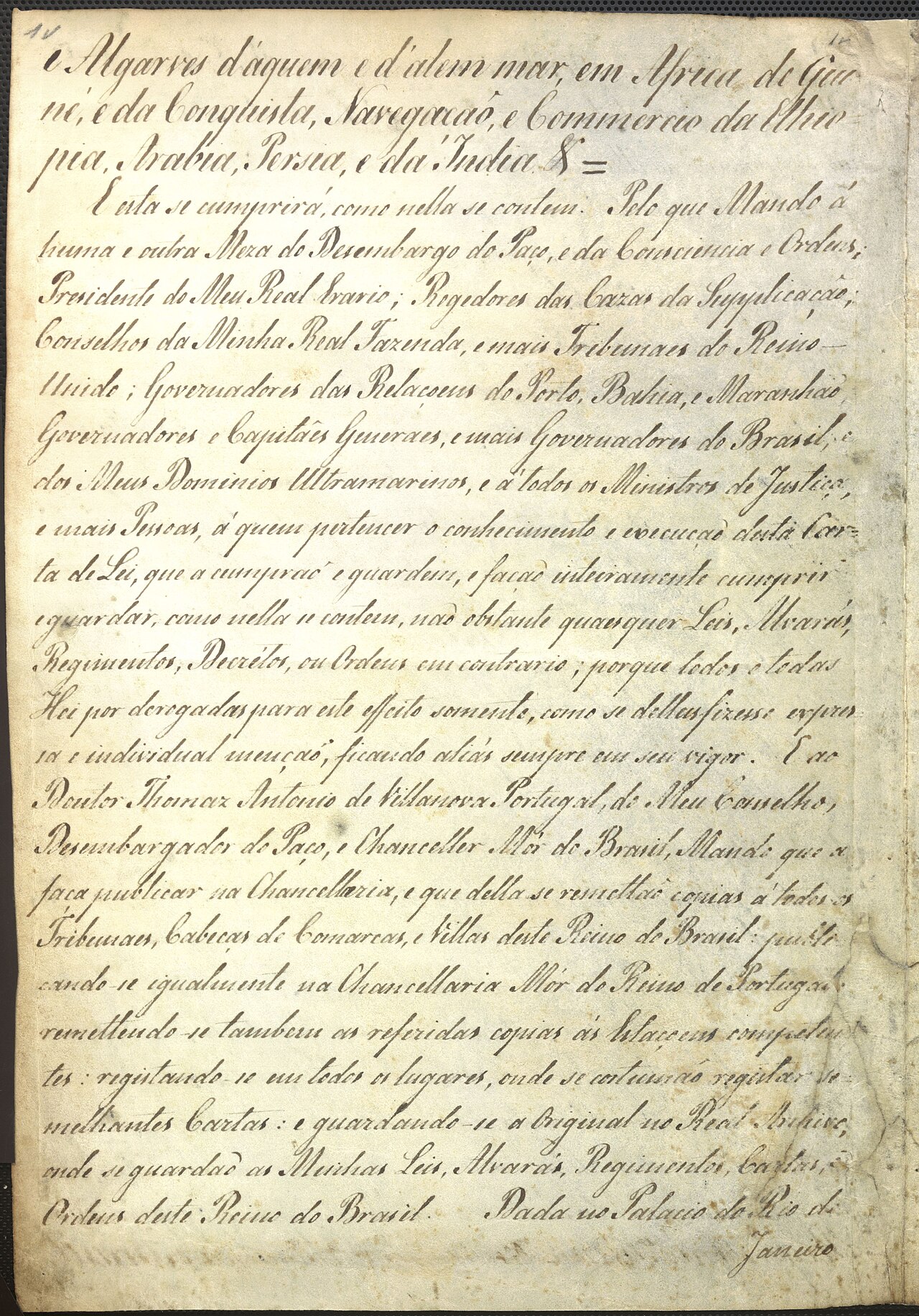 Document
Primary source
Carta de Lei de 16 de Dezembro de 1815
16 December 1815
 Painting
Secondary source
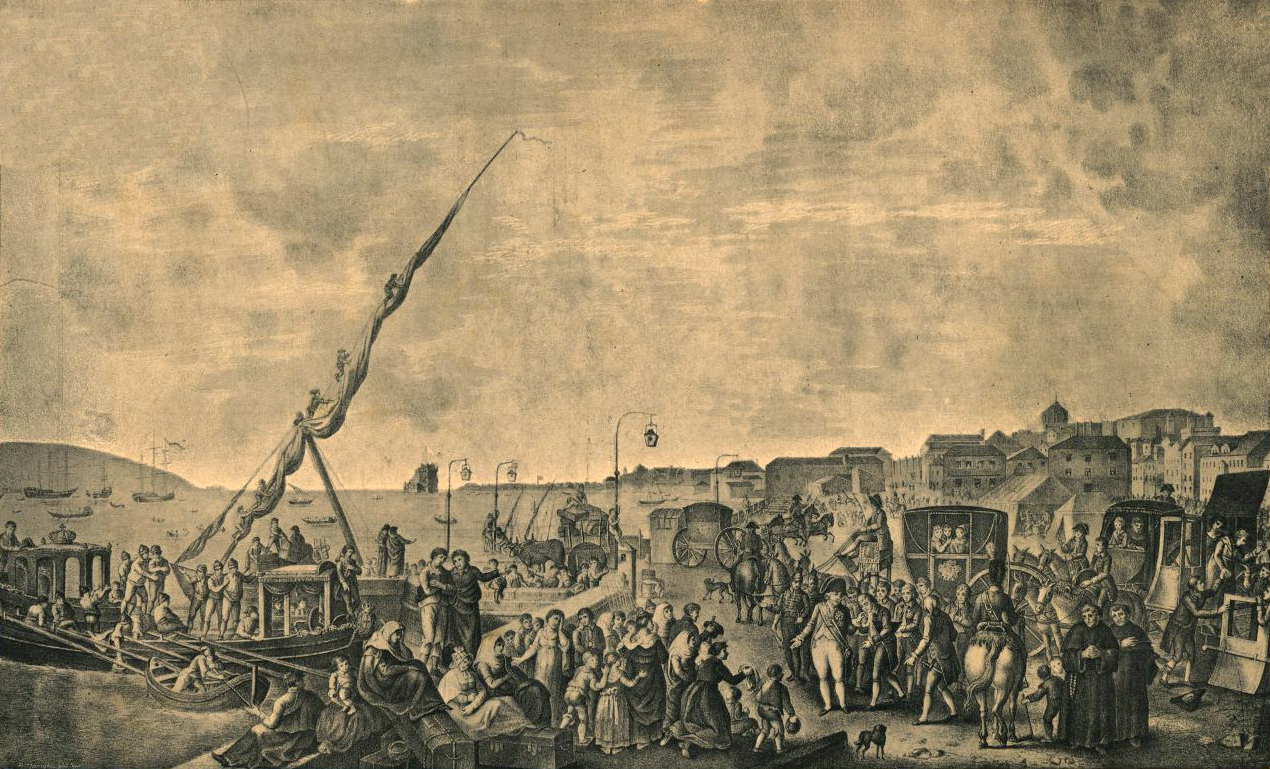
Príncipe Regente de Portugal e toda a Família Real embarcando para Brasil no cais de Belém
Henri L'Evêque · after 1807
 Painting
Primary source
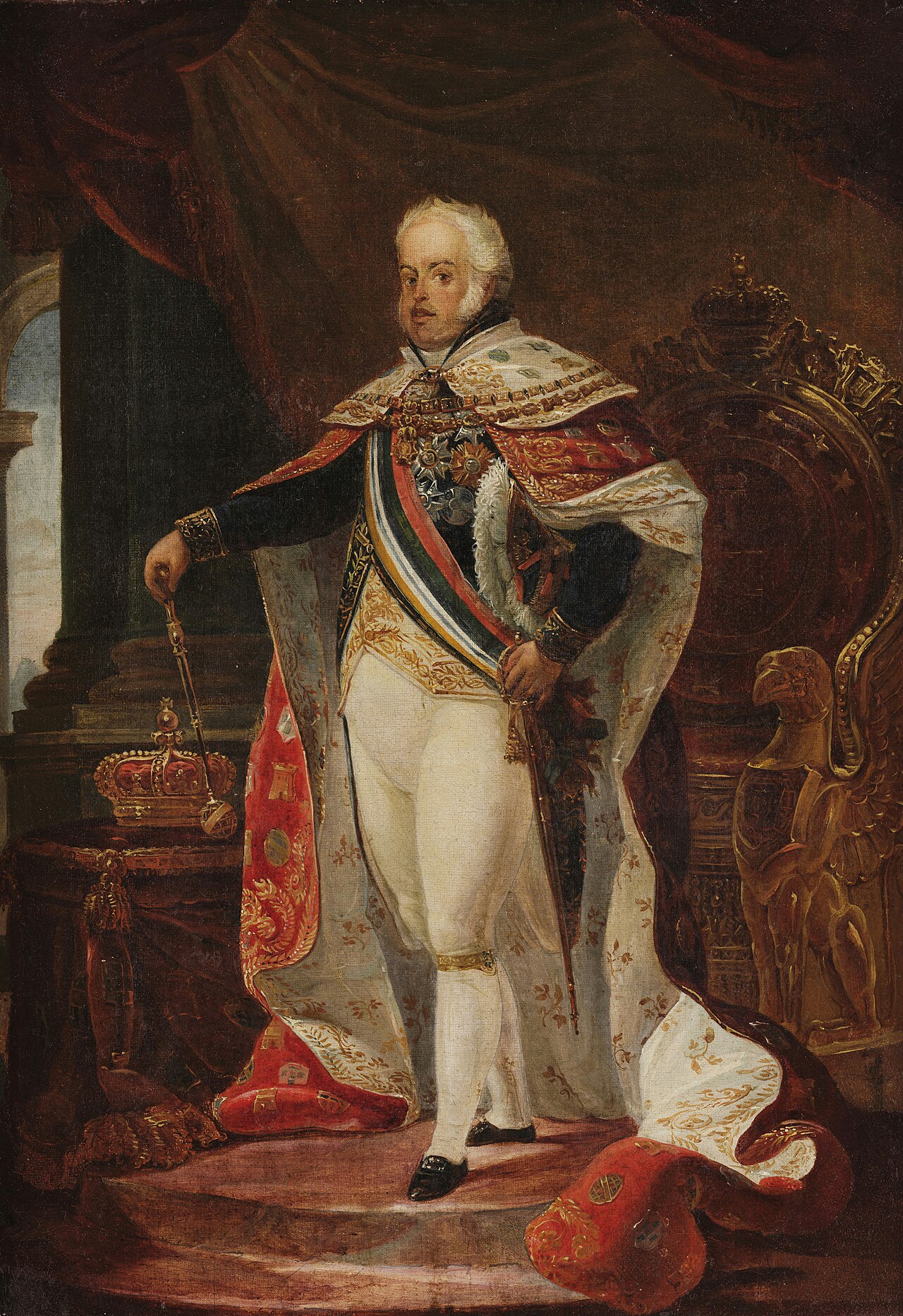
Portrait of Dom João VI by Jean-Baptiste Debret
Jean-Baptiste Debret · c. 1817
 Painting
Primary source
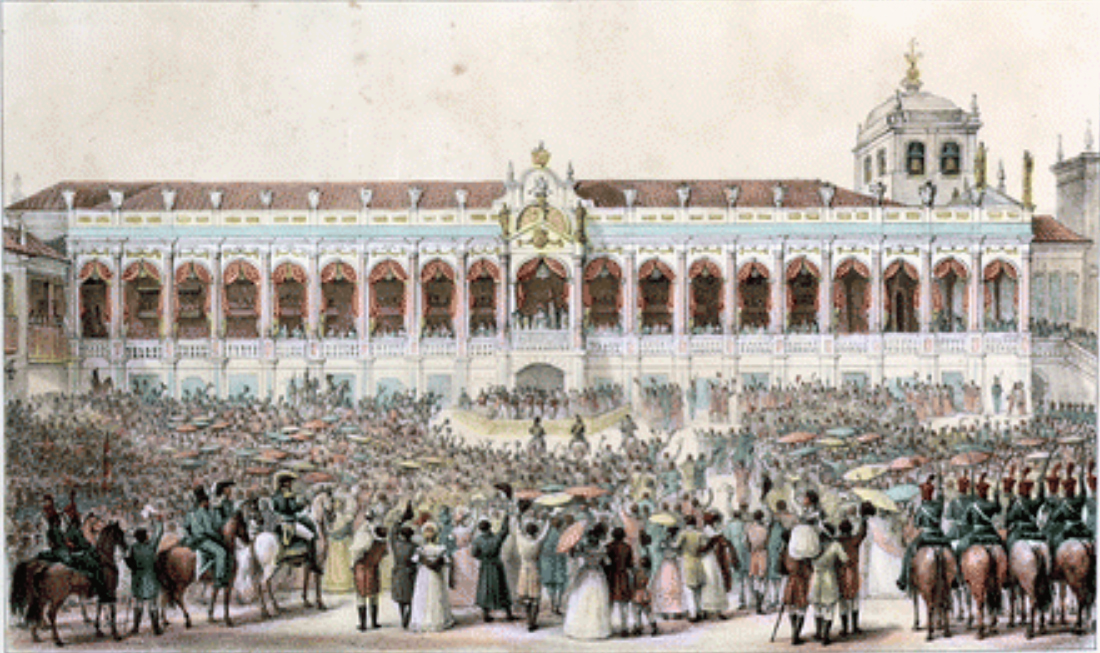
Vista exterior da galeria de aclamação de D. João VI
Jean-Baptiste Debret · 1818
Free account
Read every John VI of Portugal source
Sign up free →
Ready when you are
Start chatting with John VI of Portugal now.
20 messages free · No credit card · Available in 50+ languages.