


Primary sourceDocument9 November 1729
Treaty of Seville
9 November 1729
A 1729 peace treaty between Britain, France and Spain under Philip V, securing Italian duchies for Elisabeth Farnese's son Charles.
Signed under Philip V, reflecting his dynastic Italian policy driven by his wife Elisabeth Farnese.
Free Humy account · No credit card · 120,912 sources to read
About this source
What it is
The Treaty of Seville was signed on 9 November 1729 by Britain, France and Spain, ending the Anglo-Spanish War of 1727-1729. Philip V signed as King of Spain, and the Dutch Republic joined later that month.
Why it matters
The treaty secured the Italian duchies of Parma and Tuscany for Charles, son of Philip's second wife Elisabeth Farnese, showing how dynastic ambitions for her children shaped Spanish foreign policy in Philip's later reign. It did not resolve deeper tensions, which later led to further wars.
Look closer
- Why might a king's second wife have so much influence over foreign policy?
- What does this treaty suggest about how European rulers used marriage and inheritance for power?
- What problems were left unresolved by this agreement?
This document is part of the curated material that grounds the AI version of Philip V of Spain on Humy.ai — when students ask about related events, the AI can quote it and cite it.
More Philip V of Spain sources
Browse all 93 →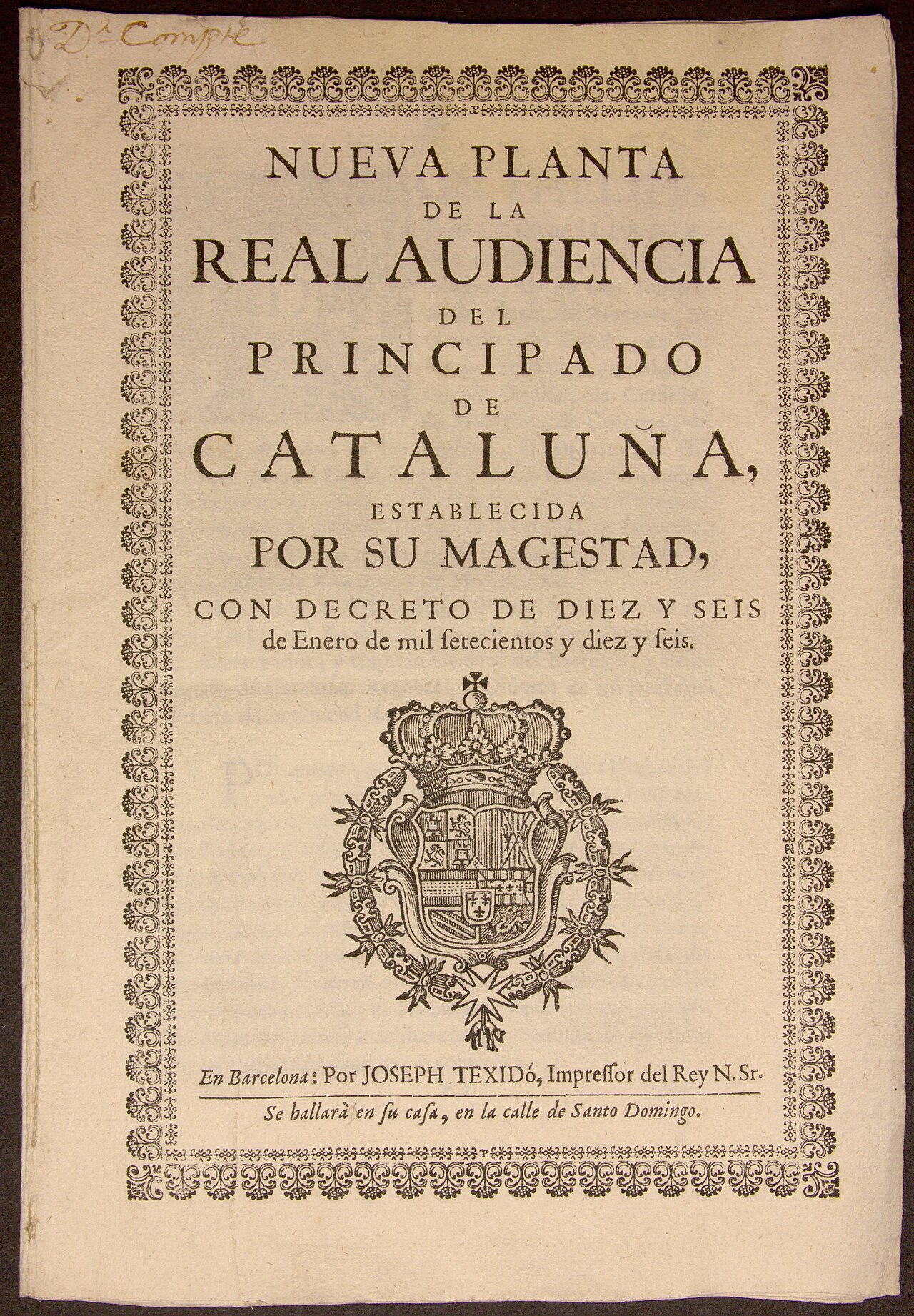 Document
Primary source
Nueva Planta Decrees
Philip V of Spain · 1707–1716
DocumentPrimary source
Nueva Planta Decree of the Principality of Catalonia
Philip V of Spain · 1716
 Document
Primary source
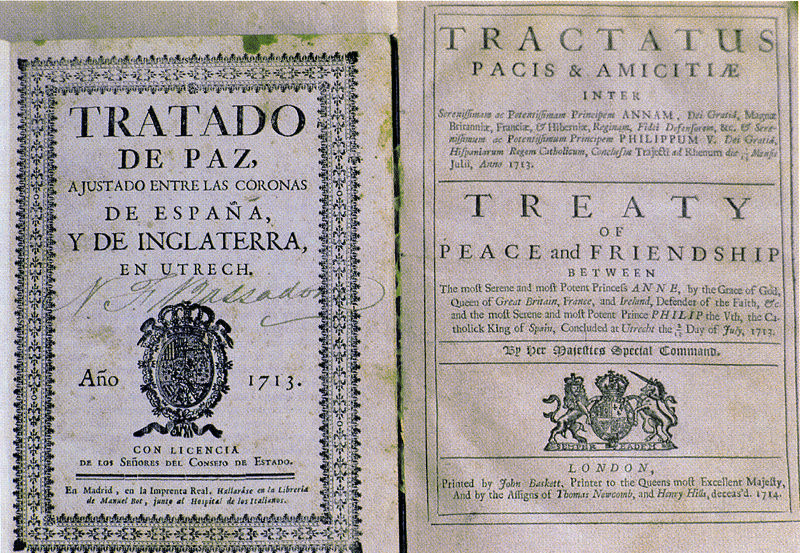
Peace of Utrecht
1713-1715
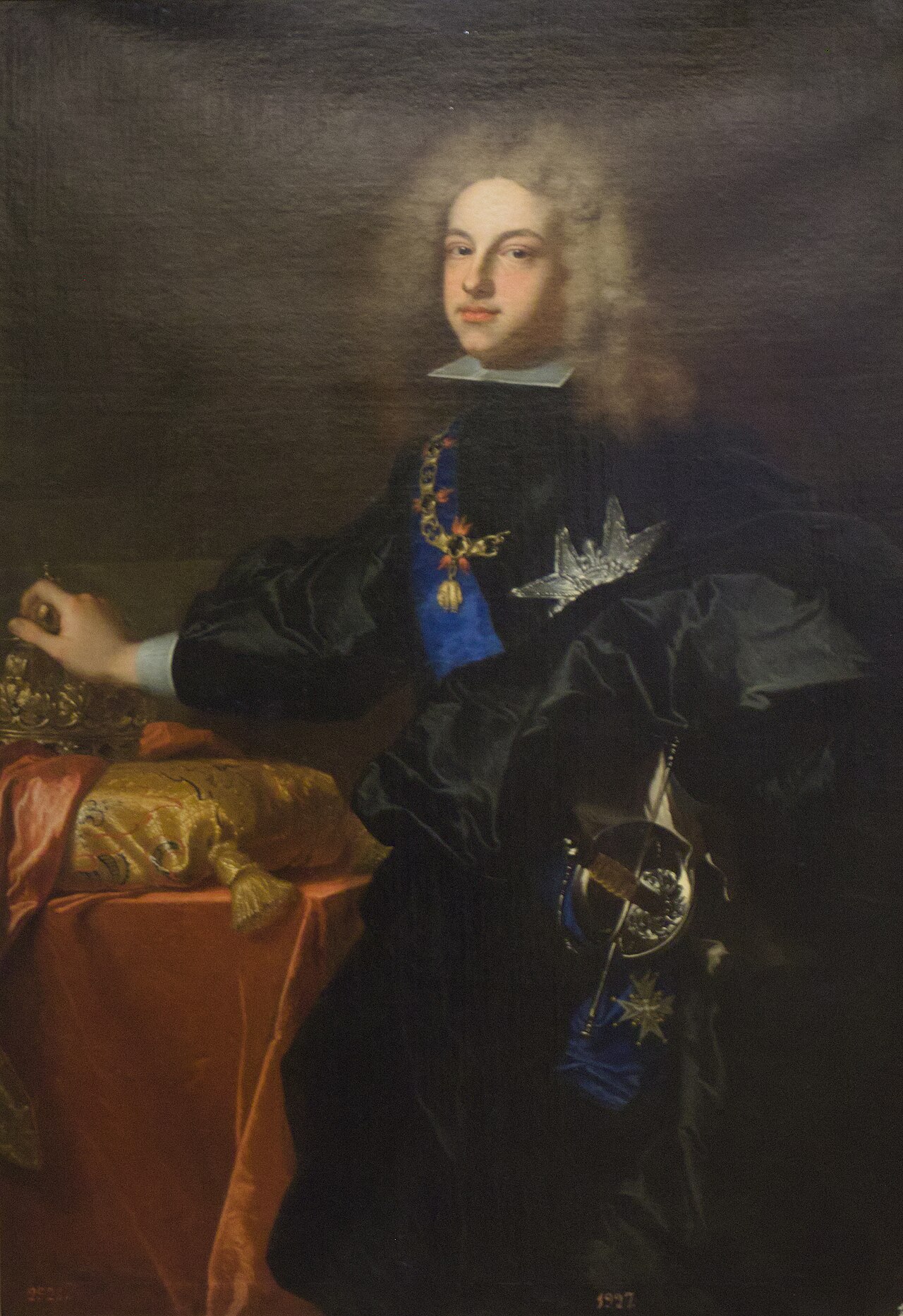 Painting
Primary source
Philip V, King of Spain
Hyacinthe Rigaud · 1701
Free account
Read every Philip V of Spain source
Sign up free →
Ready when you are
Start chatting with Philip V of Spain now.
20 messages free · No credit card · Available in 50+ languages.