


Primary sourceDocument28 June 1919
Treaty of Versailles
28 June 1919
The 1919 peace treaty ending World War I with Germany, signed by Wilson though later rejected by the U.S. Senate.
Clemenceau presided over the peace conference and signed this treaty, embodying his demands for reparations and Alsace-Lorraine's return.
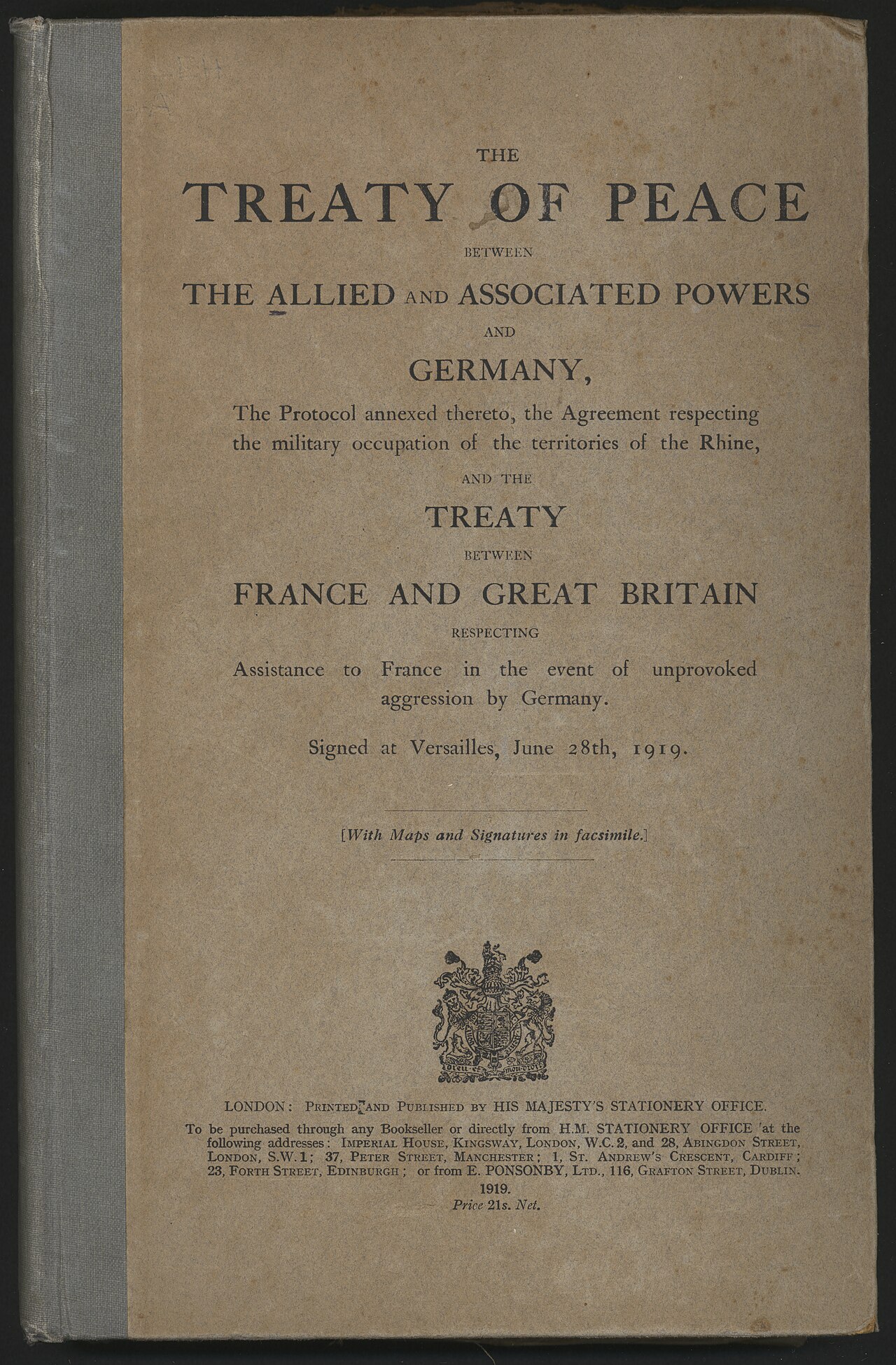
About this source
What it is
Signed on 28 June 1919 at the Palace of Versailles, this treaty ended the state of war between Germany and most Allied Powers after World War I. Woodrow Wilson signed it on behalf of the United States, alongside leaders such as Lloyd George of Britain and Clemenceau of France. It is held at the Palace of Versailles.
Why it matters
The treaty included Wilson's League of Nations but compromised many of his Fourteen Points, imposing harsh terms on Germany, including the controversial
This document is part of the curated material that grounds the AI version of Georges Clemenceau on Humy.ai — when students ask about related events, the AI can quote it and cite it.
More Georges Clemenceau sources
Meet the AI Georges Clemenceau →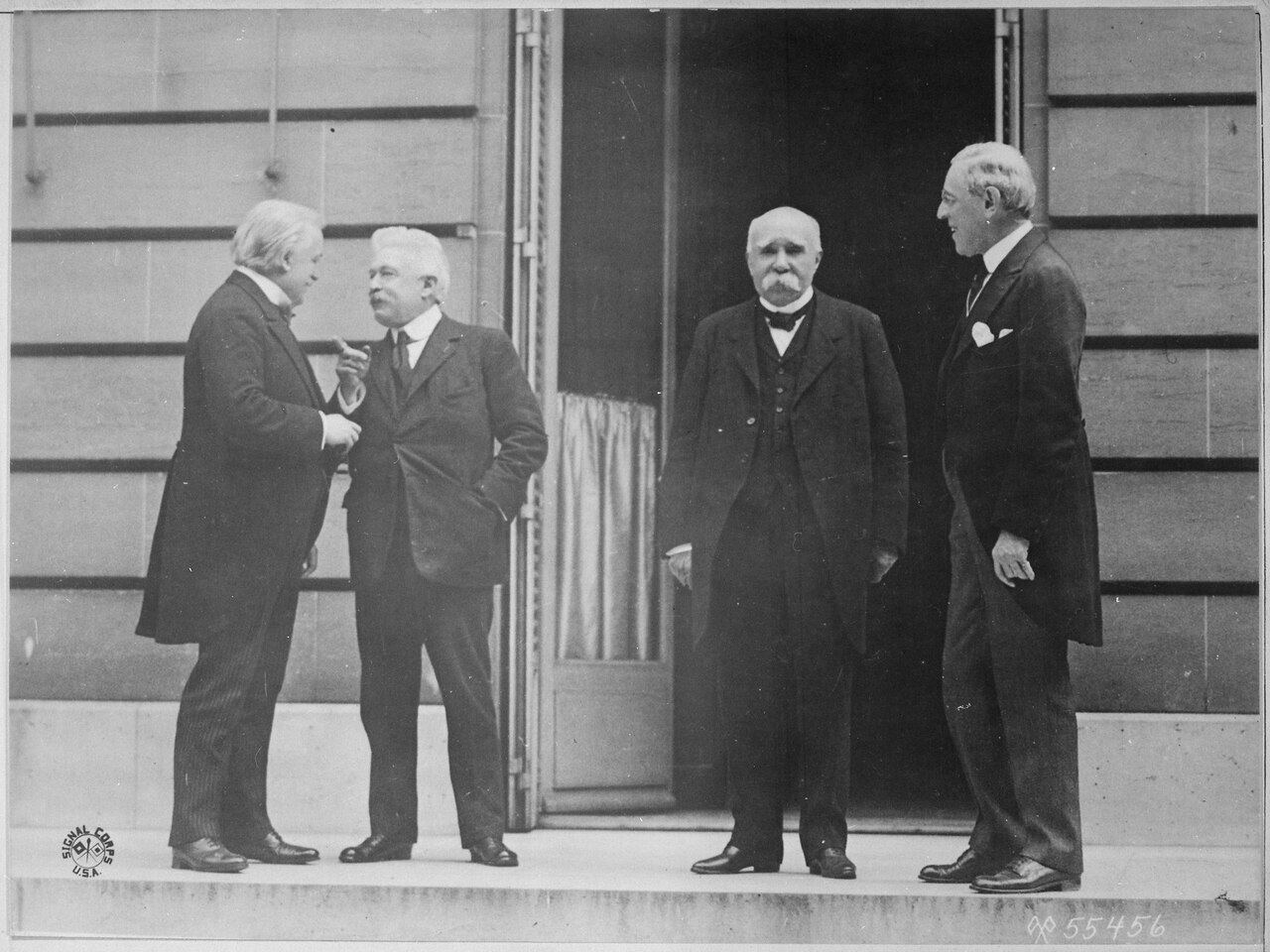 Photograph
Primary source
The Big Four at the Paris Peace Conference
Edward N. Jackson · 27 May 1919
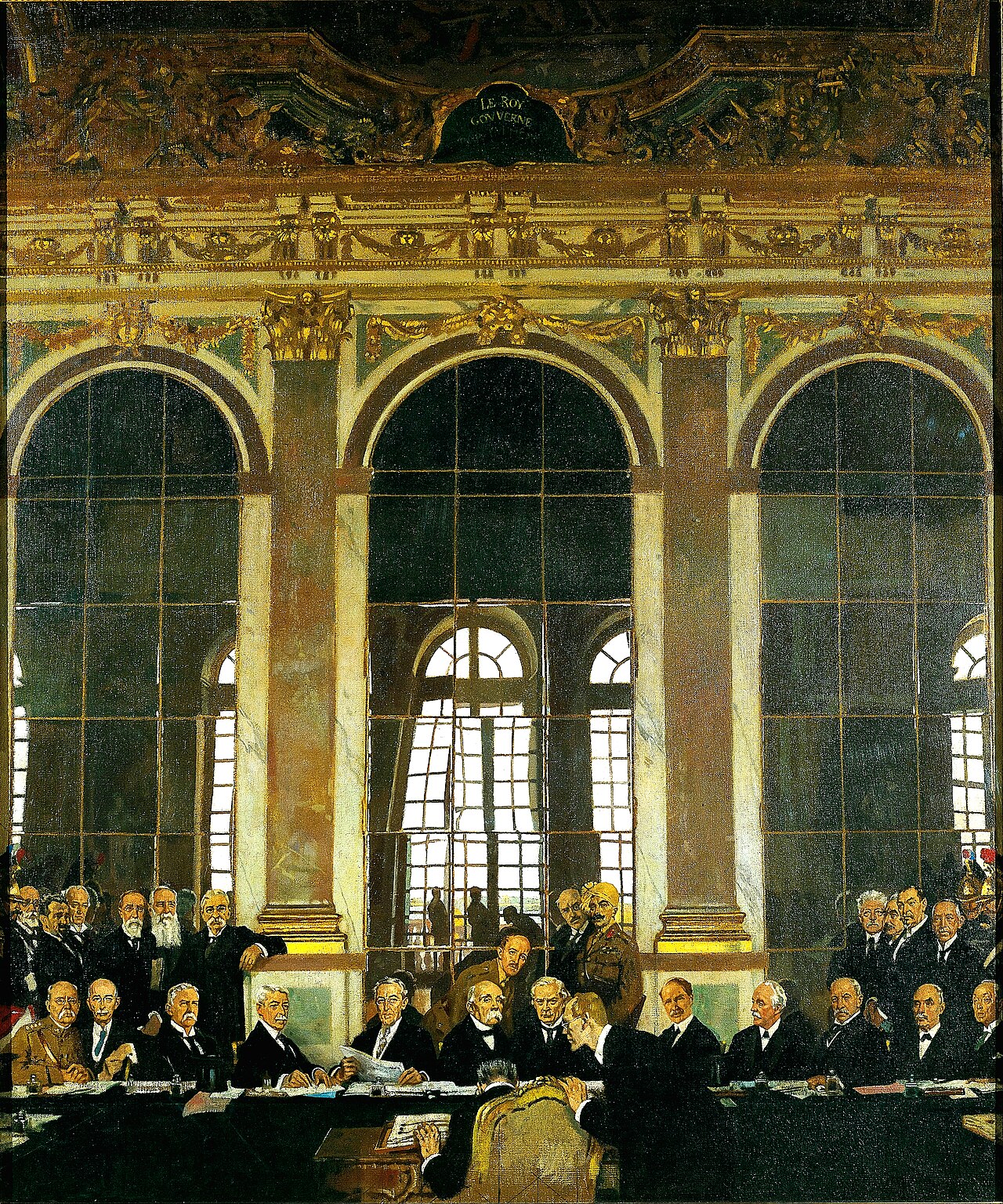 Painting
Primary source
The Signing of Peace in the Hall of Mirrors, Versailles, 28 June 1919
William Orpen · 1919
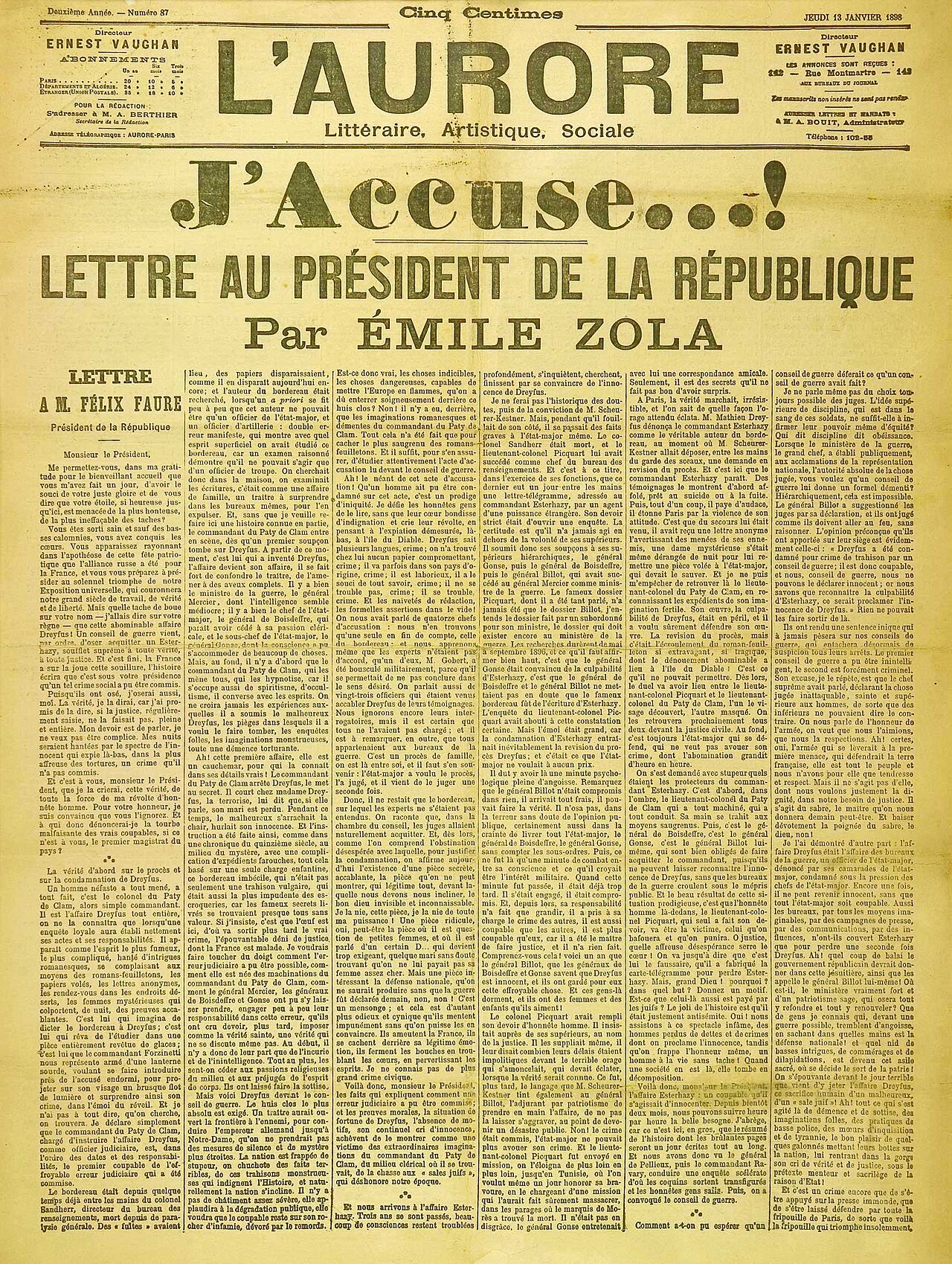 Newspaper article
Primary source
J'accuse…!
Émile Zola · 13 January 1898
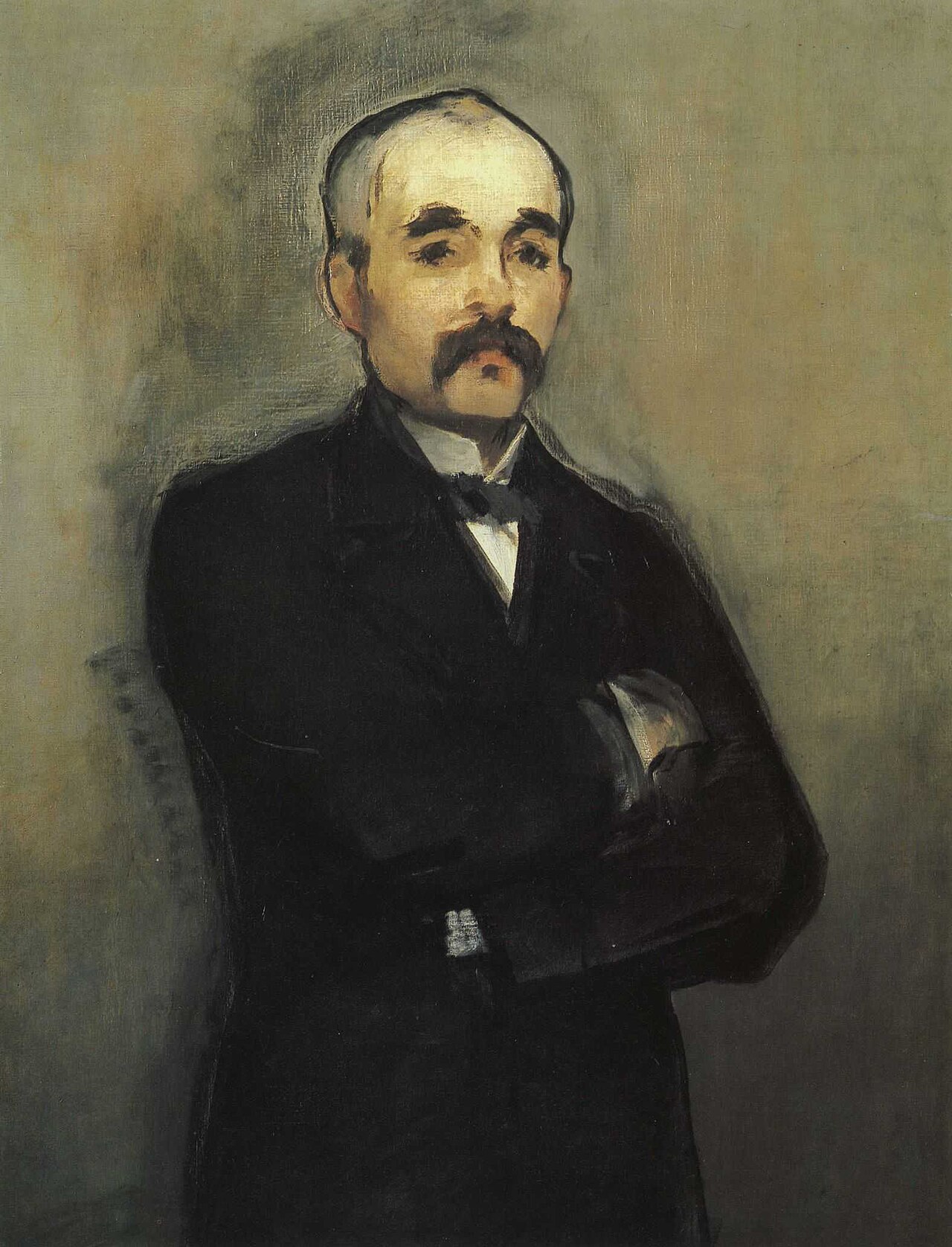 Painting
Primary source
Portrait of Georges Clemenceau
Édouard Manet · 1879-1880
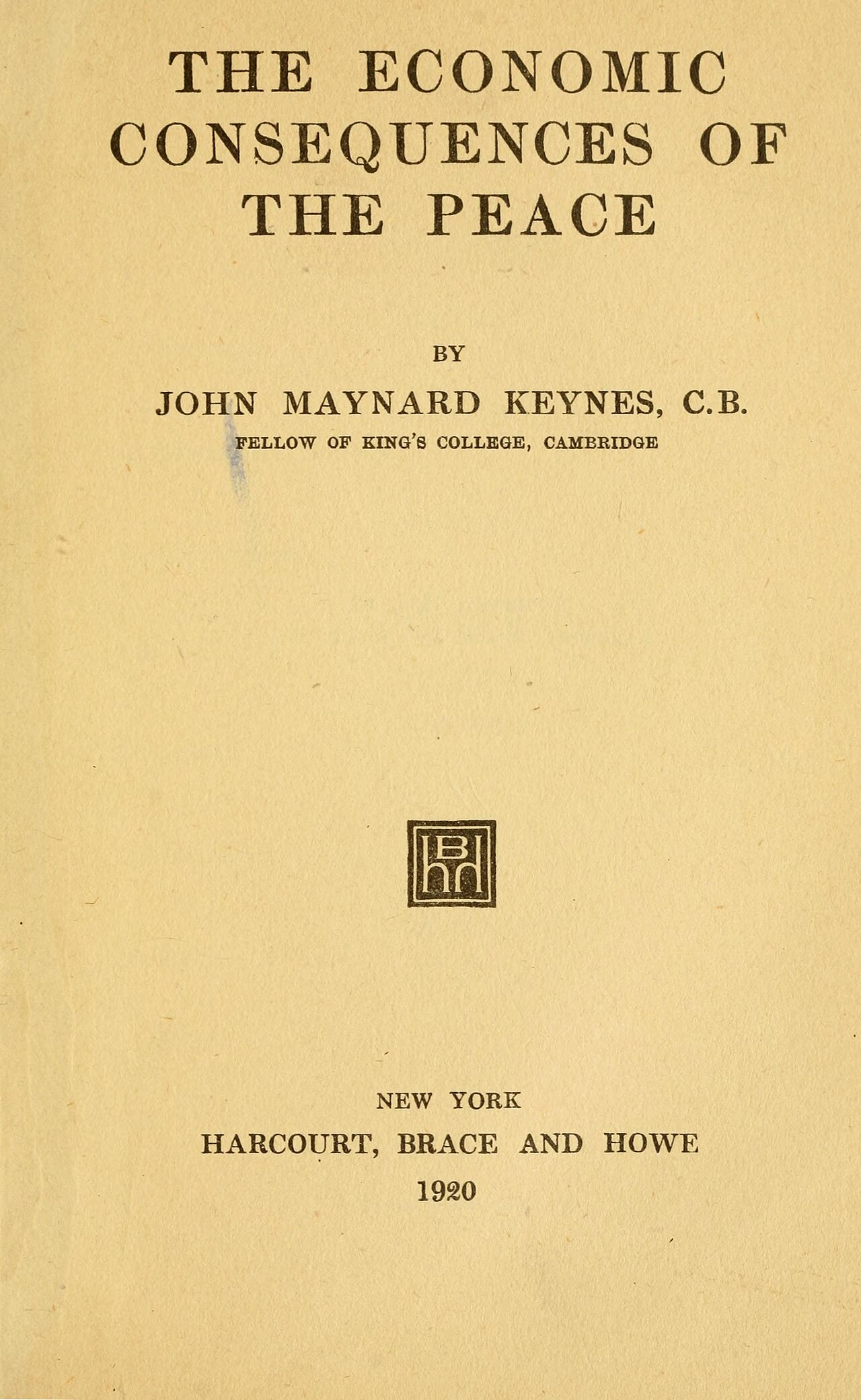 Book
Primary source
The Economic Consequences of the Peace
John Maynard Keynes · 1919
Ready when you are
Start chatting with Georges Clemenceau now.
20 messages free · No credit card · Available in 50+ languages.