


Primary sourceDocument1851
Trial of Thomas Sims, on an Issue of Personal Liberty
Robert Rantoul Jr., Charles G. Loring, et al. · 1851
A published trial record from the 1851 Boston fugitive-slave case of Thomas Sims, in which Dana served as counsel for Sims.
Dana served as counsel for Thomas Sims in this case, part of his early anti-slavery legal career.
About this source
What it is
This is a printed report of the 1851 trial of Thomas Sims, a man claimed as a fugitive from slavery by James Potter of Georgia. The report includes the arguments of Robert Rantoul, Jr. and Charles G. Loring, and the decision of Commissioner George T. Curtis, published in Boston in 1851.
Why it matters
Richard Henry Dana, Jr. served as counsel for Sims in this case, part of his early anti-slavery legal work. The trial was one of the most significant fugitive-slave cases in Massachusetts, testing the Fugitive Slave Act and dividing public opinion in Boston.
Look closer
- Why do you think lawyers like Dana took on cases defending people claimed as fugitives from slavery?
- What does the formal, legal language of the report tell you about how the case was argued?
- What does this document leave out about Sims's own voice and experience?
This document is part of the curated material that grounds the AI version of Richard Henry Dana Jr. on Humy.ai — when students ask about related events, the AI can quote it and cite it.
More Richard Henry Dana Jr. sources
Meet the AI Richard Henry Dana Jr. →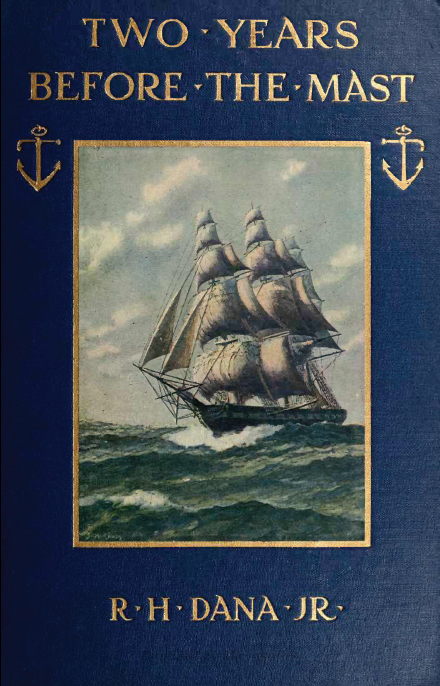 Book
Primary source
Two Years Before the Mast
Richard Henry Dana · 1840
 Document
Primary source
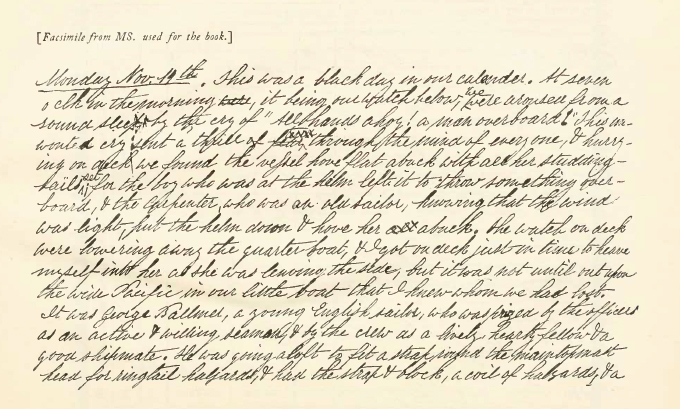
Two Years MS
Richard Henry Dana Jr.
 Photograph
Primary source
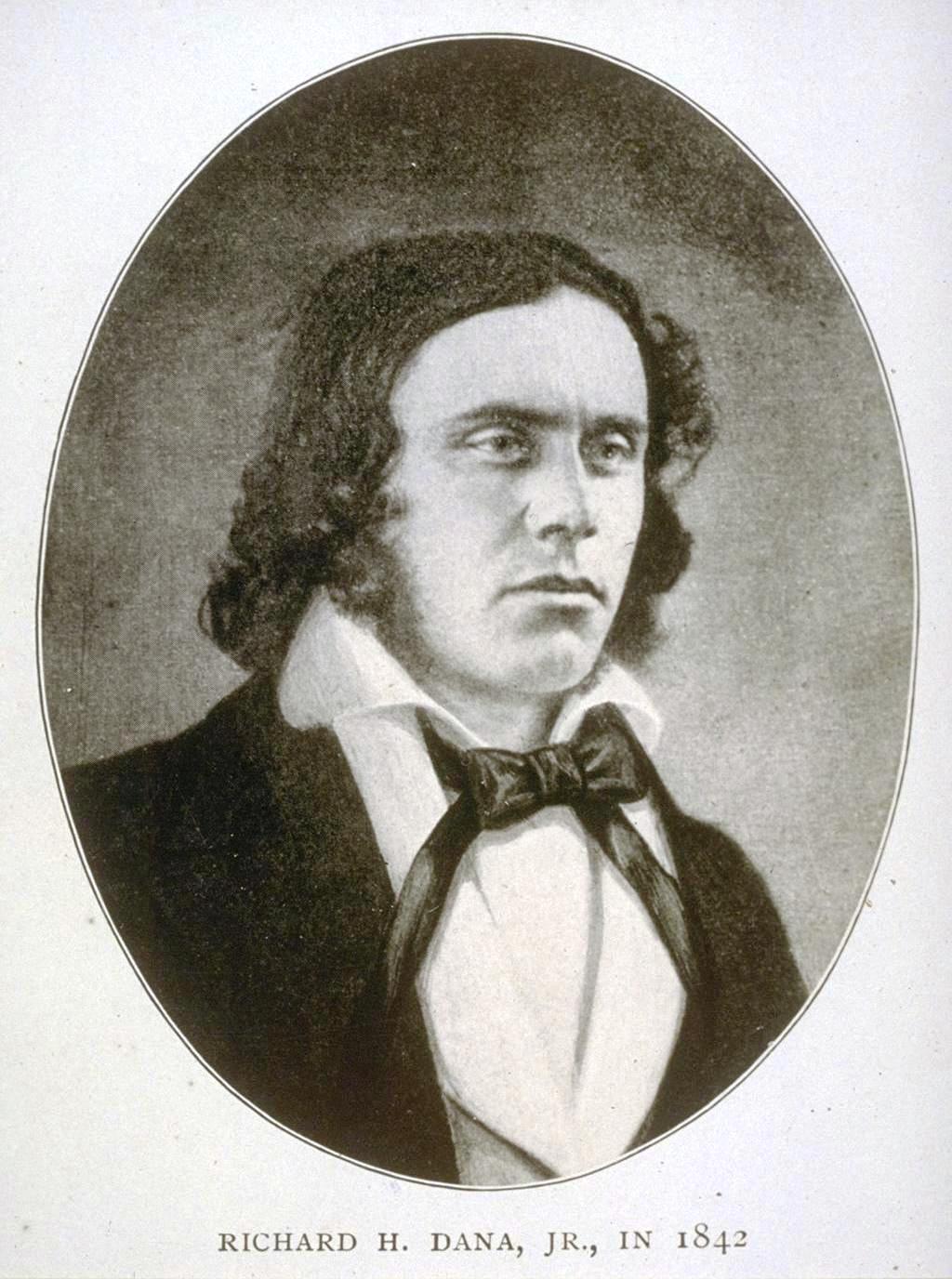
Portrait of Richard Henry Dana
1842
 Book
Primary source
The Seaman's Friend
Richard Henry Dana Jr. · 1841
 Speech
Primary source
Speech at Faneuil Hall on Reconstruction
Richard Henry Dana Jr. · 21 June 1865
Ready when you are
Start chatting with Richard Henry Dana Jr. now.
20 messages free · No credit card · Available in 50+ languages.