


Secondary sourcePaintingc. 1500
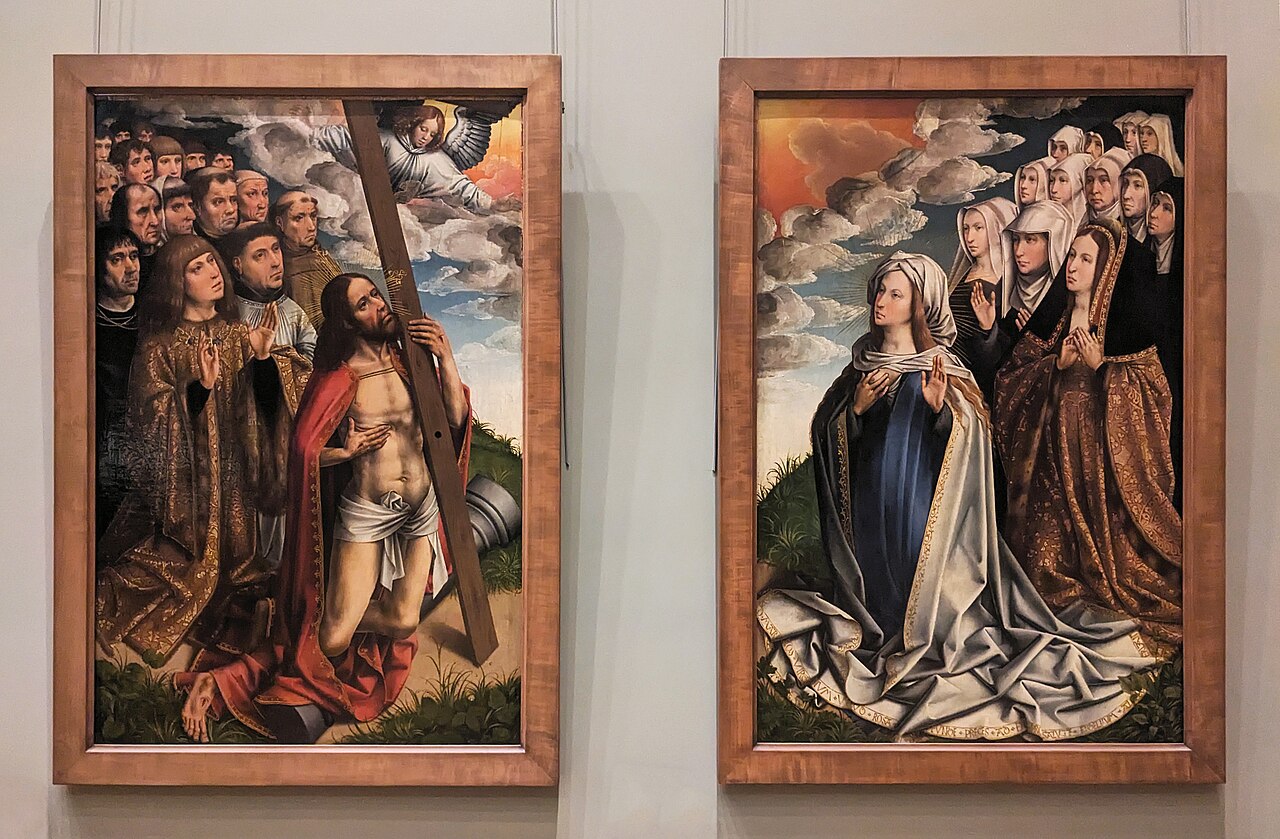
Triptych with Philip the Handsome and Joanna the Mad
Colijn de Coter · c. 1500
A painted altarpiece wing showing Christ carrying the cross and the Virgin Mary, with kneeling figures including Joanna and her entourage. It was made around the time of her marriage.
This altarpiece wing shows Joanna with her entourage near the time of her marriage, placing her within the religious art of the Burgundian court.
About this source
What it is
This is a photograph of two side-by-side panels from an altarpiece by Colijn de Coter. The left panel shows Christ carrying a large cross, with a kneeling man in gold robes, onlookers and an angel in the sky. The right panel shows the Virgin Mary kneeling with hands clasped, with a kneeling woman in a brown patterned gown and a group of women behind her. The work is dated between 1465 and 1522, and the record gives c. 1500 as its date. The curator's note says it shows Joanna with her entourage and was made around the time of her marriage.
Why it matters
Altarpieces like this one were often commissioned by wealthy patrons who appeared kneeling in prayer, so the painting connects religious devotion with family and status at court. The record links the work to Joanna and her husband Philip the Handsome. It shows how the Burgundian and Habsburg courts used art to display their piety and identity around 1500.
Look closer
- Who are the kneeling figures, and what does their position suggest about their relationship to the scene?
- Why would a patron want to be painted next to sacred figures?
- Which people in the group are not named, and what might we not know about them?
This painting is part of the curated material that grounds the AI version of Joanna of Castile on Humy.ai — when students ask about related events, the AI can quote it and cite it.
More Joanna of Castile sources
Browse all 90 →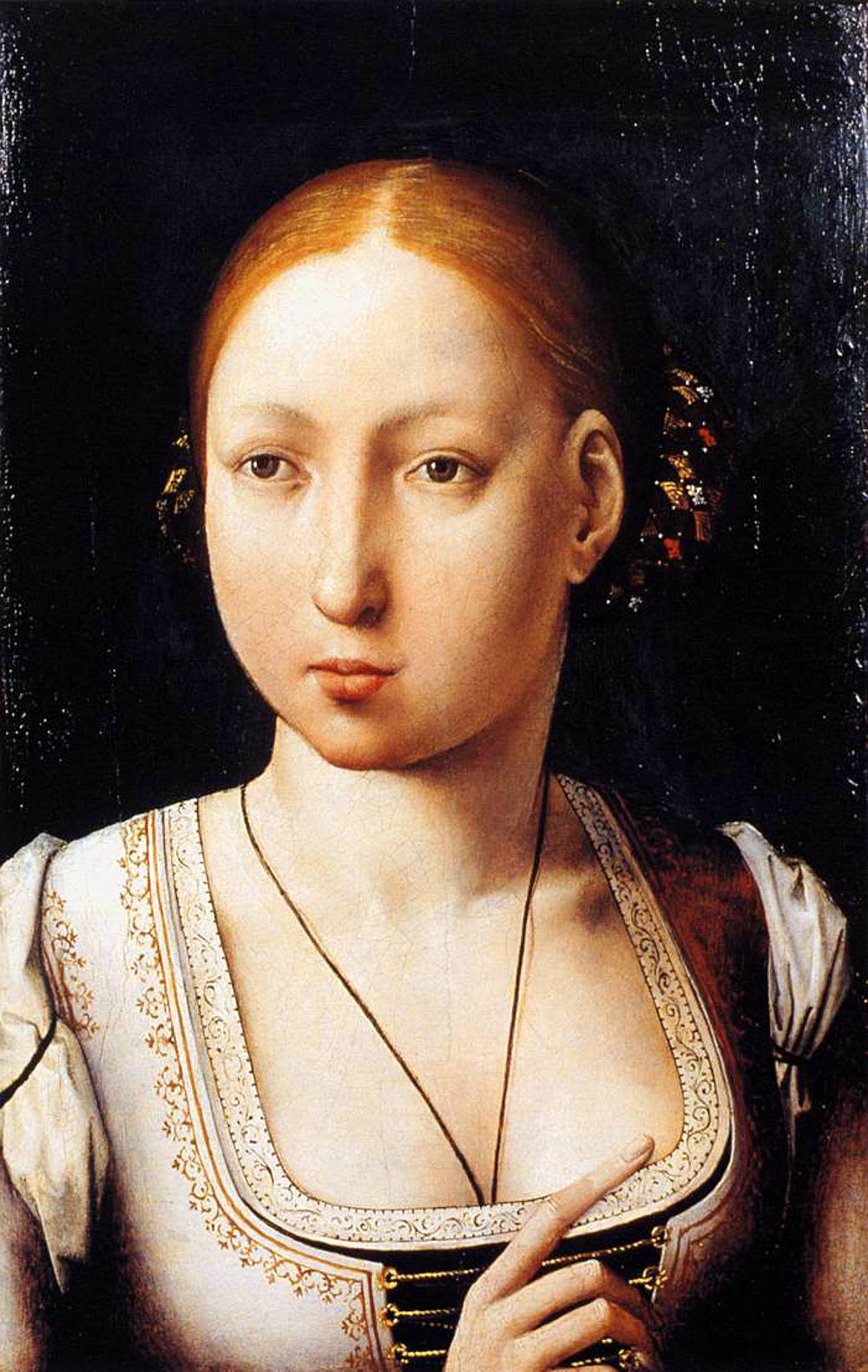 Painting
Primary source
Portrait of Joan the Mad
Juan de Flandes
 Artifact
Primary source
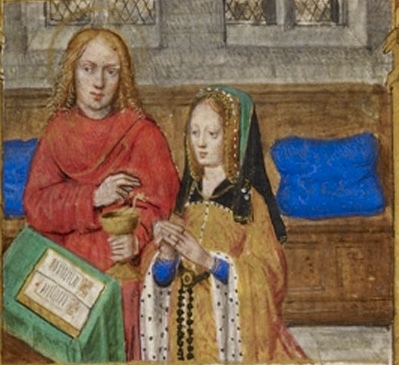
Hours of Joanna of Castile
Flemish illuminators (Ghent-Bruges school) · c. 1496-1506
Primary source
Testament of Isabella I of Castile
Isabella I of Castile · 12 October 1504
 Document
Primary source
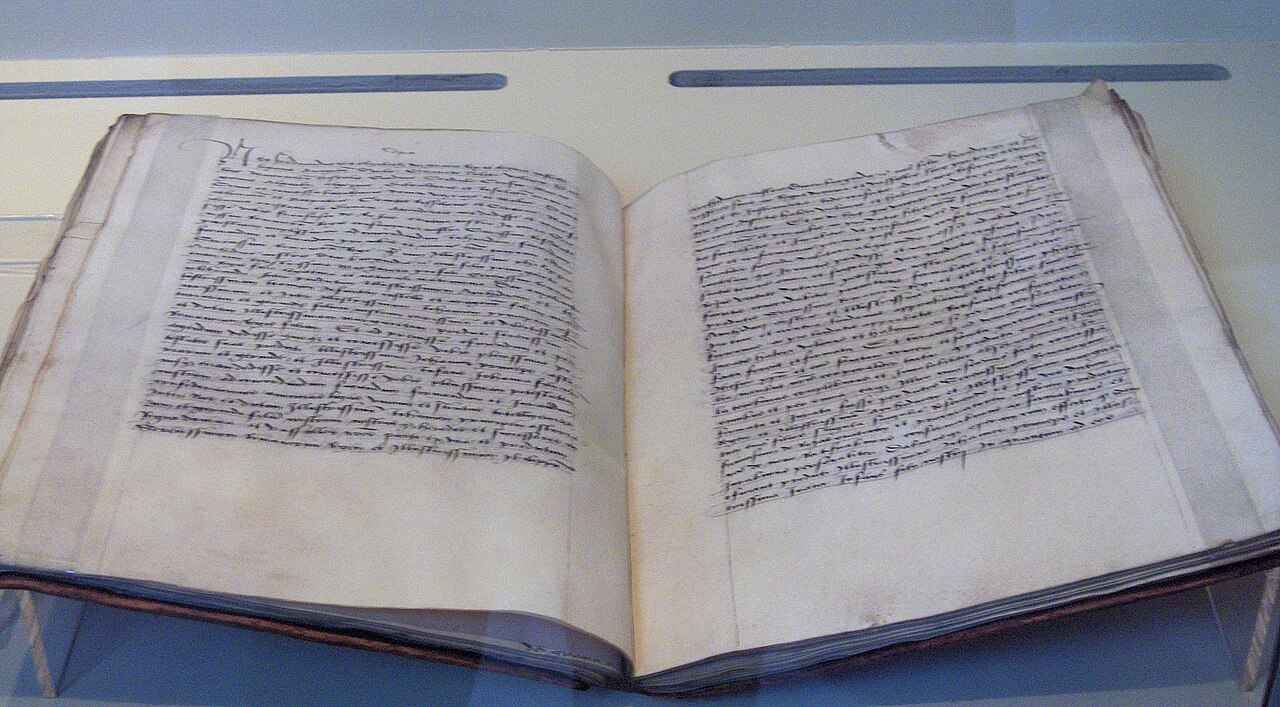
Marriage Articles of Philip the Handsome and Joanna of Castile
1495
Free account
Read every Joanna of Castile source
Sign up free →
Ready when you are
Start chatting with Joanna of Castile now.
20 messages free · No credit card · Available in 50+ languages.