


Primary sourceDocument1857-1859
Tristan und Isolde
Richard Wagner · 1857-1859
Wagner's 1859 music drama about forbidden love and death, inspired by medieval legend, Schopenhauer's philosophy, and his relationship with Mathilde Wesendonck.
Wagner composed this music drama, a landmark of his career and of 19th-century harmonic innovation.
Free Humy account · No credit card · 120,912 sources to read
About this source
What it is
Tristan und Isolde is a music drama in three acts composed by Richard Wagner, who also wrote its German libretto based on a medieval romance. The music was composed between 1857 and 1859 and premiered in Munich in 1865.
Why it matters
The opera's harmony, especially the famous 'Tristan chord' heard in its opening prelude, pushed musical language toward modern chromaticism and tonal ambiguity. It was shaped by Wagner's reading of the philosopher Schopenhauer and by his feelings for Mathilde Wesendonck, wife of his patron Otto Wesendonck. The work became enormously influential, inspiring later composers such as Mahler, Strauss, and Schoenberg, while others defined themselves against it.
Look closer
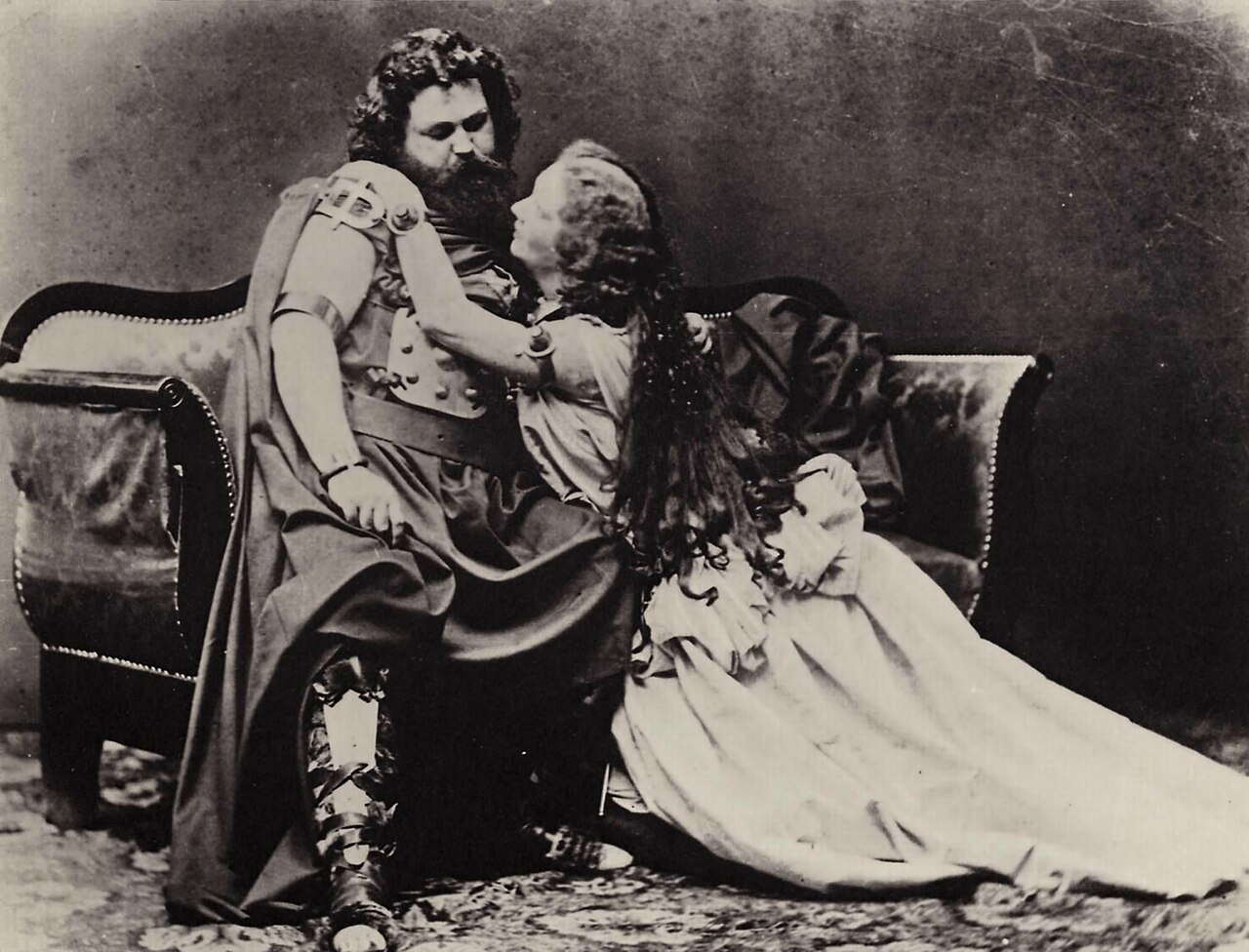
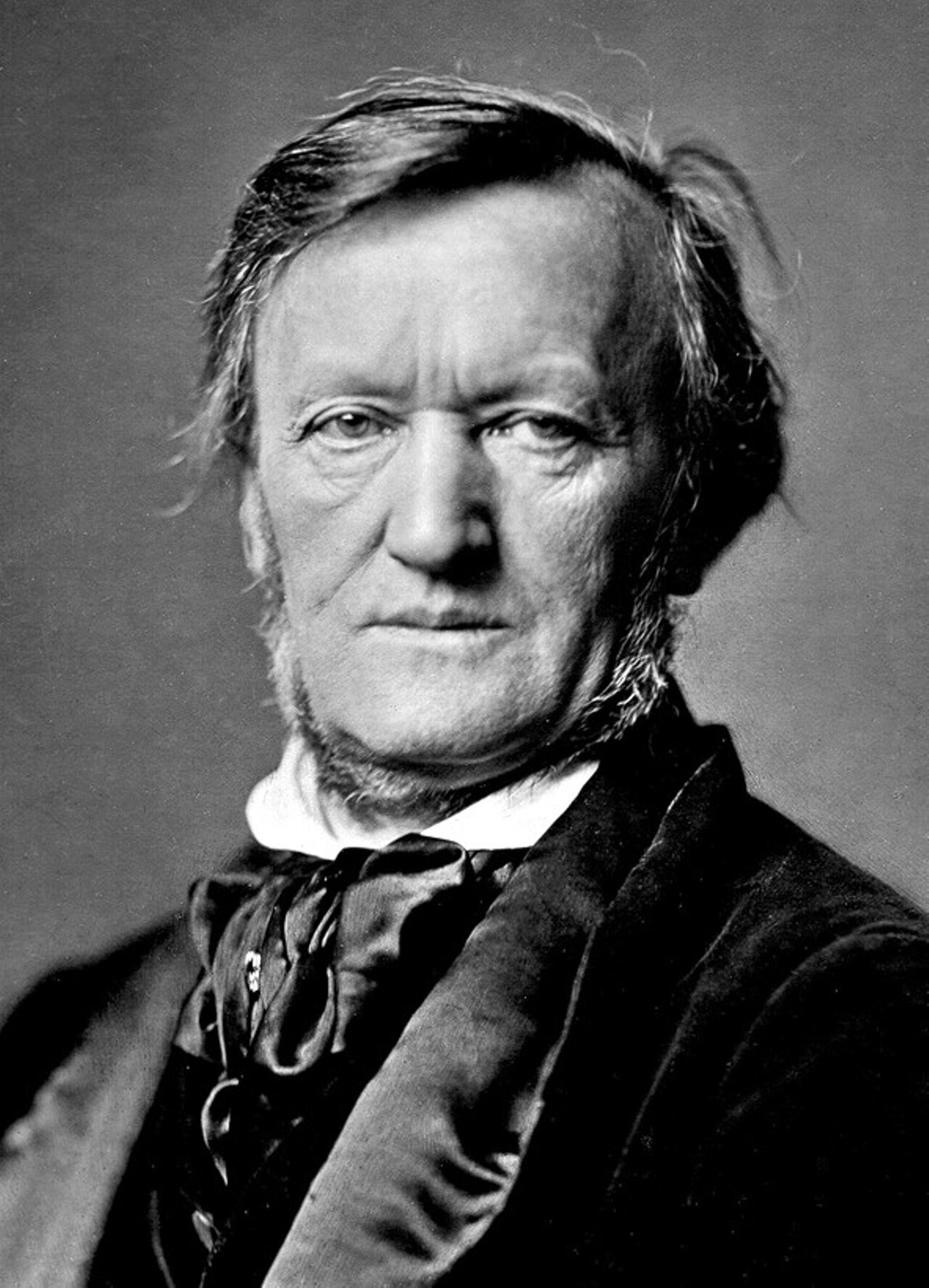
- What does the staged, dramatic pose in the photograph suggest about how singers performed Wagner's roles?
- Why might Wagner have called this work a 'Handlung' (action) rather than an opera?
- What personal experiences in Wagner's life might have shaped the opera's themes of longing and love?
This document is part of the curated material that grounds the AI version of Richard Wagner and Ludwig II of Bavaria on Humy.ai — when students ask about related events, the AI can quote it and cite it.
More Richard Wagner sources
Browse all 96 →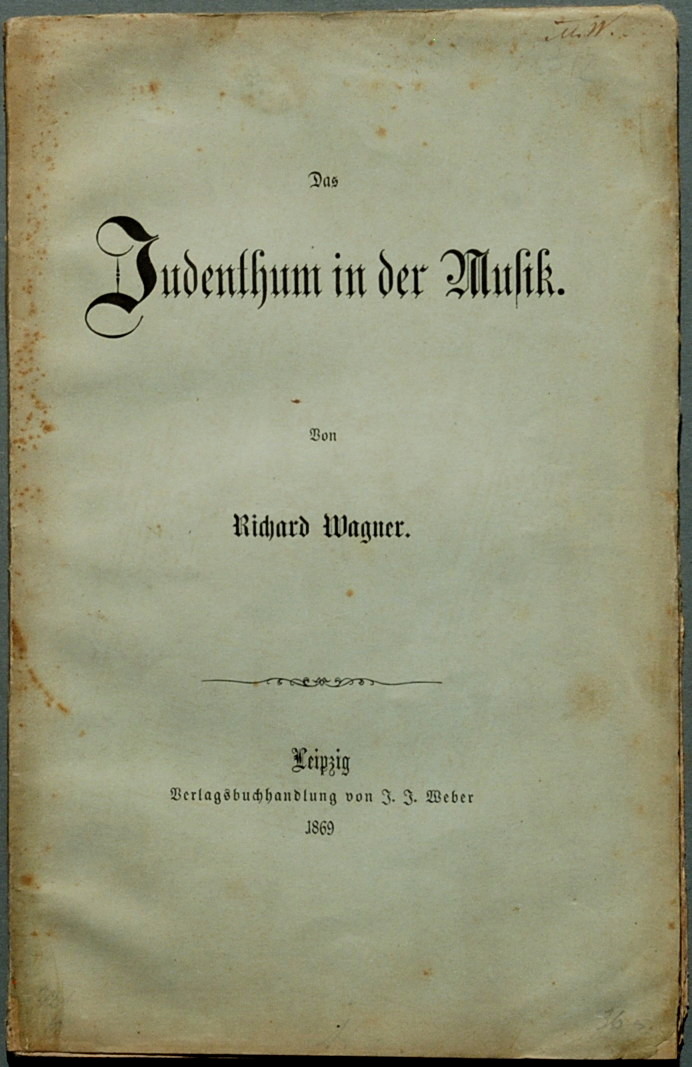 Document
Primary source
Das Judenthum in der Musik
Richard Wagner · 1850
 Artifact
Primary source
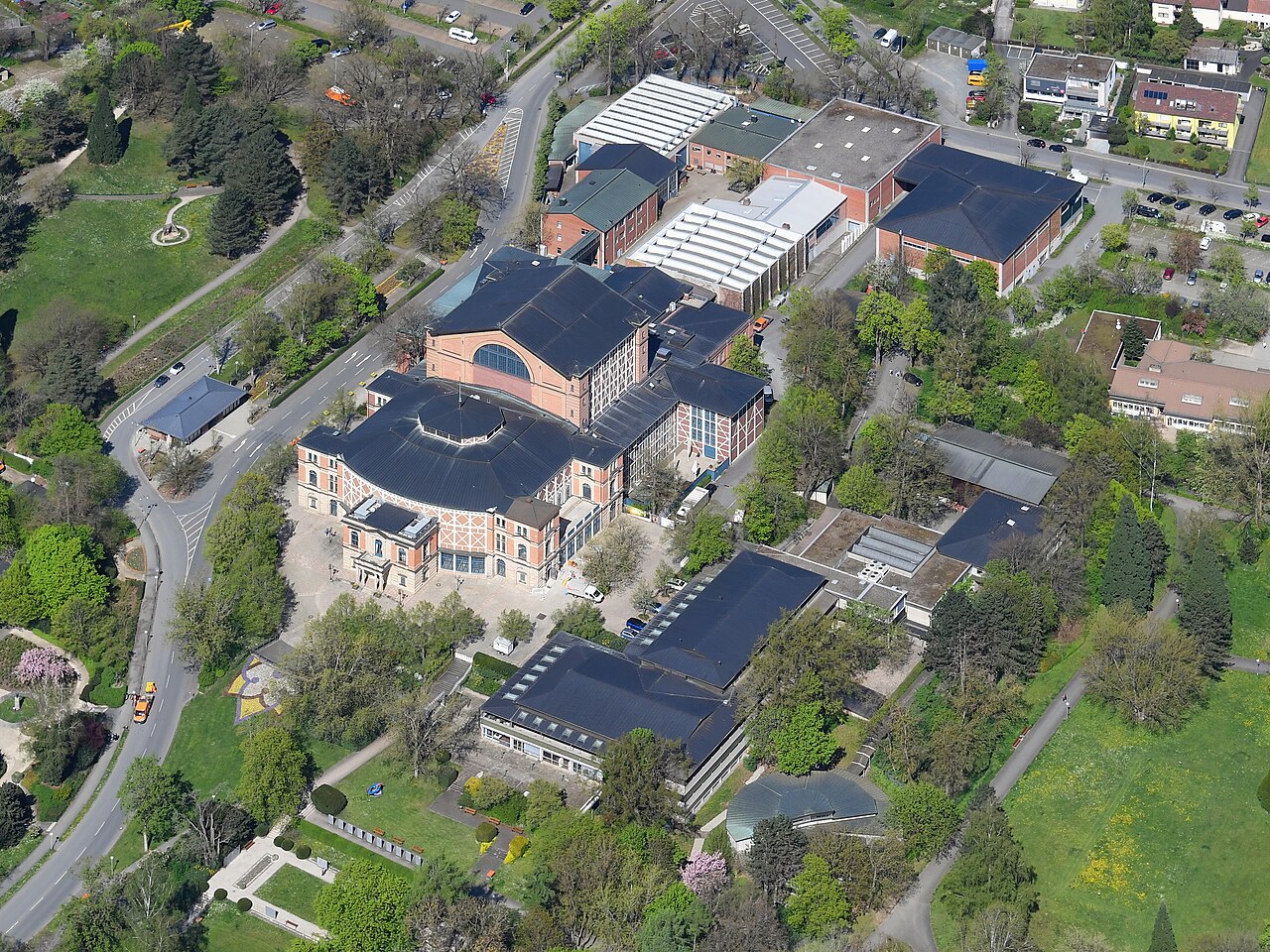
Bayreuth Festival Theatre
Richard Wagner and Otto Brückwald · 1872-1876
Primary source
Mein Leben
Richard Wagner · 1865-1880
 Document
Primary source
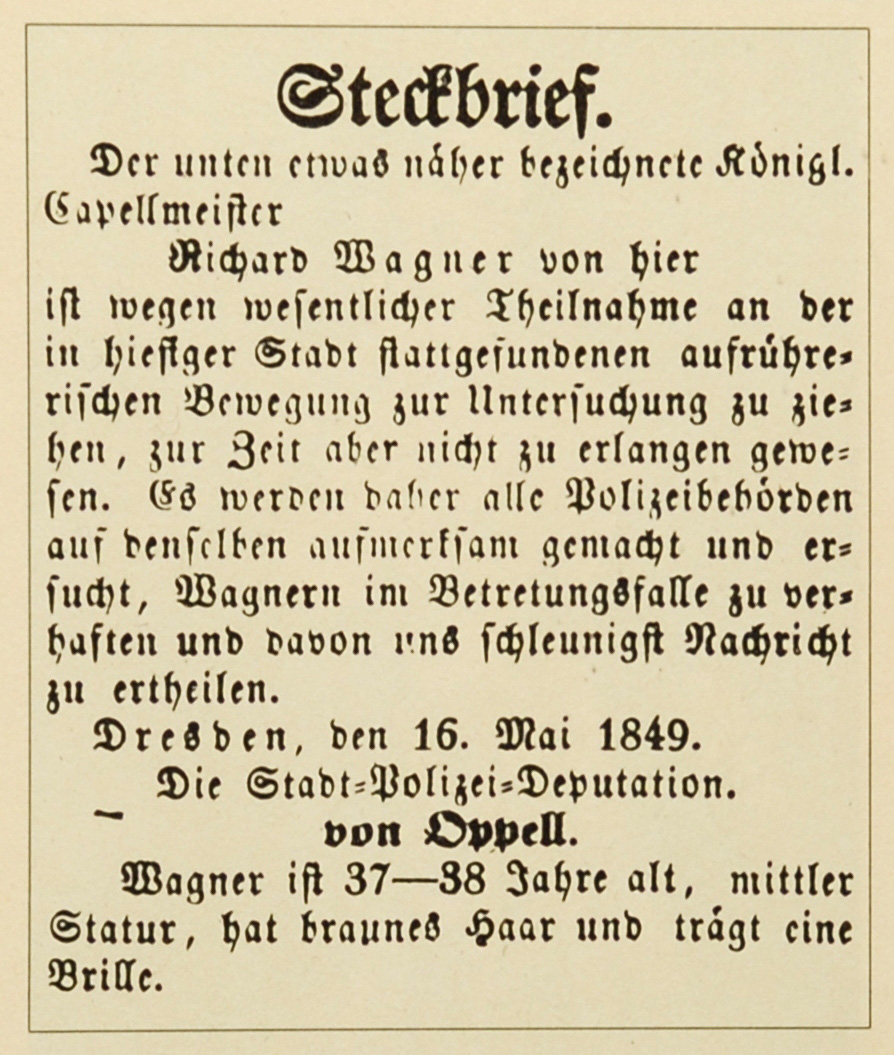
Richard Wagners Steckbrief 1849
Dresden police (H.-P. Haack, reproduction) · 1849
Free account
Read every Richard Wagner source
Sign up free →
Ready when you are
Start chatting with Richard Wagner now.
20 messages free · No credit card · Available in 50+ languages.