


Secondary sourcePaintingc. 1891
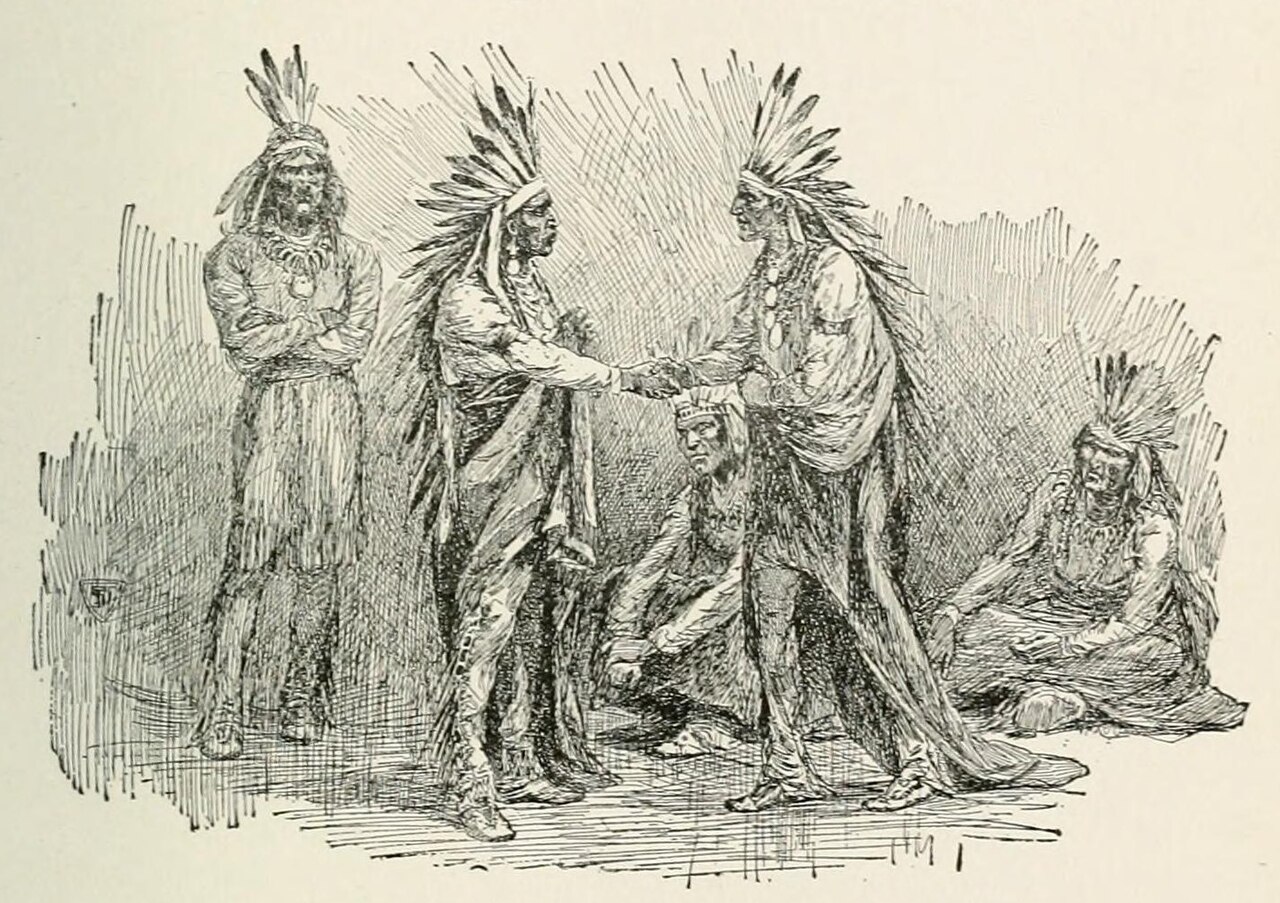
Triumph and Humiliation: Black Hawk and Keokuk, 1832
John Steeple Davis · c. 1891
A later engraving imagining Black Hawk and Keokuk at the 1832 treaty following the Black Hawk War.
An imagined later depiction of Black Hawk at the 1832 treaty that followed his defeat.
About this source
What it is
This is a black-and-white line engraving by John Steeple Davis, made around 1891, titled "Triumph and Humiliation." It depicts two Native American men, understood to be Black Hawk and Keokuk, shaking hands at the 1832 treaty following the war, with other figures seated and standing nearby.
Why it matters
Created decades after the actual events, this image is an imagined reconstruction rather than an eyewitness record. It shows how later American artists dramatized the defeat of Black Hawk and the rise of Keokuk, another Sauk leader, as a turning point in Native American history.
Look closer
- What does the title "Triumph and Humiliation" suggest about how the artist viewed the two men?
- Why might the artist choose to show this moment as a handshake?
- What might be missing or simplified in this dramatized scene?
This painting is part of the curated material that grounds the AI version of Black Hawk on Humy.ai — when students ask about related events, the AI can quote it and cite it.
More Black Hawk sources
Meet the AI Black Hawk →Primary source
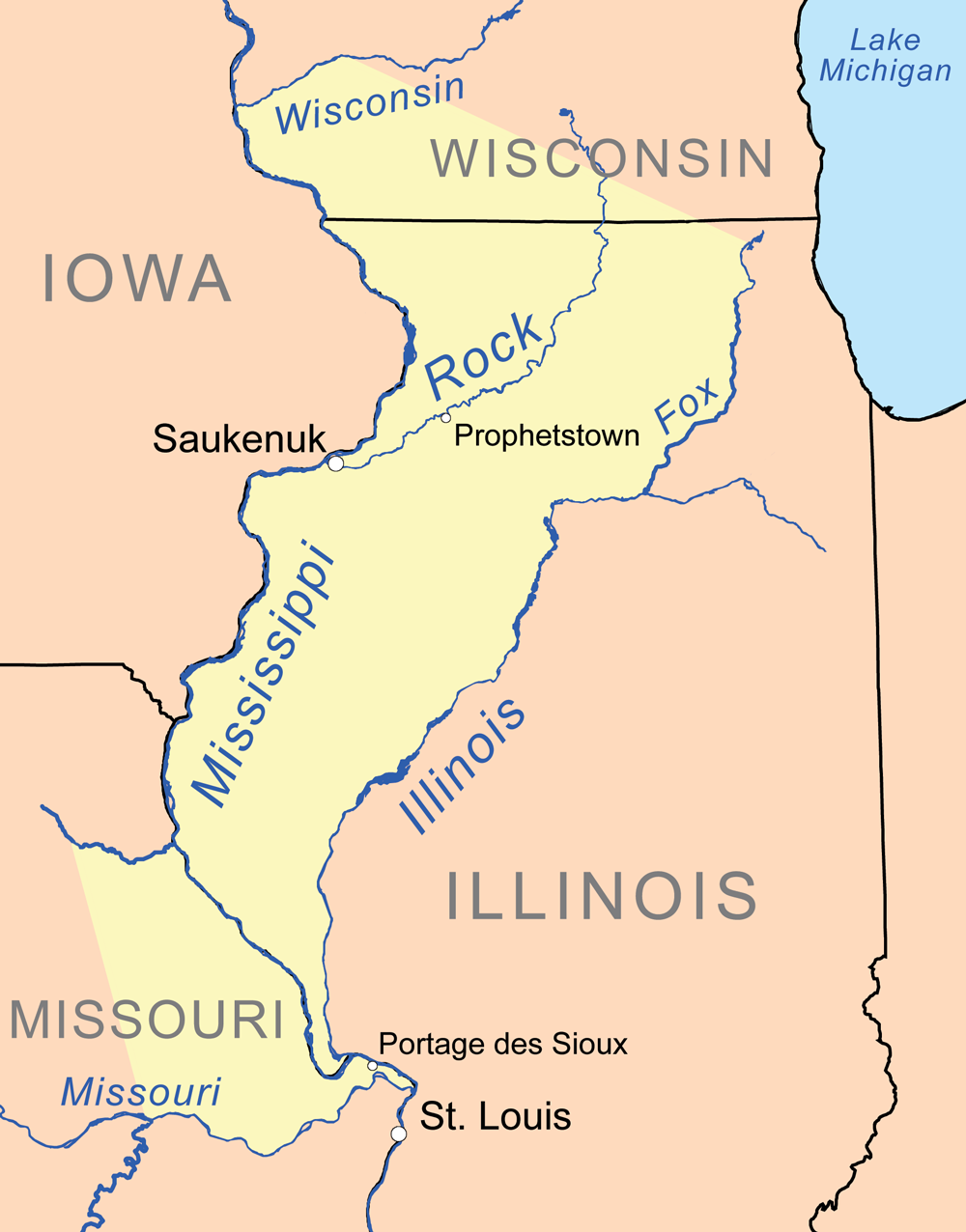
Autobiography of Black Hawk
Black Hawk · 1833
 Document
Primary source
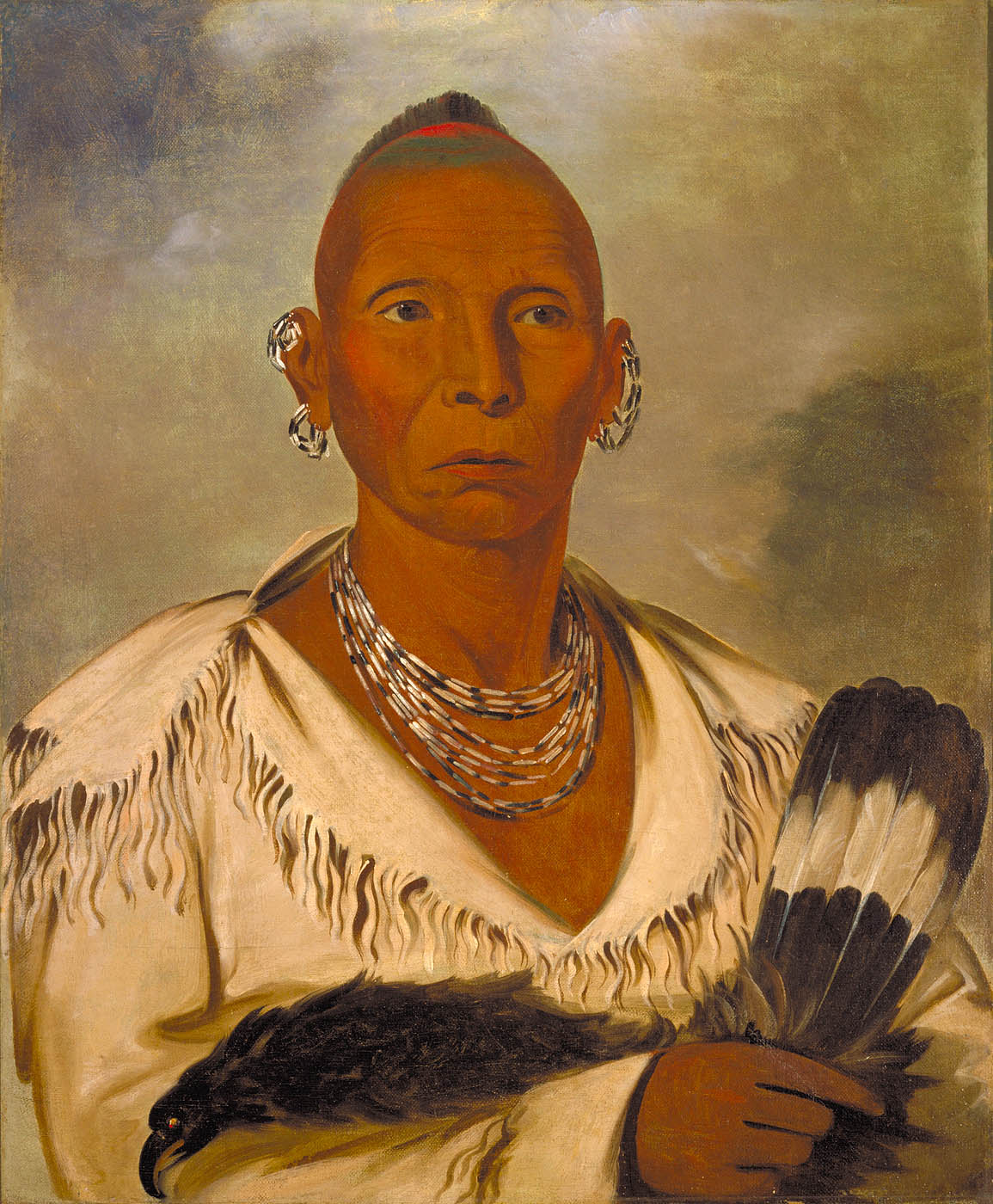
Treaty of St. Louis
William Henry Harrison · 1804
 Painting
Primary source
Black Hawk, Prominent Sac Chief
George Catlin · 1832
 Speech
Primary source
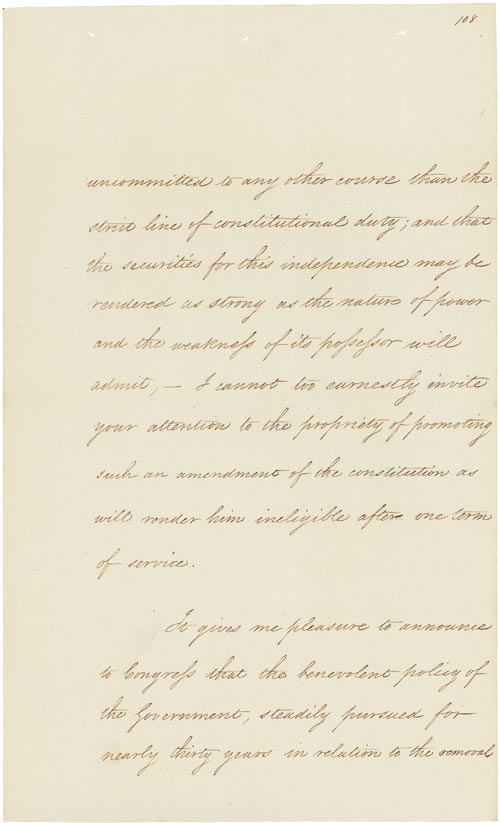
Message to Congress On Indian Removal
Andrew Jackson · 6 December 1830
 Painting
Primary source
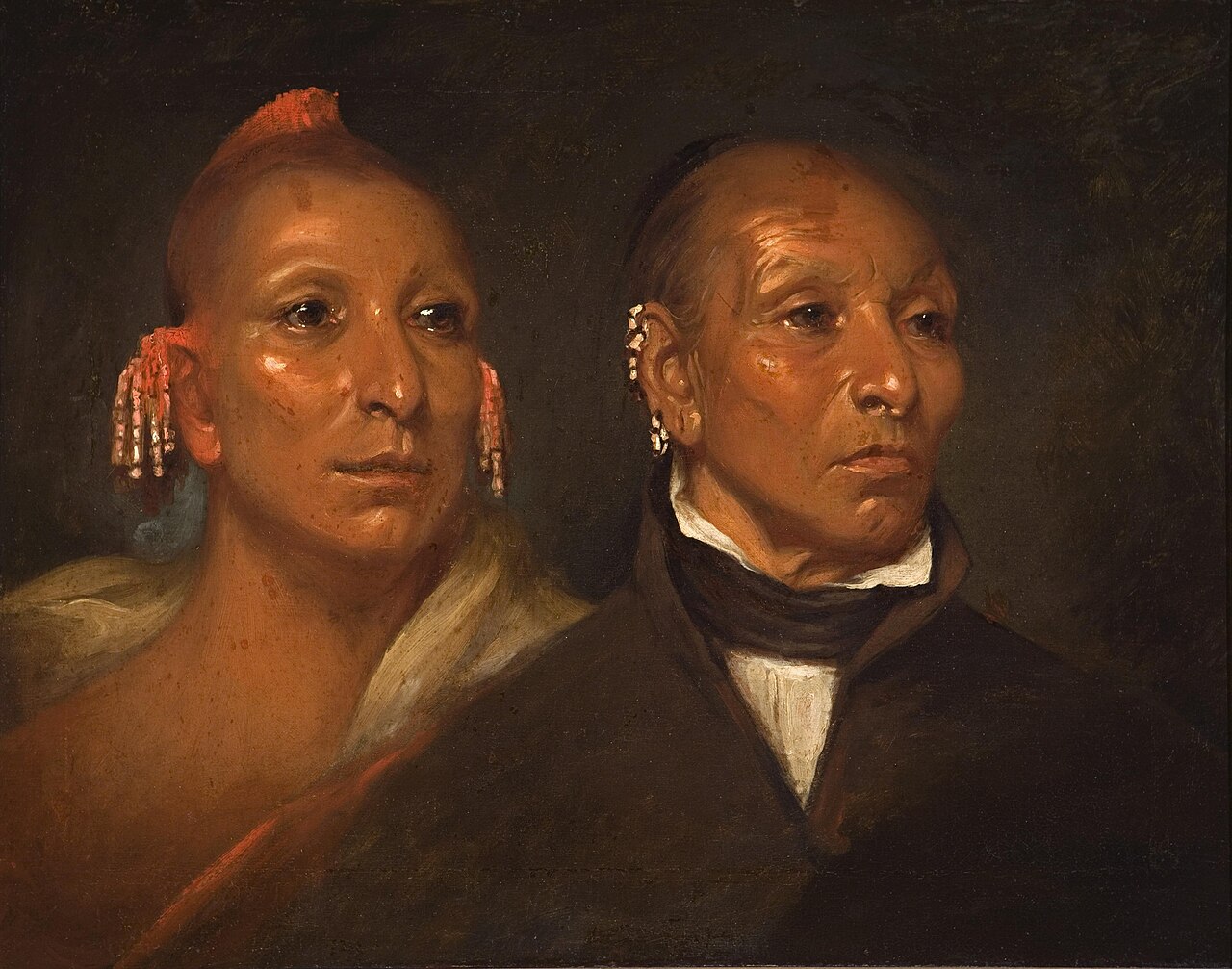
Black Hawk and His Son Whirling Thunder
John Wesley Jarvis · 1833
Ready when you are
Start chatting with Black Hawk now.
20 messages free · No credit card · Available in 50+ languages.