


Secondary sourceArtifact1634
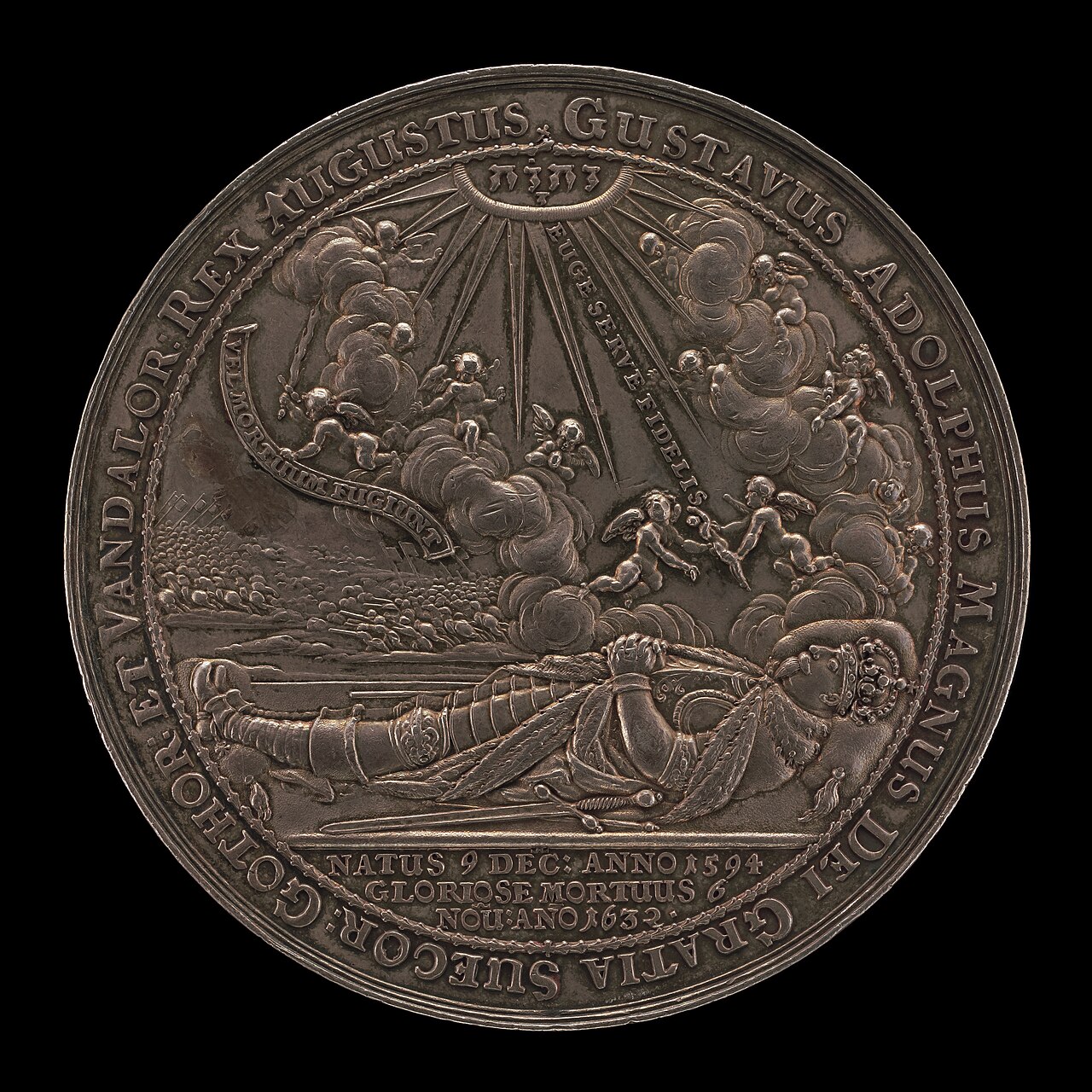
Triumph of King Gustavus Adolphus
Sebastian Dadler · 1634
A 1634 commemorative medal by Sebastian Dadler glorifying the dead King Gustavus Adolphus as a Protestant hero.
This medal, made two years after his death, reflects the posthumous glorification of Gustavus Adolphus as a Protestant hero.
About this source
What it is
This medal, made in 1634 by the engraver Sebastian Dadler, commemorates King Gustavus Adolphus of Sweden after his death. It is held among the sculptures of the National Gallery of Art, and its reverse side shows an allegorical scene with the dead king, cherubs, and a battlefield.
Why it matters
Created two years after the king's death at Lützen, this medal is part of the posthumous cult that grew up around Gustavus Adolphus as a Protestant champion in the Thirty Years' War. It shows how rulers could be transformed into heroic, almost saintly figures through art soon after their deaths.
Look closer
- Why might an artist use allegory, like cherubs and clouds, to show a king's death?
- What does the Latin inscription and the dates 1594 and 1632 tell us about how this medal frames his life?
- How might such memorial objects shape how people remembered a ruler for generations afterward?
This artifact is part of the curated material that grounds the AI version of Gustavus Adolphus on Humy.ai — when students ask about related events, the AI can quote it and cite it.
More Gustavus Adolphus sources
Browse all 83 →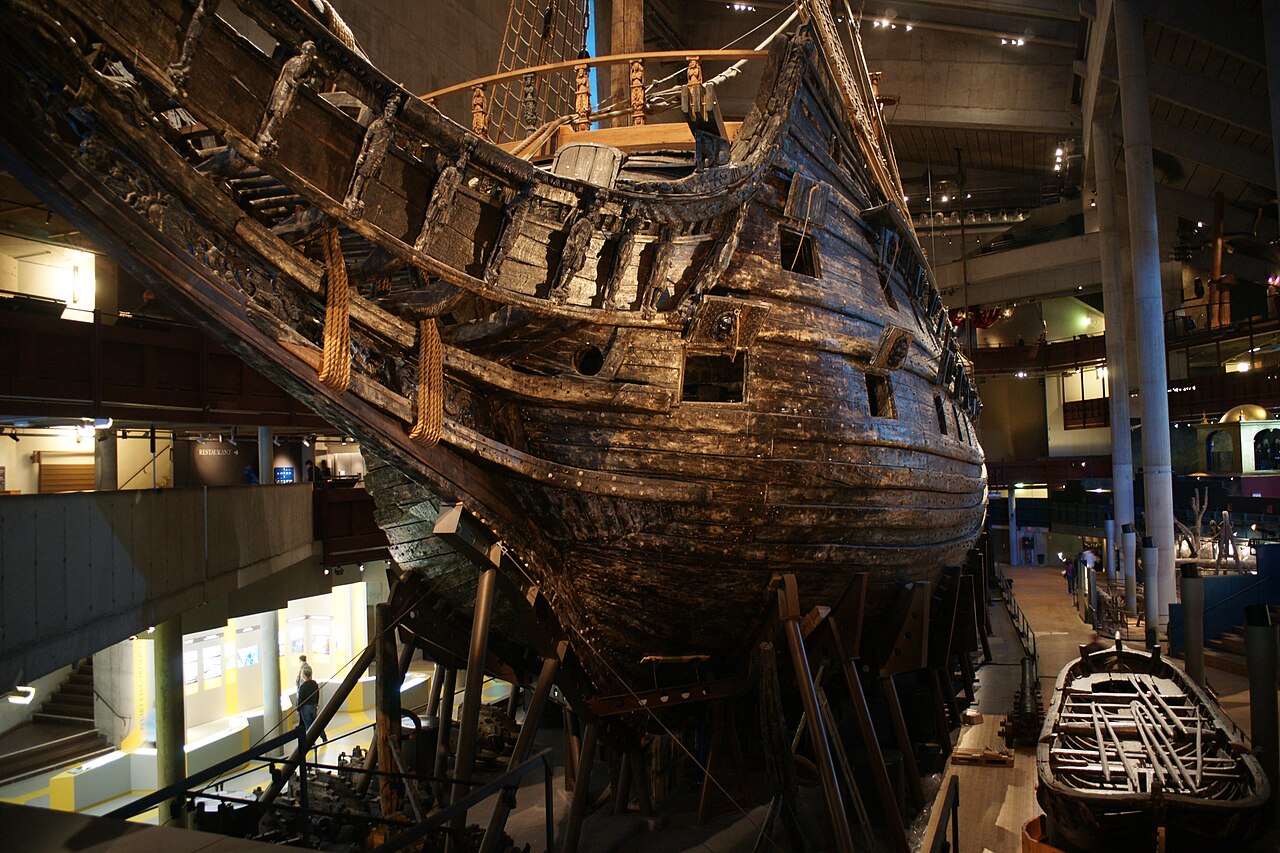 Artifact
Primary source
Vasa
1626-1628
 Artifact
Primary source
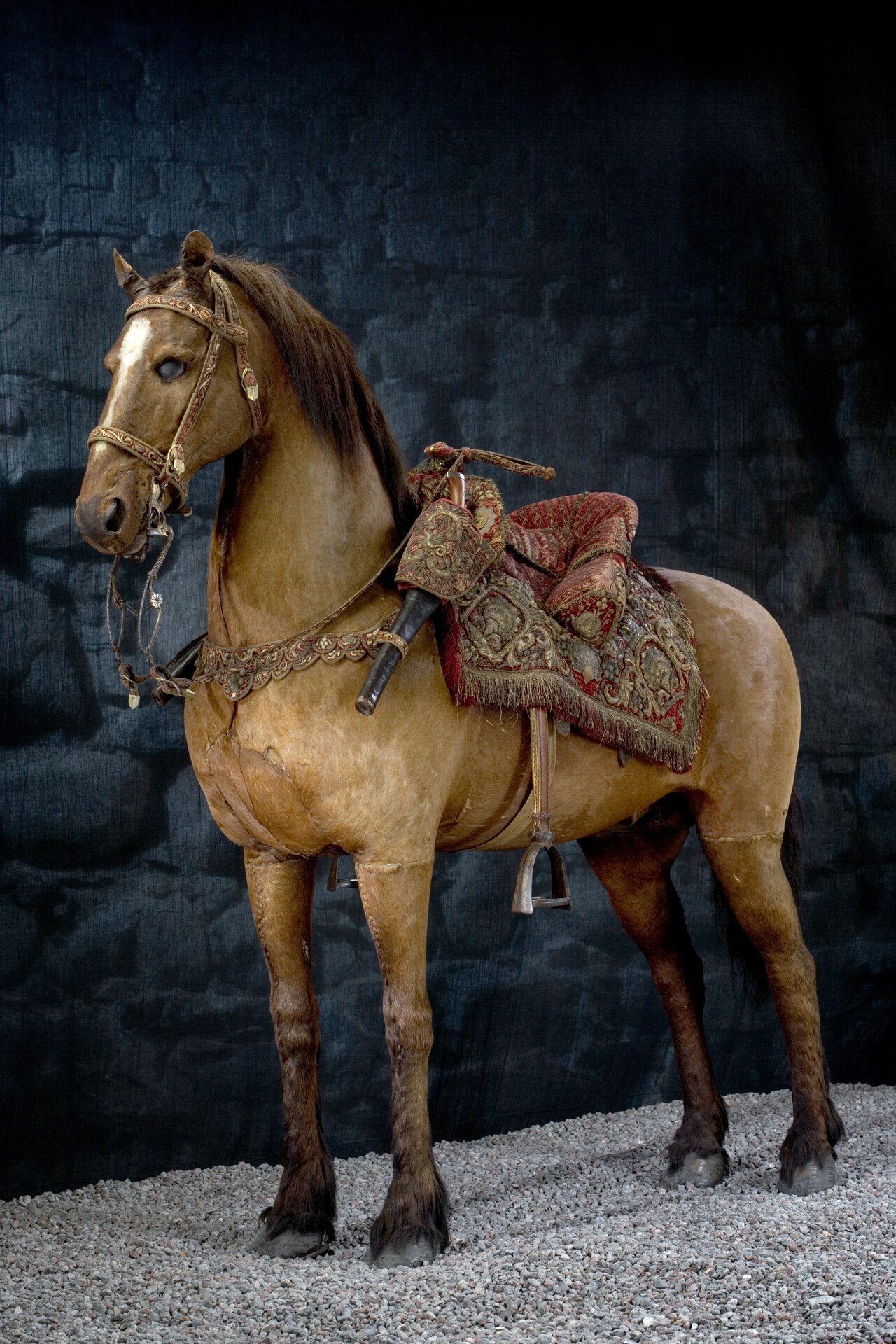
Streiff
17th century
 Document
Primary source
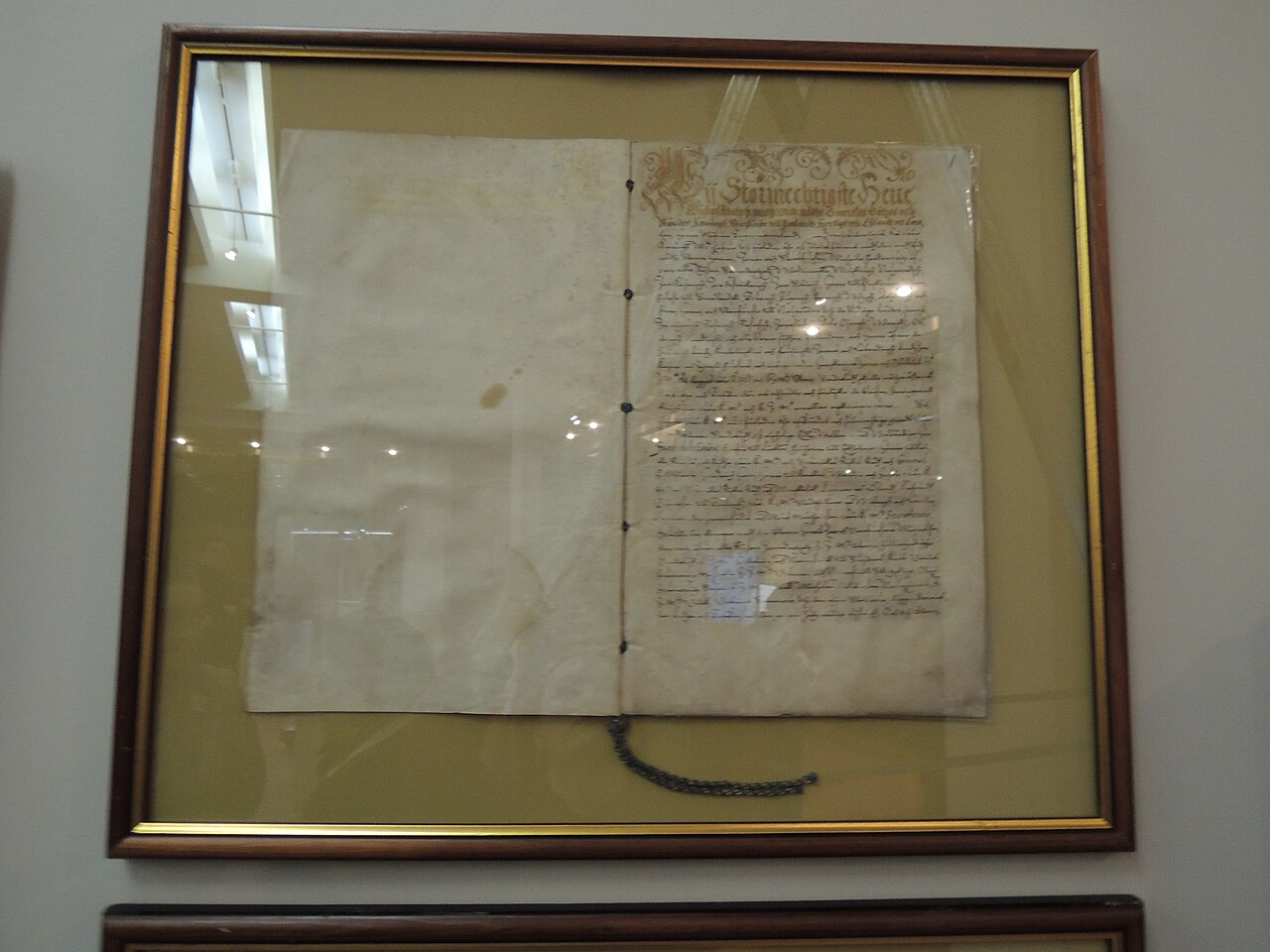
Gustav Adolf's Ratification of the Treaty of Stolbovo
Gustavus Adolphus of Sweden · 1 May 1617
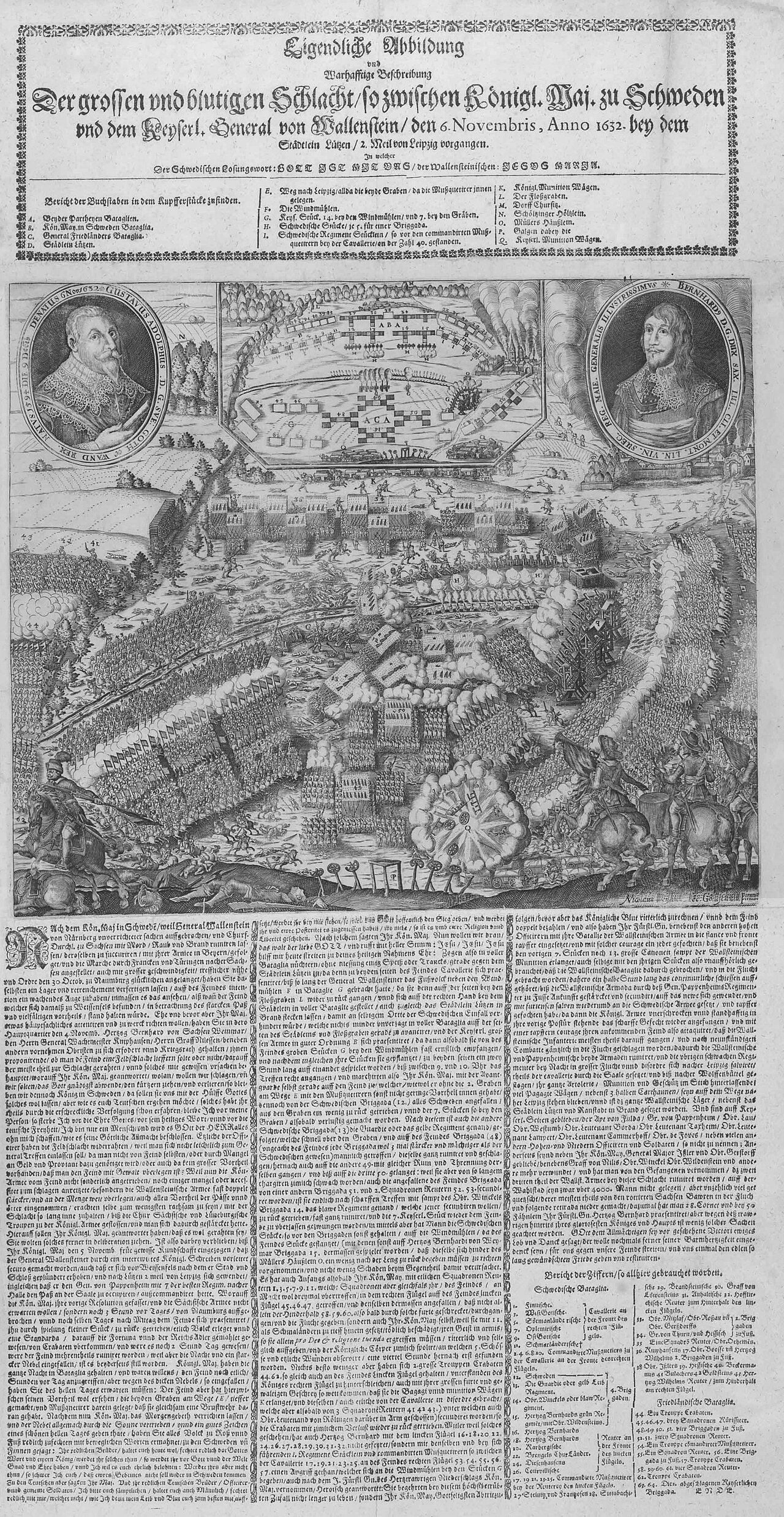 Newspaper article
Primary source
Broadside on the Battle of Lützen
1632
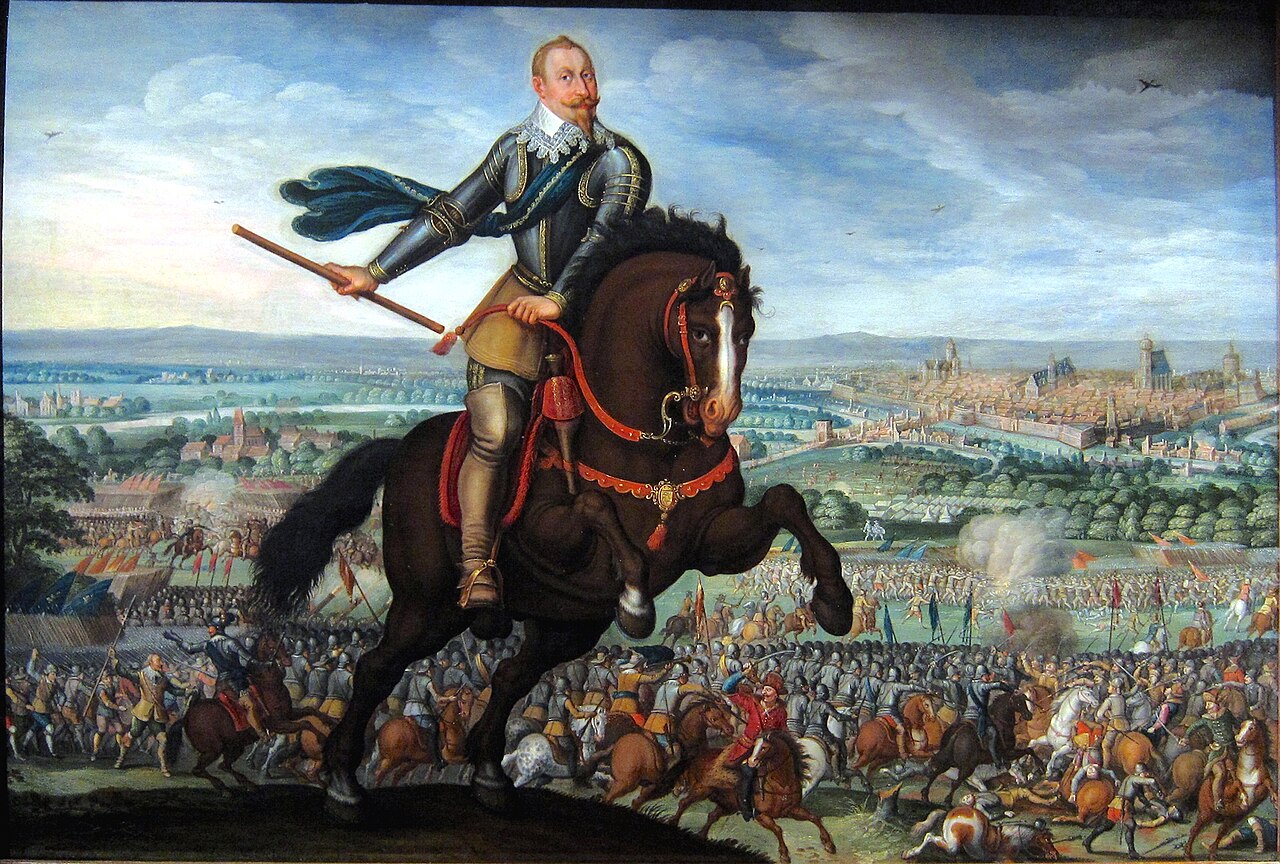
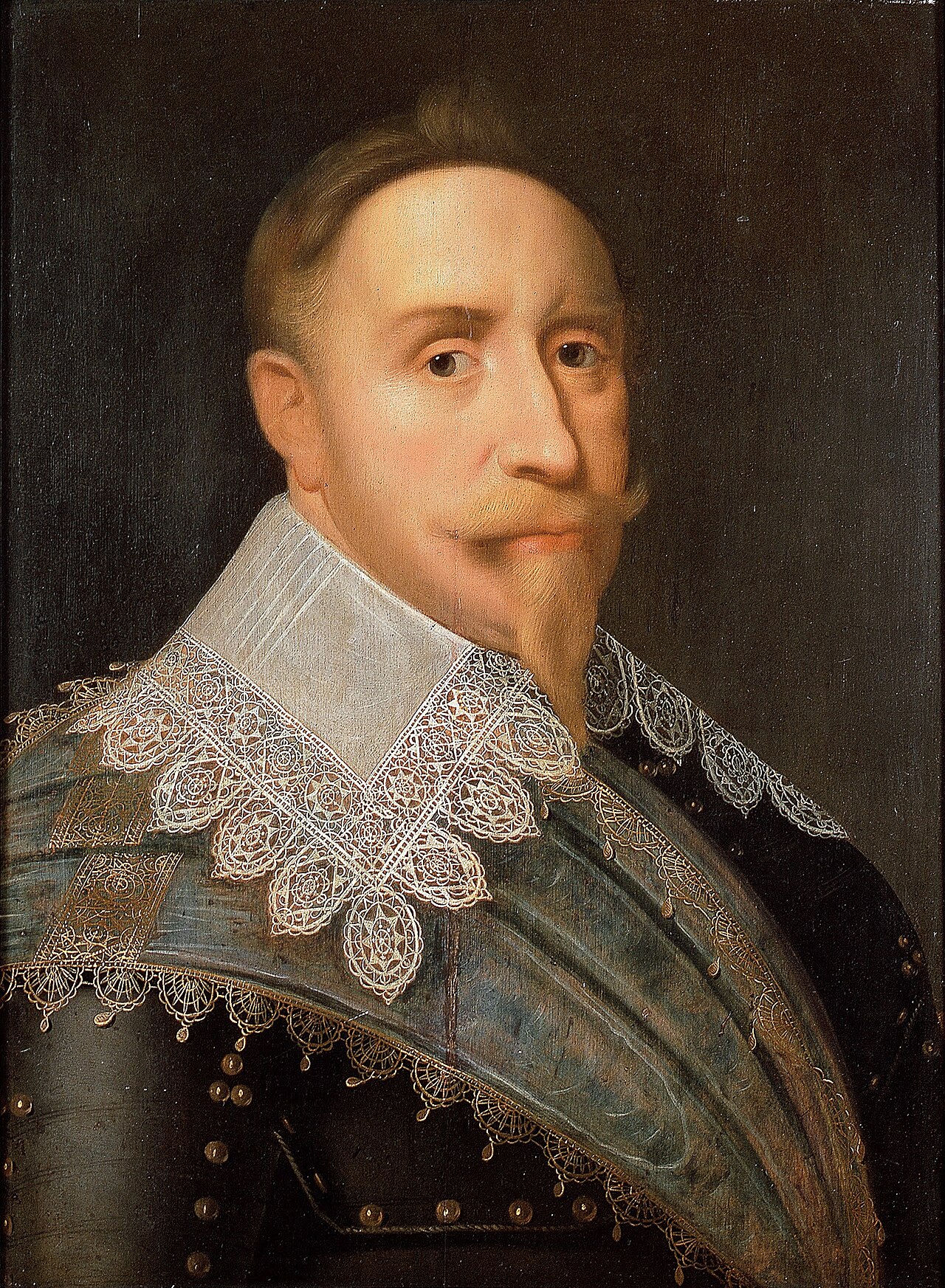
Free account
Read every Gustavus Adolphus source
Sign up free →
Ready when you are
Start chatting with Gustavus Adolphus now.
20 messages free · No credit card · Available in 50+ languages.