


Primary sourceBook1815
Troubadour
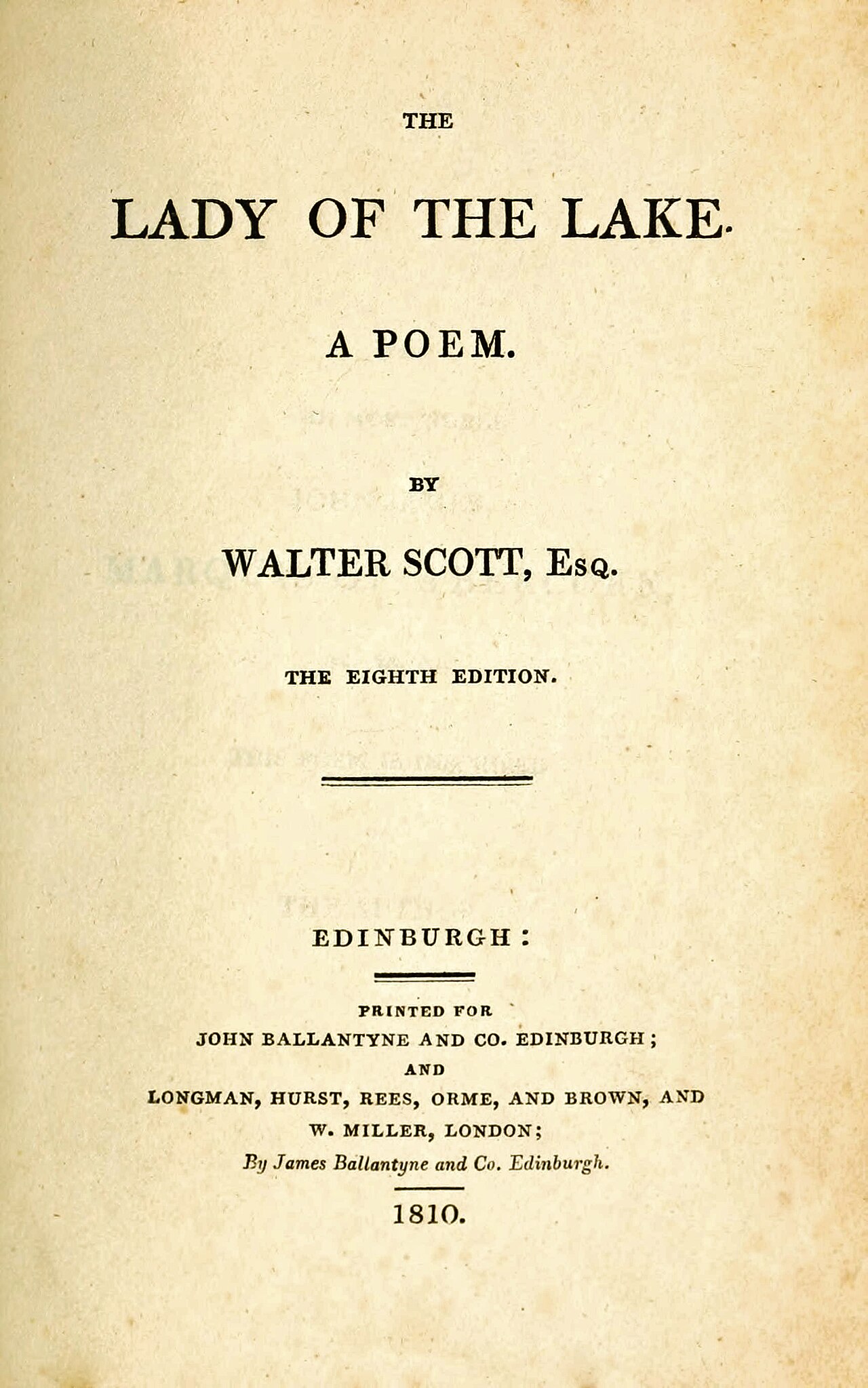
Walter Scott · 1815
A ballad by Walter Scott, published in 1815, about a medieval troubadour who sings of love and country as he goes to battle and dies there.
Scott wrote this ballad himself, and it shows his medieval-inspired style and his romantic view of love and war.
Free Humy account · No credit card · 118,535 sources to read
About this source
What it is
This is a ballad by Walter Scott, dated 1815 in its archive record. Its refrain repeats the same lines in each stanza. A troubadour rides to war singing of his love and his country, then falls on the battlefield while still singing. The archive lists it as a complete poem by Scott.
Why it matters
The poem shows how Scott used the medieval past to explore loyalty, love and courage. Its idea of dying for love and fame reflects the romantic ideals that many writers of the early 1800s admired. It shows Scott's skill with the ballad form, which he used in many of his works.
Look closer
- The troubadour keeps singing as he dies. Why might Scott show a warrior whose song outlasts his life?
- The refrain connects love and country. Which values does the poem present as worth dying for?
- The poem celebrates war through a romantic hero. What does it leave out about the real cost of battle?
This book is part of the curated material that grounds the AI version of Walter Scott on Humy.ai — when students ask about related events, the AI can quote it and cite it.
More Walter Scott sources
Browse all 94 →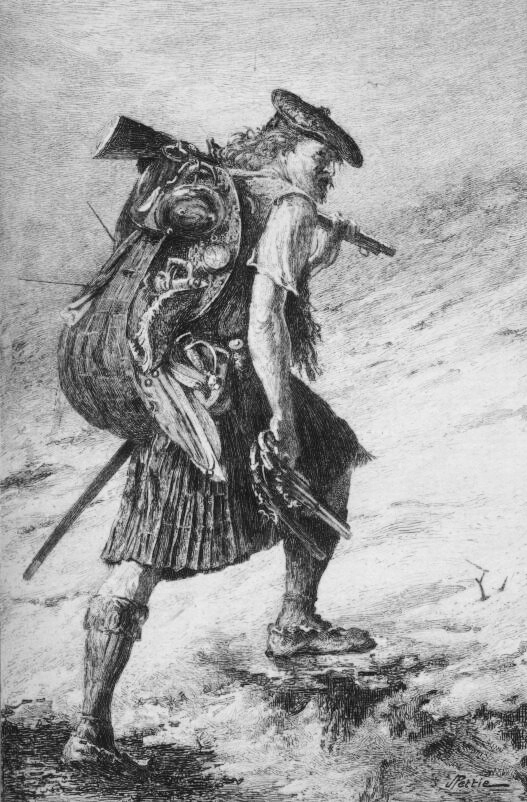
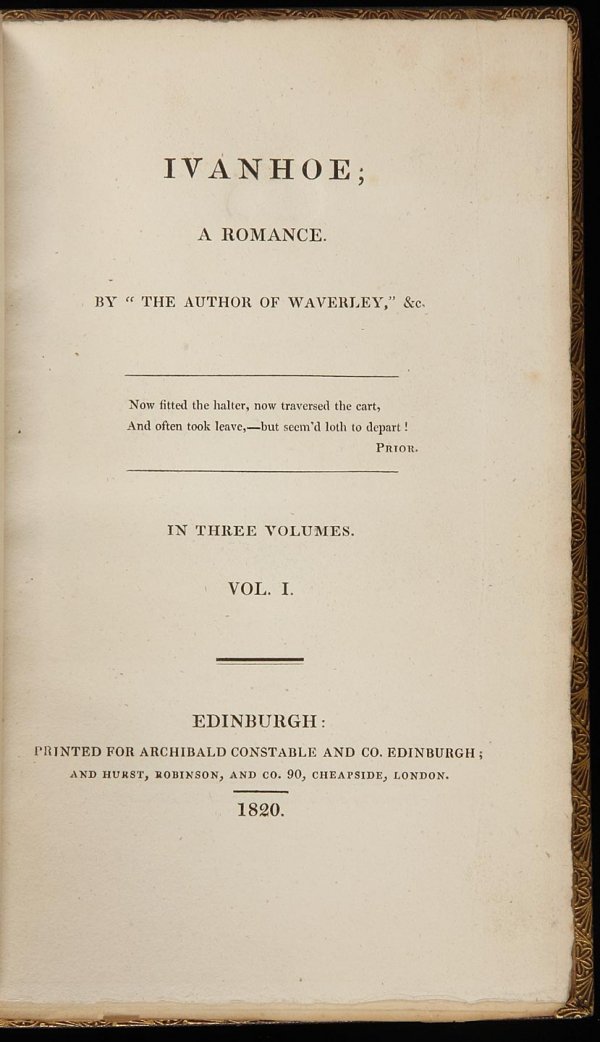
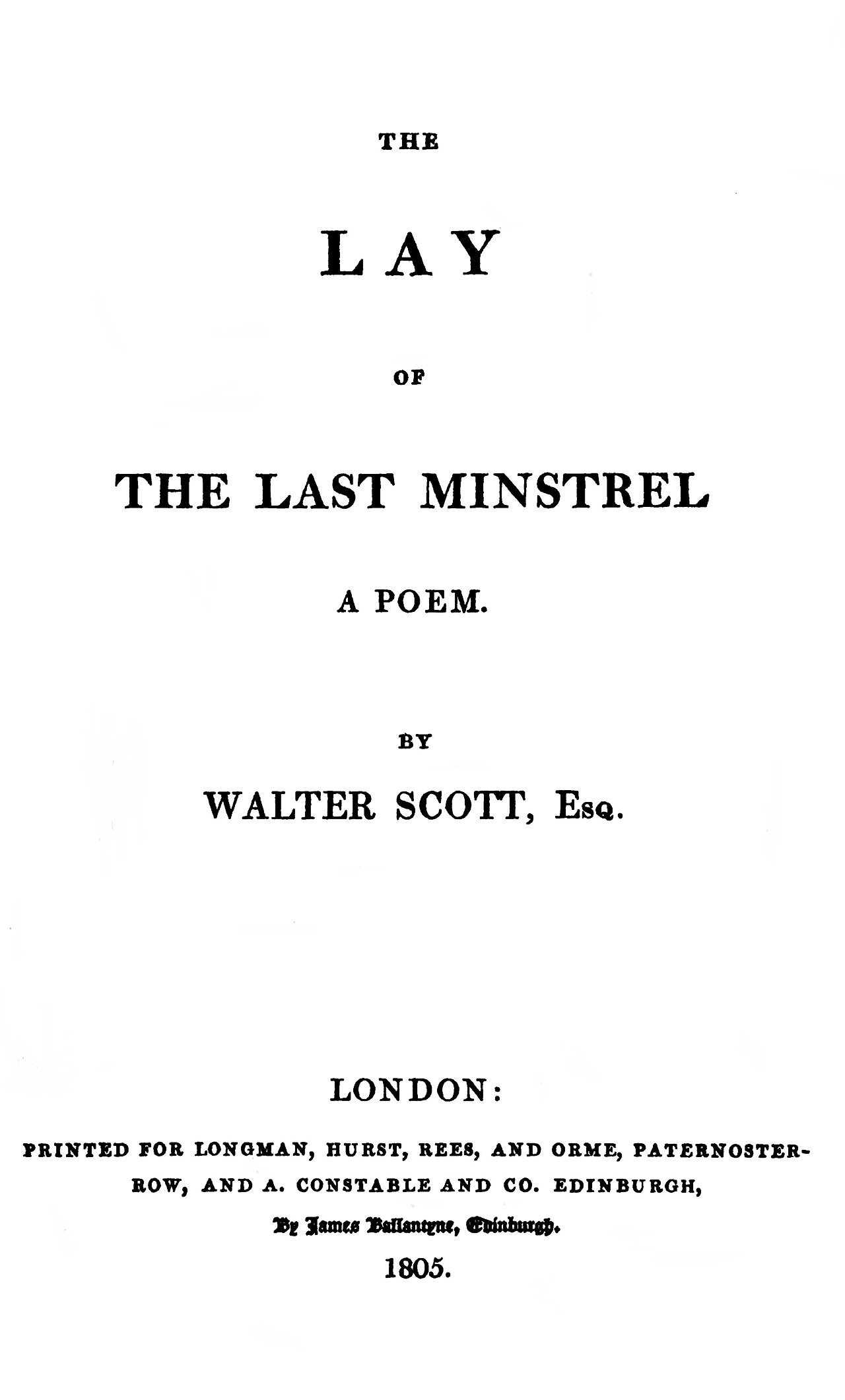
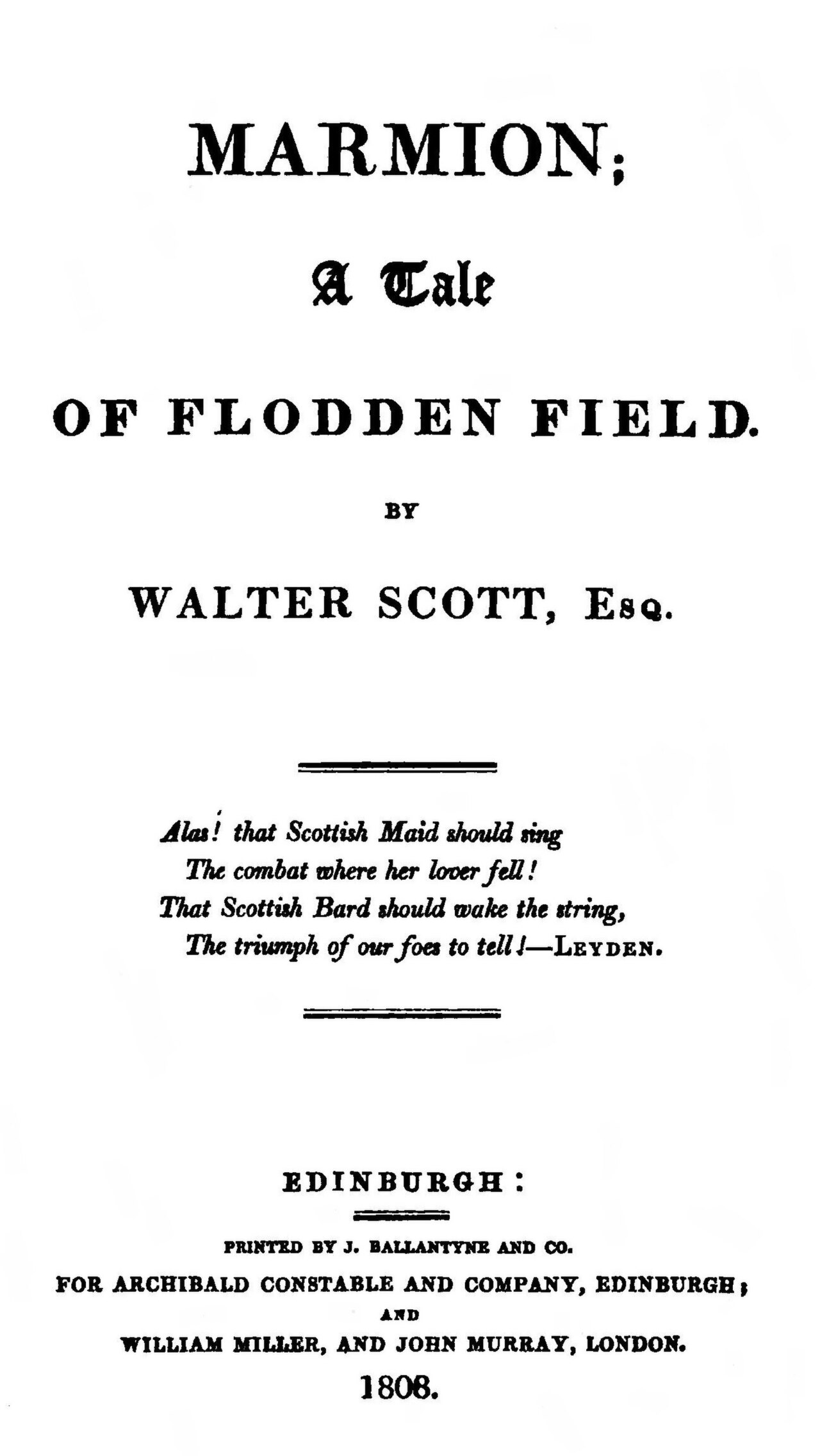
Ready when you are
Start chatting with Walter Scott now.
20 messages free · No credit card · Available in 50+ languages.