


Primary sourceBook1681
True Spiritual Liberty
William Penn · 1681
William Penn's own 1681 tract explaining his Quaker idea of freedom of conscience and spiritual liberty through Christ.
Penn's own tract on spiritual liberty, central to his religious thought as a Quaker leader.
About this source
What it is
This is a written tract by William Penn from 1681, addressed to fellow Quakers, explaining what he calls true spiritual liberty. It argues that real freedom comes through following Christ and resisting sin, not through doing as one pleases.
Why it matters
This source lets students read Penn's religious thinking in his own words. It shows how his idea of liberty was rooted in his Quaker faith, which shaped his later political actions, including his approach to governing Pennsylvania and his support for religious toleration.
Look closer
- How does Penn define liberty differently from how we might use the word today?
- Who is Penn writing to, and how might that affect his tone and arguments?
- What connections can you find between this religious text and Penn's later political decisions?
This book is part of the curated material that grounds the AI version of William Penn on Humy.ai — when students ask about related events, the AI can quote it and cite it.
More William Penn sources
Meet the AI William Penn →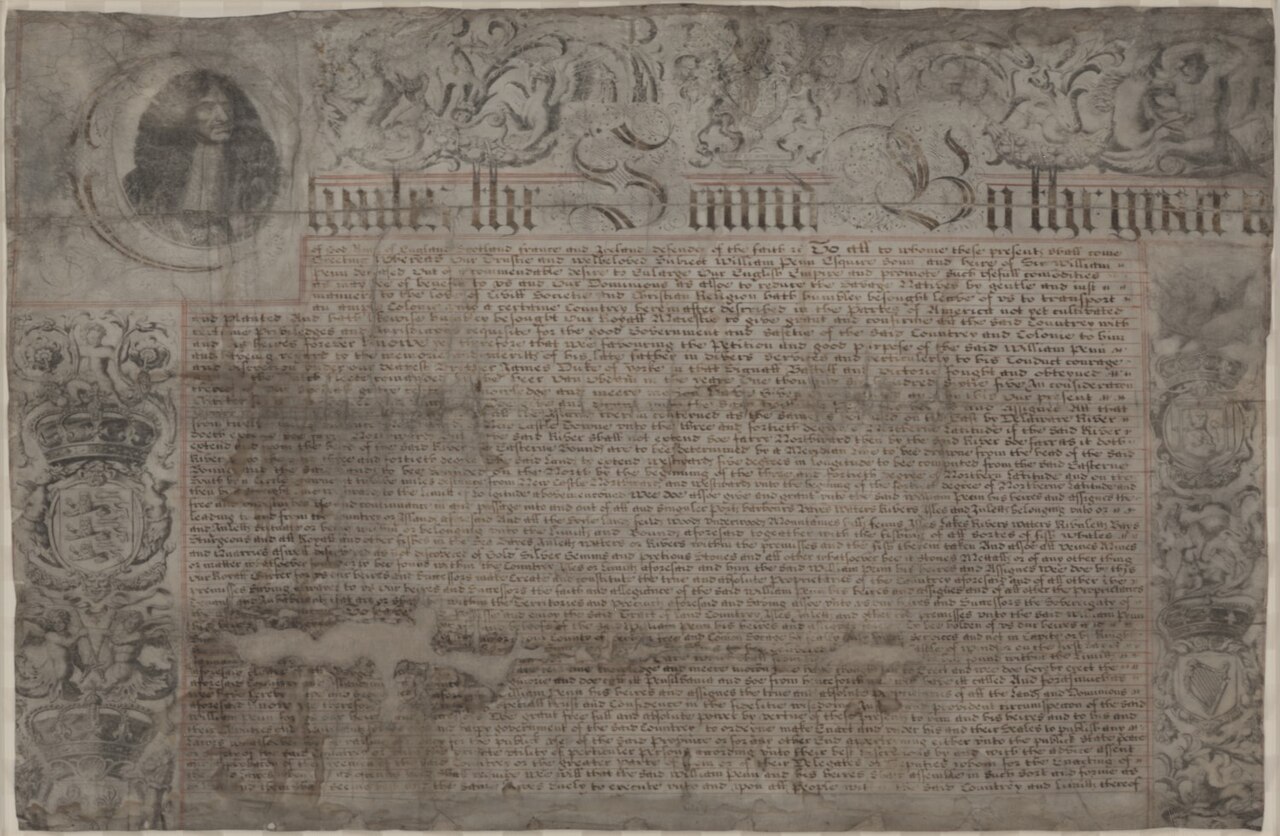 Document
Primary source
Charter for the Province of Pennsylvania
King Charles II of England · 4 March 1681
 Document
Primary source
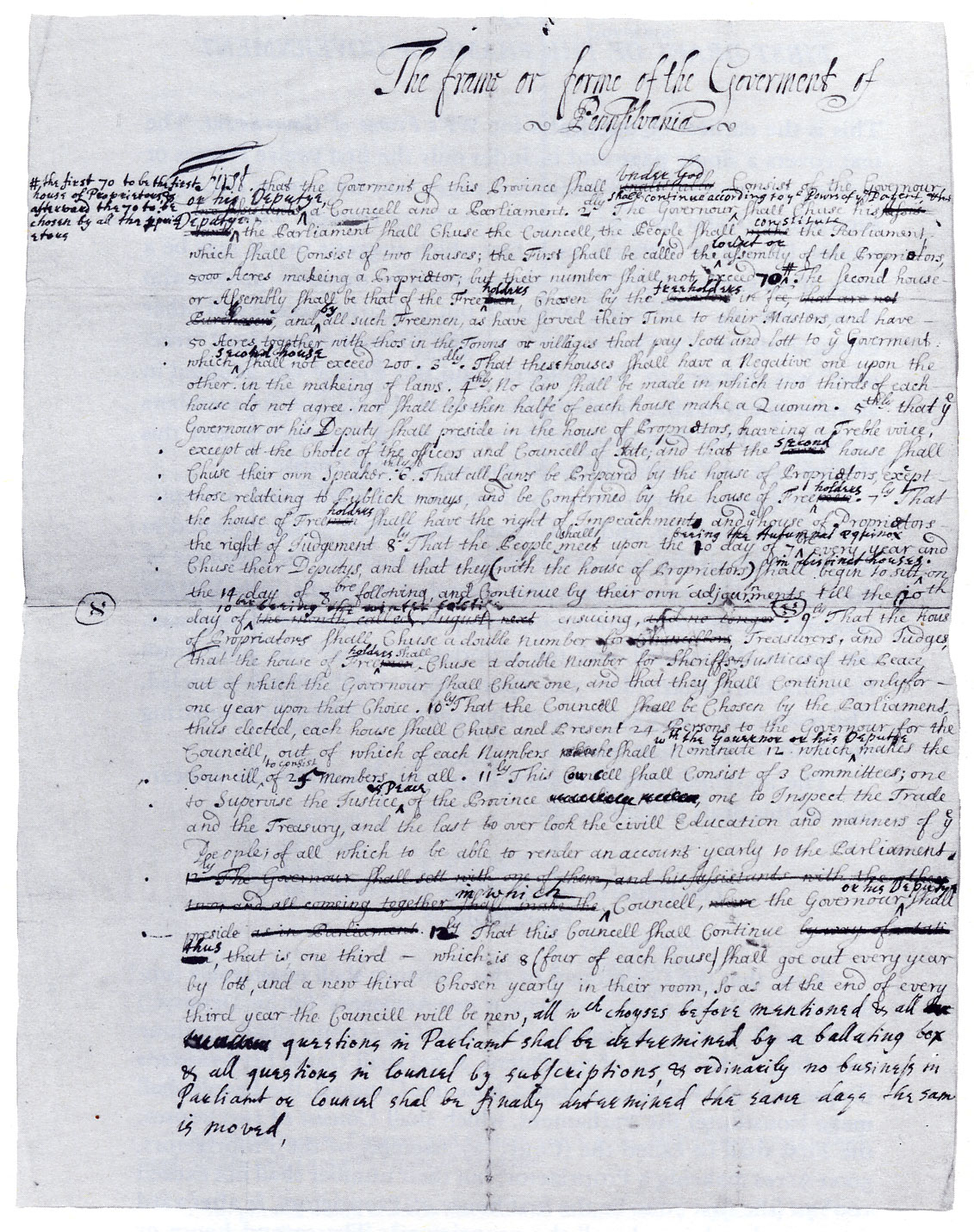
Frame of Government of Pennsylvania
William Penn · 1682
 Document
Primary source
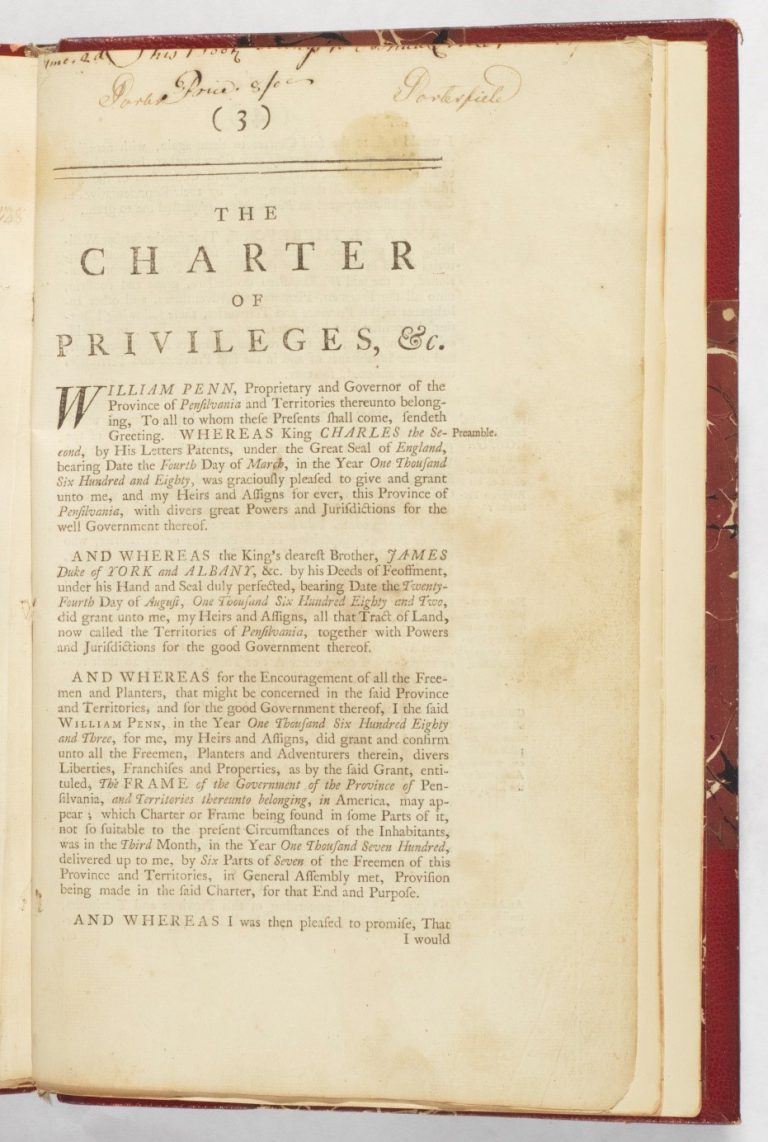
Charter of Privileges
William Penn · 28 October 1701
 Artifact
Primary source
Wampum Belt Presented to William Penn at the Great Treaty
 Artifact
Primary source
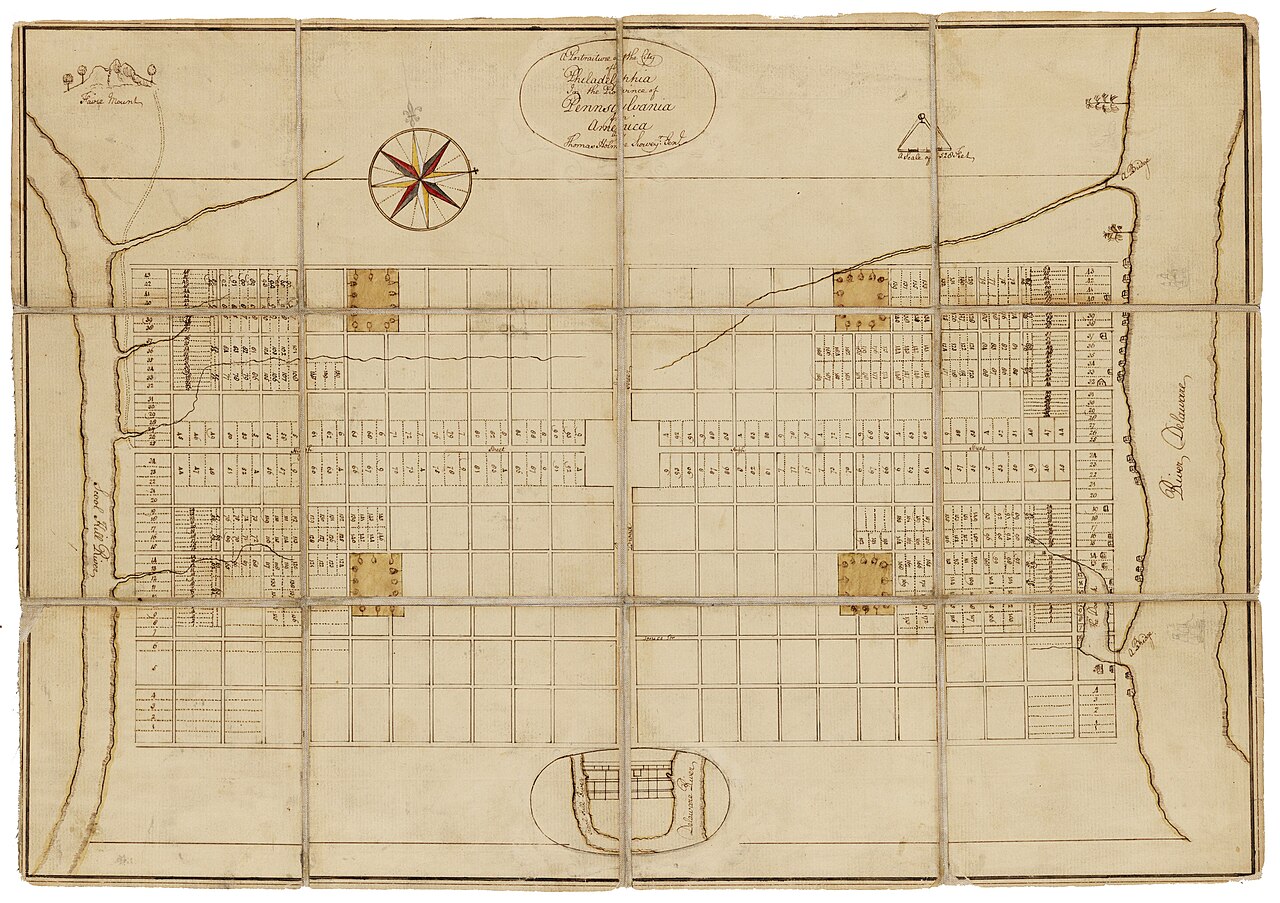
A Portraiture of the City of Philadelphia
Thomas Holme · 1683
Ready when you are
Start chatting with William Penn now.
20 messages free · No credit card · Available in 50+ languages.