


Primary sourceArtifact1st century CE
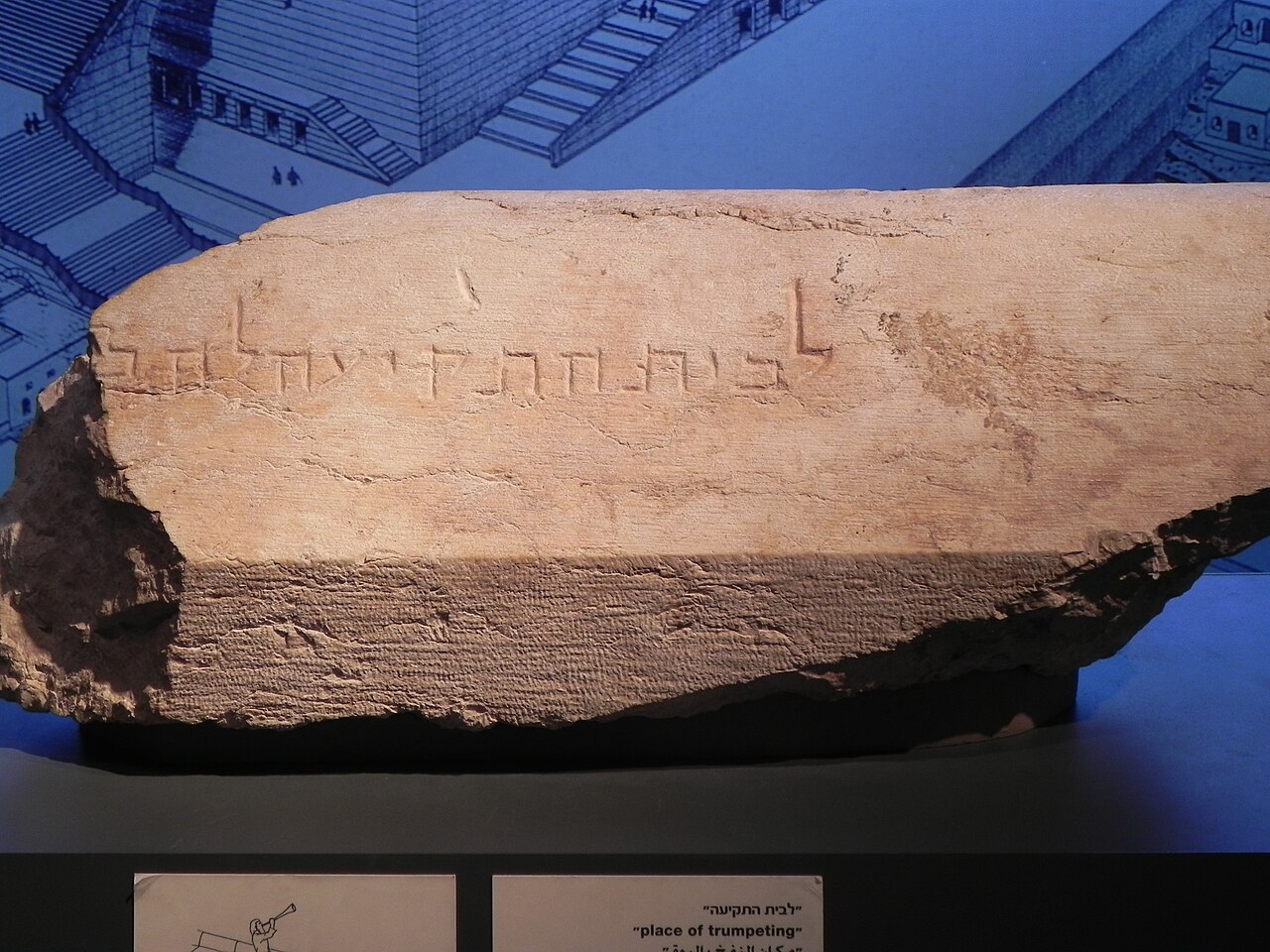
Trumpeting Place Inscription
1st century CE
A Hebrew-inscribed stone from the Second Temple, thrown down during the Roman destruction of Jerusalem in Titus's war.
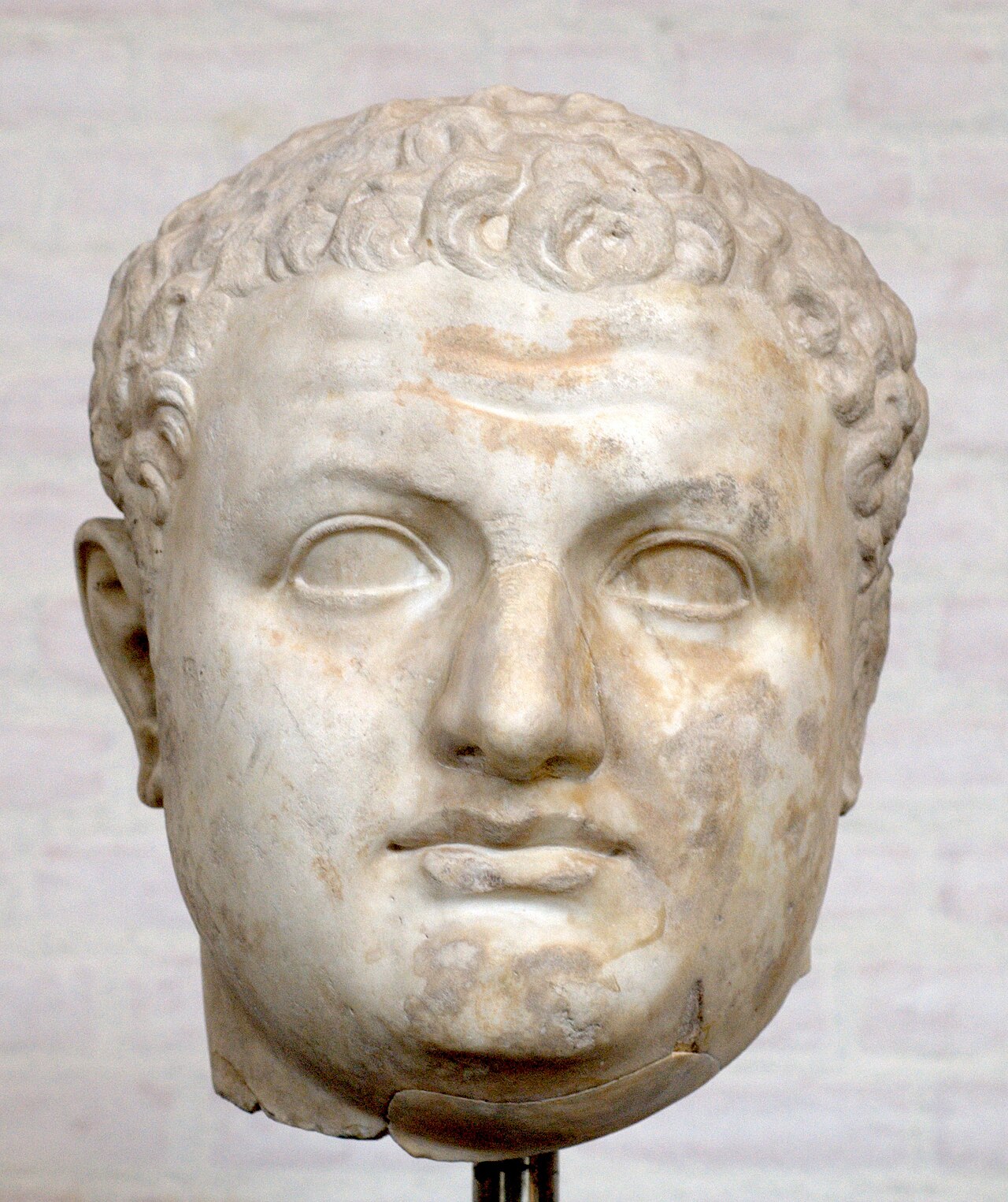
This stone is physical evidence of the Temple destroyed by the Roman army that Titus commanded.
About this source
What it is
This limestone block, carved in the Square Hebrew alphabet, once marked a spot on the Temple Mount where priests signaled the start and end of the Sabbath with a trumpet. It was discovered in 1968 during excavations led by Benjamin Mazar and is now held by the Israel Museum.
Why it matters
The stone is believed to have fallen from the Temple Mount during the Roman destruction of Jerusalem in 70 CE, during the war that Titus commanded as general and later became famous for. It is physical evidence of the Temple that his army destroyed, connecting directly to the events described by the ancient historian Josephus.
Look closer
- What does the fact that only two words survive tell you about how the stone was damaged?
- Why might archaeologists connect this stone to a passage written by Josephus?
- What does this object tell you about daily religious life before the destruction?
This artifact is part of the curated material that grounds the AI version of Titus, Josephus and Herod the Great on Humy.ai — when students ask about related events, the AI can quote it and cite it.
More Titus sources
Browse all 98 →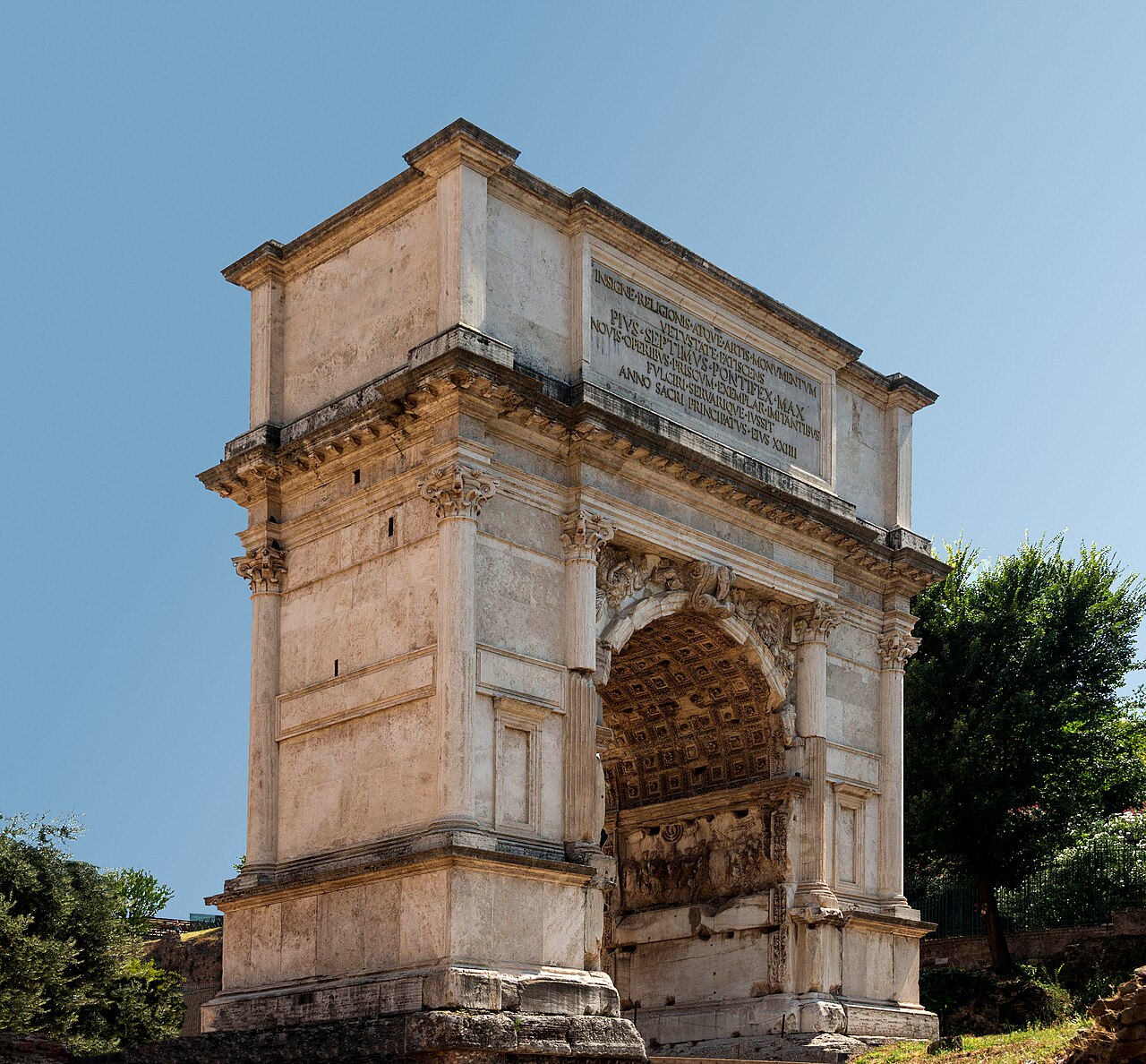 Artifact
Primary source
Arch of Titus
Rabirius · c. 81–82 AD
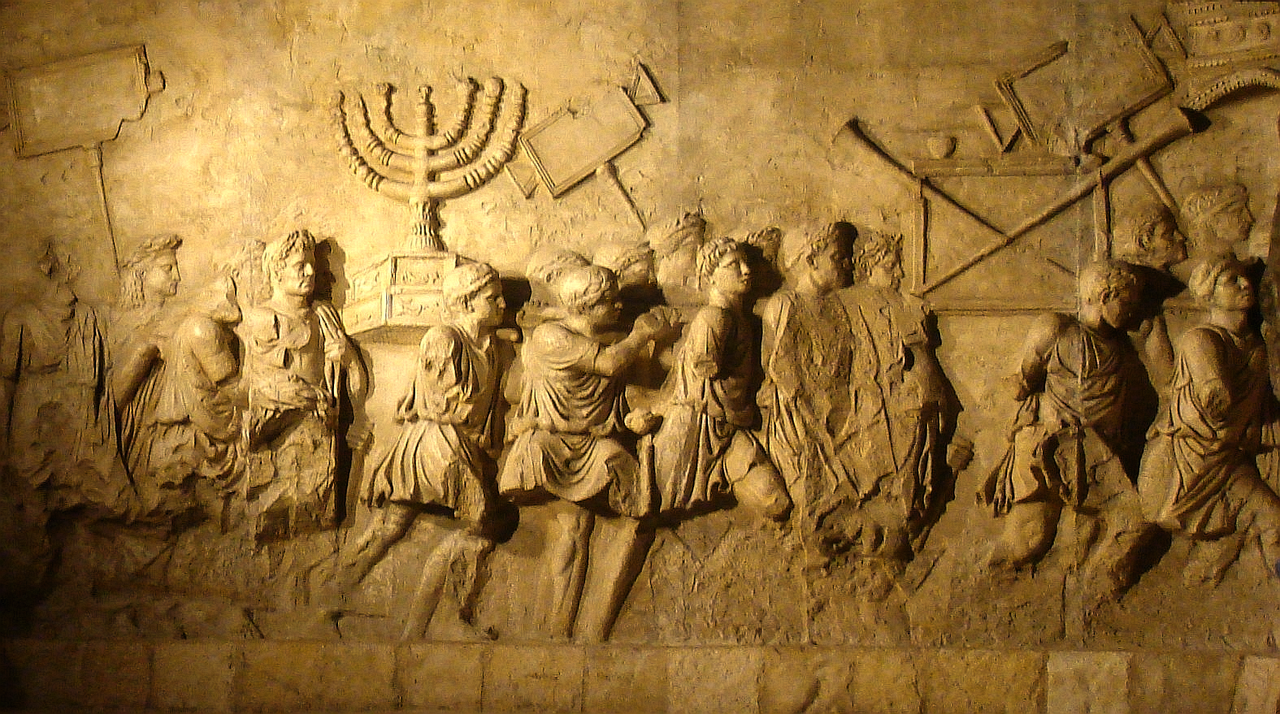 Sculpture
Secondary source
Spoils of Jerusalem Relief (Menorah Panel)
Roman sculptors under Domitian · c. 81–82 AD
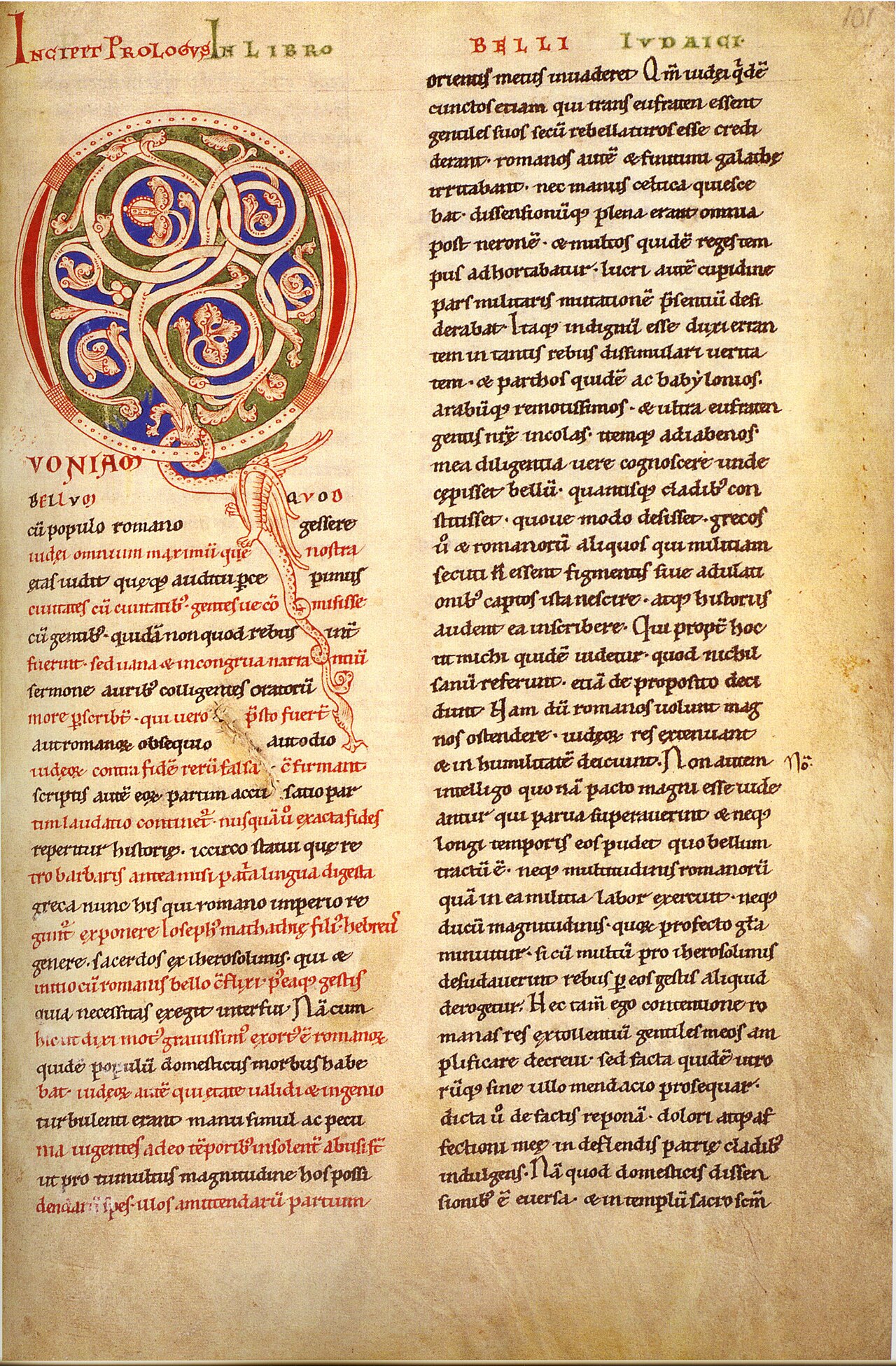 Book
Secondary source
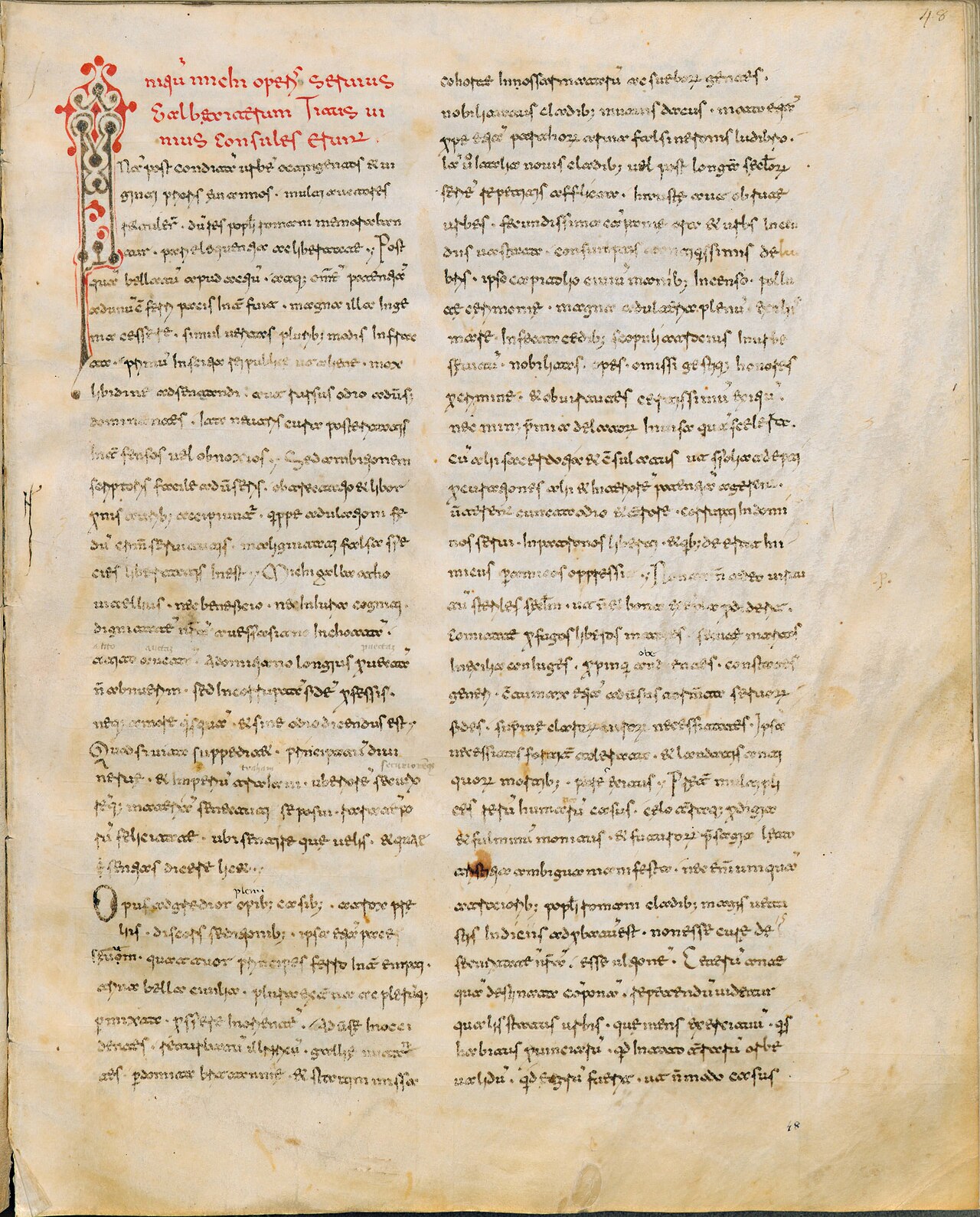
The Jewish War
Josephus · c. AD 75
 Artifact
Primary source
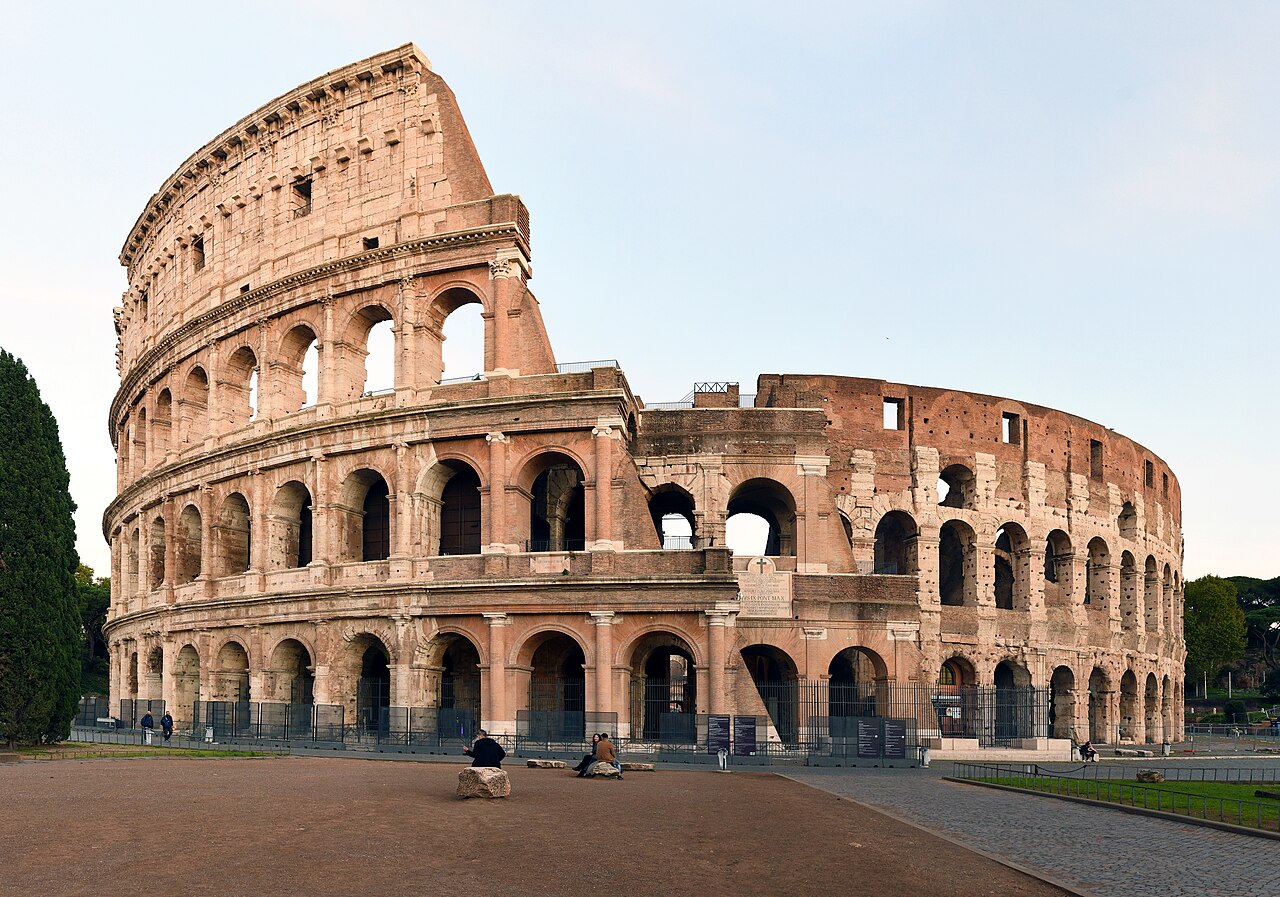
Colosseum
begun 72 AD, completed 80 AD
Free account
Read every Titus source
Sign up free →
Ready when you are
Start chatting with Titus now.
20 messages free · No credit card · Available in 50+ languages.