


Secondary sourceArtifact17th century
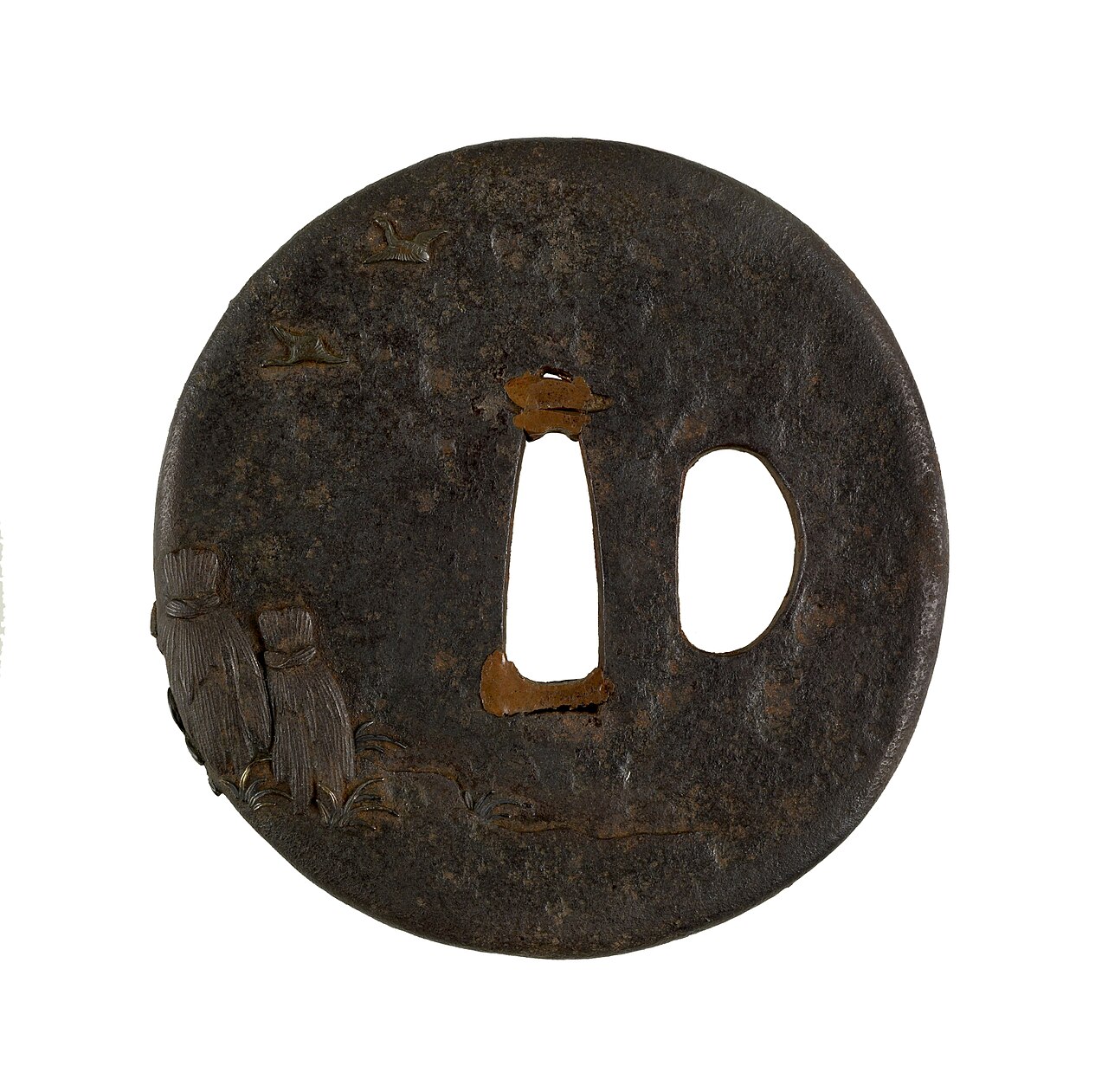
Tsuba with Samurai Watching Wild Geese
Unknown · 17th century
A 17th-century sword guard said to depict the troops of Yoritomo at the Battle of Fujikawa, startled by a flock of geese.
Said to depict Yoritomo's troops at the Battle of Fujikawa, part of his campaign to found the Kamakura shogunate.
About this source
What it is
This is a round iron sword guard (tsuba) made by an unknown Japanese craftsman in the 17th century. It is decorated with figures of samurai and a flock of geese in flight, said to represent the troops of Minamoto no Yoritomo at the Battle of Fujikawa in 1180 against the forces of Taira no Koremori.
Why it matters
According to the tradition behind this design, the noise of geese startled by Yoritomo's army caused Koremori's troops to flee, believing they were under attack. Whether or not this exact story is strictly accurate, the tsuba shows how battle legends about Yoritomo's rise became part of everyday craft and samurai culture centuries later.
Look closer
- Why might a swordsmith choose a famous battle story to decorate a sword guard?
- What does this tell you about how samurai legends were passed down?
- How much of this scene do you think is historical fact, and how much is legend?
This artifact is part of the curated material that grounds the AI version of Minamoto no Yoritomo on Humy.ai — when students ask about related events, the AI can quote it and cite it.
More Minamoto no Yoritomo sources
Browse all 88 →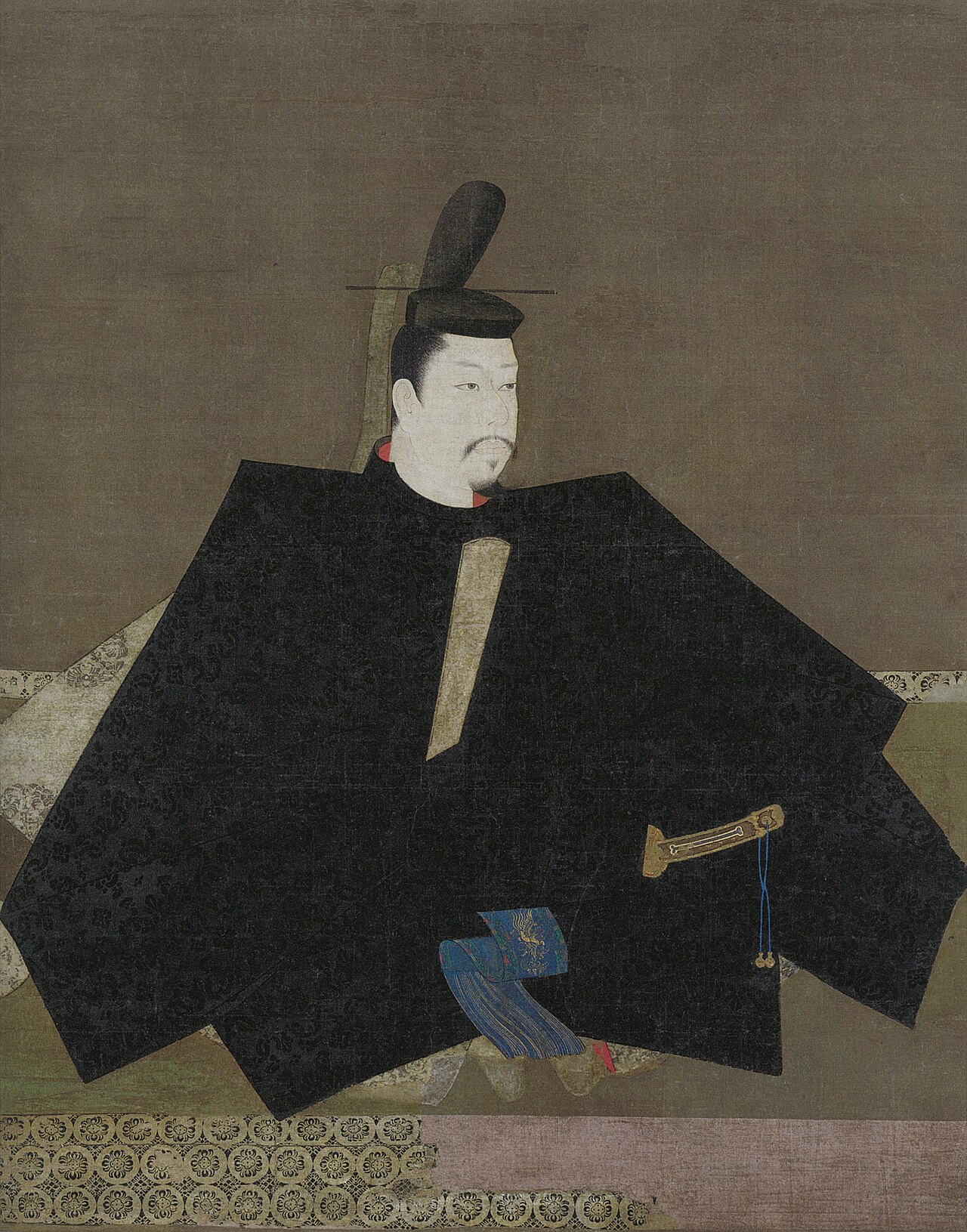 Painting
Secondary source
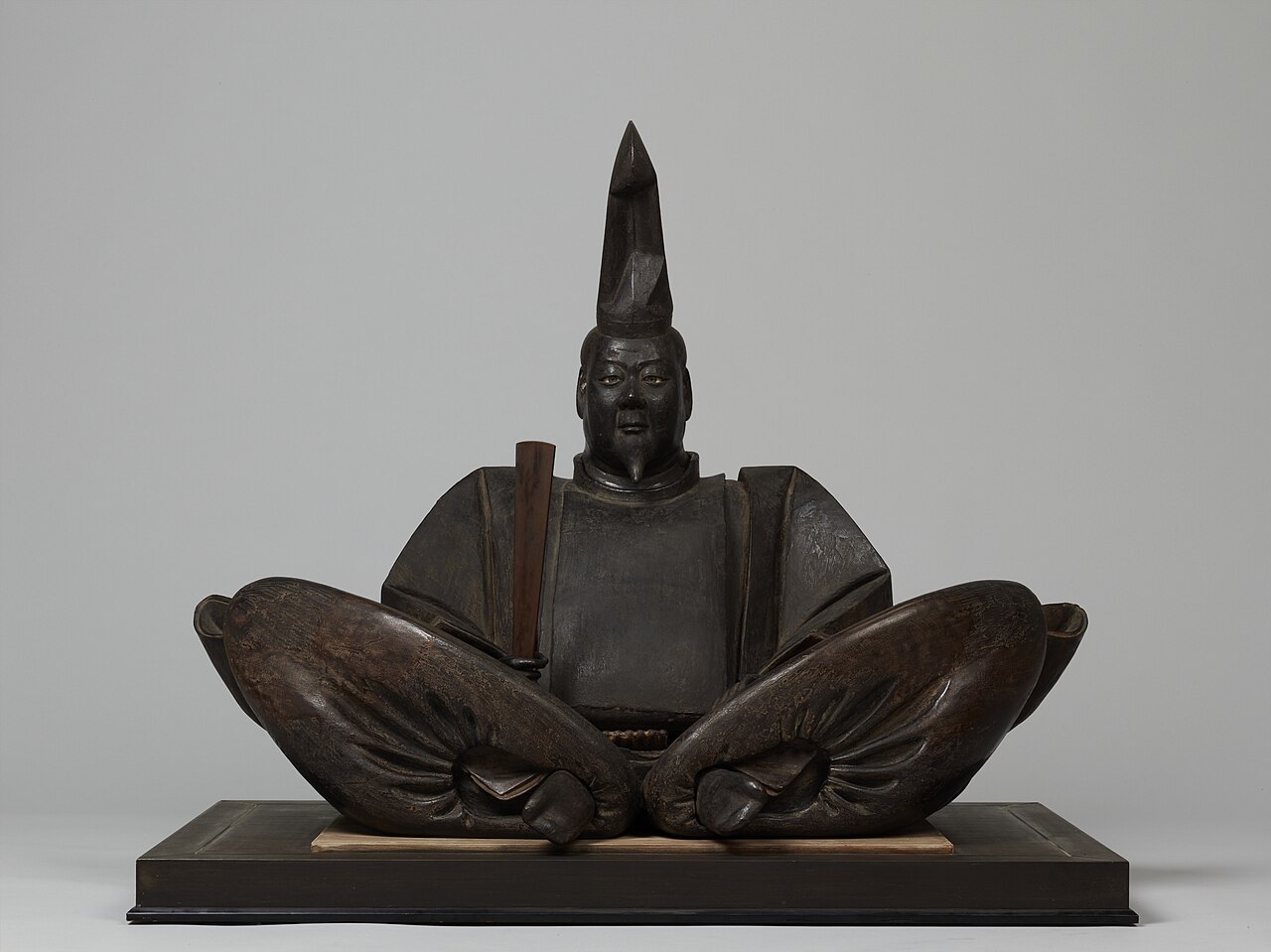
Minamoto no Yoritomo
Fujiwara no Takanobu · 1179
 Document
Primary source
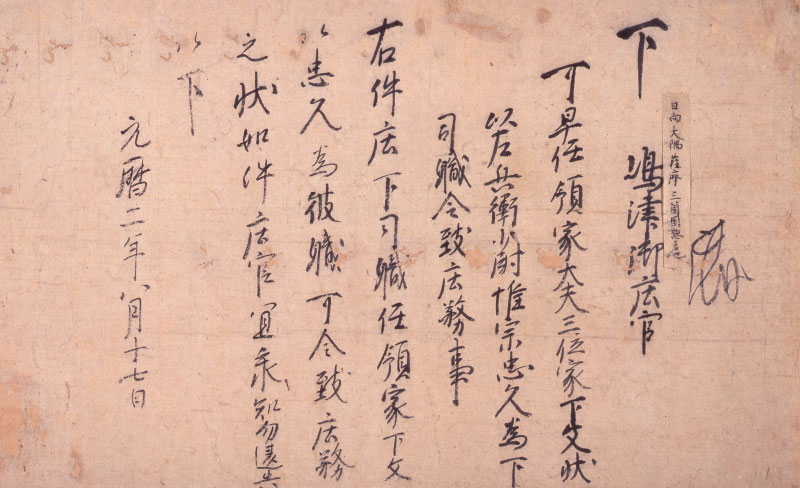
Shimazuke Monjo
 Document
Primary source
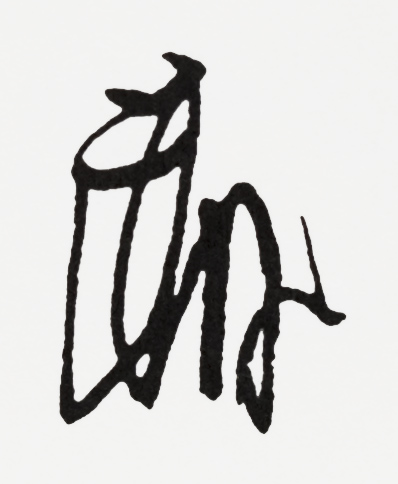
Signature of Minamoto no Yoritomo
Minamoto no Yoritomo
 Book
Secondary source
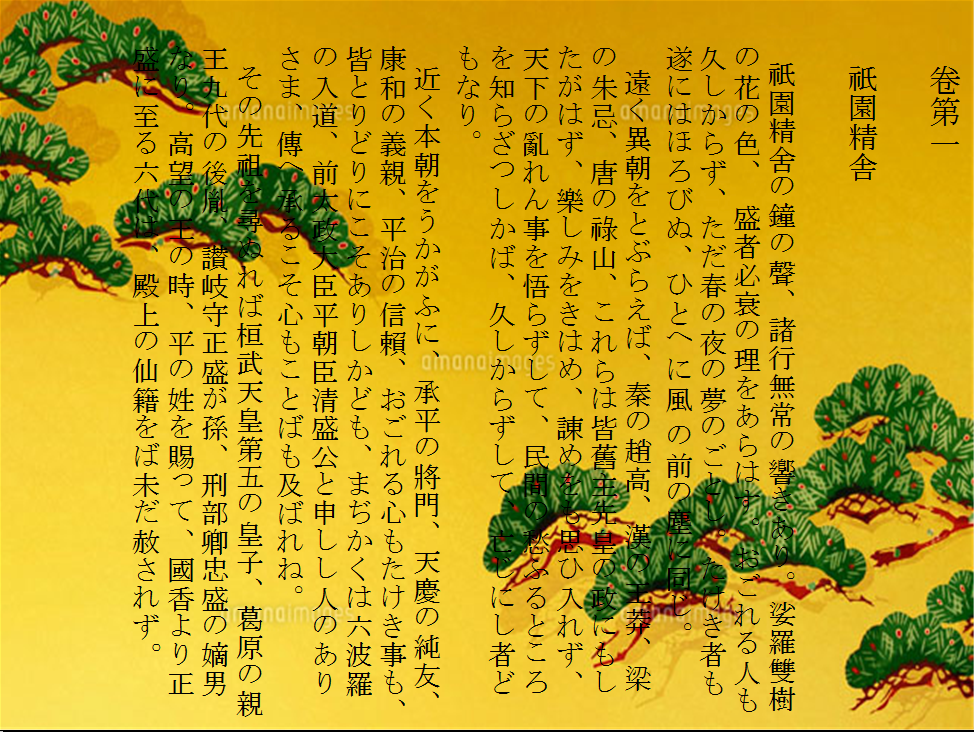
The Tale of the Heike
Akashi Kakuichi · compiled prior to 1330, Kakuichi version c. 1371

Free account
Read every Minamoto no Yoritomo source
Sign up free →
Ready when you are
Start chatting with Minamoto no Yoritomo now.
20 messages free · No credit card · Available in 50+ languages.