


Secondary sourceArtifact1063 (moved 1180–1191)
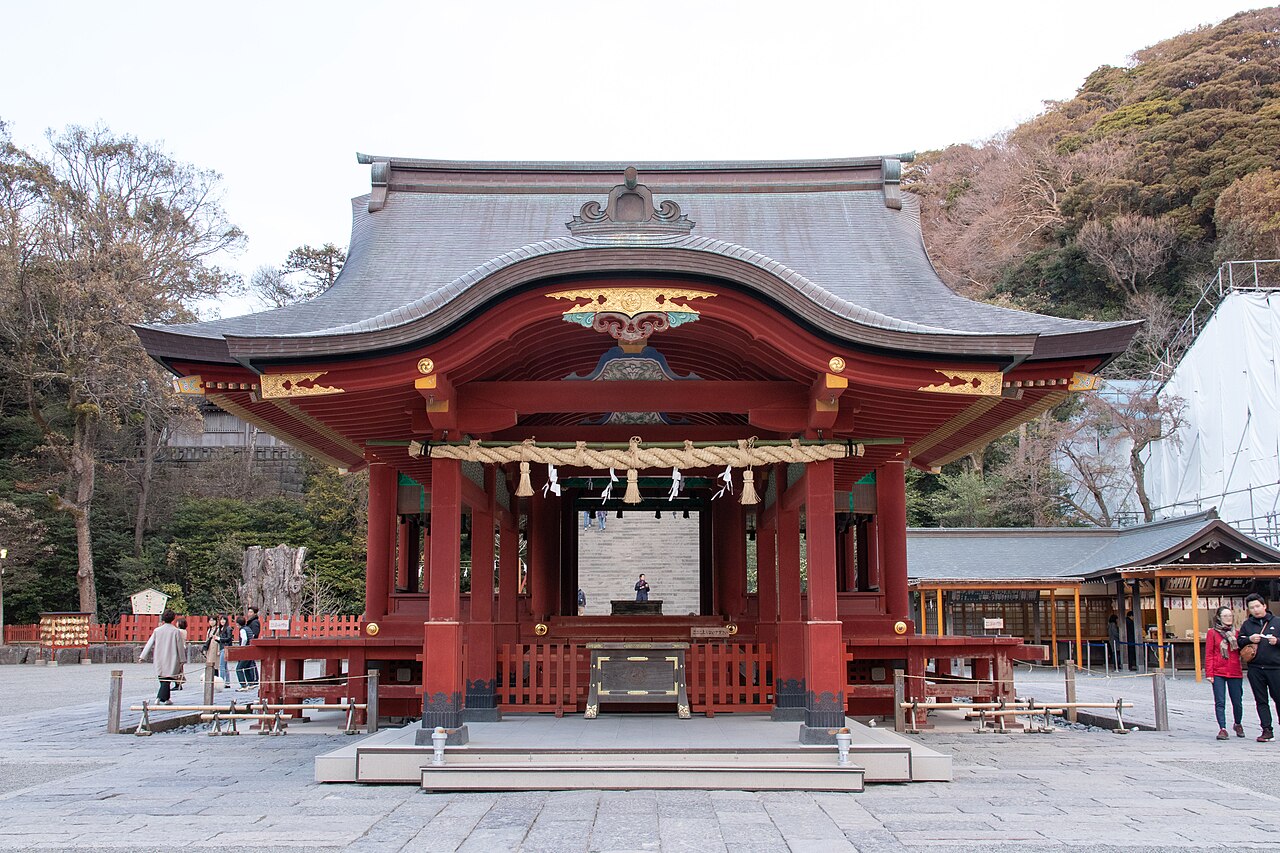
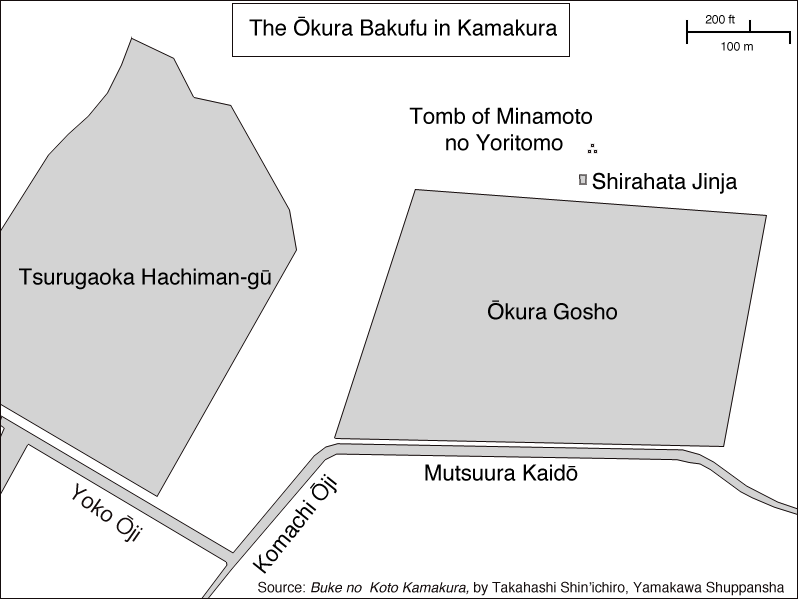
Tsurugaoka Hachimangū
1063 (moved 1180–1191)
The chief Shinto shrine of Kamakura, moved to its present site and made the ritual centre of Yoritomo's new capital.
Yoritomo moved this shrine to Kamakura to serve as the ritual and spatial centre of his new shogunate.
About this source
What it is
Tsurugaoka Hachimangū is a Shinto shrine in Kamakura, Japan, originally founded in 1063 as a branch of Iwashimizu Shrine. It was dedicated to the deified Emperor Ōjin (Hachiman), his mother Empress Jingū, and his wife Hime-gami.
Why it matters
Minamoto no Yoritomo, founder of the Kamakura shogunate, moved the shrine to its current location, inviting Hachiman to protect his new government. It became the ritual and spatial centre of Kamakura, and later was the site of the assassination of his son, shōgun Minamoto no Sanetomo. For centuries it combined Shinto and Buddhist worship, until the Meiji government's separation order forced changes that damaged its original form.
Look closer
- Why would a warrior leader want a shrine at the centre of his capital?
- What does the shrine's history of change tell you about shifting religious politics in Japan?
- What is missing from the shrine today compared to its original form?
This artifact is part of the curated material that grounds the AI version of Minamoto no Yoritomo on Humy.ai — when students ask about related events, the AI can quote it and cite it.
More Minamoto no Yoritomo sources
Browse all 88 →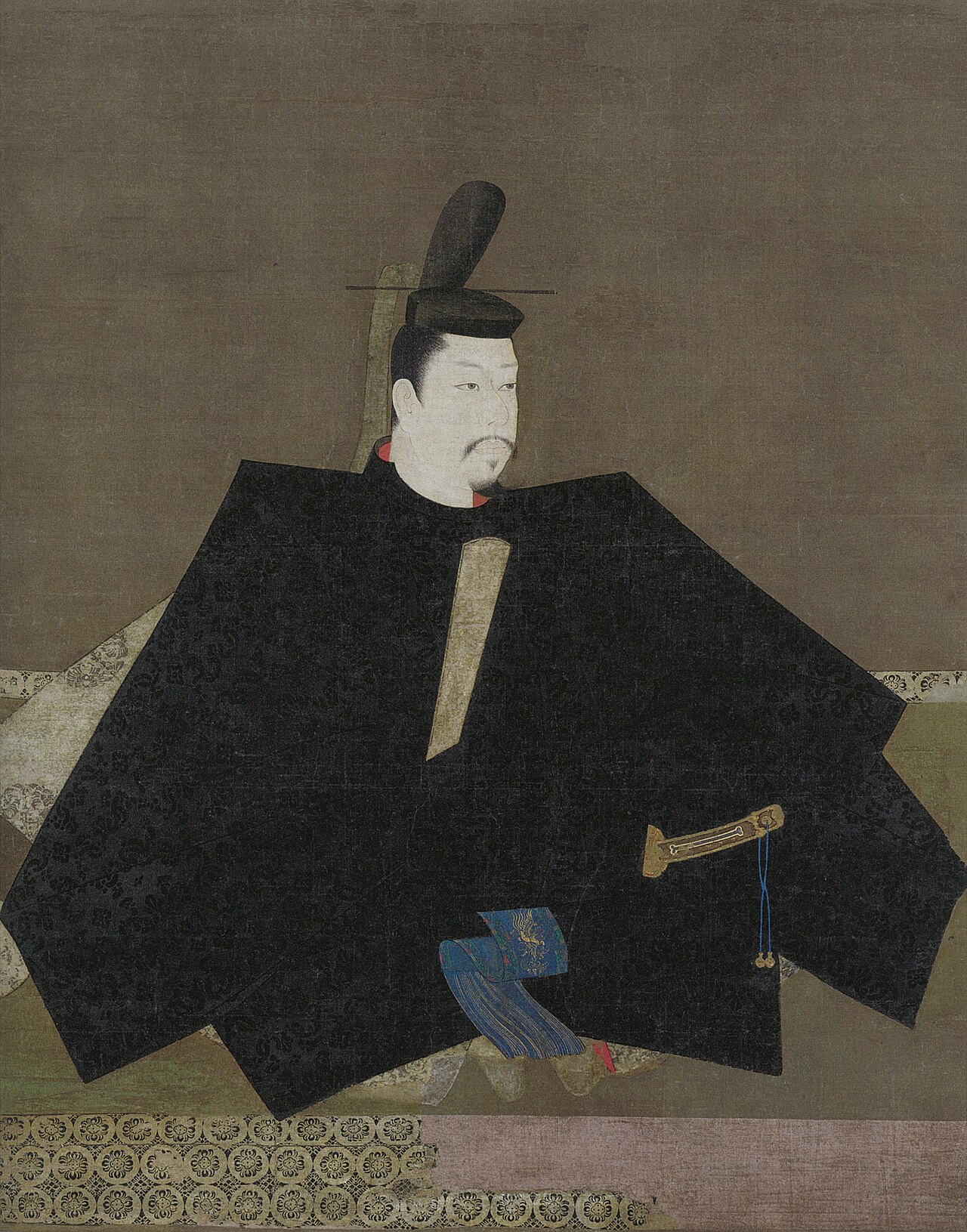 Painting
Secondary source
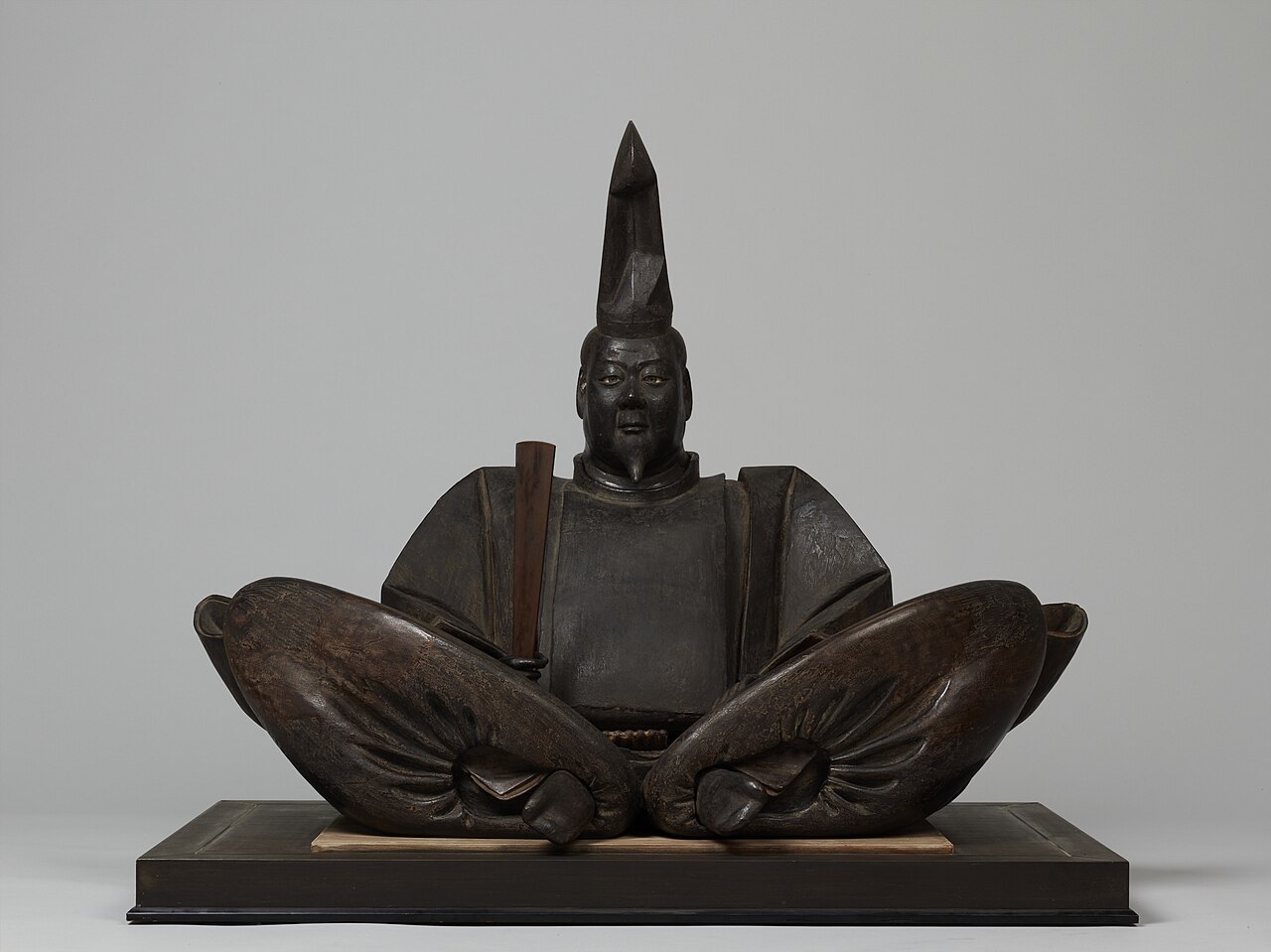
Minamoto no Yoritomo
Fujiwara no Takanobu · 1179
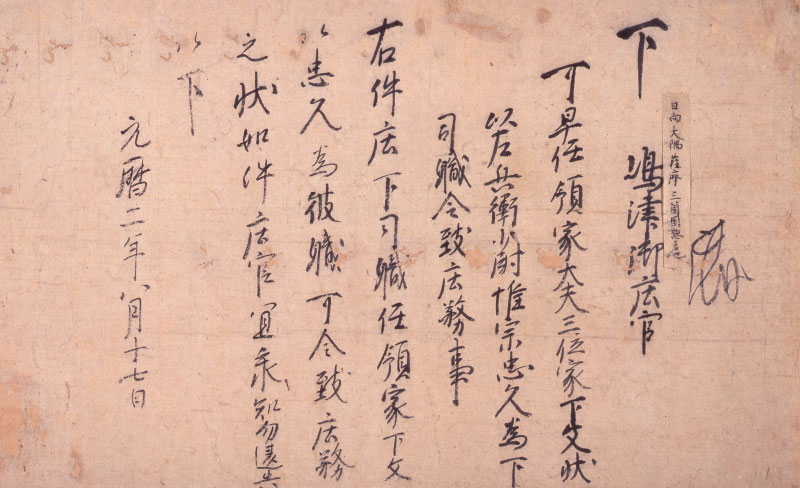 Document
Primary source
Shimazuke Monjo
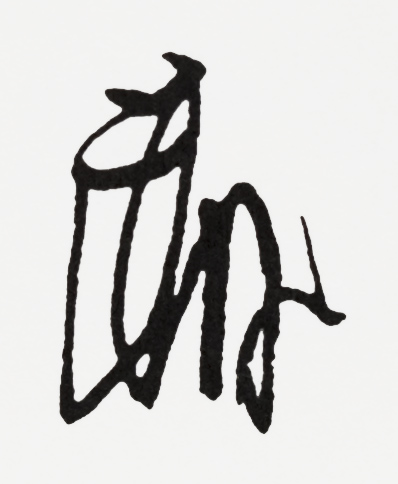 Document
Primary source
Signature of Minamoto no Yoritomo
Minamoto no Yoritomo
 Book
Secondary source
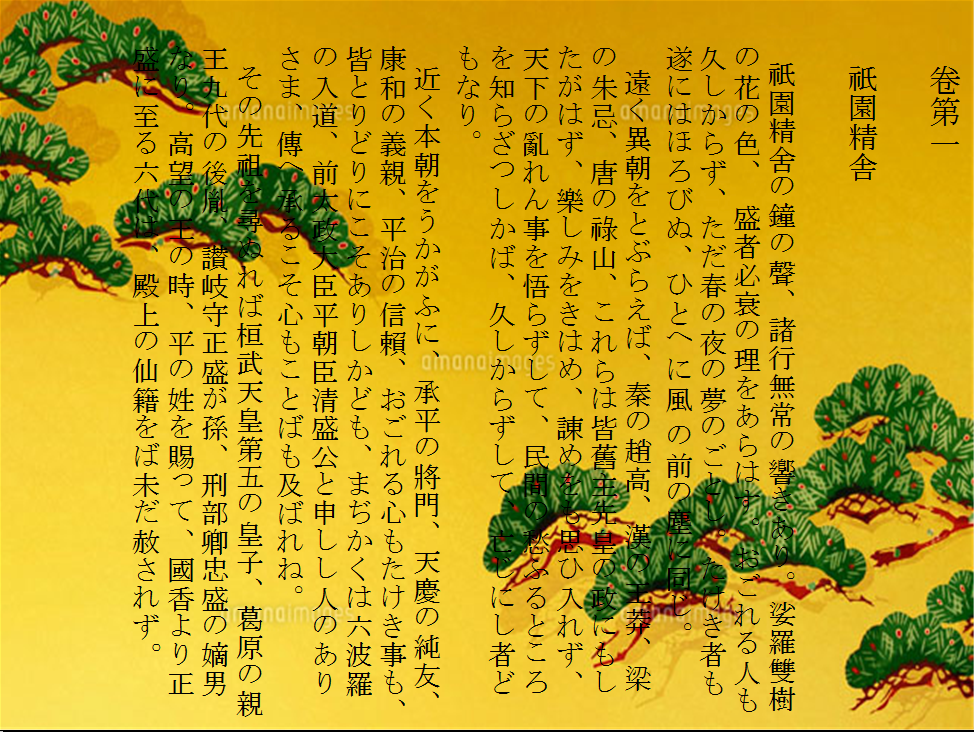
The Tale of the Heike
Akashi Kakuichi · compiled prior to 1330, Kakuichi version c. 1371

Free account
Read every Minamoto no Yoritomo source
Sign up free →
Ready when you are
Start chatting with Minamoto no Yoritomo now.
20 messages free · No credit card · Available in 50+ languages.