


Primary sourceArtifact1876-1909
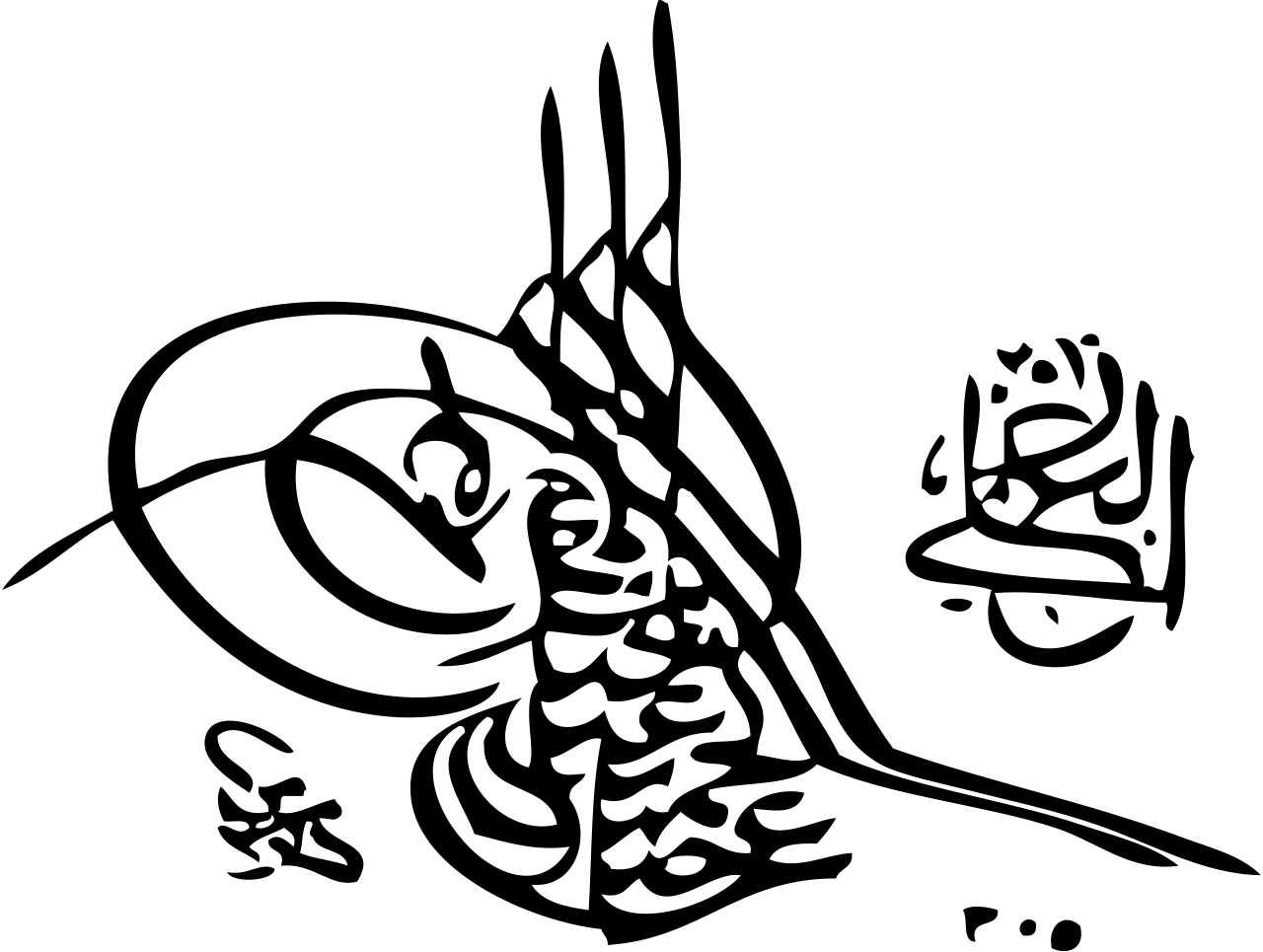
Tughra of Abdul Hamid II
1876-1909
The imperial calligraphic monogram, or tughra, used by Abdul Hamid II to authenticate his decrees and coins throughout his reign.
This is Abdul Hamid II's own imperial monogram, used to authenticate his decrees and coins throughout his reign.
About this source
What it is
This is the tughra, the elaborate calligraphic signature of Sultan Abdul Hamid II, used between 1876 and 1909. It combines tall vertical strokes, a large looping oval and interlaced Arabic script.
Why it matters
Every Ottoman sultan had his own tughra, which appeared on official documents, decrees and coins to show that they carried his authority. Studying it shows how Ottoman rulers used calligraphy, not a simple written name, as a mark of legitimacy and power.
Look closer
- What makes this mark harder to copy or forge than an ordinary signature?
- Why might a ruler want his authority represented by an elaborate design rather than plain writing?
- Where would you expect to find this symbol used across the empire?
This artifact is part of the curated material that grounds the AI version of Abdul Hamid II on Humy.ai — when students ask about related events, the AI can quote it and cite it.
More Abdul Hamid II sources
Browse all 94 →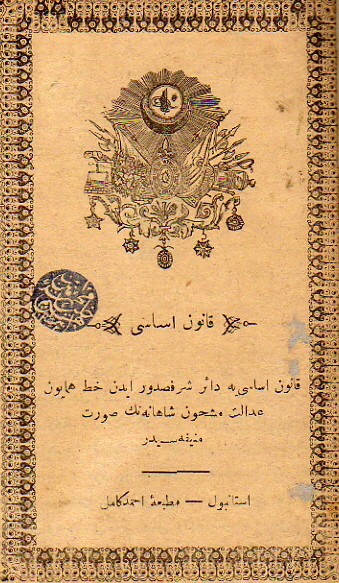 Document
Primary source
Ottoman constitution of 1876
Midhat Pasha · 23 December 1876
 Document
Primary source
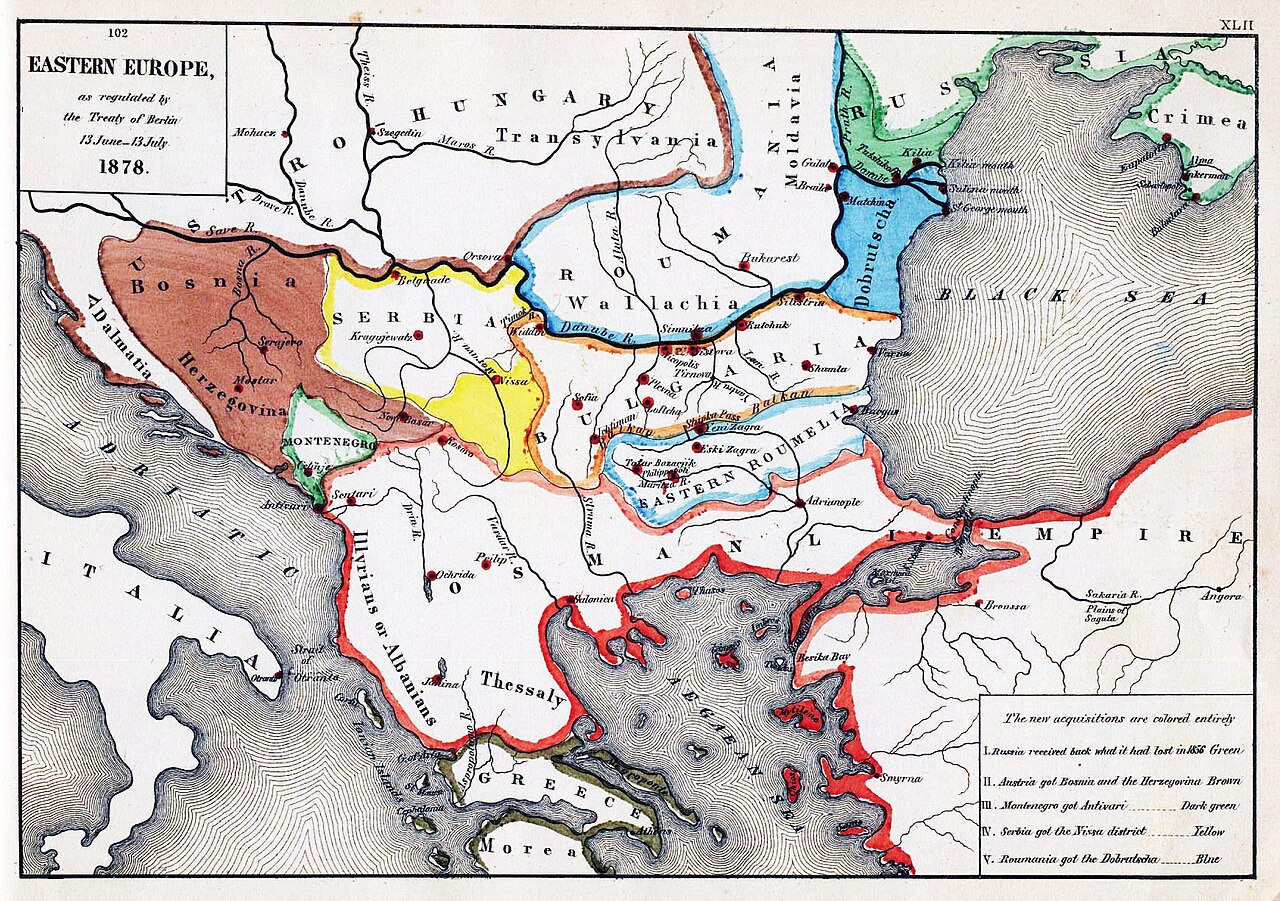
Treaty of Berlin of 1878
13 July 1878
 Document
Primary source
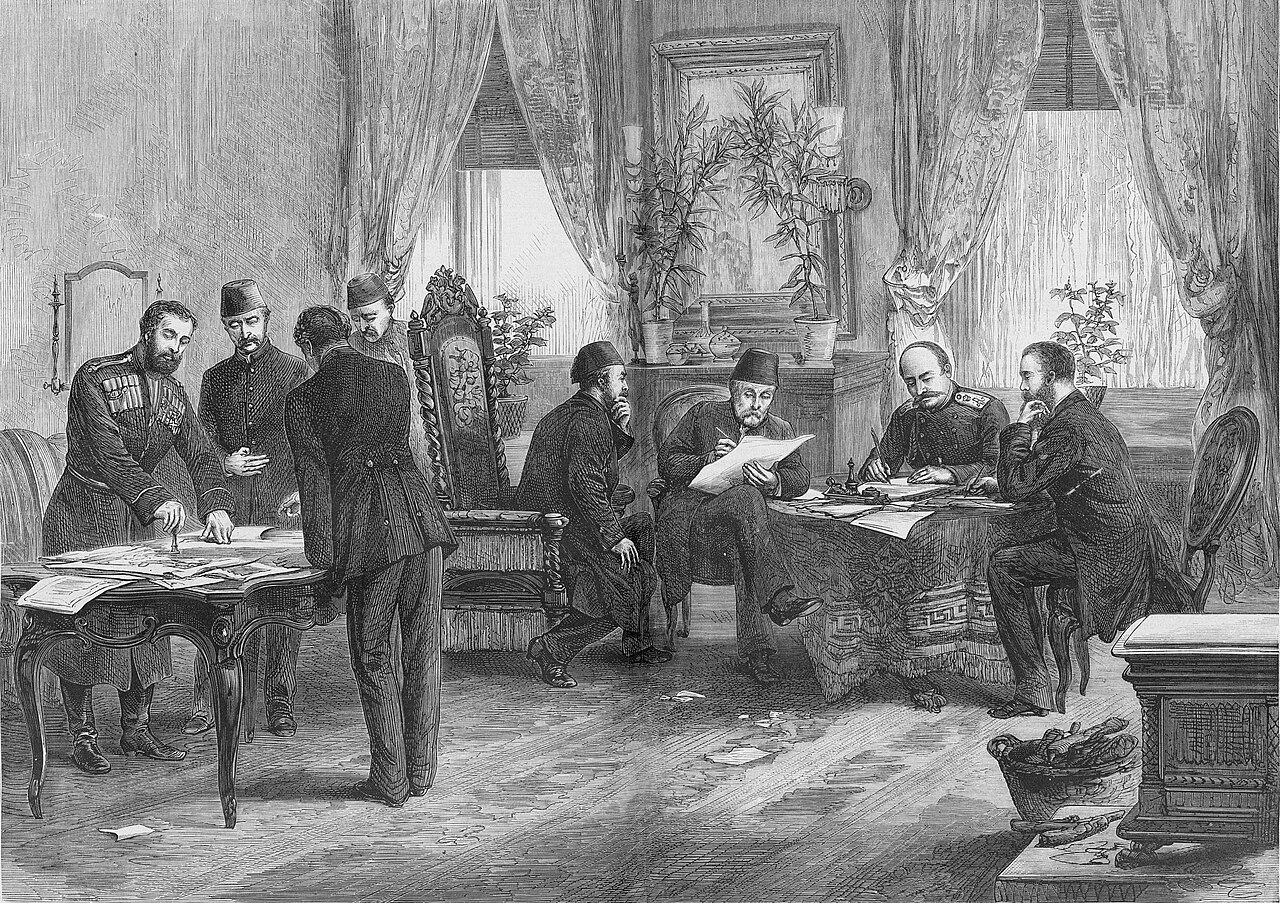
Treaty of San Stefano
3 March 1878
 Photograph
Primary source
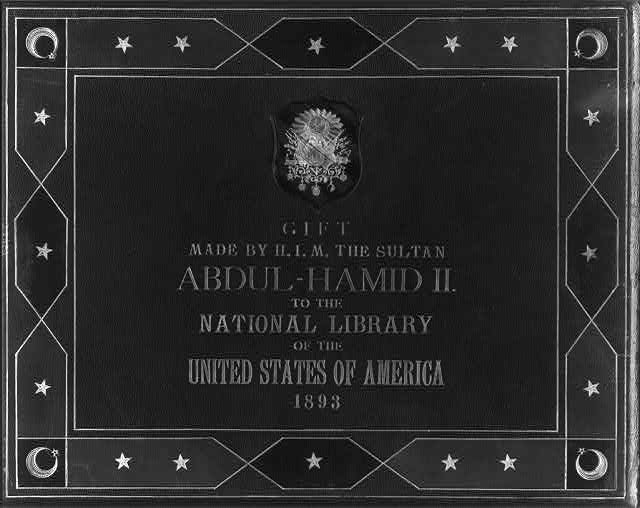
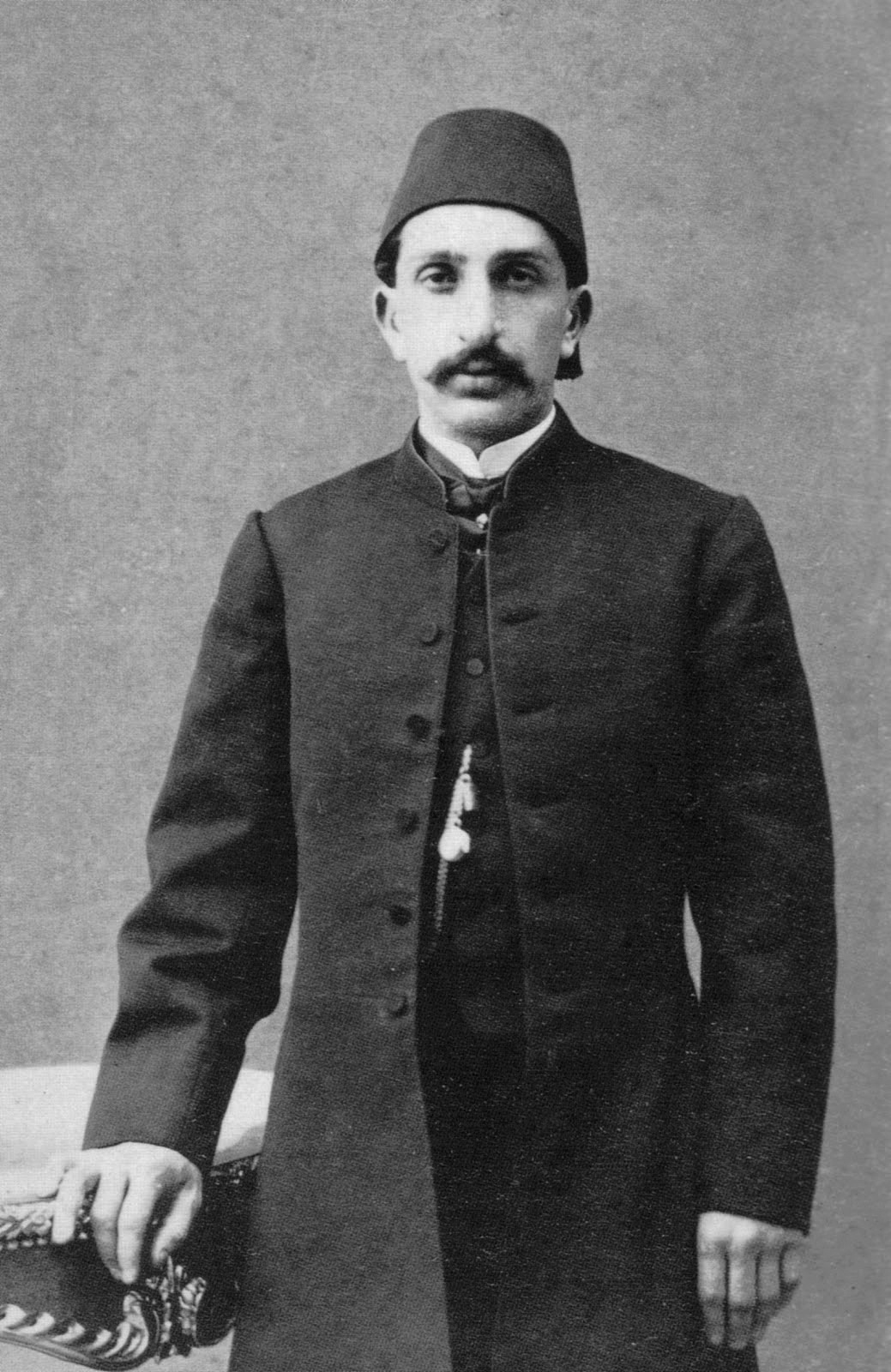
Abdul-Hamid II Collection of Photographs
Abdullah Fr\u00e8res, S\u00e9bah & Joaillier, Ph\u00e9bus and others · 1880-1893
Free account
Read every Abdul Hamid II source
Sign up free →
Ready when you are
Start chatting with Abdul Hamid II now.
20 messages free · No credit card · Available in 50+ languages.