


Primary sourceDocument
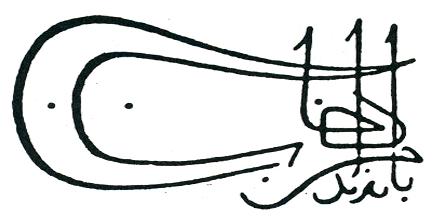
Tughra of Bayezid I
Unknown court calligrapher
The calligraphic monogram used by Sultan Bayezid I to authenticate his official decrees.
This is Bayezid I's own personal monogram, used to validate his decrees as sultan.
About this source
What it is
This tughra is the personal calligraphic monogram of Sultan Bayezid I, made by an unknown court calligrapher. Tughras like this were placed on official documents to show royal authority stood behind them.
Why it matters
The tughra reveals how the early Ottoman state developed its own system of chancery writing to validate the sultan's commands. As a symbol used throughout Bayezid's reign, it connects directly to his role as ruler and to the court officials who produced his documents.
Look closer
- What do the shapes and flourishes of the tughra suggest about its purpose?
- Why might a ruler need a special symbol instead of simply writing his name?
- What does this tell us about literacy and skilled craftsmen at the Ottoman court?
This document is part of the curated material that grounds the AI version of Bayezid I on Humy.ai — when students ask about related events, the AI can quote it and cite it.
More Bayezid I sources
Browse all 91 →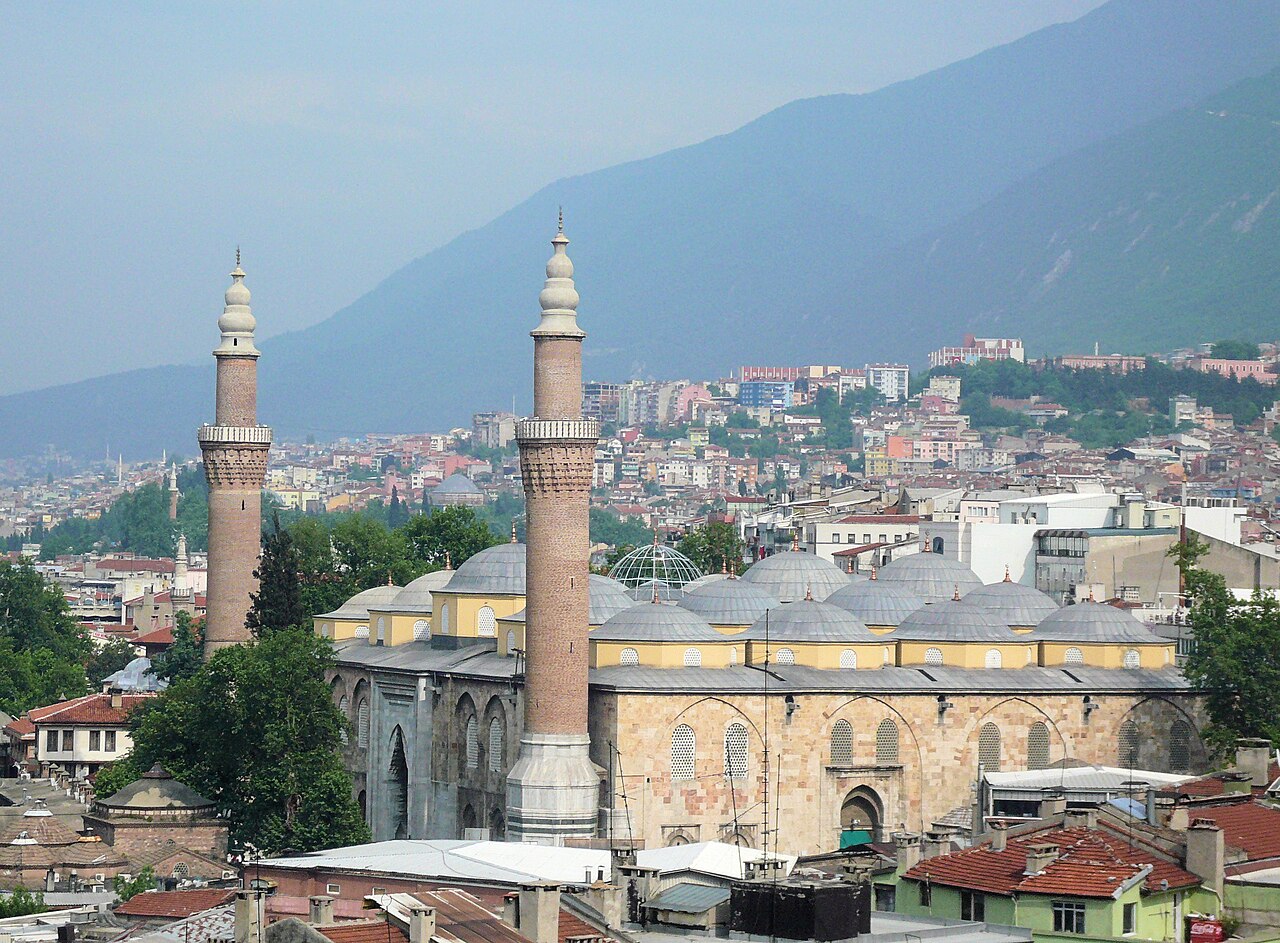 Artifact
Primary source
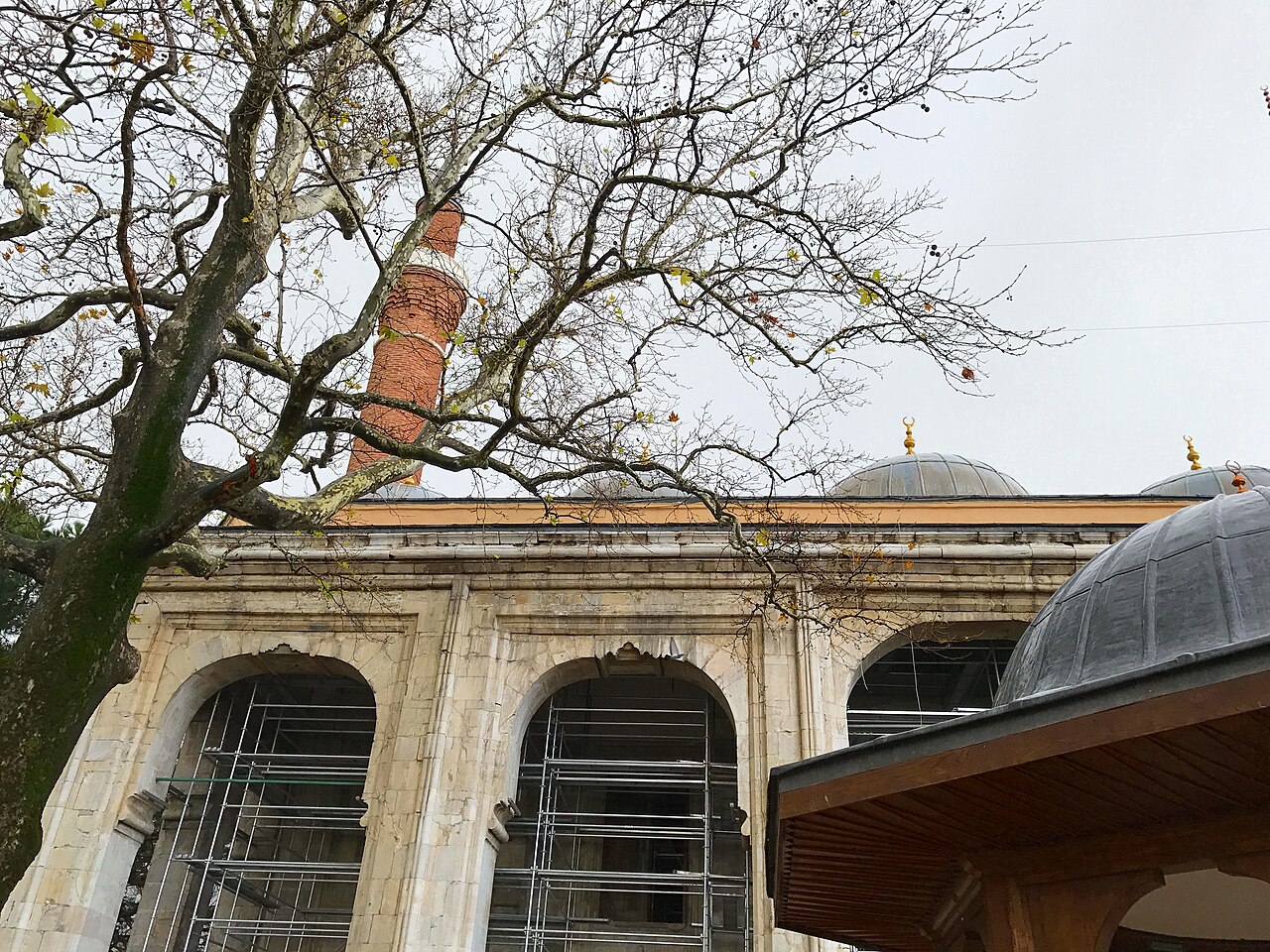
Bursa Grand Mosque
Ali Neccar · 1396-1399
 Artifact
Primary source
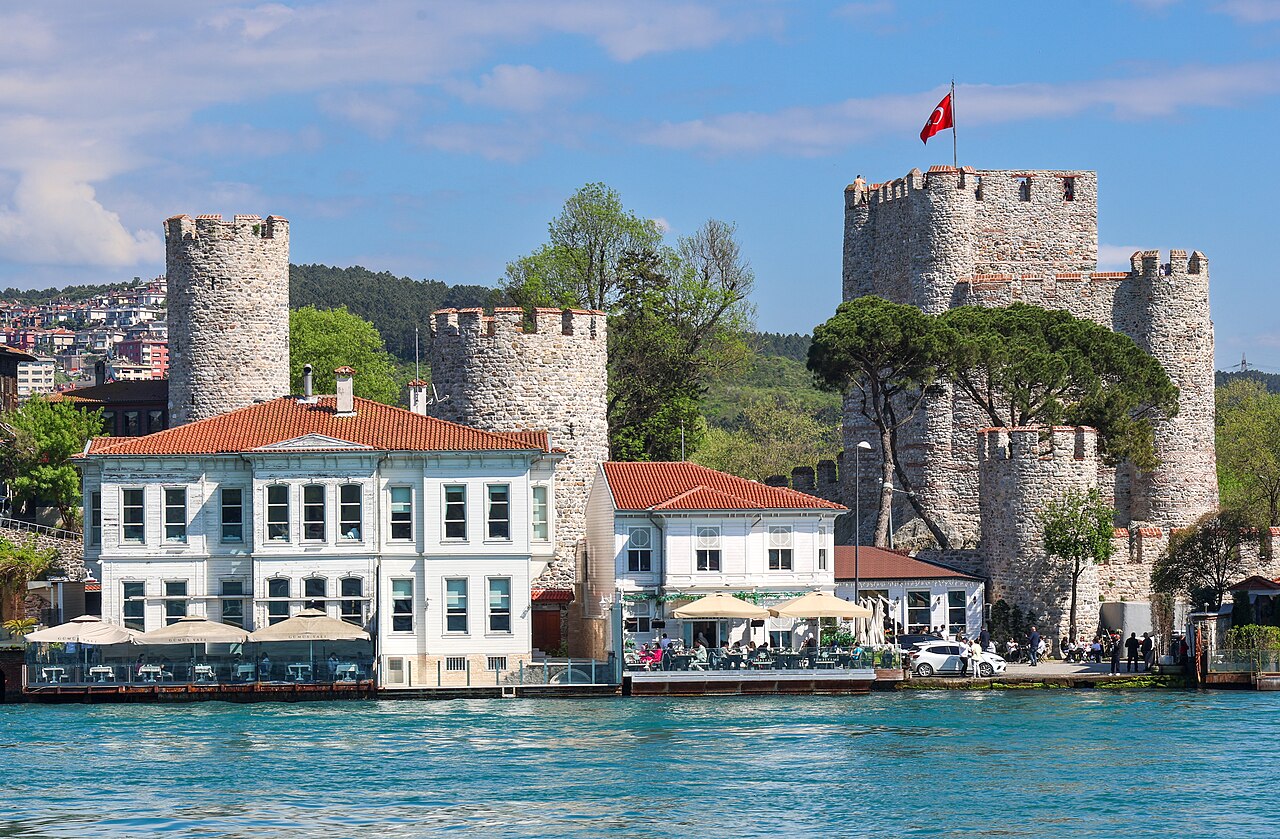
Anadoluhisarı
1393-1394
 Artifact
Secondary source
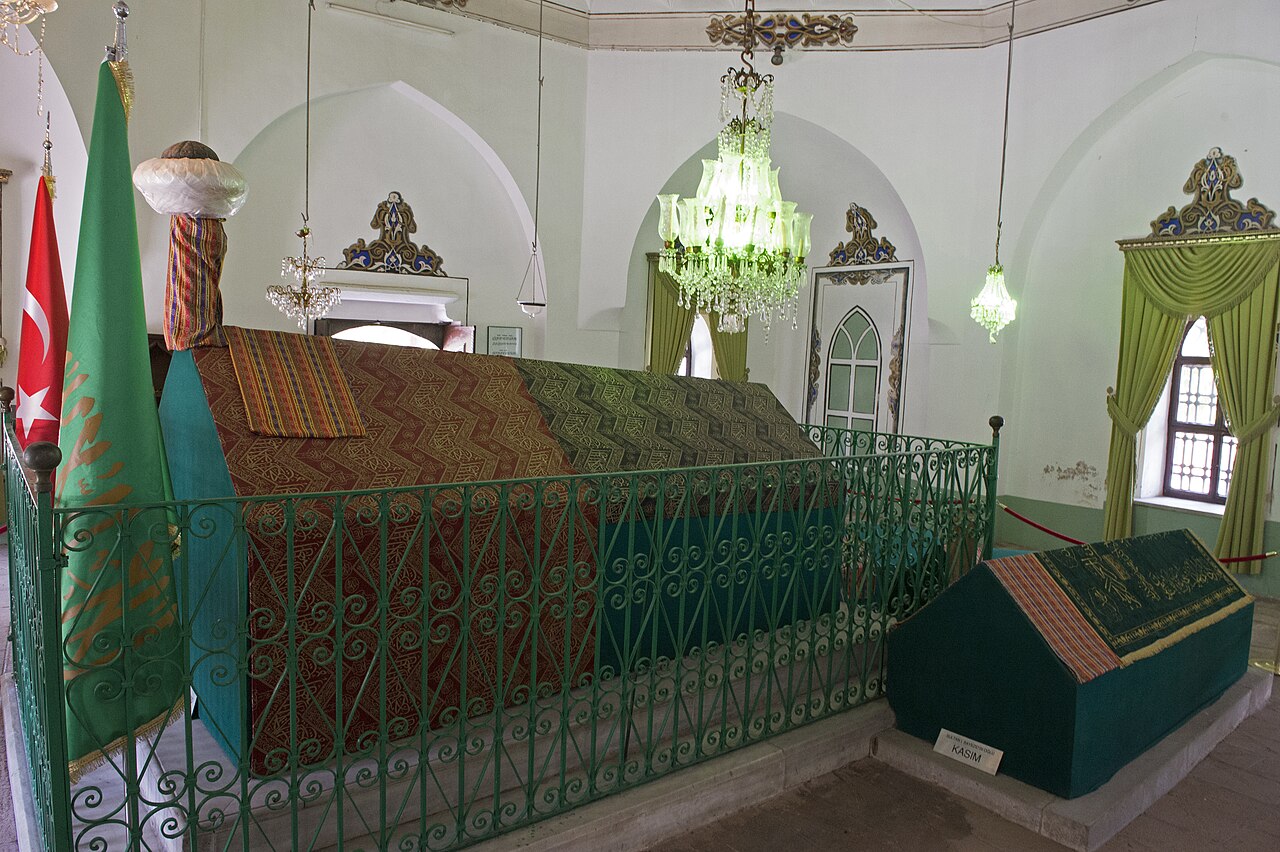
Grave of Bayezid I
Primary source
The Bondage and Travels of Johann Schiltberger
Johann Schiltberger · c. 1427
Free account
Read every Bayezid I source
Sign up free →
Ready when you are
Start chatting with Bayezid I now.
20 messages free · No credit card · Available in 50+ languages.