


Primary sourceDocument1413–1421
Tughra of Mehmed I
Unknown court calligrapher · 1413–1421
The calligraphic imperial monogram used by Mehmed I to mark official documents as sultan.
This tughra was Mehmed I's own chancery mark, used to authenticate his official documents as sultan.
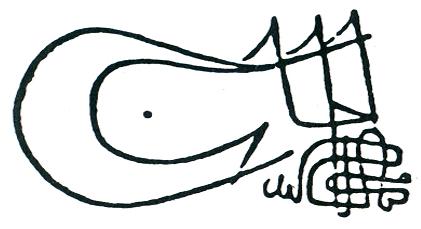
About this source
What it is
This is the tughra, or calligraphic signature-seal, of Mehmed I, Sultan of the Ottoman Empire from 1413 to 1421. It was created by an unknown court calligrapher and used as the official mark of the sultan's authority on documents.
Why it matters
A tughra was not a personal signature in the modern sense but a symbol of sovereignty, used on decrees, letters and coins to show that something came with the sultan's authority. Studying it shows how Ottoman rulers used art and calligraphy as tools of government, turning a name into a recognisable emblem of power.
Look closer
- What makes this mark different from an ordinary signature?
- Why might a ruler want a distinctive, hard-to-copy symbol like this on official papers?
- What can't you tell about Mehmed I just from looking at his tughra?
This document is part of the curated material that grounds the AI version of Mehmed I on Humy.ai — when students ask about related events, the AI can quote it and cite it.
More Mehmed I sources
Browse all 77 →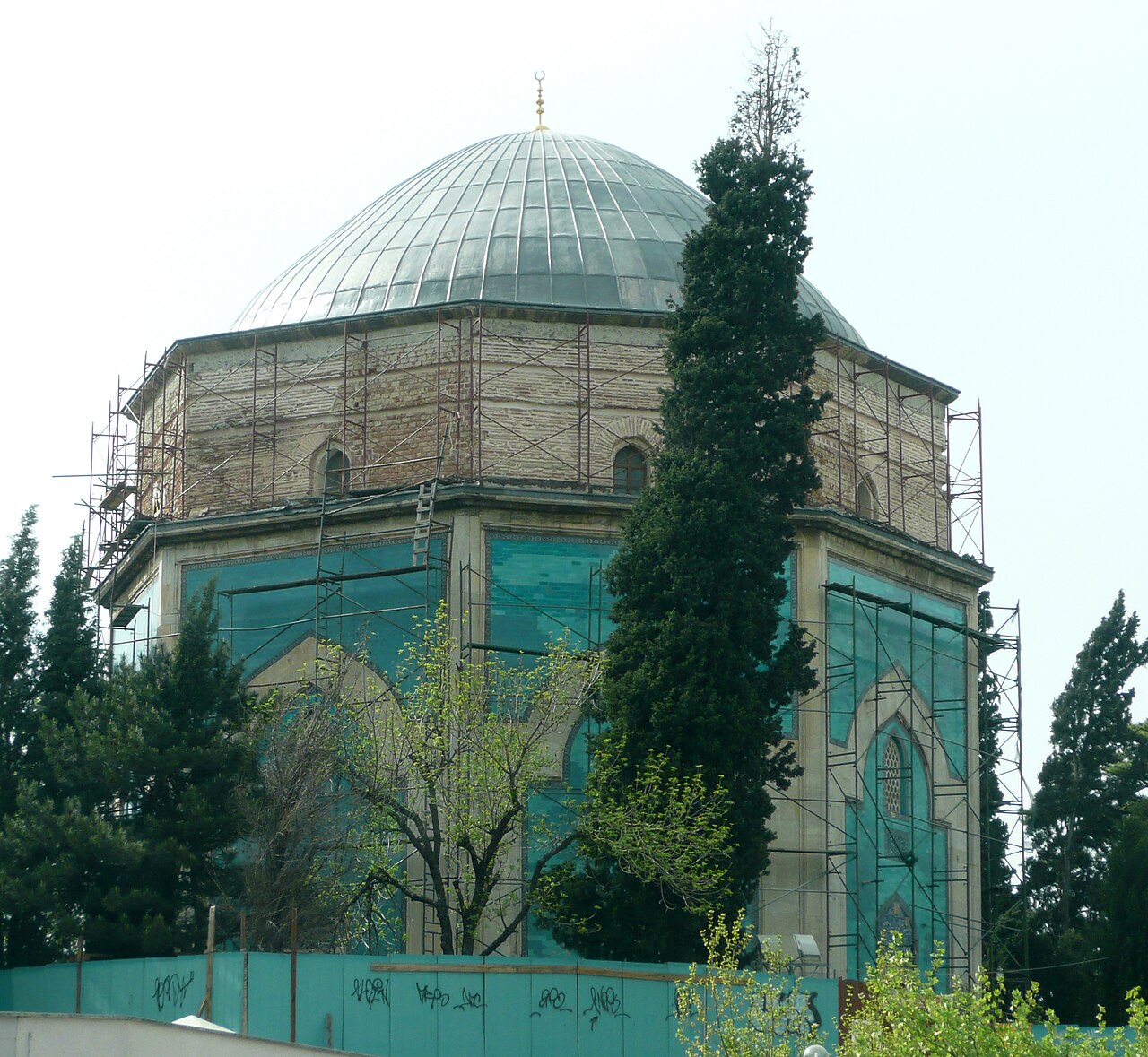 Artifact
Primary source
Green Mosque, Bursa
Hacı İvaz Pasha (architect) · completed c. 1420
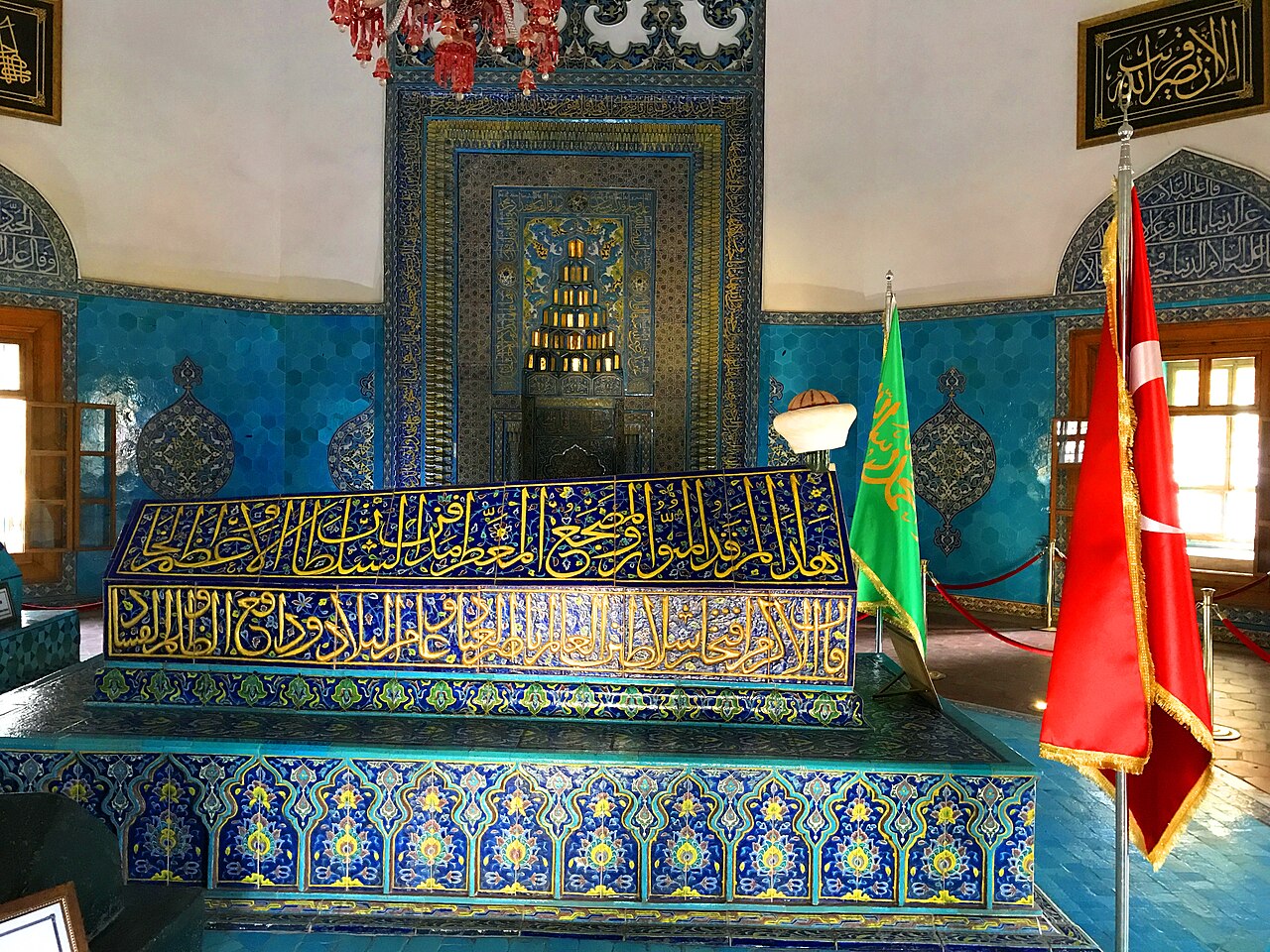 Artifact
Primary source
Green Tomb of Mehmed I
Hacı İvaz Pasha (architect) · after 1421
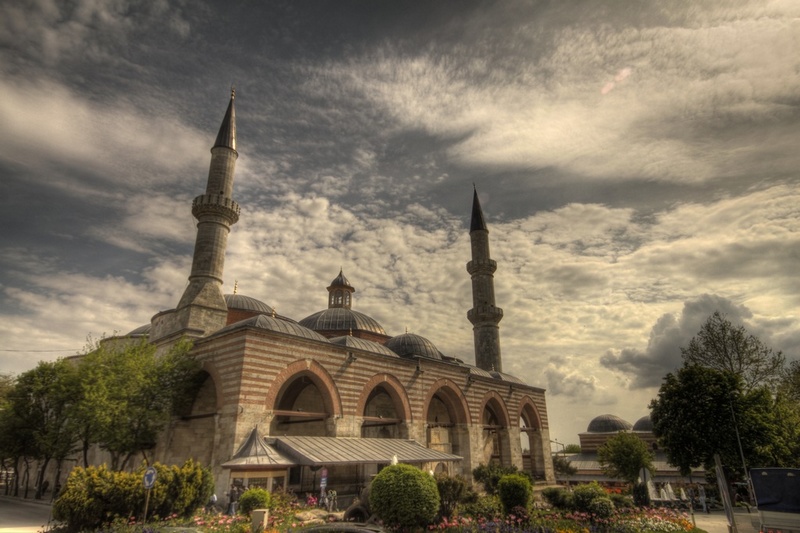 Artifact
Primary source
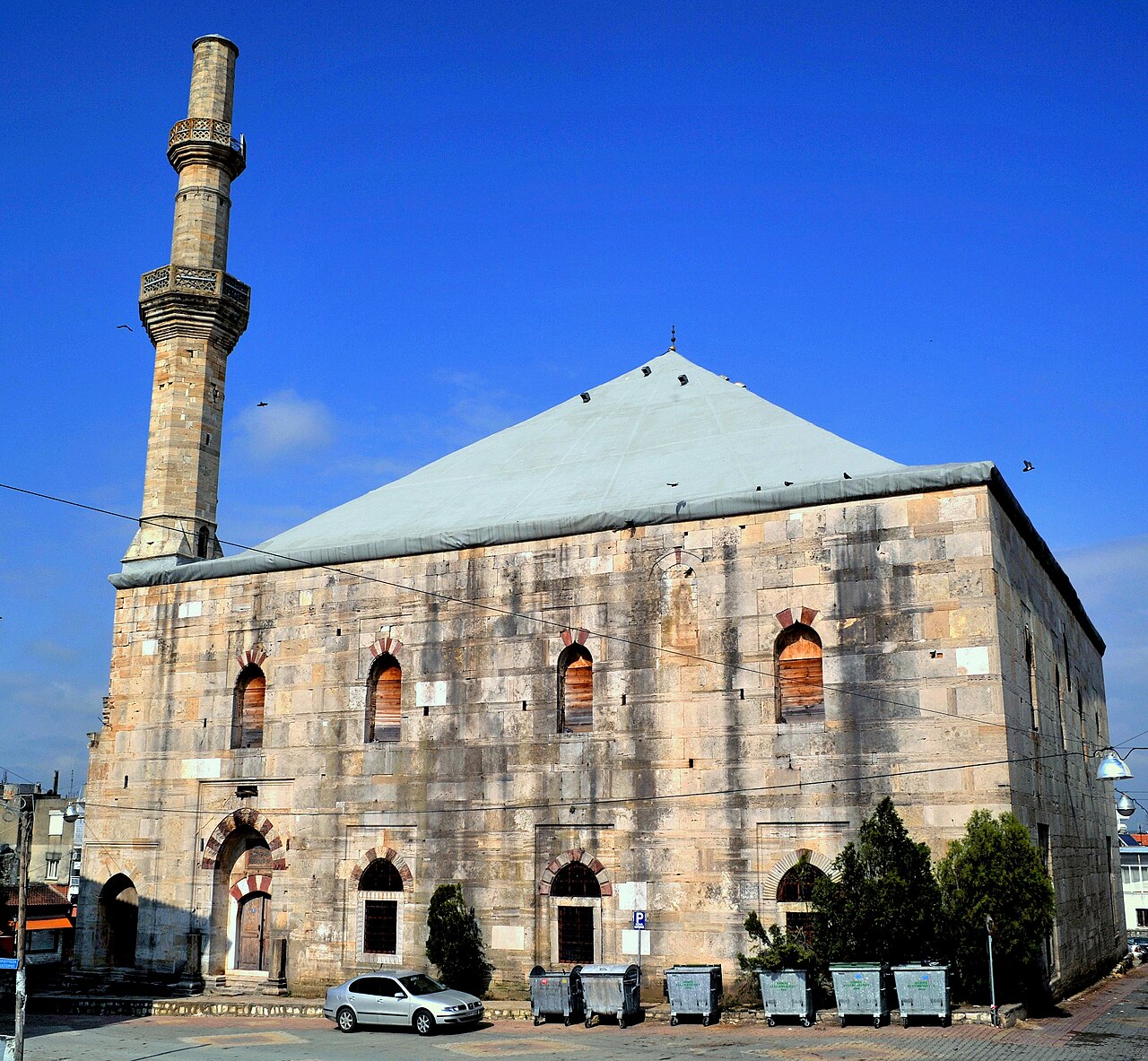
Old Mosque of Edirne
completed 1414
 Artifact
Primary source
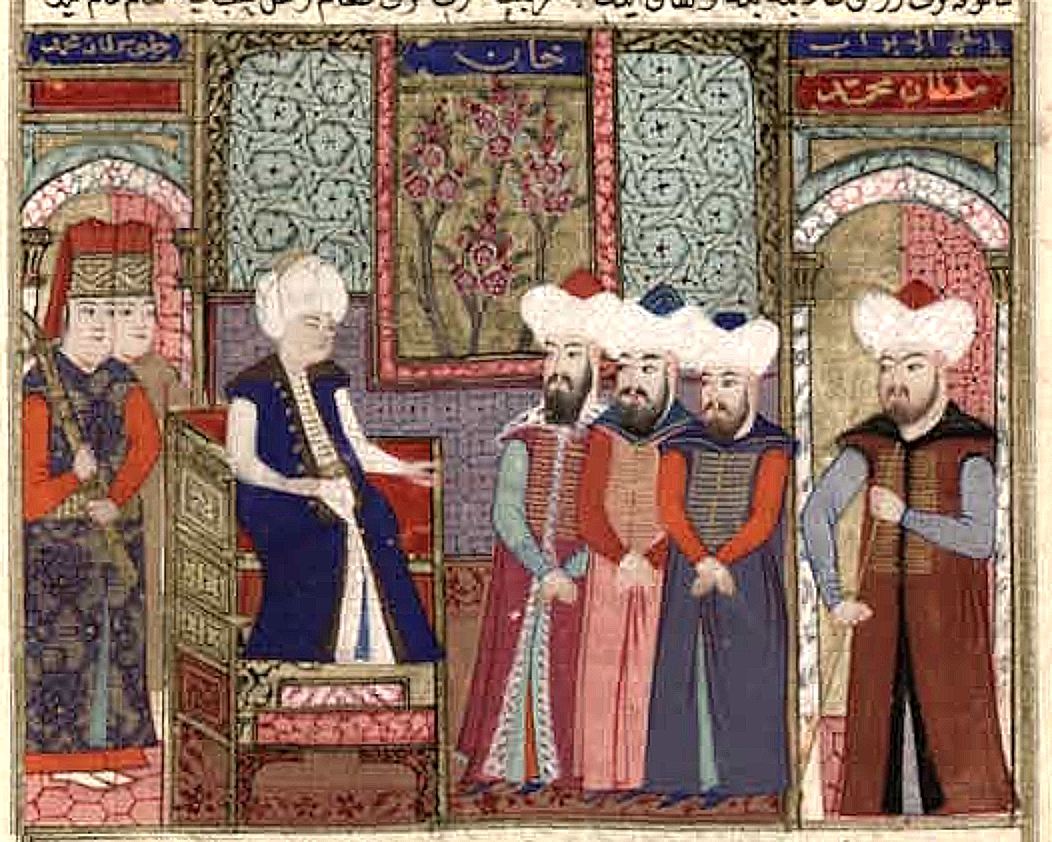
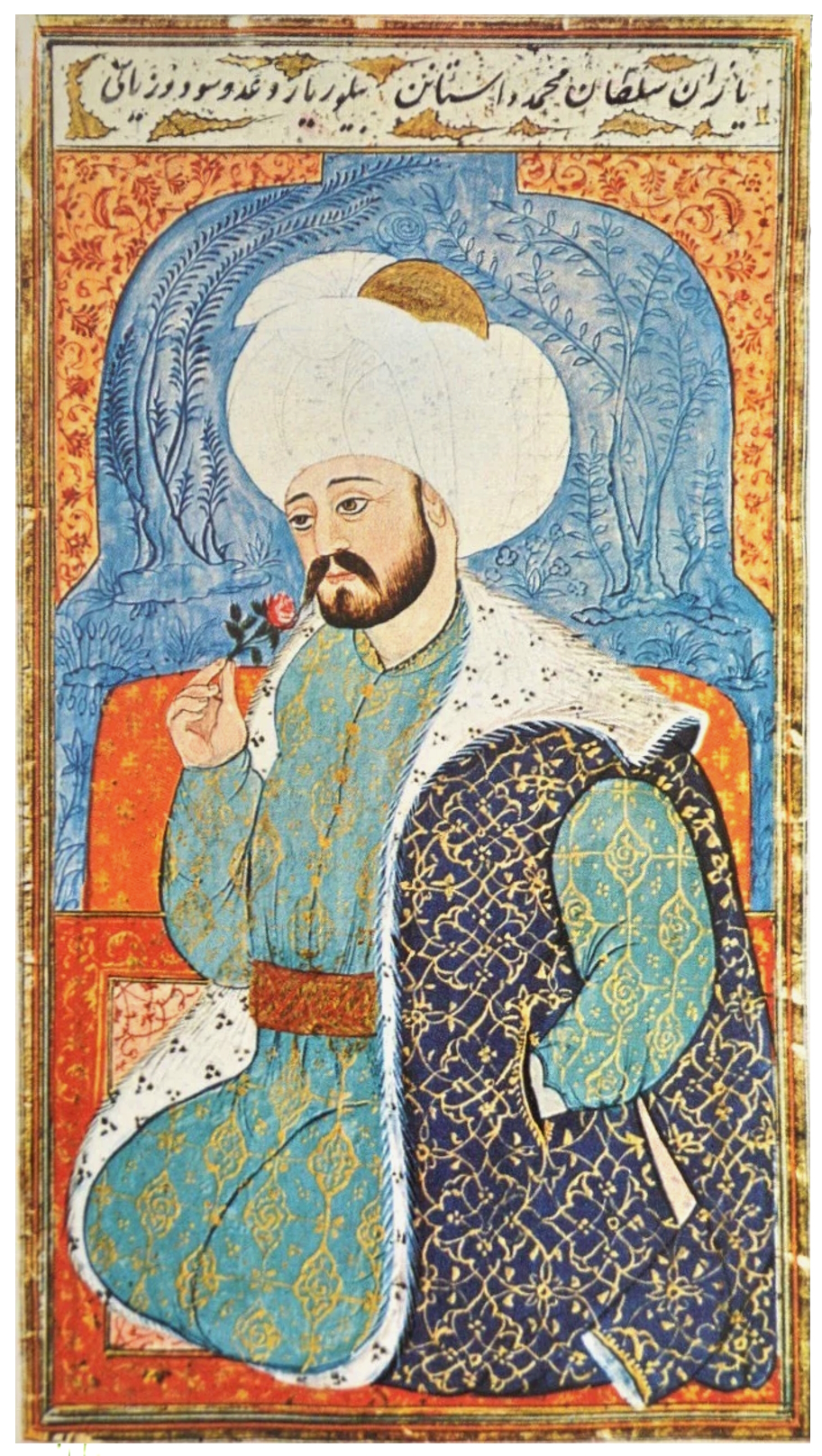
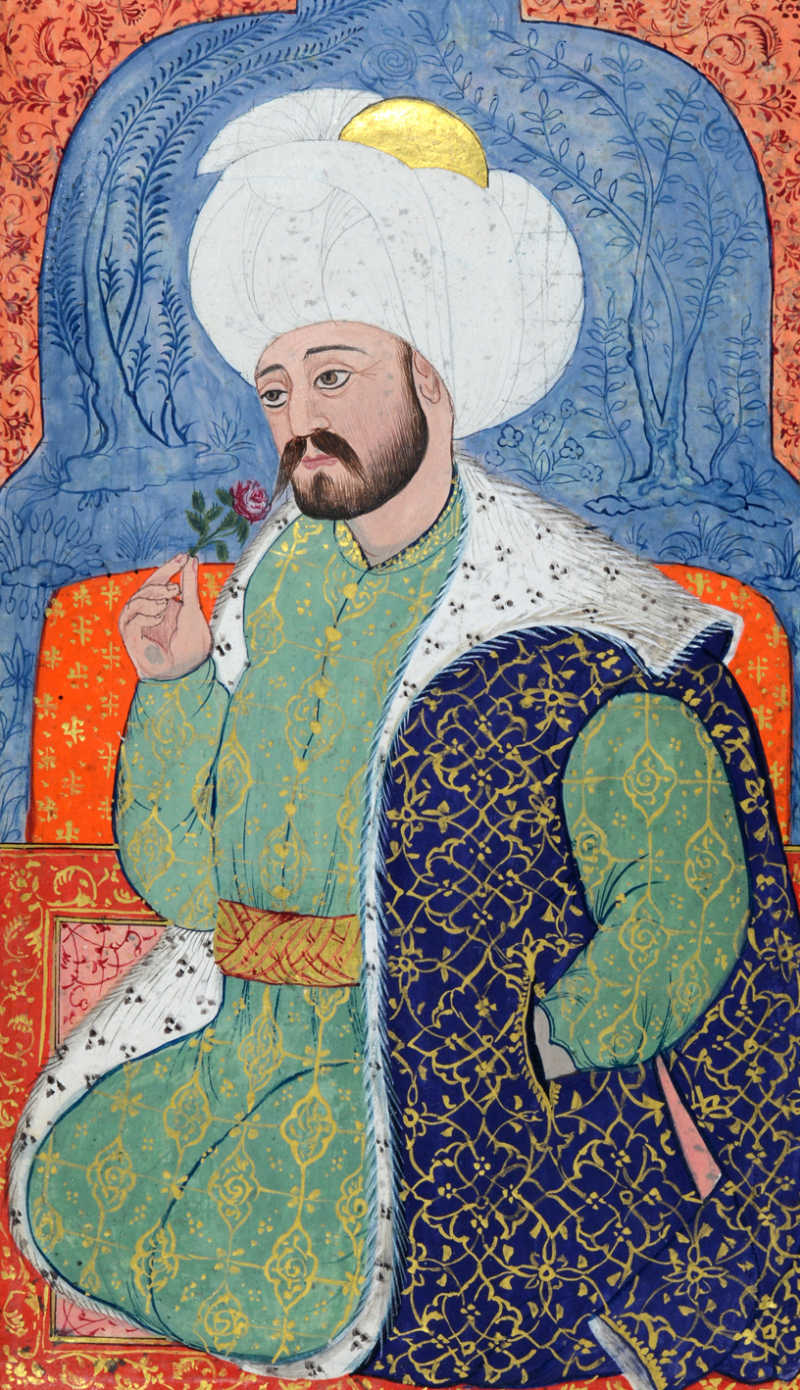
Çelebi Sultan Mehmed Mosque
Ivaz ibn Bayezid (architect) · completed March 1420
Free account
Read every Mehmed I source
Sign up free →
Ready when you are
Start chatting with Mehmed I now.
20 messages free · No credit card · Available in 50+ languages.