


Primary sourceArtifact1909-1918
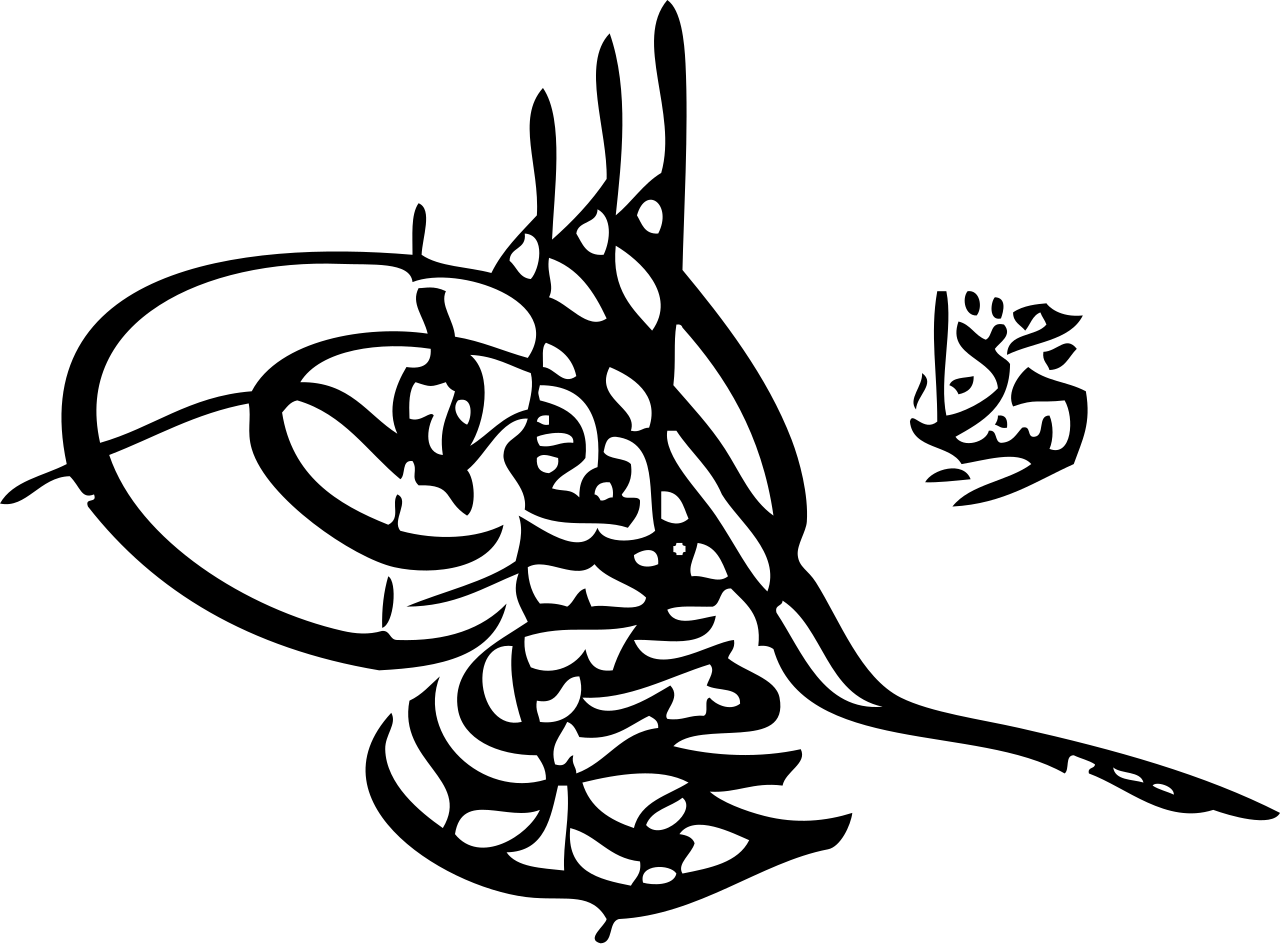
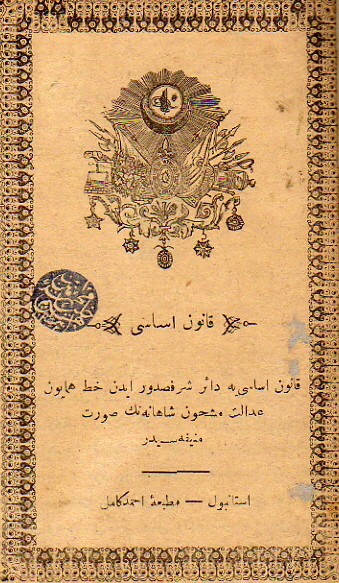
Tughra of Mehmed V
1909-1918
The official calligraphic monogram, or imperial cipher, of Sultan Mehmed V, used on decrees, coins and stamps.
This is Mehmed V's own imperial monogram, the formal symbol of his sovereignty as sultan.
About this source
What it is
This is the tughra, or imperial calligraphic monogram, of Sultan Mehmed V, who reigned from 1909 to 1918. A tughra was the formal sign placed on official documents, coins and stamps to show sovereign authority.
Why it matters
Even though Mehmed V ruled under a constitution with limited real power, his tughra was still required on his government's official acts. It shows how symbols of sovereignty continued even as actual political control shifted to other figures, such as the Committee of Union and Progress.
Look closer
- What does the elaborate design of a tughra suggest about its purpose, beyond just being a signature?
- Why would a government under a constitutional sultan still need his symbol on its documents?
- What does this tell you about the difference between symbolic authority and actual political power?
This artifact is part of the curated material that grounds the AI version of Mehmed V on Humy.ai — when students ask about related events, the AI can quote it and cite it.
More Mehmed V sources
Browse all 94 →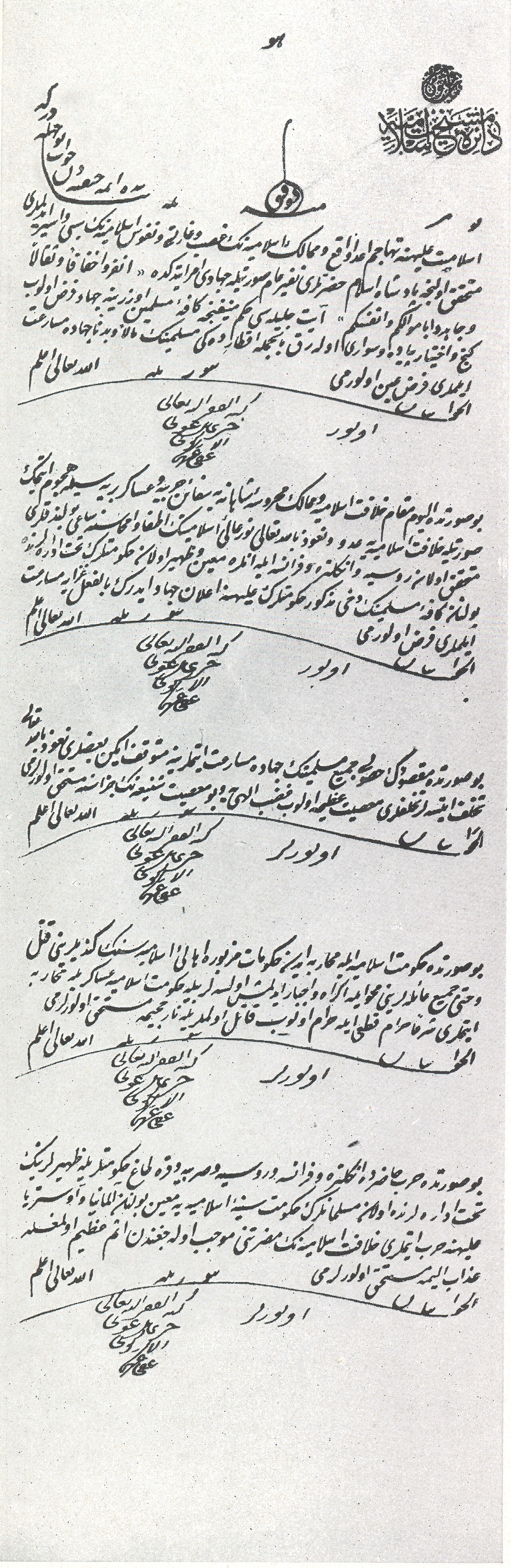 Document
Primary source
Ottoman Declaration of Jihad
Mustafa Hayri Efendi · 11-14 November 1914
Primary source
Sultan Mehmed V Visits Thessaloniki
Manaki brothers · 1911
 Photograph
Primary source
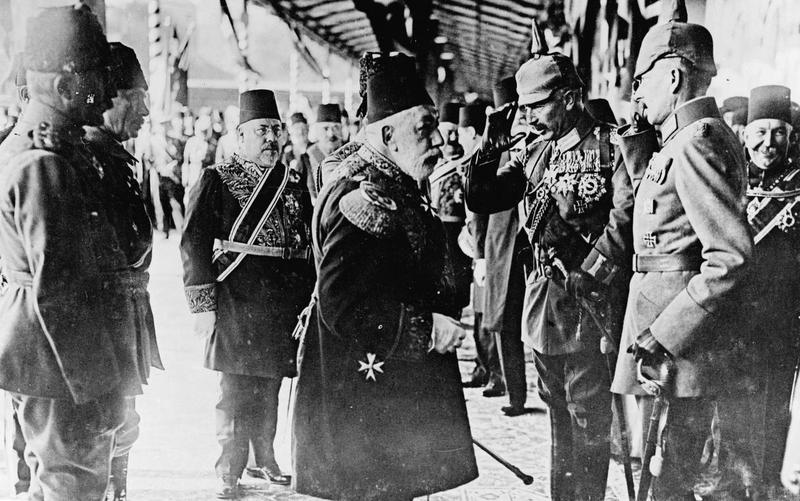
Sultan Mehmed V Greeting Kaiser Wilhelm II at Constantinople
German official photographer · 1917
Primary source
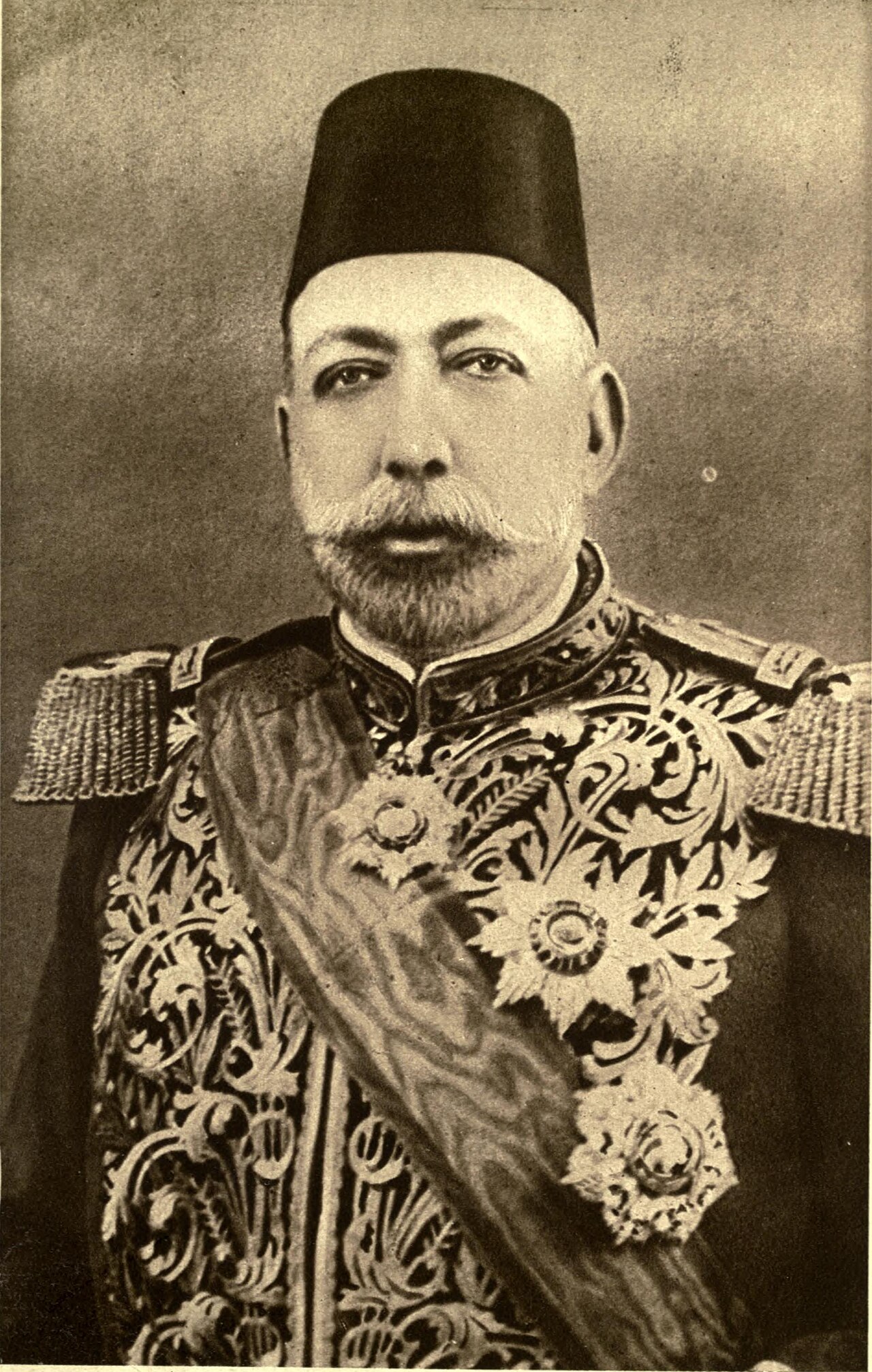
Marche de sa Majesté Impériale Le Sultan Mohammed V
Italo Selvelli · early 20th century
Free account
Read every Mehmed V source
Sign up free →
Ready when you are
Start chatting with Mehmed V now.
20 messages free · No credit card · Available in 50+ languages.