


Primary sourceDocument1618-1622
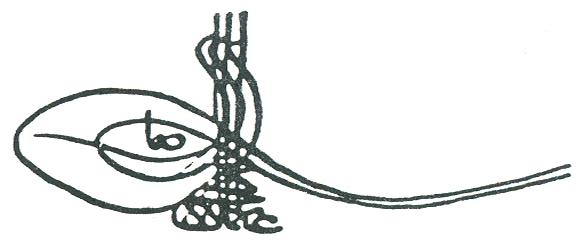
Tughra of Osman II
1618-1622
The imperial monogram (tughra) that served as Osman II's personal seal, validating his official decrees.
This is Osman II's own imperial monogram, used to authenticate his decrees as sultan.
About this source
What it is
This is the tughra, the calligraphic monogram used by Sultan Osman II of the Ottoman Empire, who reigned from 1618 to 1622. It is drawn in black ink, with an oval loop, rising strokes, and a looped flourish ending in a long tail. The design survives as a line drawing based on the sultan's own seal.
Why it matters
Every tughra was unique to its sultan and stamped on decrees to make them official. For Osman II, who tried to assert his own authority against the powerful Janissary soldiers who had helped bring him to power, this symbol represented the legitimacy of his rule.
Look closer
- What makes a monogram like this hard to copy or forge?
- Why might rulers want a unique, decorative symbol instead of simply writing their name?
- What does the use of a tughra tell us about how Ottoman government worked?
This document is part of the curated material that grounds the AI version of Osman II on Humy.ai — when students ask about related events, the AI can quote it and cite it.
More Osman II sources
Browse all 49 →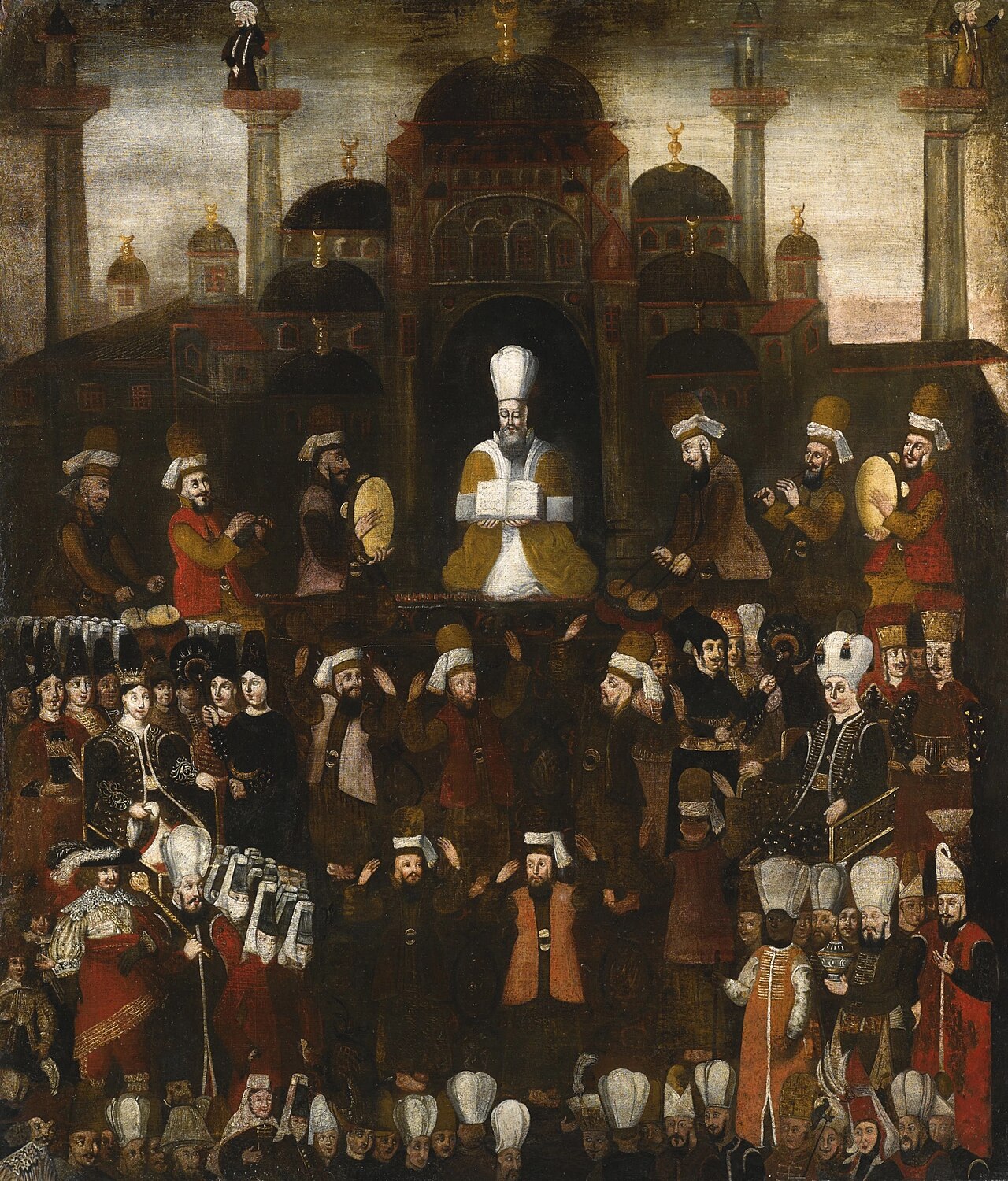 Painting
Primary source
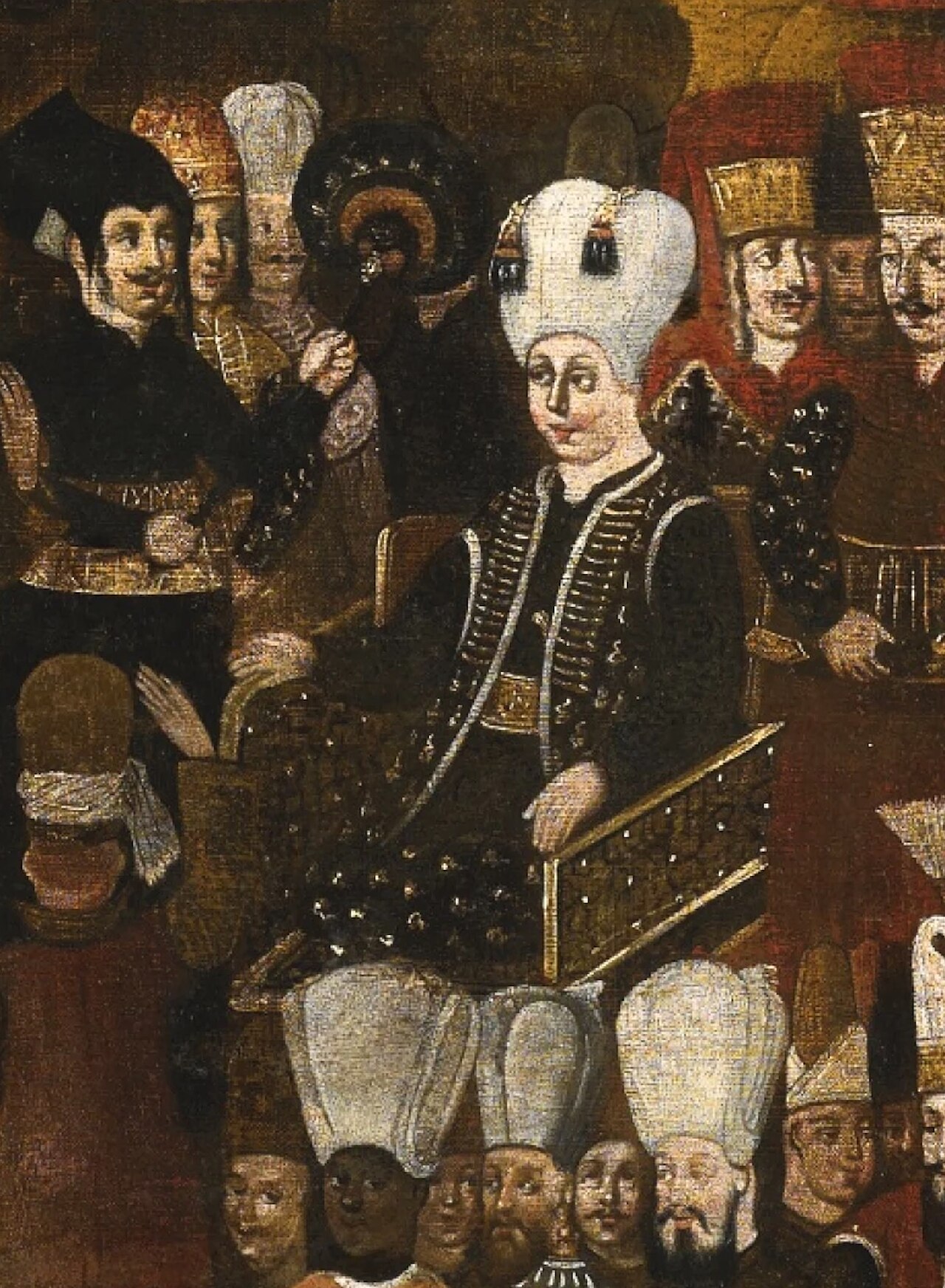
Sultan Osman II Cülus
Unknown artist · 1618
 Painting
Primary source
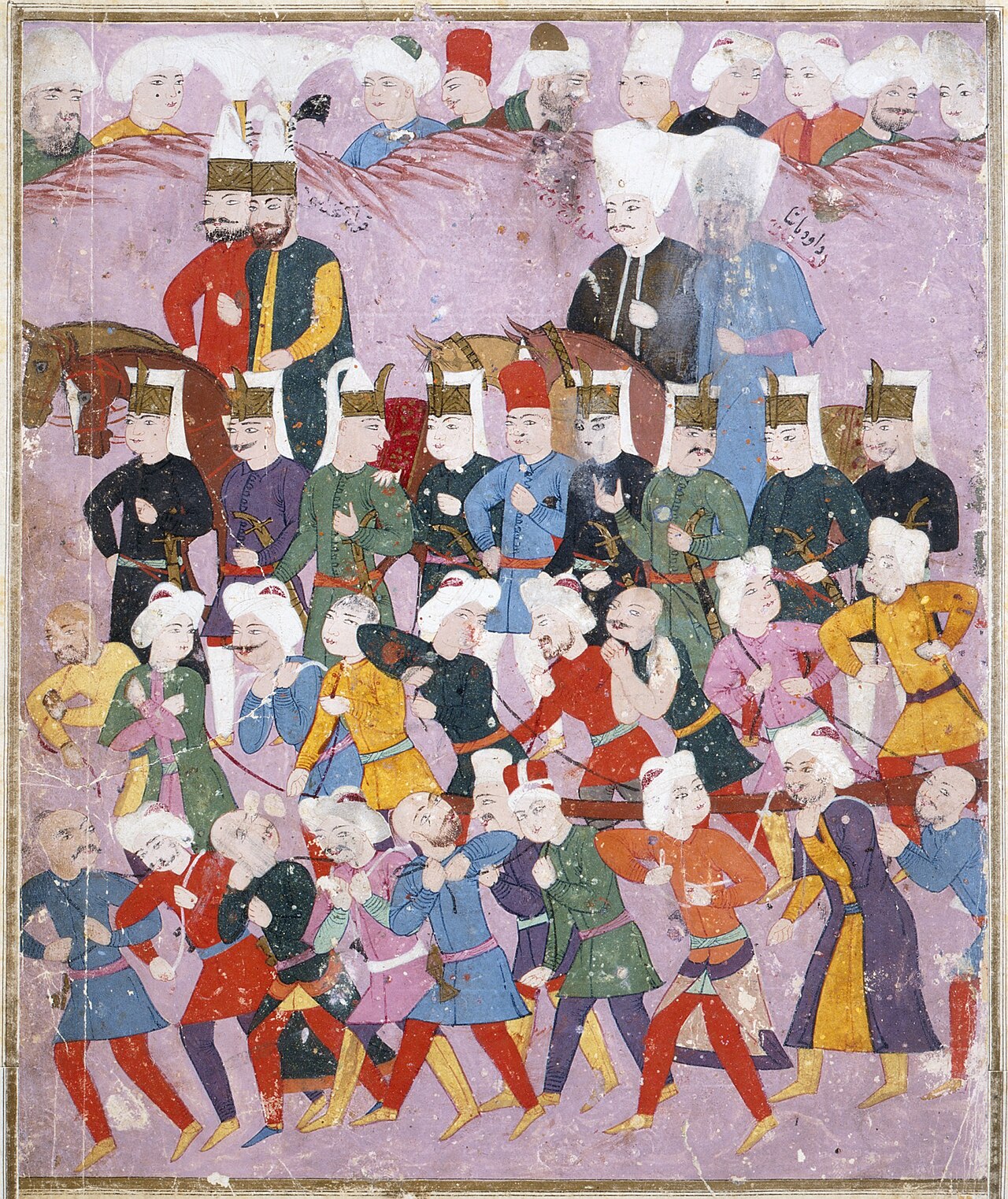
Sultan Osman II with His Vizier Davud Pasha in a Procession of Janissaries and Guards
Unknown artist · c. 1620-1622
 Painting
Primary source
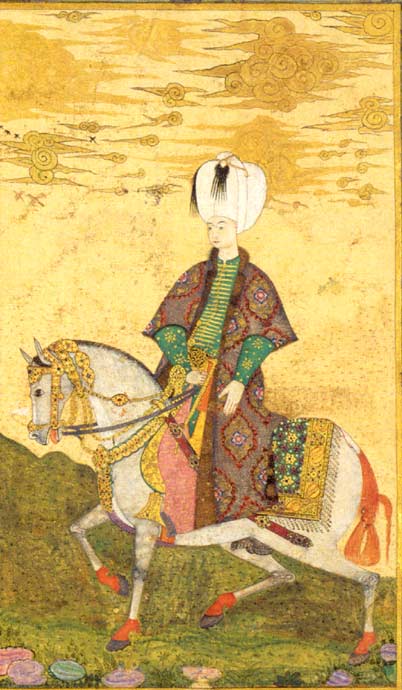
II Osman
Ahmed Nakşi
 Painting
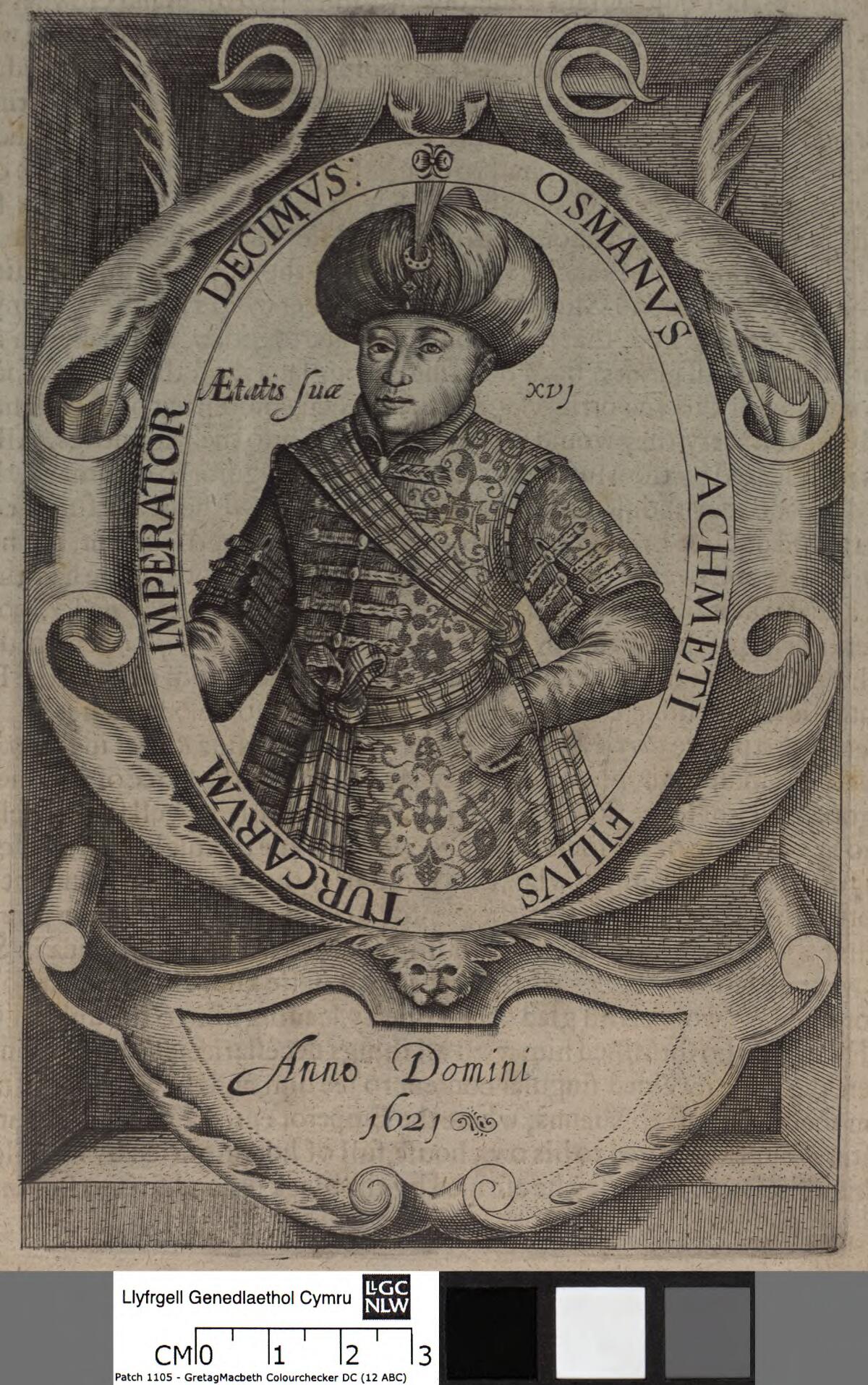
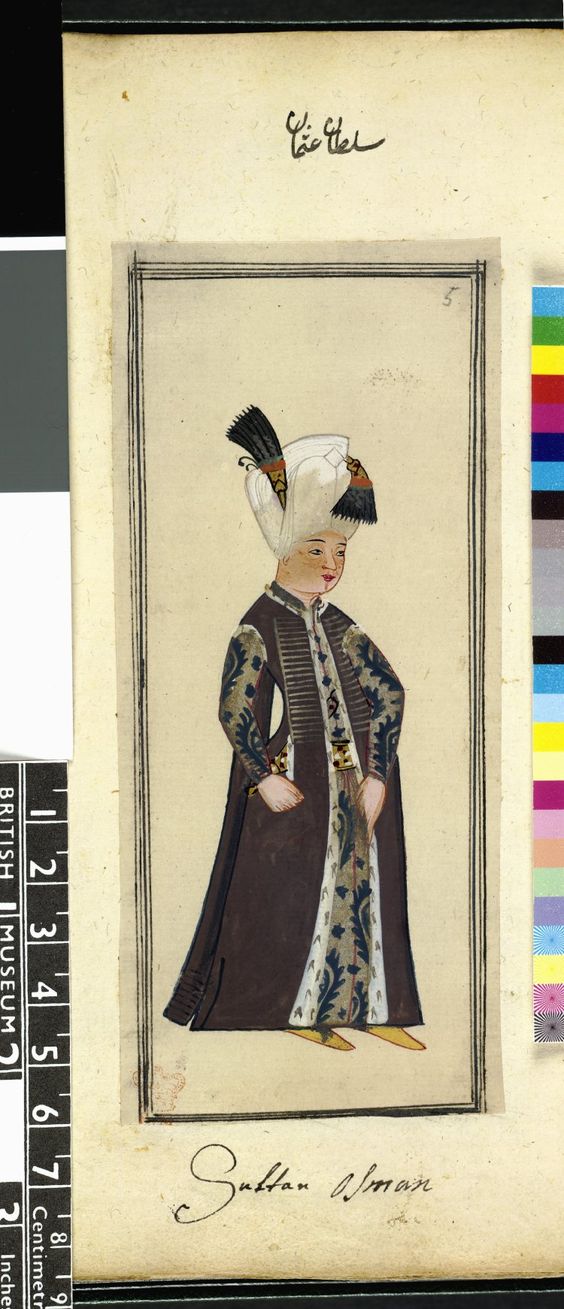
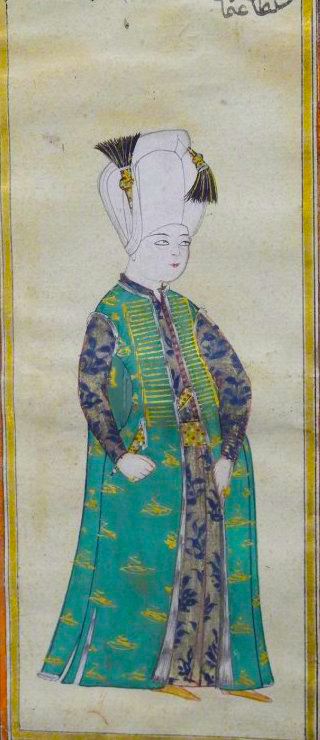
Primary source
Osman II at His Coronation in 1618
Unknown Dutch artist · 1618
Free account
Read every Osman II source
Sign up free →
Ready when you are
Start chatting with Osman II now.
20 messages free · No credit card · Available in 50+ languages.