


Primary sourceDocument1648-87
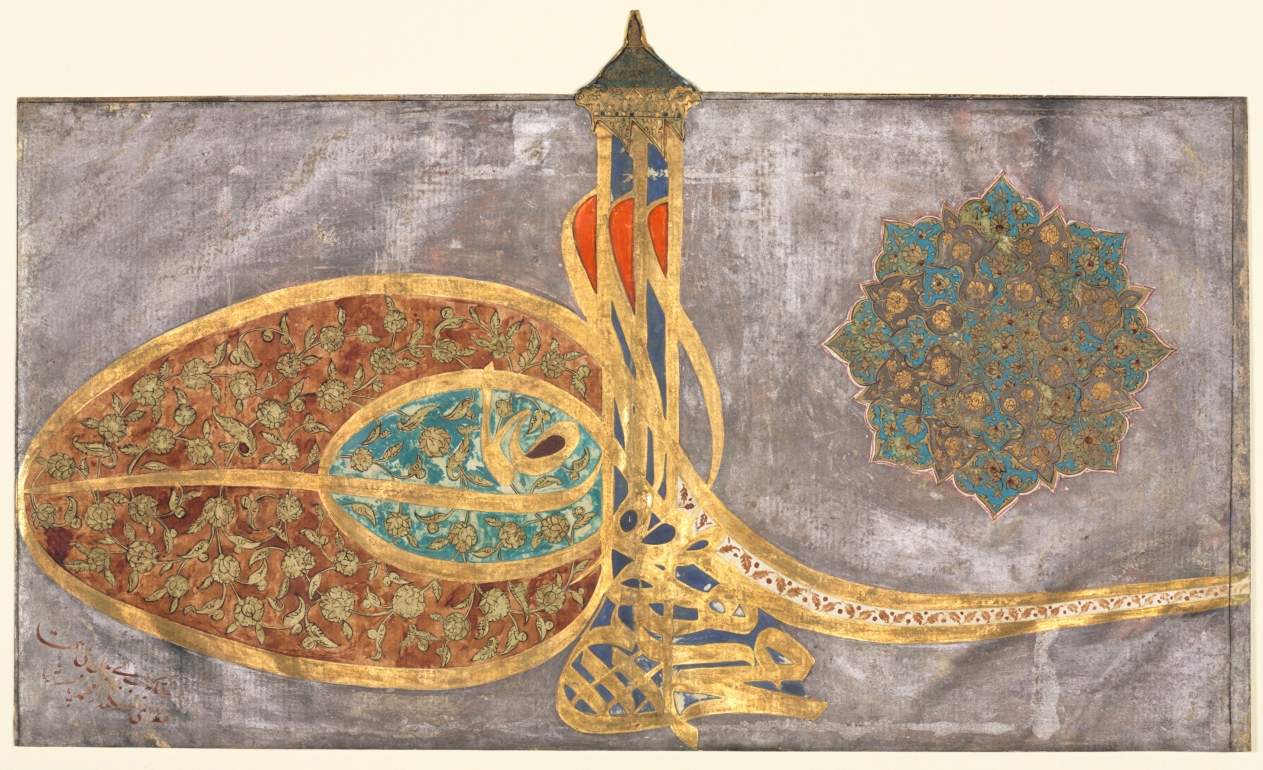
Tughra of Sultan Mehmed IV
1648-87
The gilded imperial monogram of Mehmed IV, cut from an official decree issued during his reign.
This is Mehmed IV's own official signature mark, cut from a decree issued in his name during his reign.
About this source
What it is
A tughra is the ornate official signature of an Ottoman sultan, placed at the top of royal decrees. This tughra, naming 'Mehmed, son of Ibrahim Khan, the Eternally Victorious' in gold Ottoman Turkish calligraphy, was cut from a proclamation issued sometime during Mehmed IV's reign (1648-1687). It is held by the Cleveland Museum of Art.
Why it matters
The tughra was the mark of the sultan's authority on every official document. Mehmed IV's reign saw the empire begin to decline due to internal rivalries and the major military defeat at the Battle of Vienna in 1683. This small, richly decorated object shows how Ottoman rulers used elaborate calligraphy and design to project power even as the empire's fortunes shifted.
Look closer
- What words and symbols make up the tughra, and what do they tell you about the sultan's identity and claims?
- Why might this signature have been cut away from the rest of the document it once topped?
- How does decoration and color serve a political purpose here?
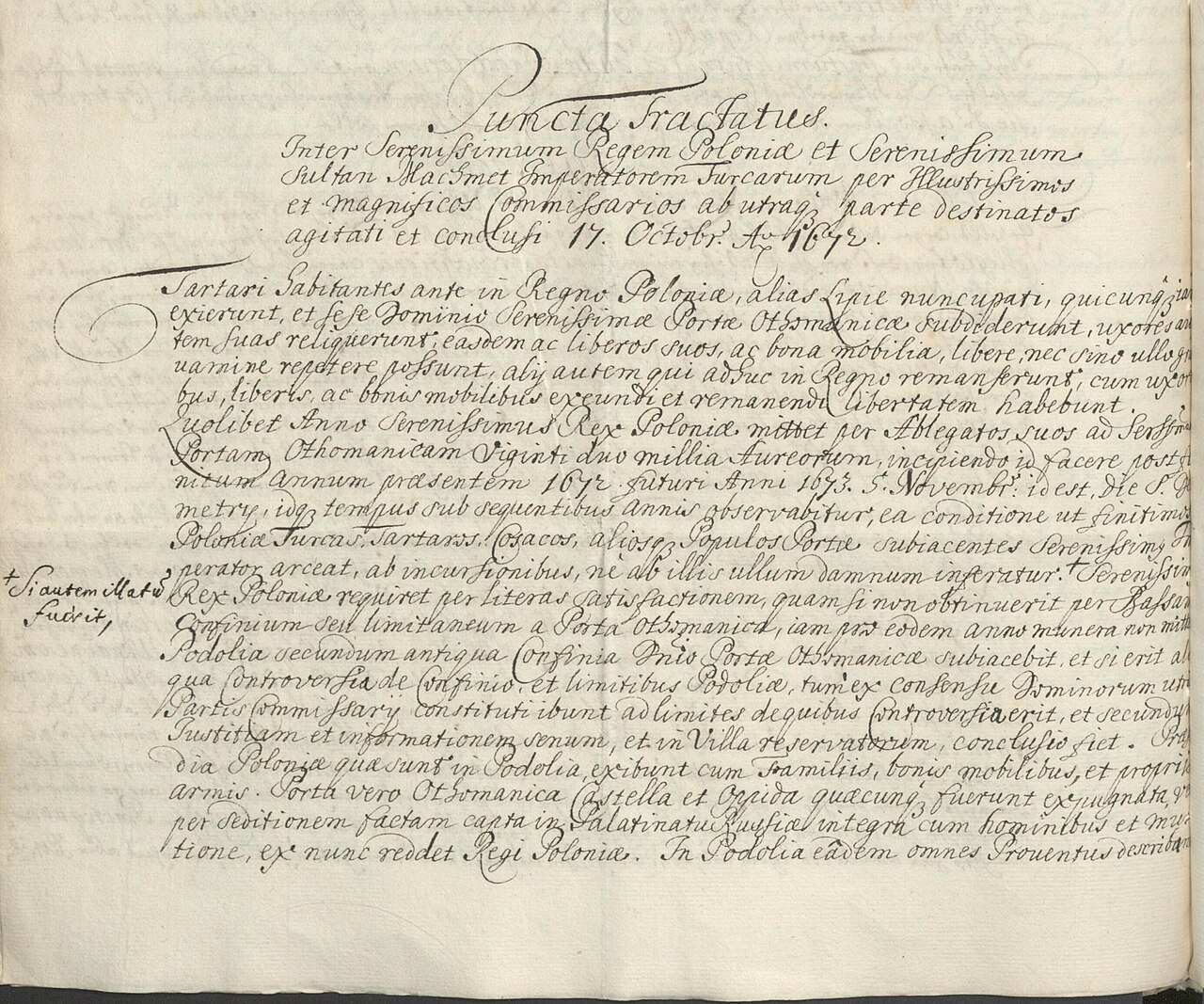
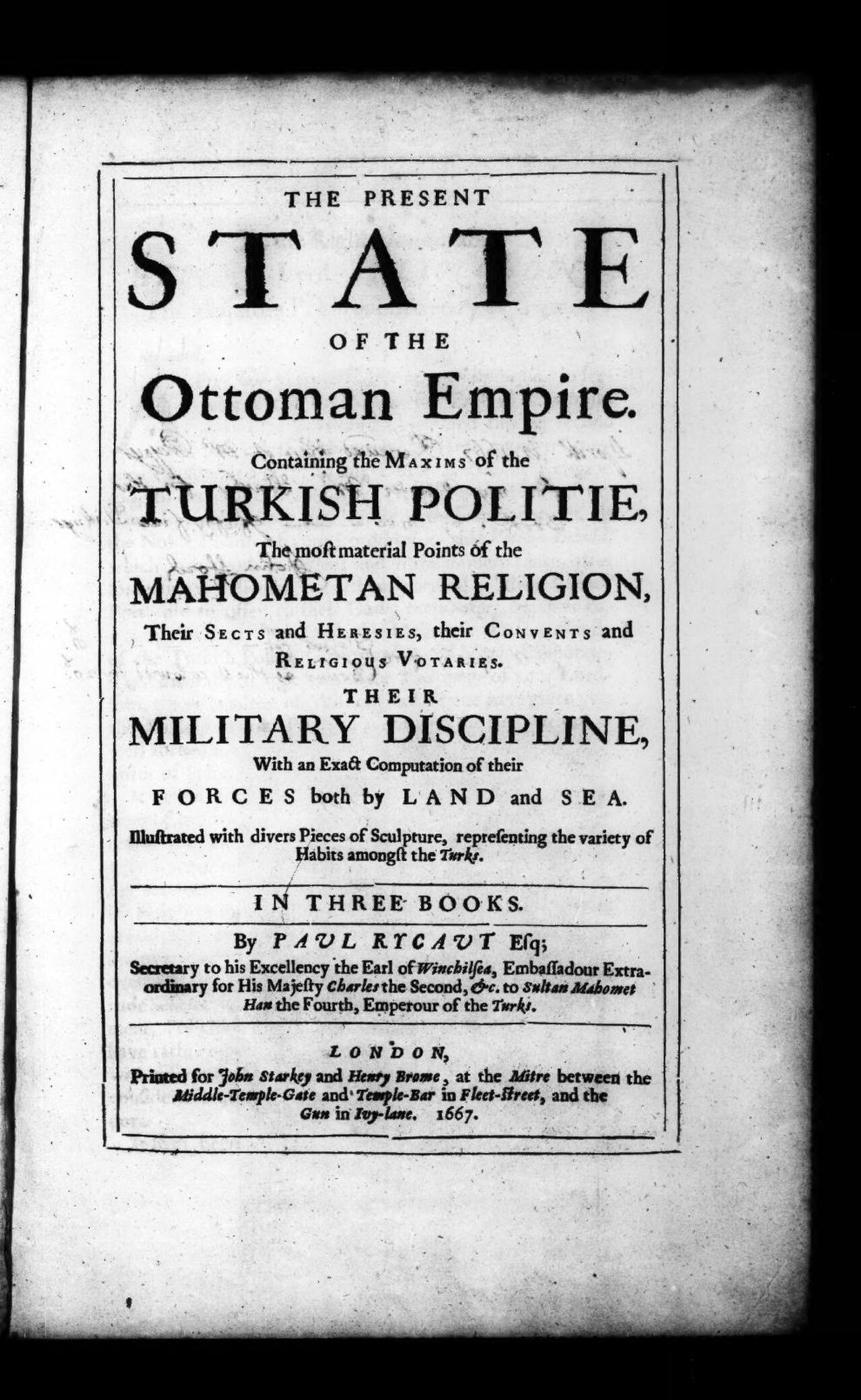
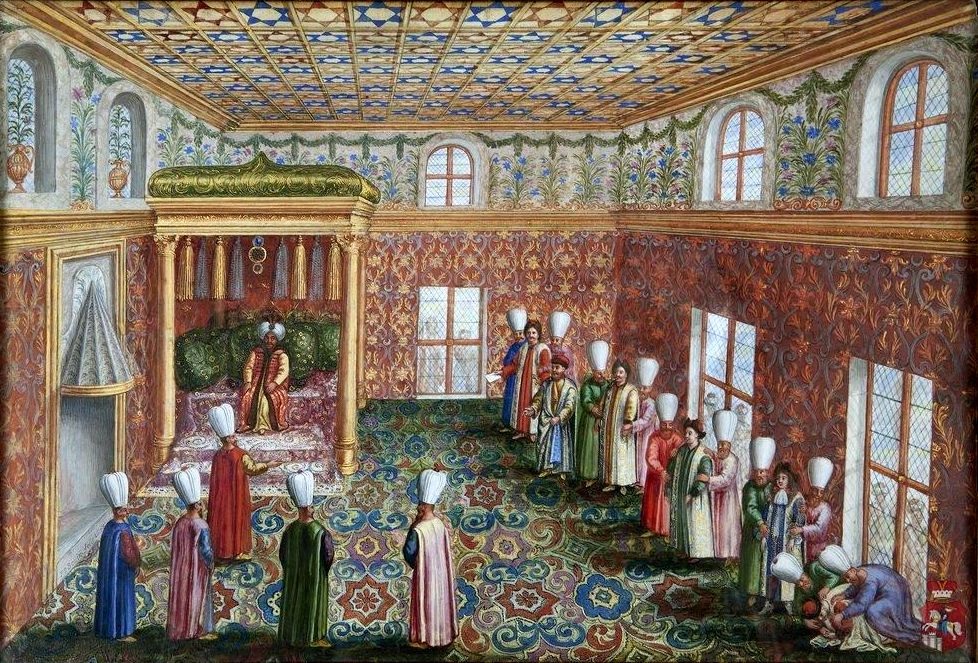
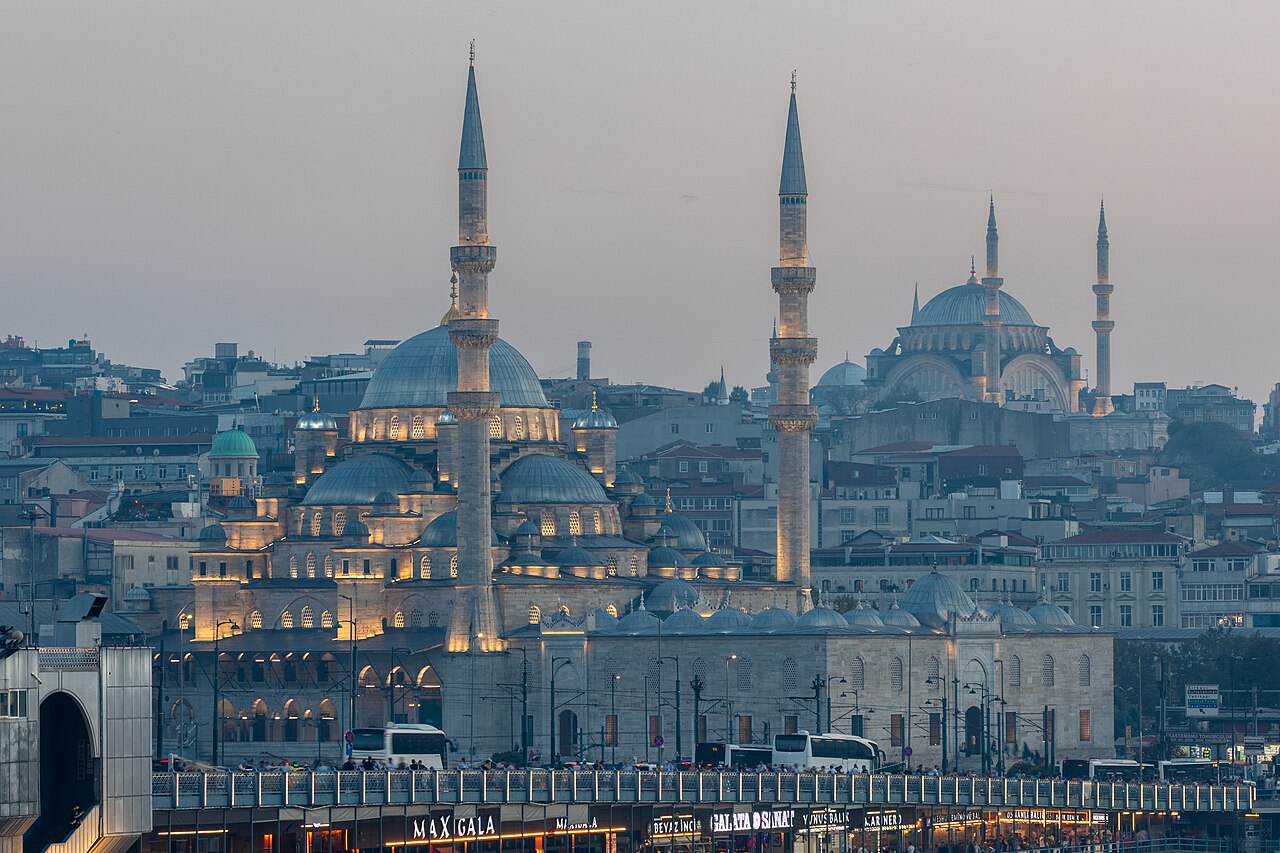
This document is part of the curated material that grounds the AI version of Mehmed IV and Kosem Sultan on Humy.ai — when students ask about related events, the AI can quote it and cite it.
More Mehmed IV sources
Browse all 65 →
Ready when you are
Start chatting with Mehmed IV now.
20 messages free · No credit card · Available in 50+ languages.