


Primary sourceArtifact1566-1574
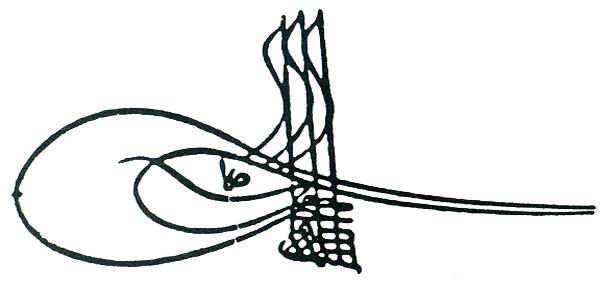
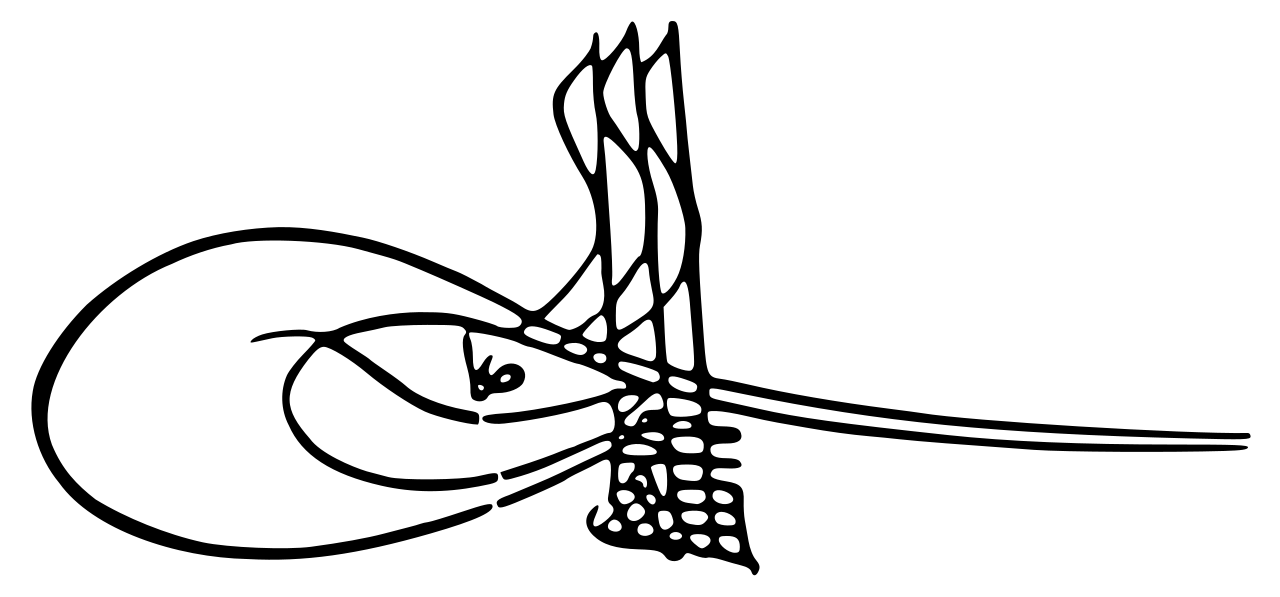
Tughra of Sultan Selim II
1566-1574
The official calligraphic monogram used by Selim II on Ottoman documents and coins between 1566 and 1574.
This tughra was Selim II's own official monogram, used to authenticate his decrees and coins throughout his reign.
About this source
What it is
This is a tughra, an ornate calligraphic monogram that served as the official signature and seal of an Ottoman sultan. This one belonged to Selim II and was used on official documents and coins throughout his reign, between 1566 and 1574. It was created by an unknown court calligrapher, as was customary for Ottoman imperial seals.
Why it matters
The tughra shows how Ottoman sultans authenticated their authority through a unique artistic symbol rather than a handwritten signature. Every official act of Selim II's government, from laws to currency, bore this mark, making it a key tool of state power and a lasting symbol of his rule.
Look closer
- What makes a tughra different from a simple signature?
- Why might a ruler want a complex, artistic symbol instead of writing their name?
- What might the different parts of the design represent or stand for?
This artifact is part of the curated material that grounds the AI version of Selim II on Humy.ai — when students ask about related events, the AI can quote it and cite it.
More Selim II sources
Browse all 95 → Artifact
Primary source
Selimiye Mosque
Mimar Sinan · 1568-1575
 Painting
Secondary source
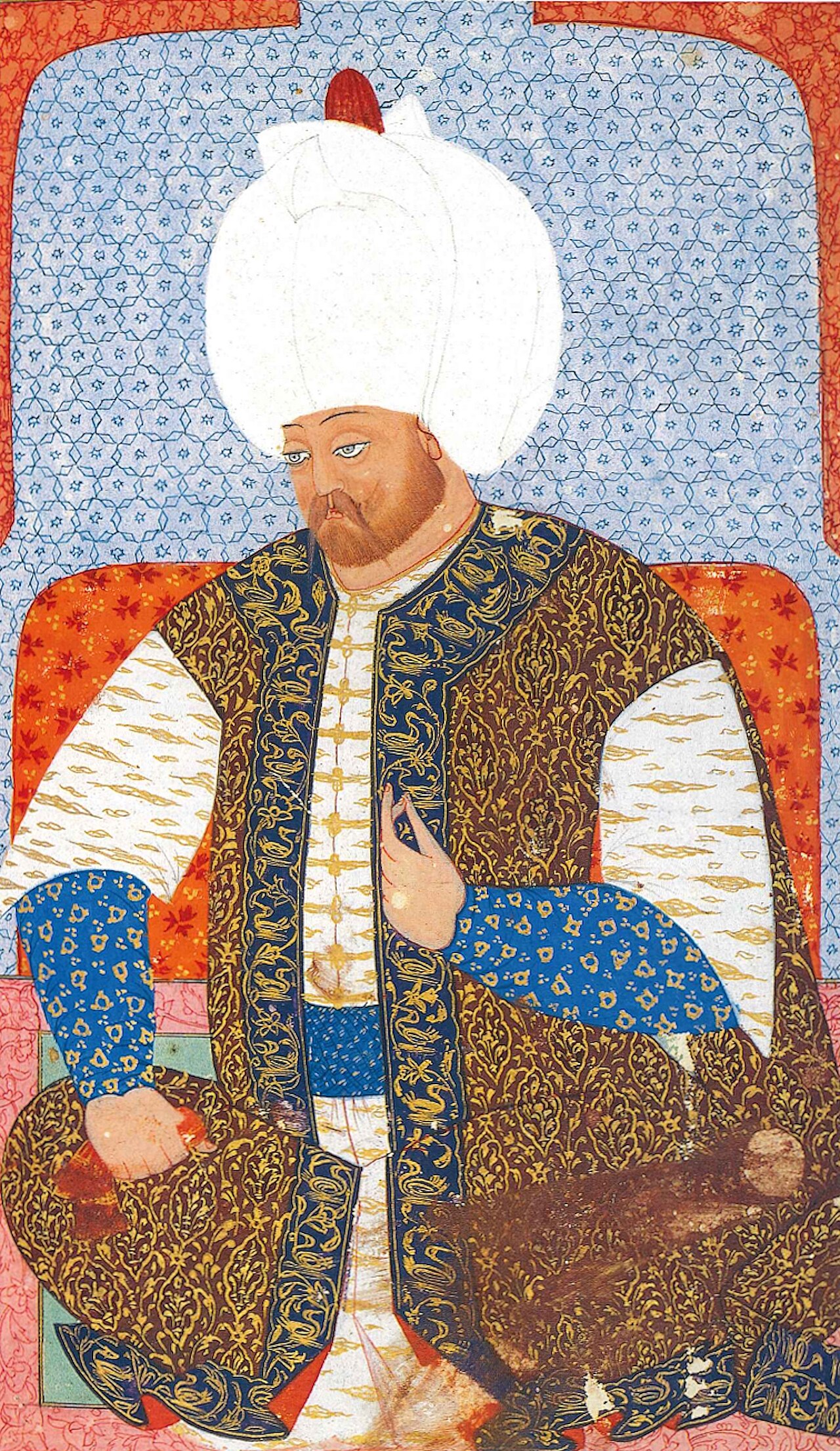
Portrait of Selim II
Nakkaş Osman · 1579
 Painting
Primary source
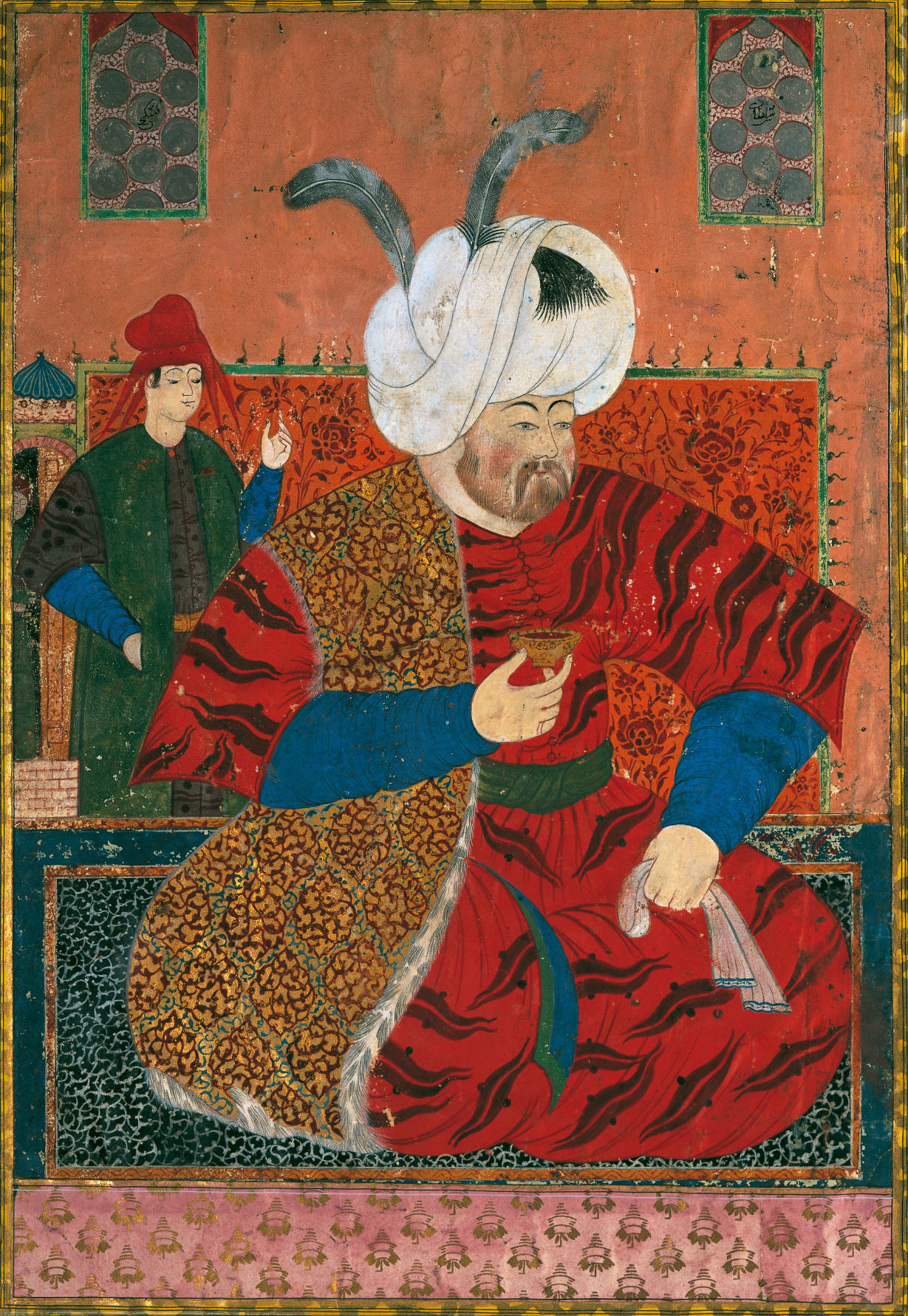
Portrait Of Sultan Selim II
Nigâri
 Document
Primary source
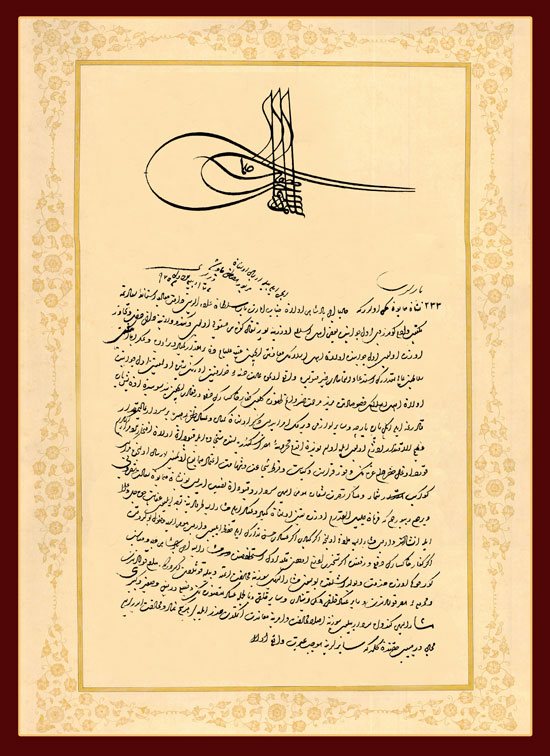
Firman of Sultan Selim II
Selim II
Free account
Read every Selim II source
Sign up free →
Ready when you are
Start chatting with Selim II now.
20 messages free · No credit card · Available in 50+ languages.