


Primary sourceDocument
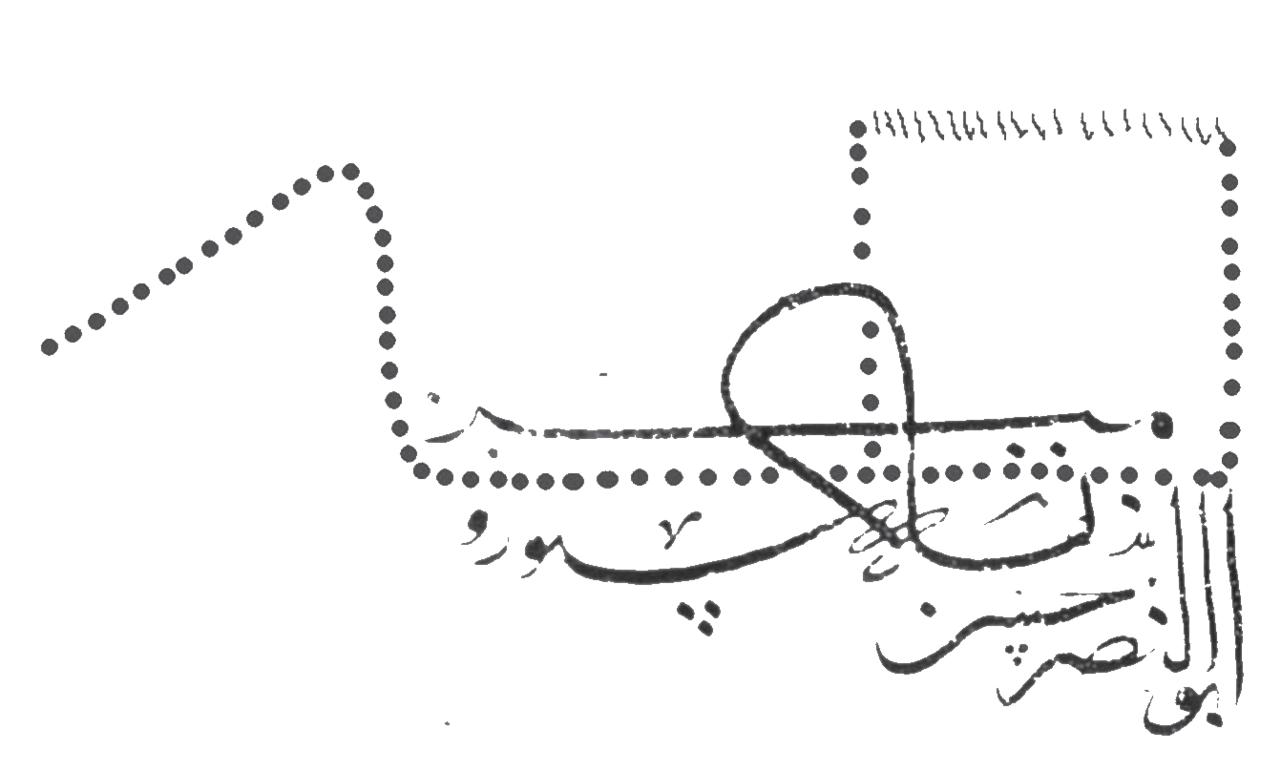
Tughra of Uzun Hasan
Uzun Hasan
The official calligraphic monogram used by Uzun Hasan to authenticate his decrees, combining his name with the sign of his ruling clan.
This tughra was Uzun Hasan's personal chancery monogram, used to authenticate his official decrees.
About this source
What it is
This is the tughra, or chancery monogram, of Uzun Hasan: a looping calligraphic design in black ink combining Arabic script, with the words naming him as Abu al-Nasr Hasan visible at the lower right.
Why it matters
A tughra was the official emblem stamped or drawn on a ruler's decrees to prove they were genuine. This one combines Uzun Hasan's name with the sign of the Bayandur clan, the leading Aq Qoyunlu family that claimed descent from an ancestor named Bayandur Khan. It shows how Uzun Hasan tied his personal authority to his clan's identity.
Look closer
- Why would a ruler need a unique symbol to put on official documents?
- What does combining his name with a clan symbol suggest about where his power came from?
- How is this similar to or different from a modern official seal or signature?
This document is part of the curated material that grounds the AI version of Uzun Hasan on Humy.ai — when students ask about related events, the AI can quote it and cite it.
More Uzun Hasan sources
Browse all 66 →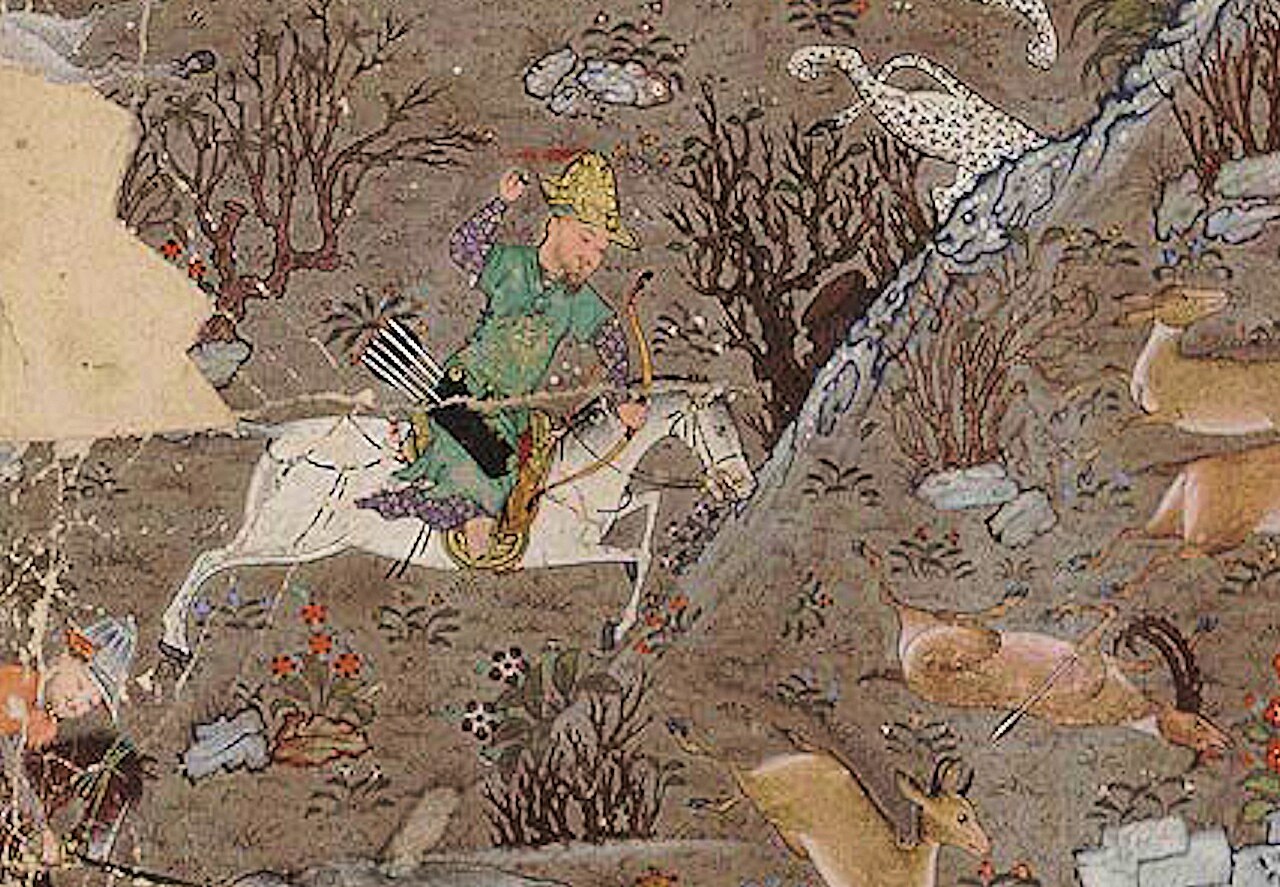 Painting
Primary source
Hunting Sultan Uzun Hasan Diptych
Unknown Tabriz court artist · 1467-1473
 Letter
Primary source
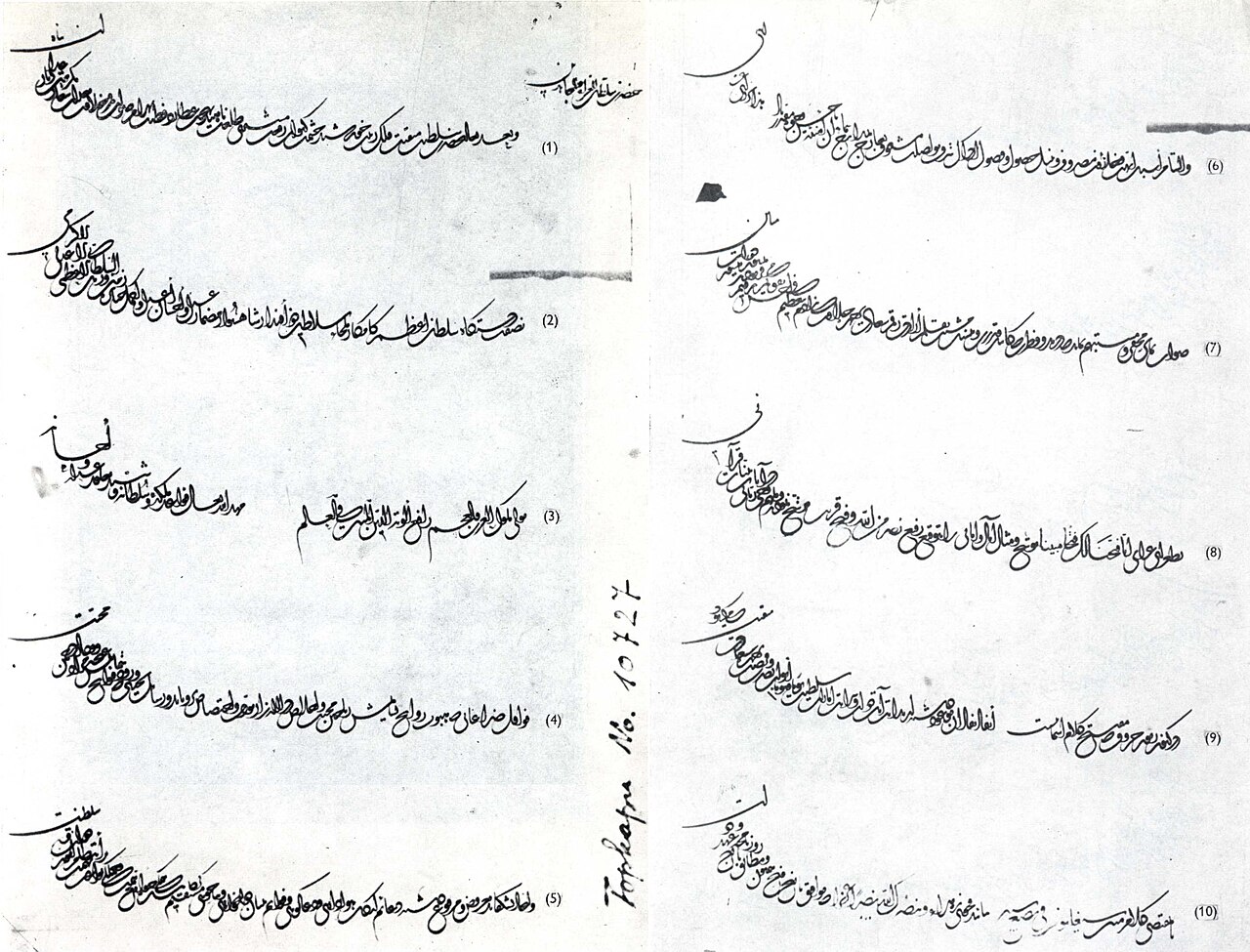
Fath-namah of Uzun Hasan to the Ottoman Sultan
Uzun Hasan · March 1469
 Document
Primary source
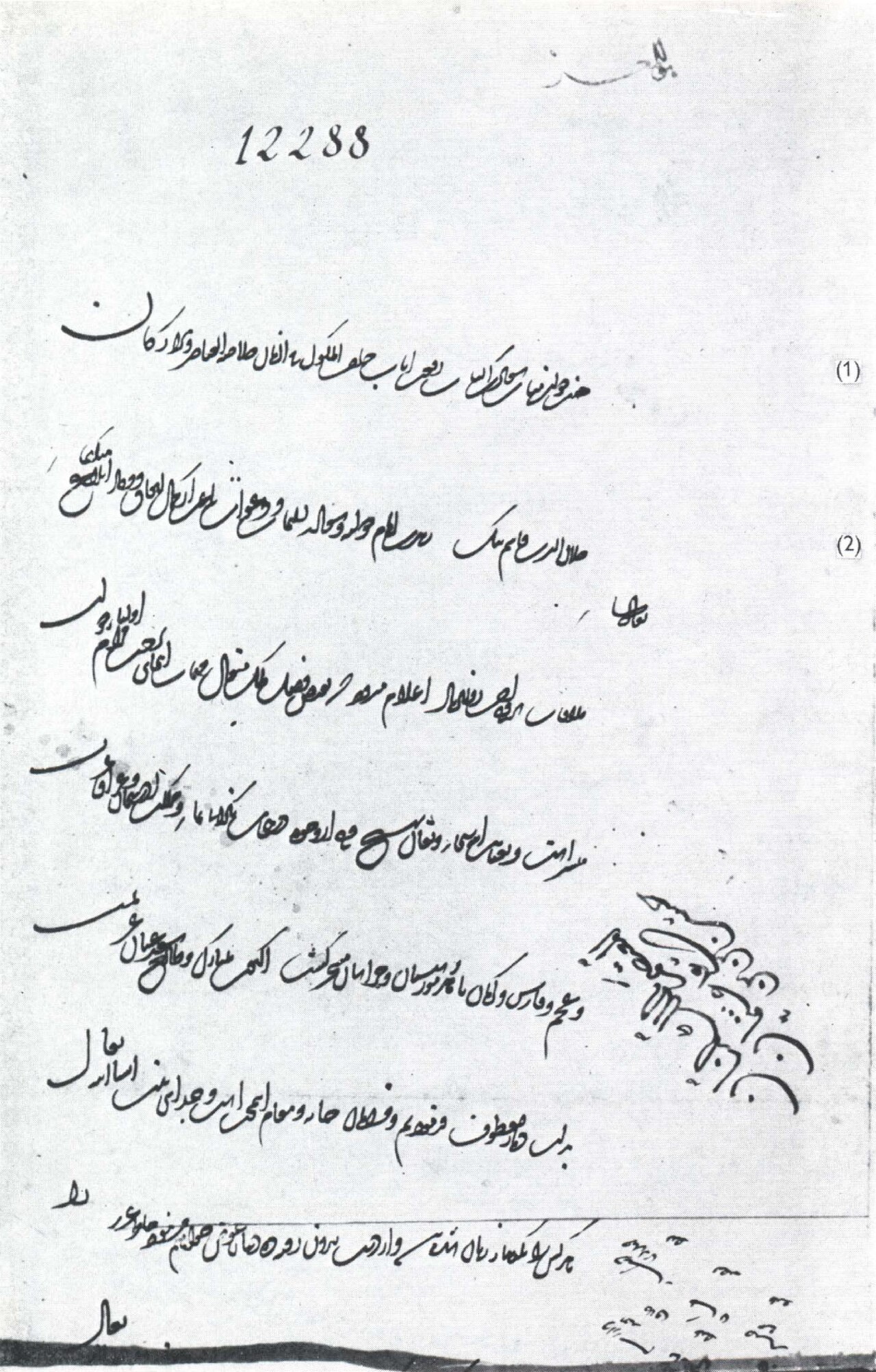
Farman of Uzun Hasan to 'Alayi Bayg
Uzun Hasan · 21 February 1471
 Letter
Primary source
Letter of Uzun Hasan to Jalal al-Din Qasim Bayg
Uzun Hasan · 1471
Free account
Read every Uzun Hasan source
Sign up free →
Ready when you are
Start chatting with Uzun Hasan now.
20 messages free · No credit card · Available in 50+ languages.