


Primary sourceArtifact1573
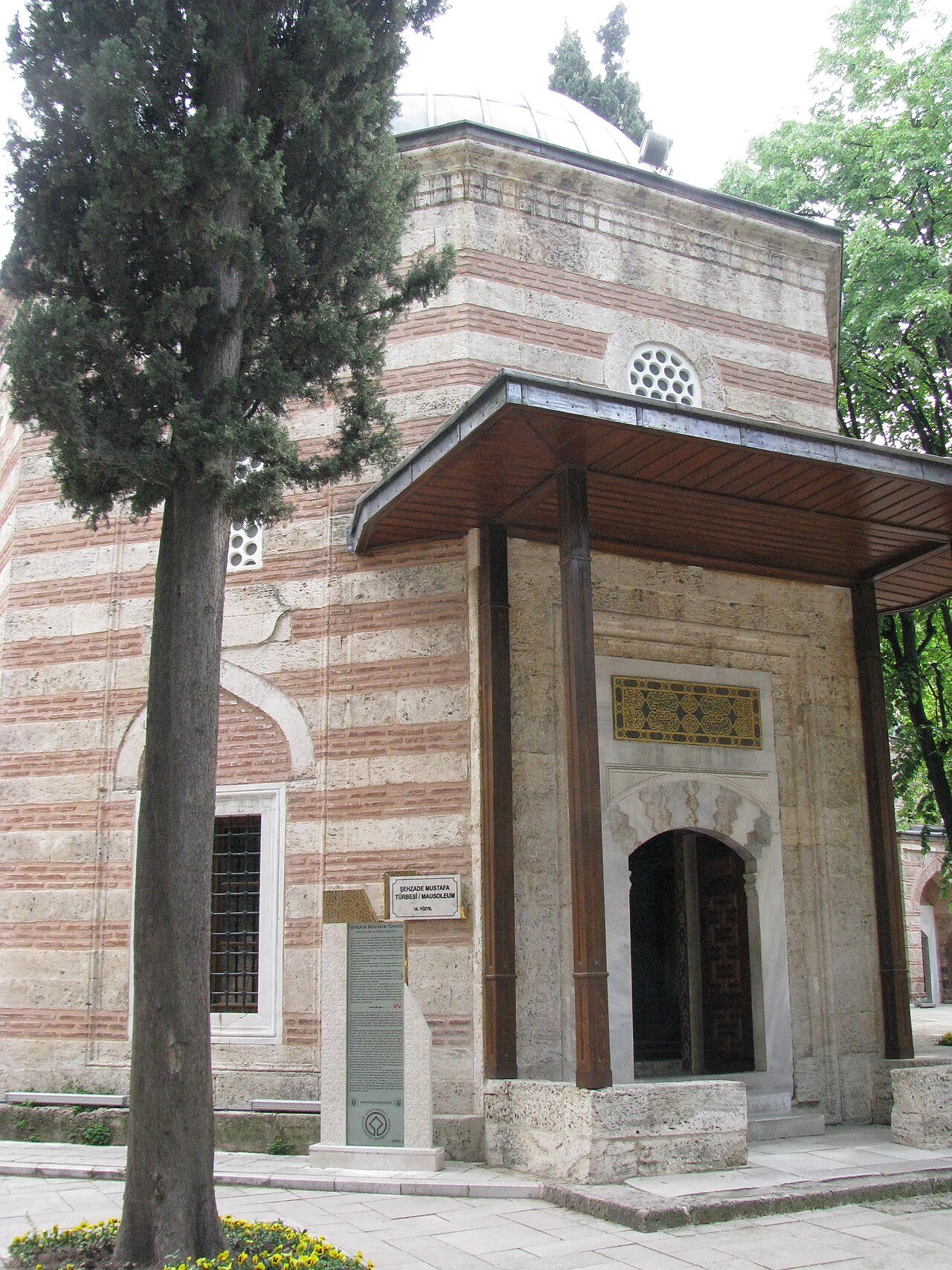
Türbe of Şehzade Mustafa
1573
A mausoleum commissioned by Selim II for his executed half-brother Mustafa, tied to brutal Ottoman succession politics.
Selim II commissioned this tomb for his executed half-brother, reflecting the deadly politics of Ottoman succession.
About this source
What it is
This is a mausoleum (türbe) in a funerary complex, commissioned by Sultan Selim II in 1573, built as a tomb for his executed half-brother, Şehzade Mustafa.
The building has alternating red and cream stone courses, a wooden-columned porch, and an arched doorway, in the typical style of Ottoman royal tombs.
Why it matters
The tomb connects directly to the violent politics of Ottoman succession, in which rival princes could be executed to secure the throne for one heir. That Selim commissioned a tomb for a half-brother caught up in this system shows how dynastic rivalry and later acts of commemoration were intertwined.
Look closer
- Why might a sultan commission a tomb for a relative executed in a succession struggle?
- What does the care given to this building suggest about how rulers tried to manage memory of violent events?
- What is missing from the building itself that a written record might tell you about Mustafa's death?
This artifact is part of the curated material that grounds the AI version of Selim II on Humy.ai — when students ask about related events, the AI can quote it and cite it.
More Selim II sources
Browse all 95 →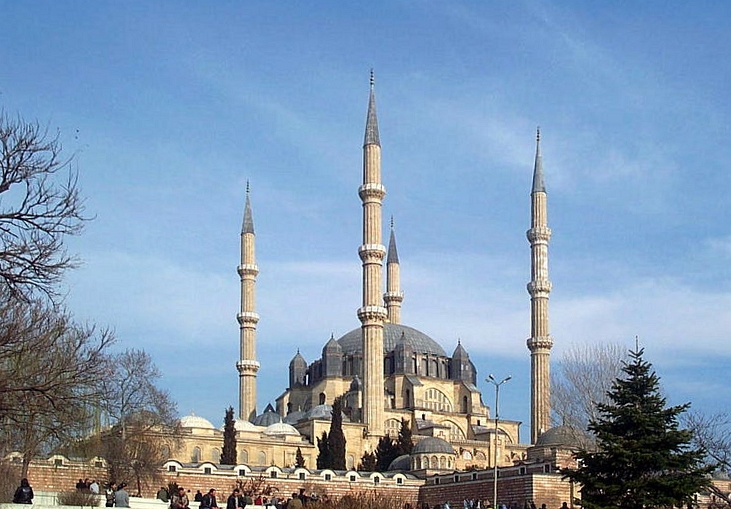 Artifact
Primary source
Selimiye Mosque
Mimar Sinan · 1568-1575
 Painting
Secondary source
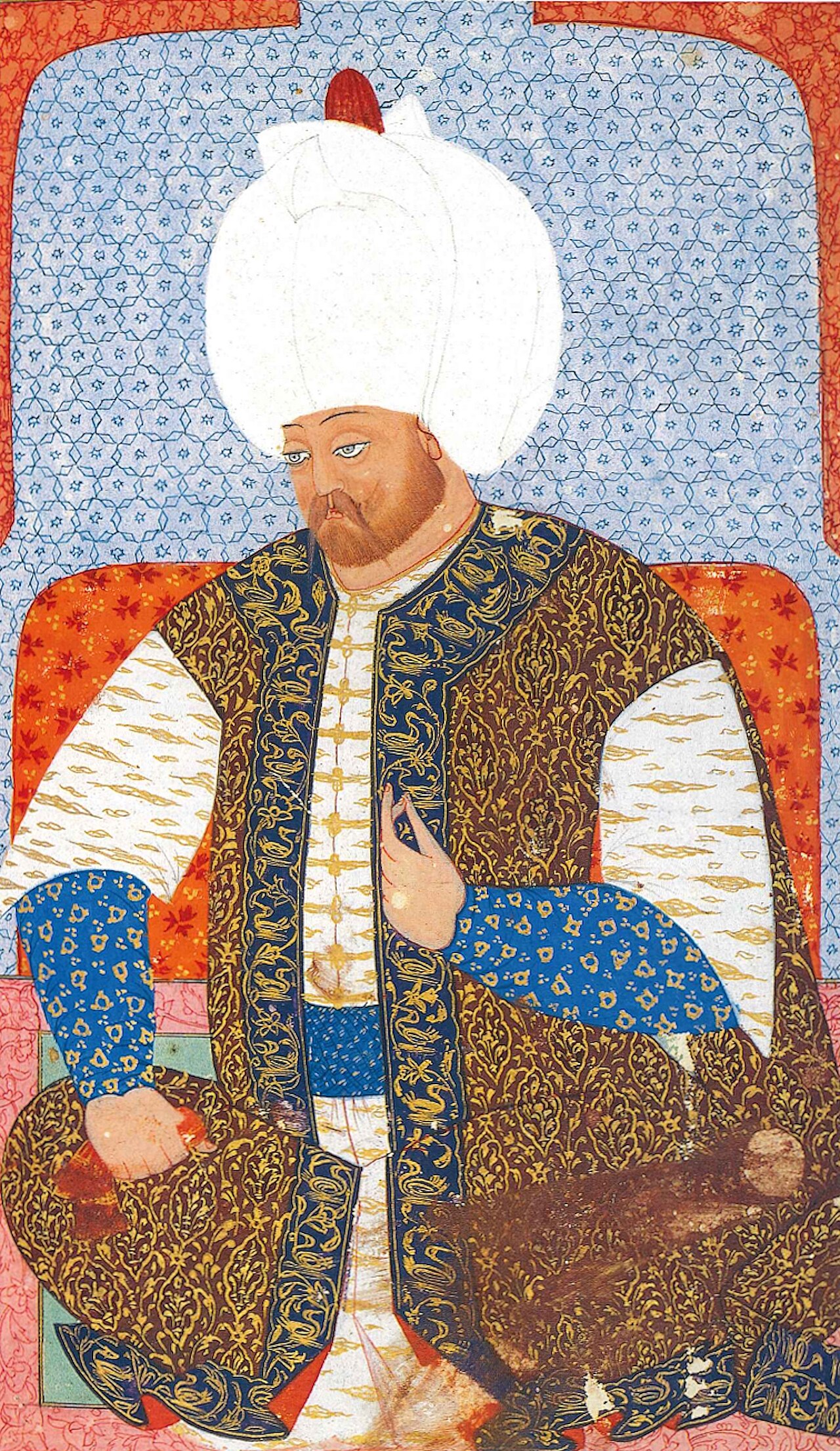
Portrait of Selim II
Nakkaş Osman · 1579
 Painting
Primary source
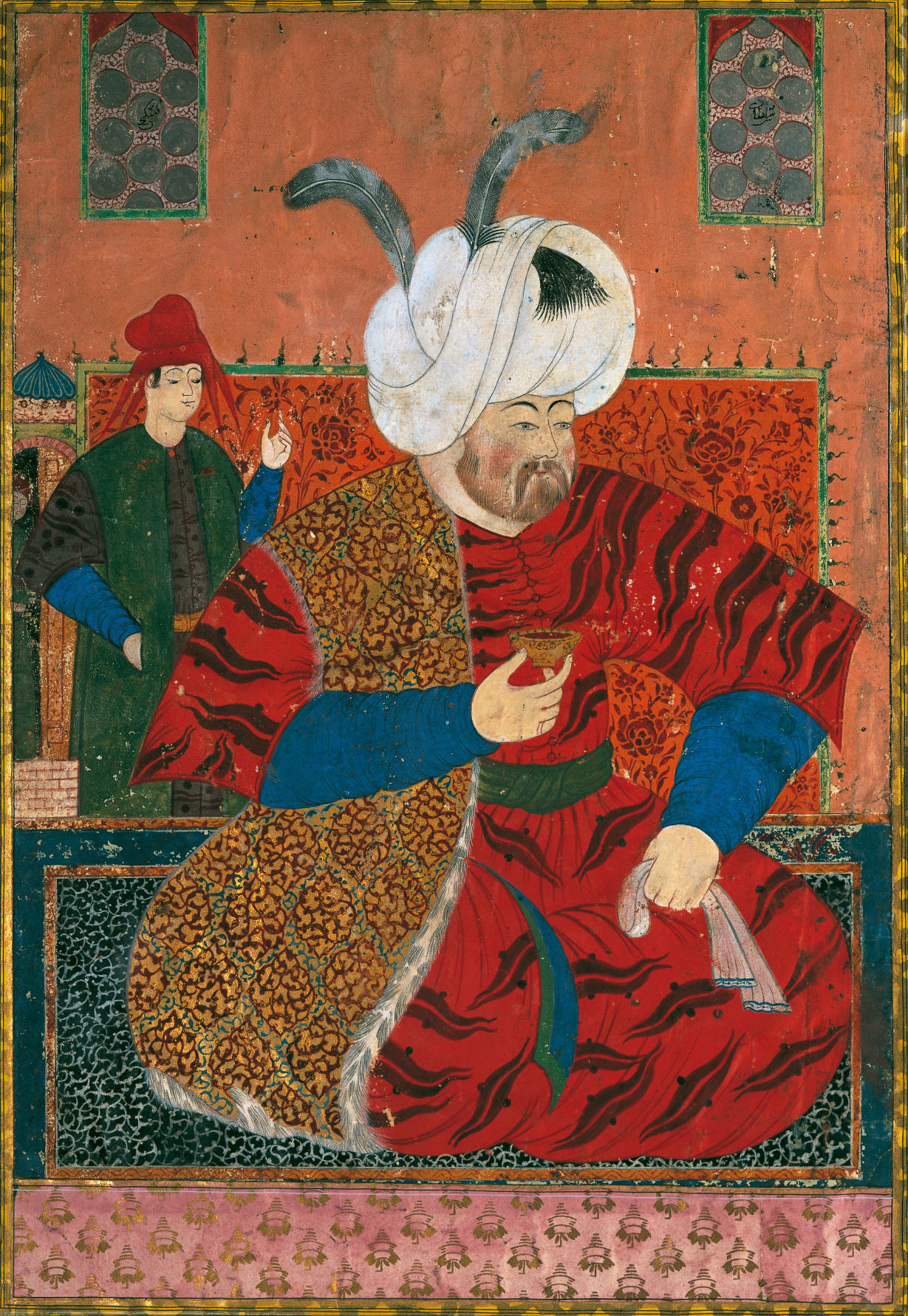
Portrait Of Sultan Selim II
Nigâri
 Document
Primary source
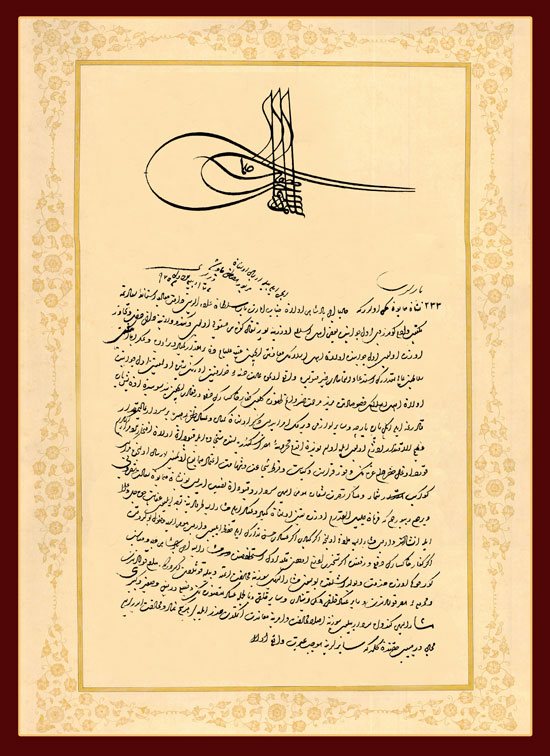
Firman of Sultan Selim II
Selim II
Free account
Read every Selim II source
Sign up free →
Ready when you are
Start chatting with Selim II now.
20 messages free · No credit card · Available in 50+ languages.