


Primary sourcePhotographc. 1942-1943
Tuskegee Airmen
c. 1942-1943
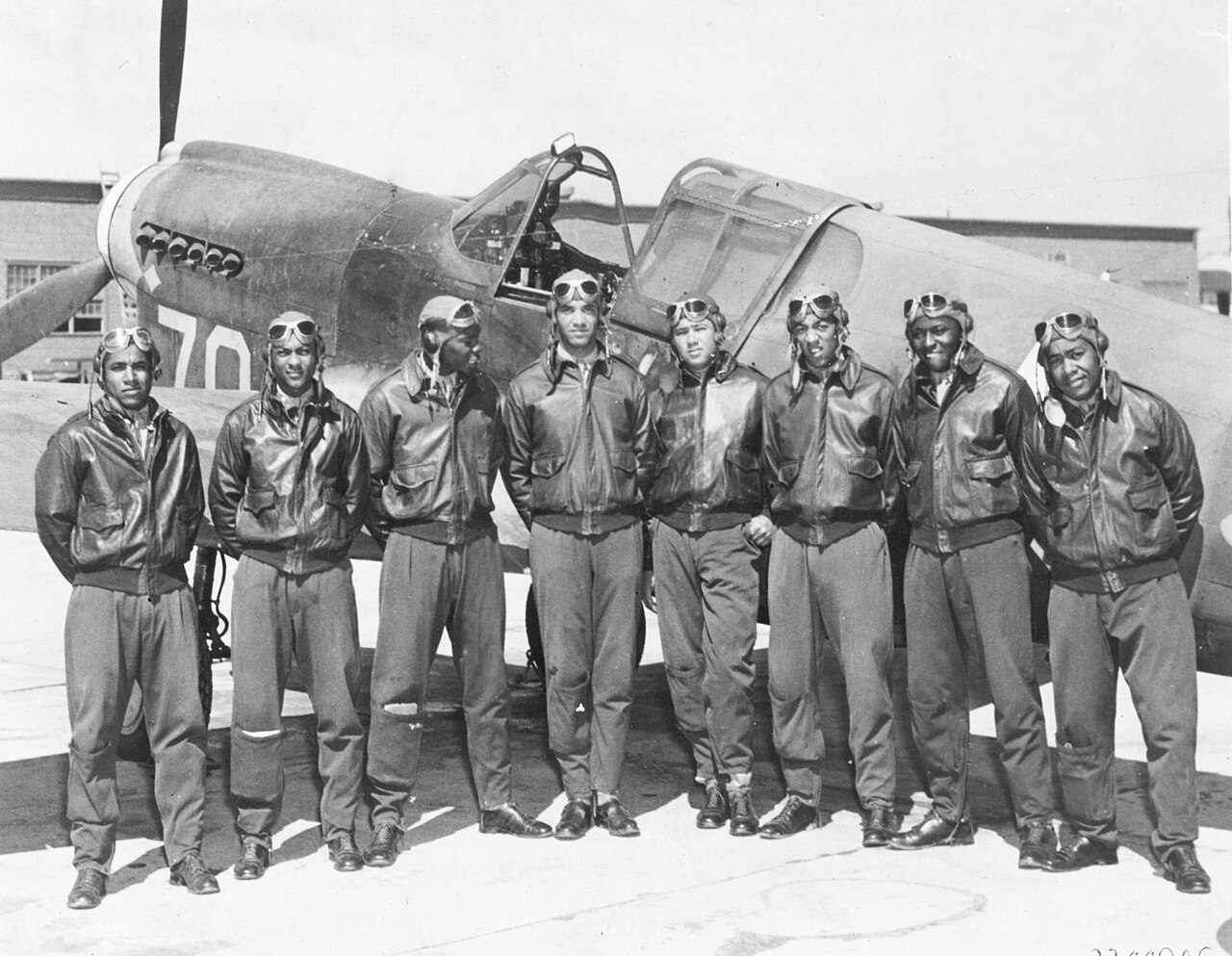
Photograph of Tuskegee Airmen, the first African-American military pilots, whose training program Eleanor Roosevelt publicly supported with a 1941 flight.
Roosevelt's 1941 flight with a Black instructor pilot was a public gesture of support for the Tuskegee program.
About this source
What it is
This photograph shows a group of Tuskegee Airmen, the first African-American military aviators in the U.S. armed forces, who trained at Tuskegee and flew combat missions over North Africa, Sicily, and Italy during World War II as part of the 99th Fighter Squadron and 332nd Fighter Group.
Why it matters
The Tuskegee program began only after years of advocacy by civil rights leaders against a segregated military. Eleanor Roosevelt publicly backed the program in 1941 by flying with a Black instructor pilot, a gesture of support at a time when the airmen faced discrimination both inside and outside the Army. The unit went on to earn praise and citations for its combat record.
Look closer
- Why might a public figure flying with a Black pilot have mattered in 1941, before the military was desegregated?
- What obstacles did these airmen face before they were even allowed to train as pilots?
- What does the photograph show about how the airmen presented themselves, and what is left unseen about their training or combat experience?
This photograph is part of the curated material that grounds the AI version of Eleanor Roosevelt on Humy.ai — when students ask about related events, the AI can quote it and cite it.
More Eleanor Roosevelt sources
Meet the AI Eleanor Roosevelt →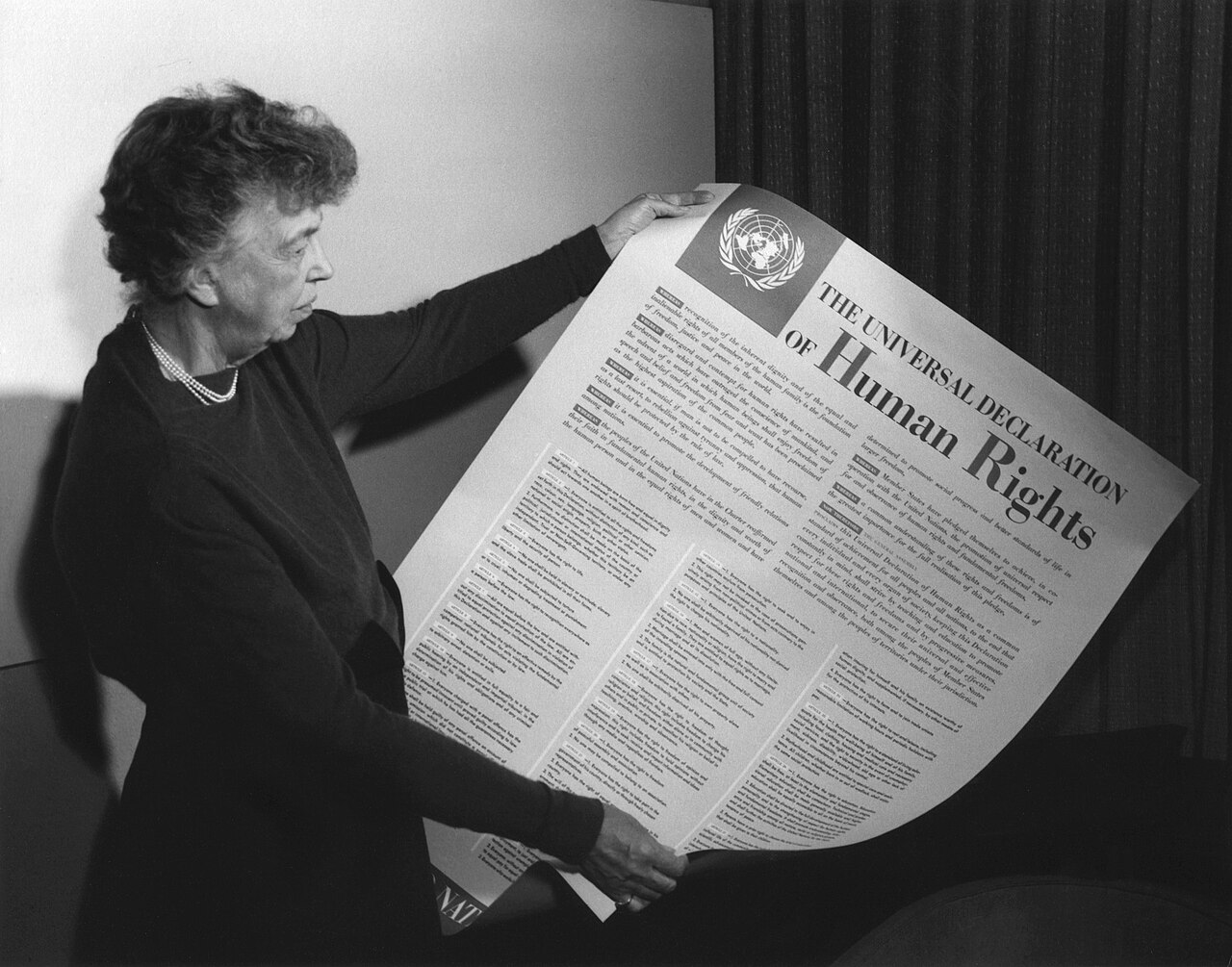 Document
Primary source
Universal Declaration of Human Rights
United Nations Universal Declaration of Human Rights Drafting Committee · 1948
PhotographPrimary source
Eleanor Roosevelt Holding Poster of the Universal Declaration of Human Rights
November 1949
 Speech
Primary source
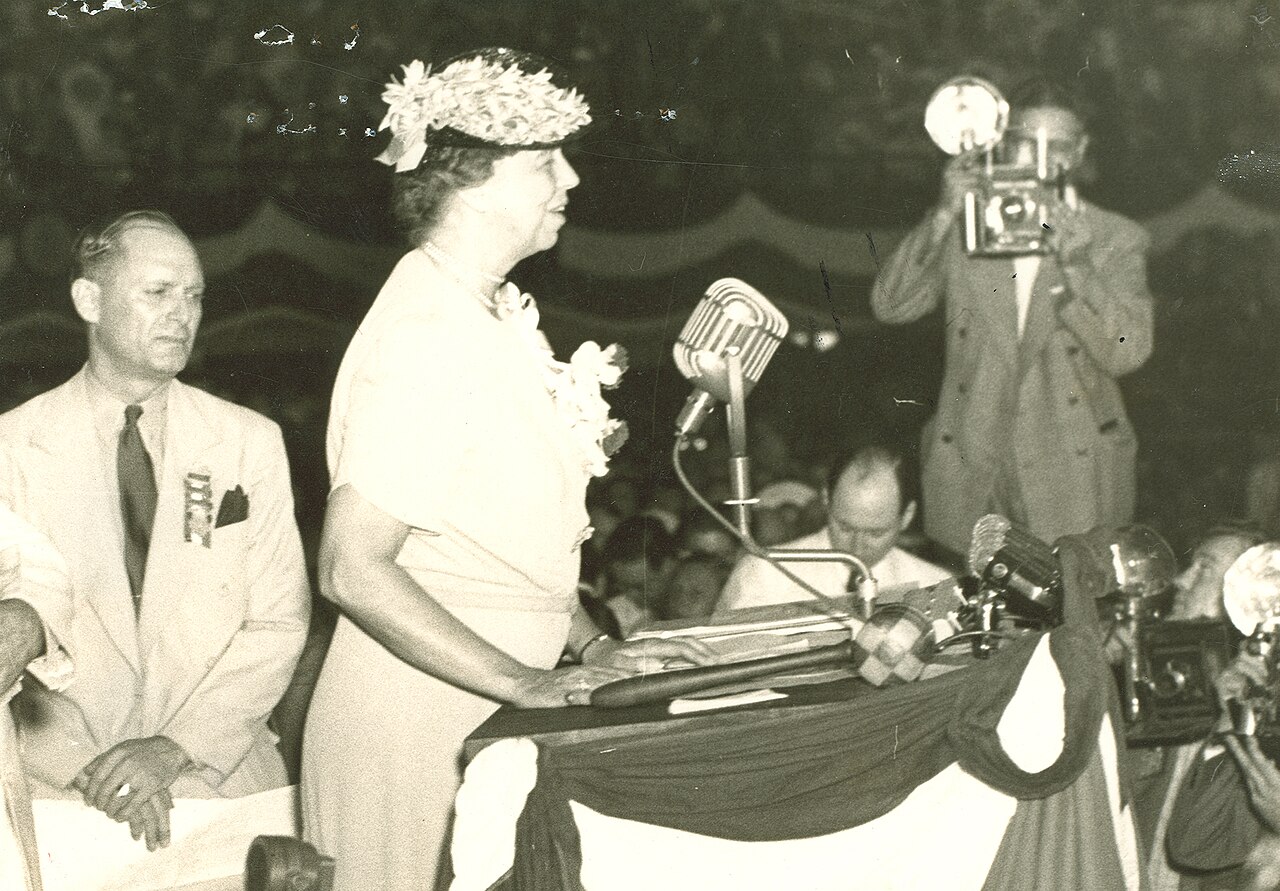
Speech at the 1940 Democratic National Convention
Eleanor Roosevelt · 18 July 1940
 Document
Primary source
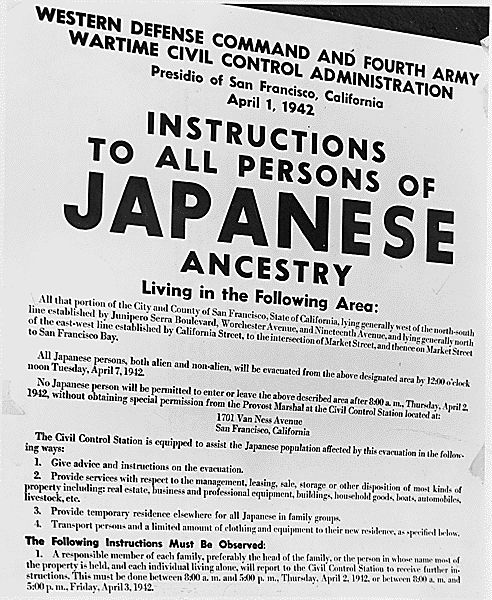
Executive Order 9066
Franklin Delano Roosevelt · 19 February 1942
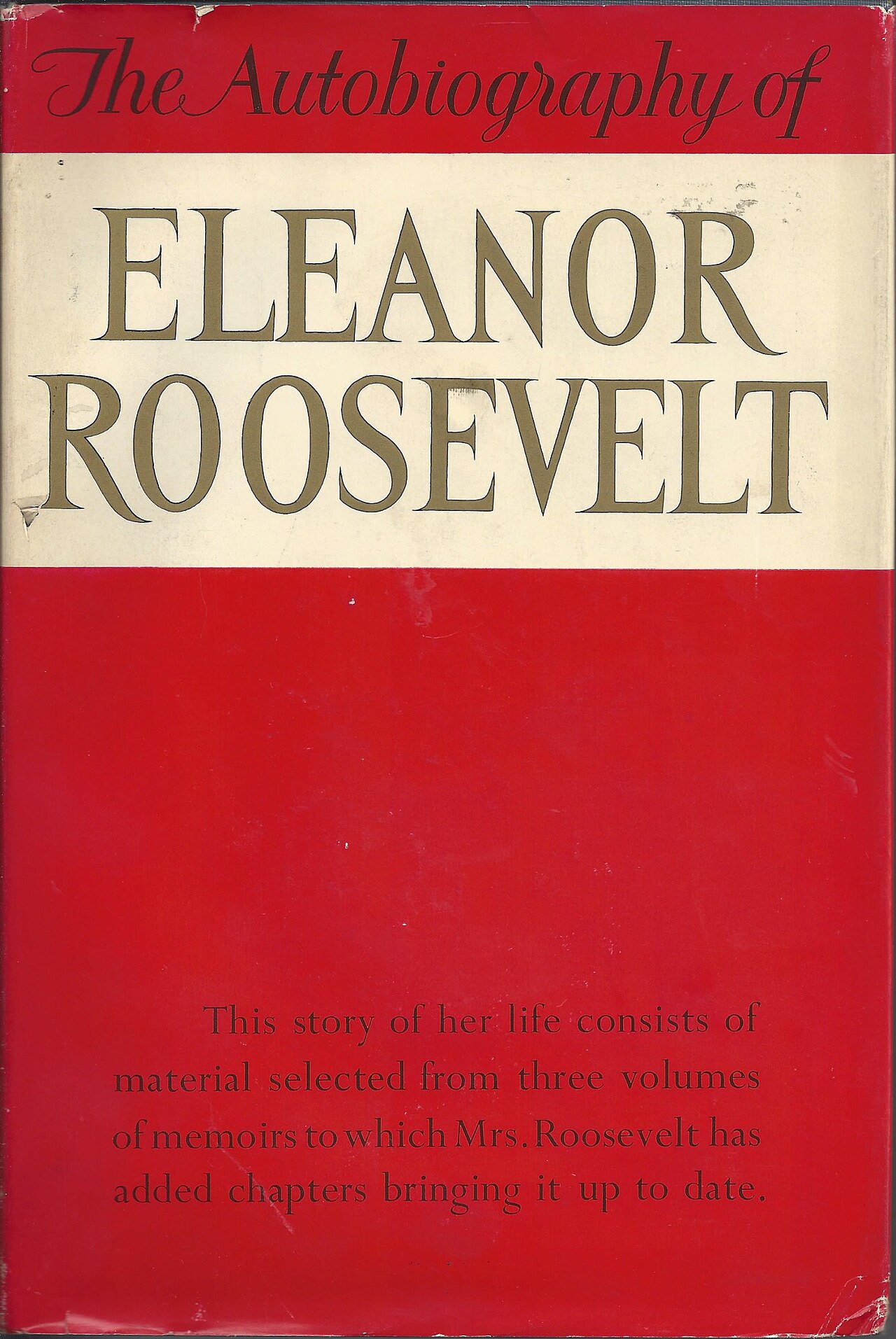 Book
Primary source
The Autobiography of Eleanor Roosevelt
Eleanor Roosevelt · 1961
Ready when you are
Start chatting with Eleanor Roosevelt now.
20 messages free · No credit card · Available in 50+ languages.