


Primary sourceDocument24 March 1934
Tydings–McDuffie Act
24 March 1934
A 1934 law signed by FDR that set a ten-year timeline for Philippine independence from the United States.
FDR signed this act into law, shaping US colonial policy toward the Philippines during his presidency.
About this source
What it is
This is the Tydings–McDuffie Act, also called the Philippine Independence Act, passed by Congress and signed into law by President Franklin D. Roosevelt on March 24, 1934. It was written by Senator Millard Tydings and Representative John McDuffie.
Why it matters
The act established a process for the Philippines, then a US territory, to become independent after a ten-year transition period, leading to the Commonwealth of the Philippines and its first elected president, with figures like Manuel Quezon pushing for its passage. It also restricted Filipino immigration to the United States, revealing how independence and immigration policy were tangled together at the time.
Look closer
- Why might a law granting independence also limit immigration from the country being freed?
- What does the ten-year transition period suggest about how the US viewed its colonial responsibilities?
- Whose voices from the Philippines are missing from this American-made law?
This document is part of the curated material that grounds the AI version of Franklin D. Roosevelt on Humy.ai — when students ask about related events, the AI can quote it and cite it.
More Franklin D. Roosevelt sources
Meet the AI Franklin D. Roosevelt →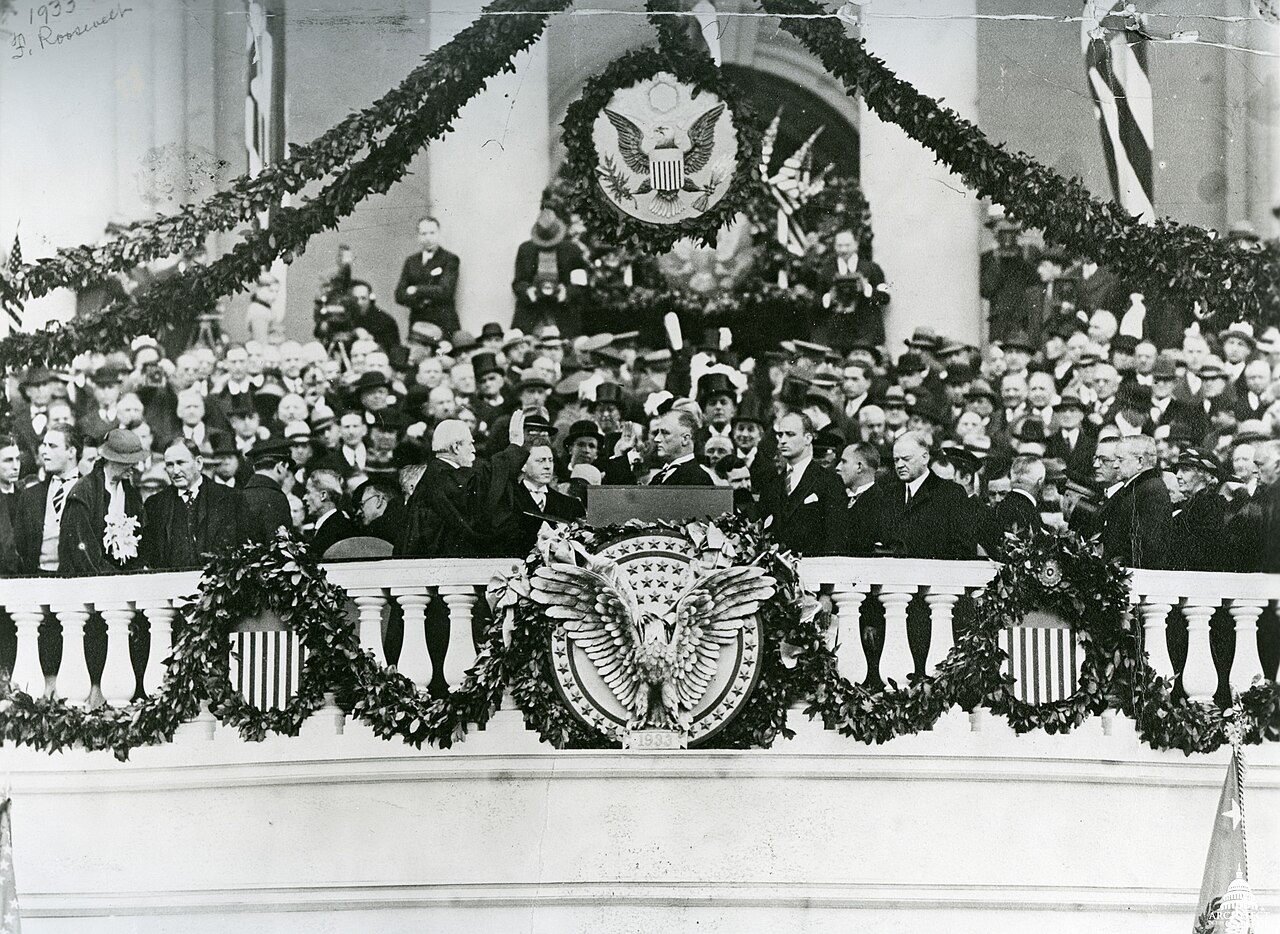 Speech
Primary source
First Inaugural Address of Franklin D. Roosevelt
Franklin Delano Roosevelt · 4 March 1933
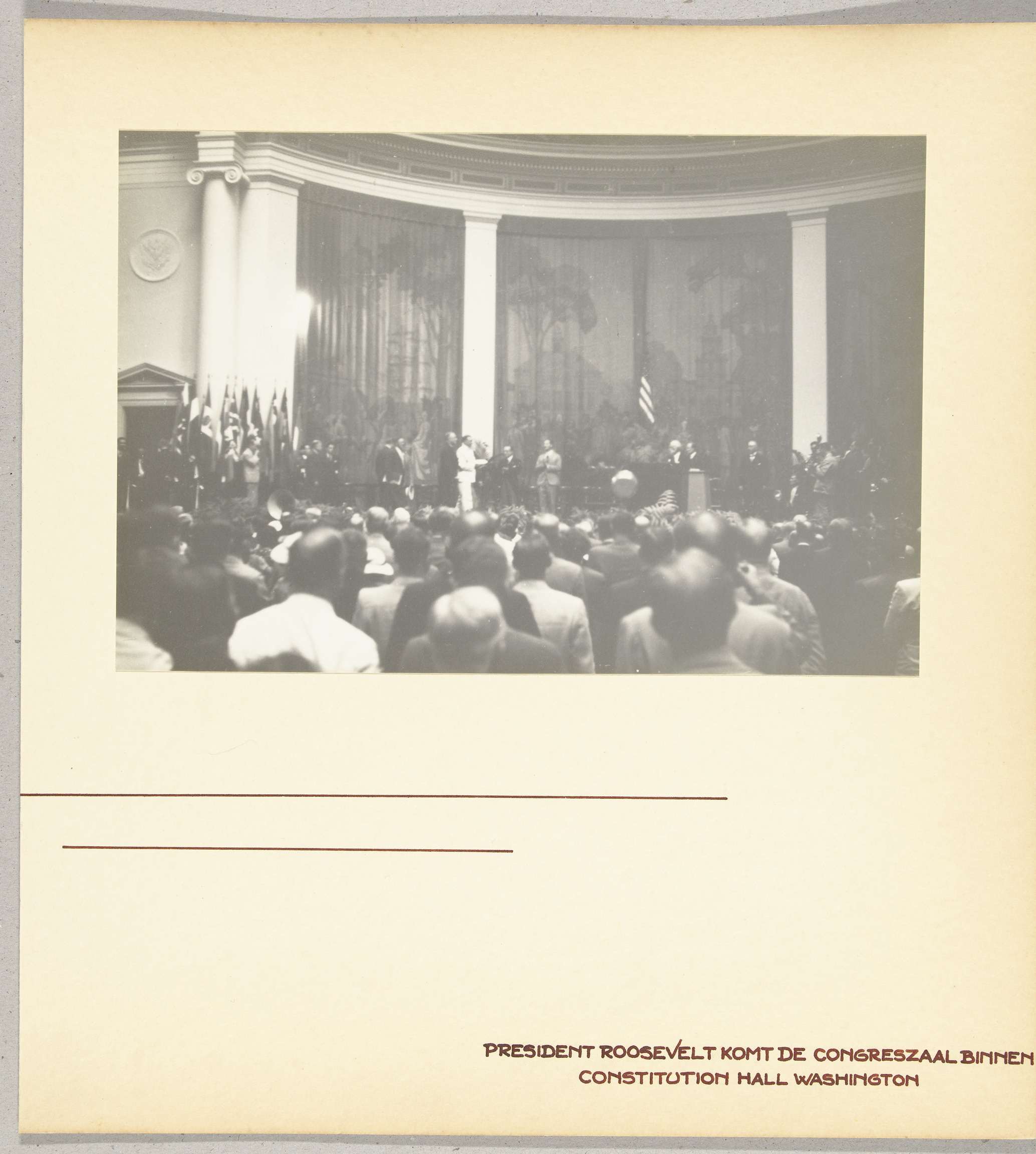 Photograph
Primary source
Roosevelt at the Third World Power Conference
1936
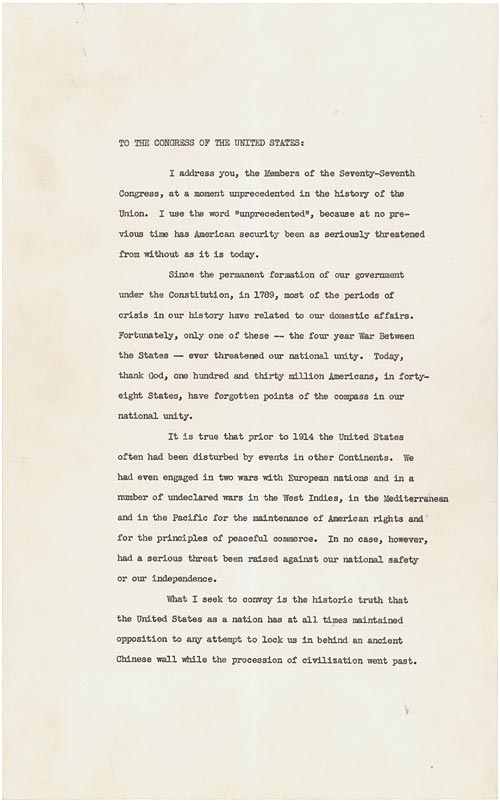 Speech
Primary source
Four Freedoms Speech
Franklin Delano Roosevelt · 6 January 1941
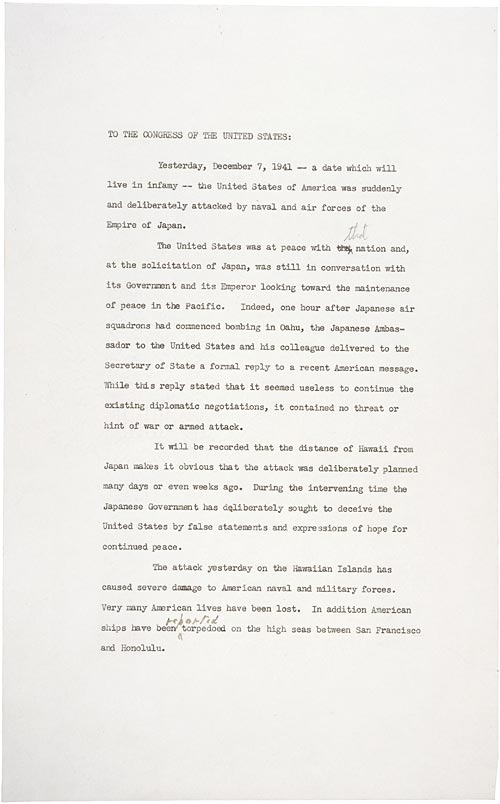 Speech
Primary source
Day of Infamy Speech
Franklin Delano Roosevelt · 8 December 1941
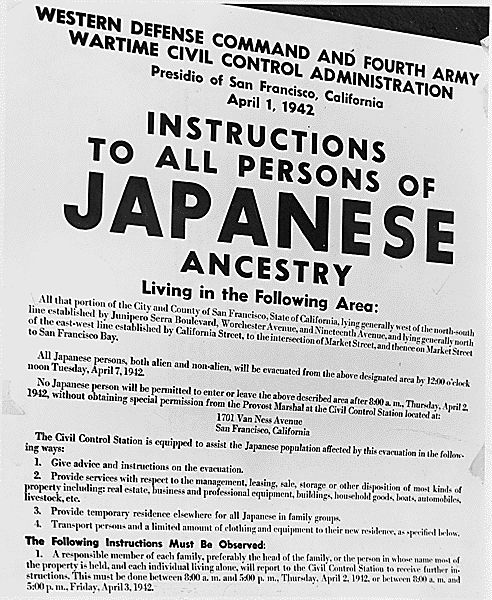 Document
Primary source
Executive Order 9066
Franklin Delano Roosevelt · 19 February 1942
Ready when you are
Start chatting with Franklin D. Roosevelt now.
20 messages free · No credit card · Available in 50+ languages.