


Primary sourceArtifact17 February 1882
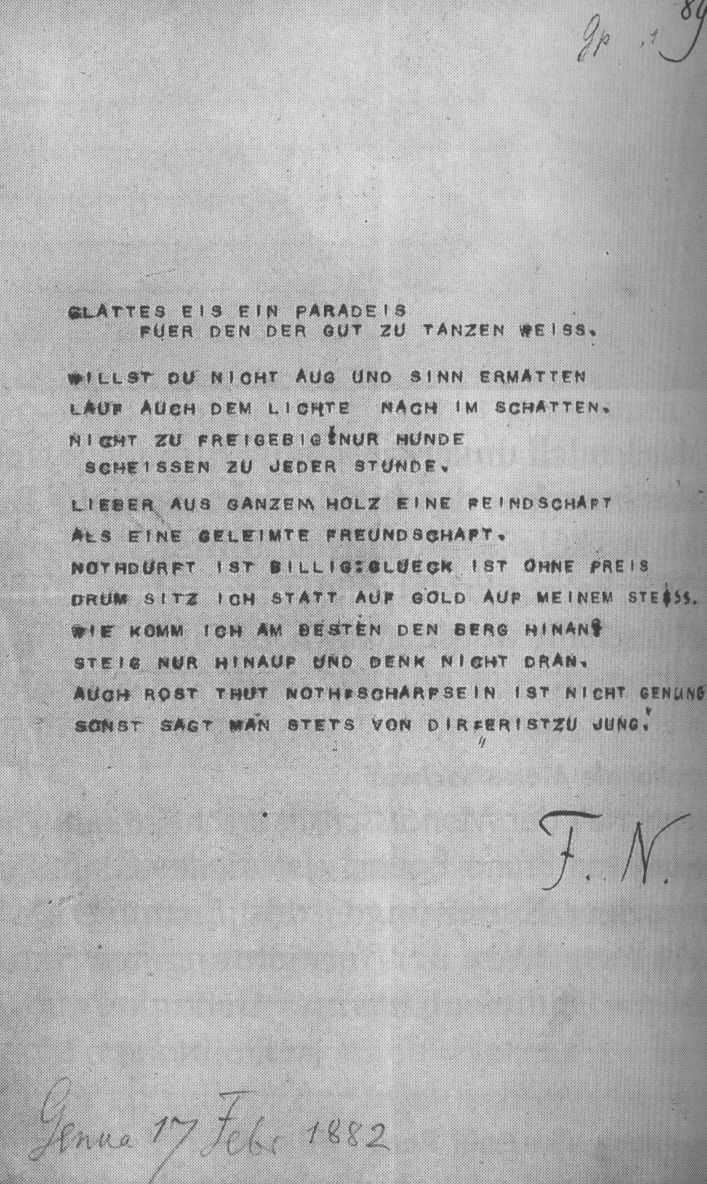
Typed Poem 'Glattes Eis ein Paradeis'
Friedrich Nietzsche · 17 February 1882
A typed sheet with a German poem, produced on Nietzsche's Malling-Hansen writing ball, which he used because of his failing eyesight.
A typed poem produced by Nietzsche himself on the writing ball he bought to cope with his failing eyesight.
About this source
What it is
This is a typed sheet of paper in capital letters containing a short German poem titled 'Glattes Eis ein Paradeis.' It is signed with the initials 'F. N.' and dated at Genoa, 17 February 1882. It was produced using Friedrich Nietzsche's Malling-Hansen writing ball, a typewriter he bought in 1882.
Why it matters
Nietzsche bought this early typewriter because his eyesight was failing and writing by hand had become painful. He reflected on how the machine changed his own writing style, remarking that 'our writing tools are also working on our thoughts.' This object shows how technology could shape even the most abstract philosophical work.
Look closer
- Why would a thinker care about the tool he used to write, not just what he wrote?
- How might typing in capital letters feel different from handwriting?
- What does this object tell us about Nietzsche's physical struggles during this period of his life?
This artifact is part of the curated material that grounds the AI version of Friedrich Nietzsche on Humy.ai — when students ask about related events, the AI can quote it and cite it.
More Friedrich Nietzsche sources
Meet the AI Friedrich Nietzsche →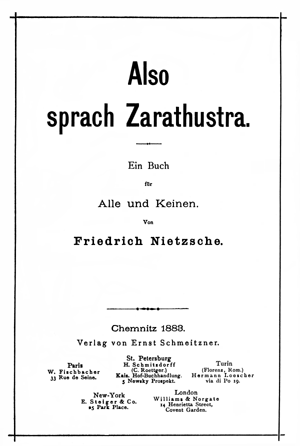 Book
Primary source
Thus Spoke Zarathustra
Friedrich Nietzsche · 1883-1885
 Book
Primary source
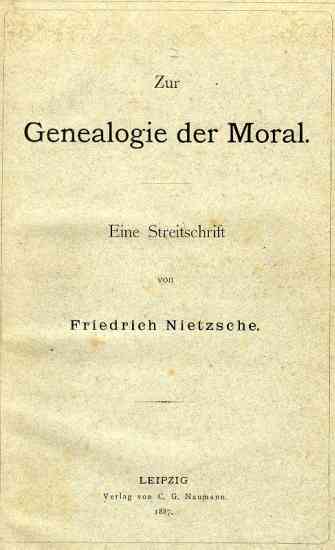
On the Genealogy of Morality
Friedrich Nietzsche · 1887
 Book
Primary source
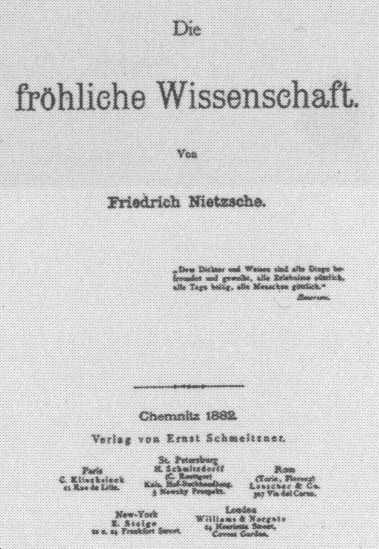
The Gay Science
Friedrich Nietzsche · 1882
 Book
Primary source
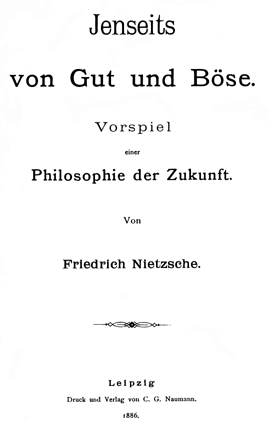
Beyond Good and Evil
Friedrich Nietzsche · 1886
 Book
Primary source
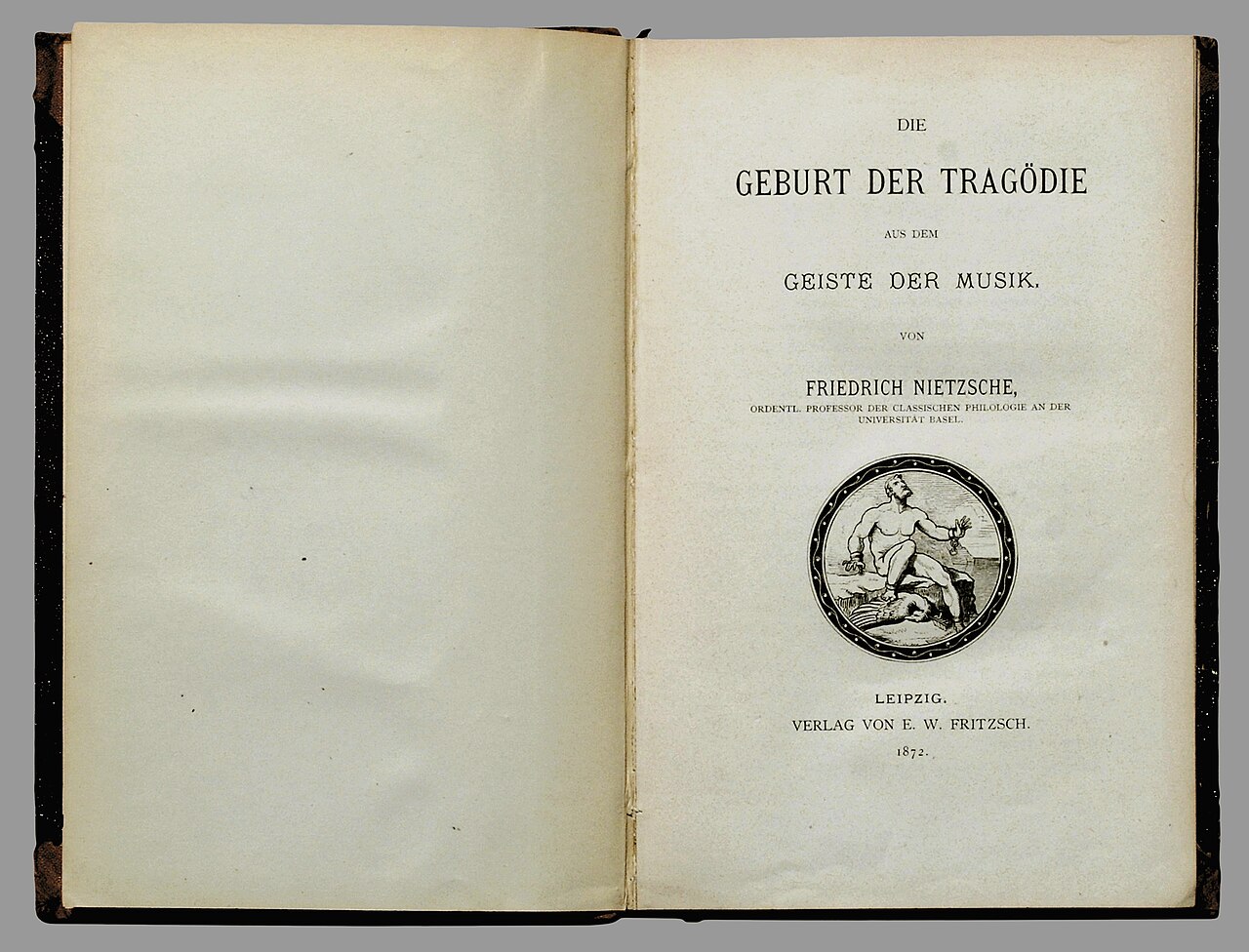
The Birth of Tragedy
Friedrich Nietzsche · 1872
Ready when you are
Start chatting with Friedrich Nietzsche now.
20 messages free · No credit card · Available in 50+ languages.