


Primary sourceBook1819
Ueber die Sinne
Arthur Schopenhauer · 1819
Schopenhauer's German chapter on the senses, from volume two of The World as Will and Representation.
This is Schopenhauer's own philosophical writing on perception, part of his central work.
Free Humy account · No credit card · 118,535 sources to read
About this source
What it is
This is the original German text of On the Senses, a chapter written by Arthur Schopenhauer for the second volume of his major work Die Welt als Wille und Vorstellung (The World as Will and Representation), published in 1819 with later additions. It survives as original-language text preserved through Wikisource.
Why it matters
Here Schopenhauer explains his own theory of perception, arguing that the senses are extensions of the brain that gather raw material for ideas, without themselves being pleasant or unpleasant. The chapter is a window into how he built his philosophical system from close observation of the human body and mind.
Look closer
- What does Schopenhauer claim is the real purpose of the senses?
- Why might he insist his ideas are original rather than repeating others?
- How does this text connect to his larger philosophy of will and representation?
This book is part of the curated material that grounds the AI version of Arthur Schopenhauer on Humy.ai — when students ask about related events, the AI can quote it and cite it.
More Arthur Schopenhauer sources
Browse all 94 →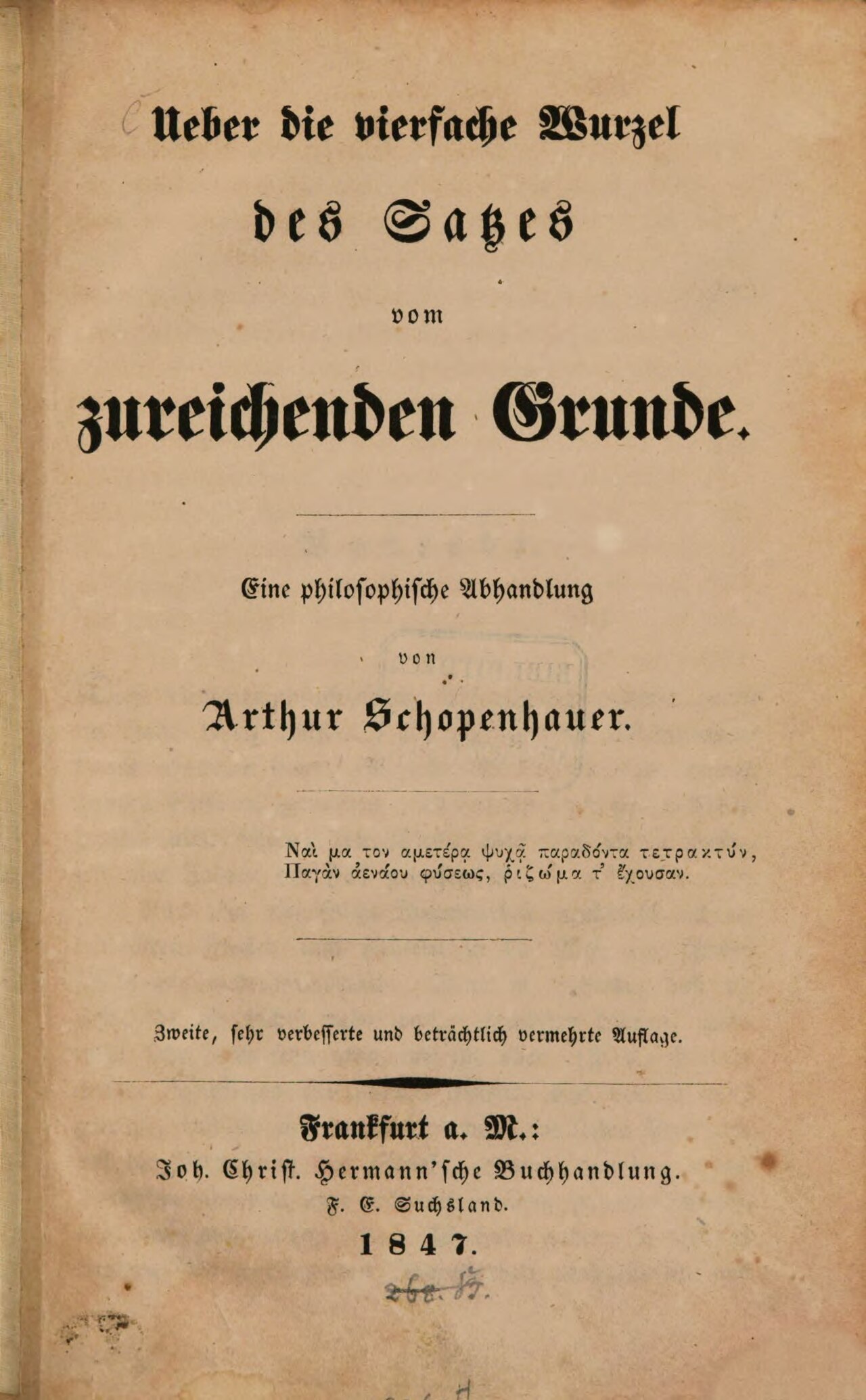 Book
Primary source
On the Fourfold Root of the Principle of Sufficient Reason
Arthur Schopenhauer · 1813, revised 1847
 Photograph
Primary source
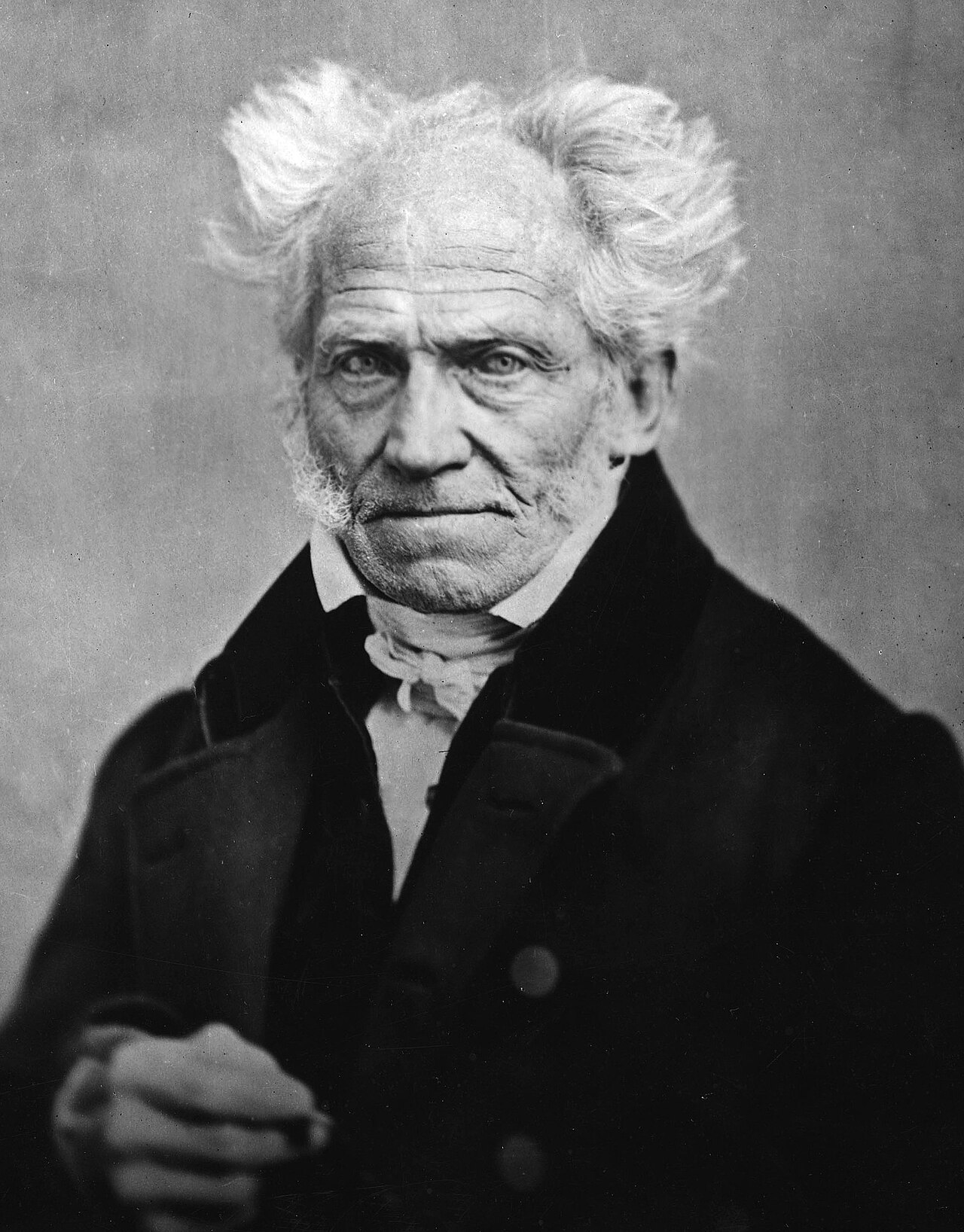
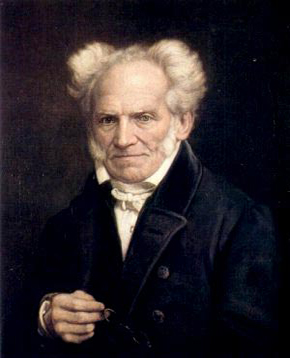
Portrait of Arthur Schopenhauer
Johann Schäfer · 1859
 Painting
Primary source
Arthur Schopenhauer Portrait by Ludwig Sigismund Ruhl
Ludwig Sigismund Ruhl · 1815
Primary source
On the Basis of Morality
Arthur Schopenhauer · 1839, published 1840/41
Free account
Read every Arthur Schopenhauer source
Sign up free →
Ready when you are
Start chatting with Arthur Schopenhauer now.
20 messages free · No credit card · Available in 50+ languages.