


Primary sourceDocument4 September 1821
Ukase of 1821
Alexander I of Russia · 4 September 1821
Alexander I's 1821 proclamation claiming Russian sovereignty over the Pacific coast of North America, including Alaska.
Alexander issued this proclamation asserting Russian territorial claims in North America.
Free Humy account · No credit card · 120,912 sources to read
About this source
What it is
Declared on 4 September 1821, this Russian proclamation, or ukase, asserted Alexander I's sovereignty over northwestern North America, including present-day Alaska and much of the Pacific Northwest, and restricted foreign ships from approaching the coast.
Why it matters
The ukase provoked strong protests from the United States and Britain, since explorers and traders from those nations had long been active in the region. The dispute helped shape the Monroe Doctrine of 1823 and eventually led to treaties in which Russia scaled back its claims, foreshadowing later boundary disputes over Alaska.
Look closer
- Why might a ruler claim territory that other nations were already using?
- How did other powers respond, and what does that reveal about international relations at the time?
- What does this document tell you about Russia's ambitions beyond Europe?
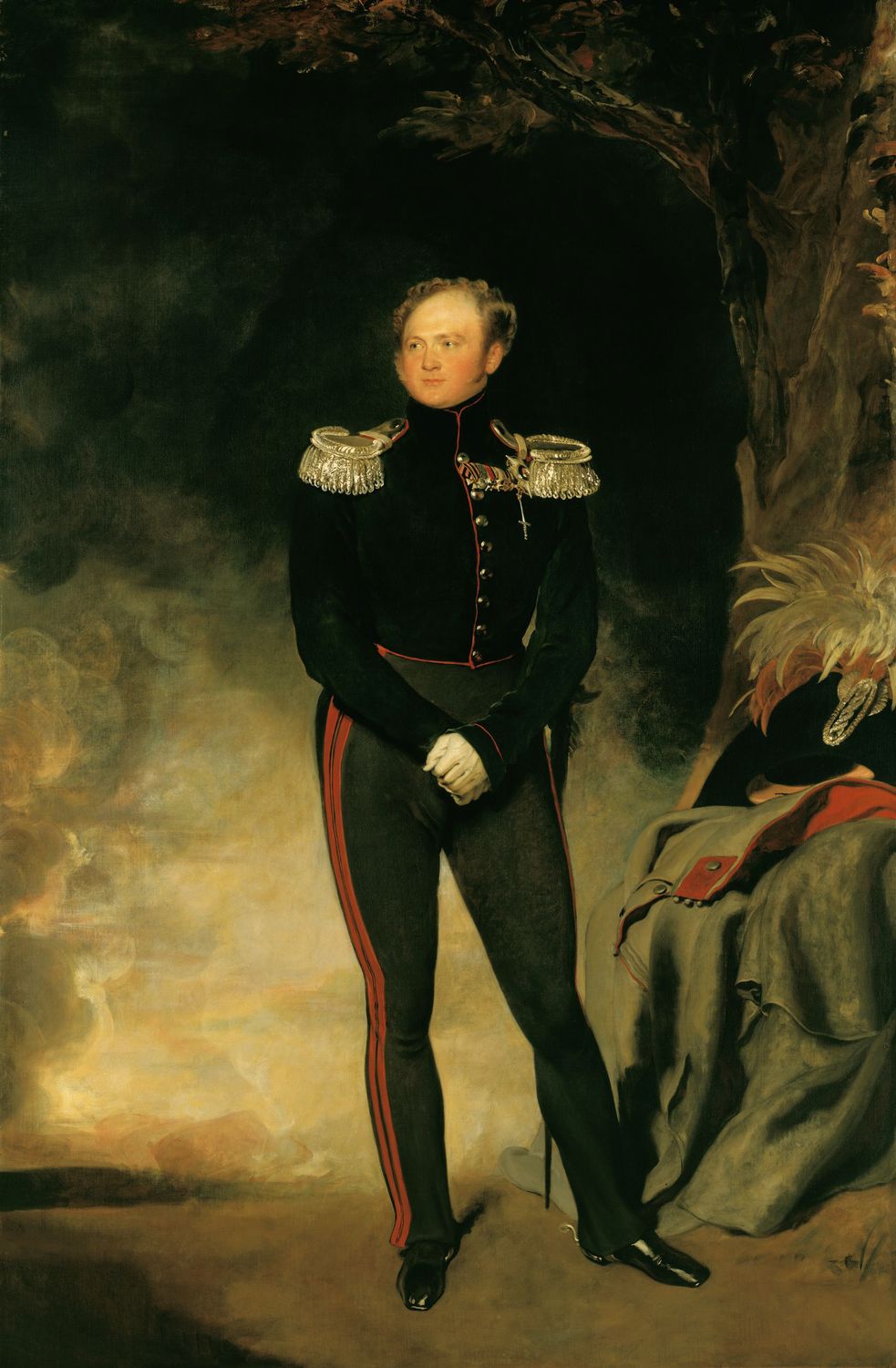
This document is part of the curated material that grounds the AI version of Tsar Alexander I on Humy.ai — when students ask about related events, the AI can quote it and cite it.
More Tsar Alexander I sources
Browse all 89 →Primary source
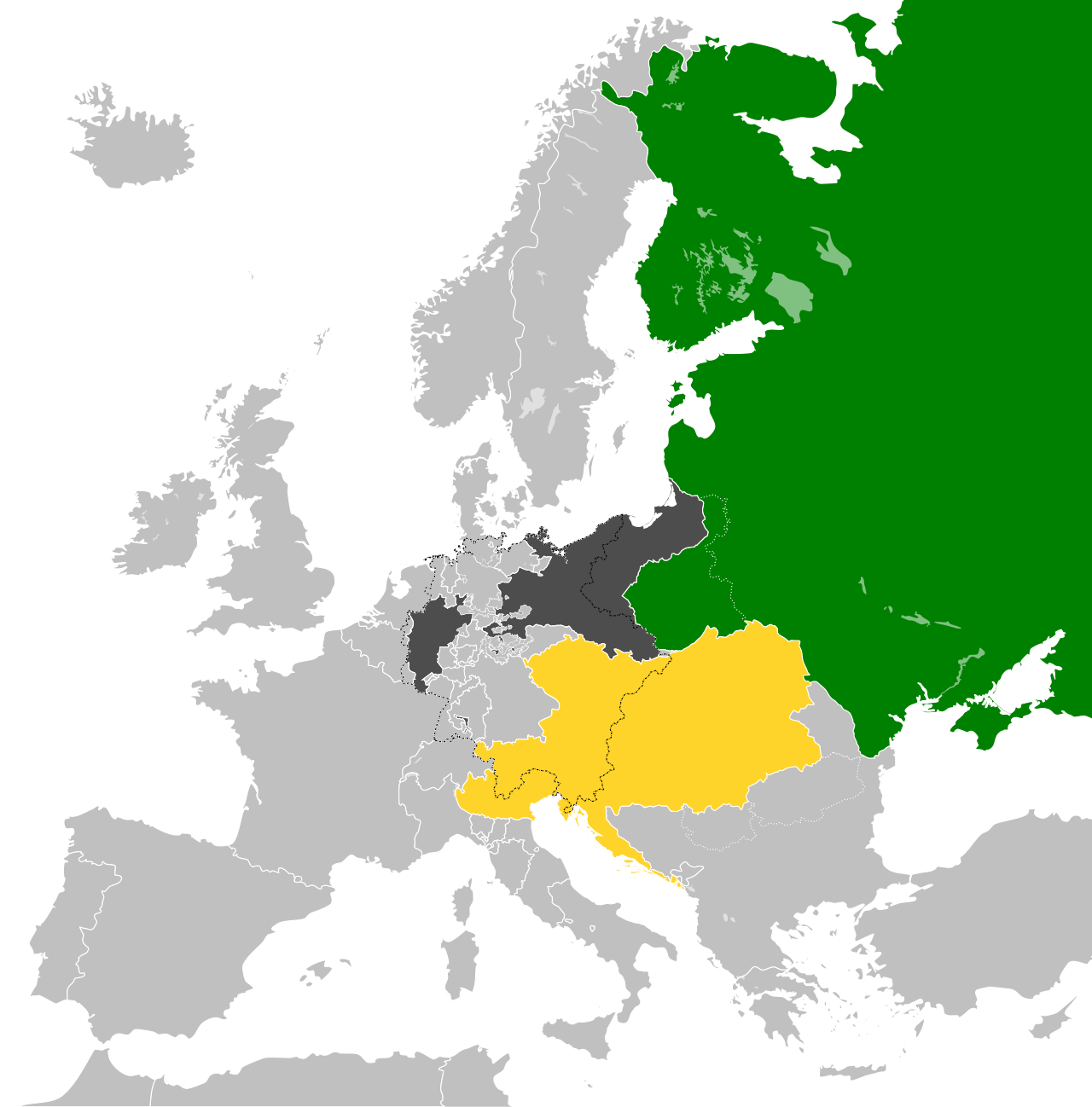
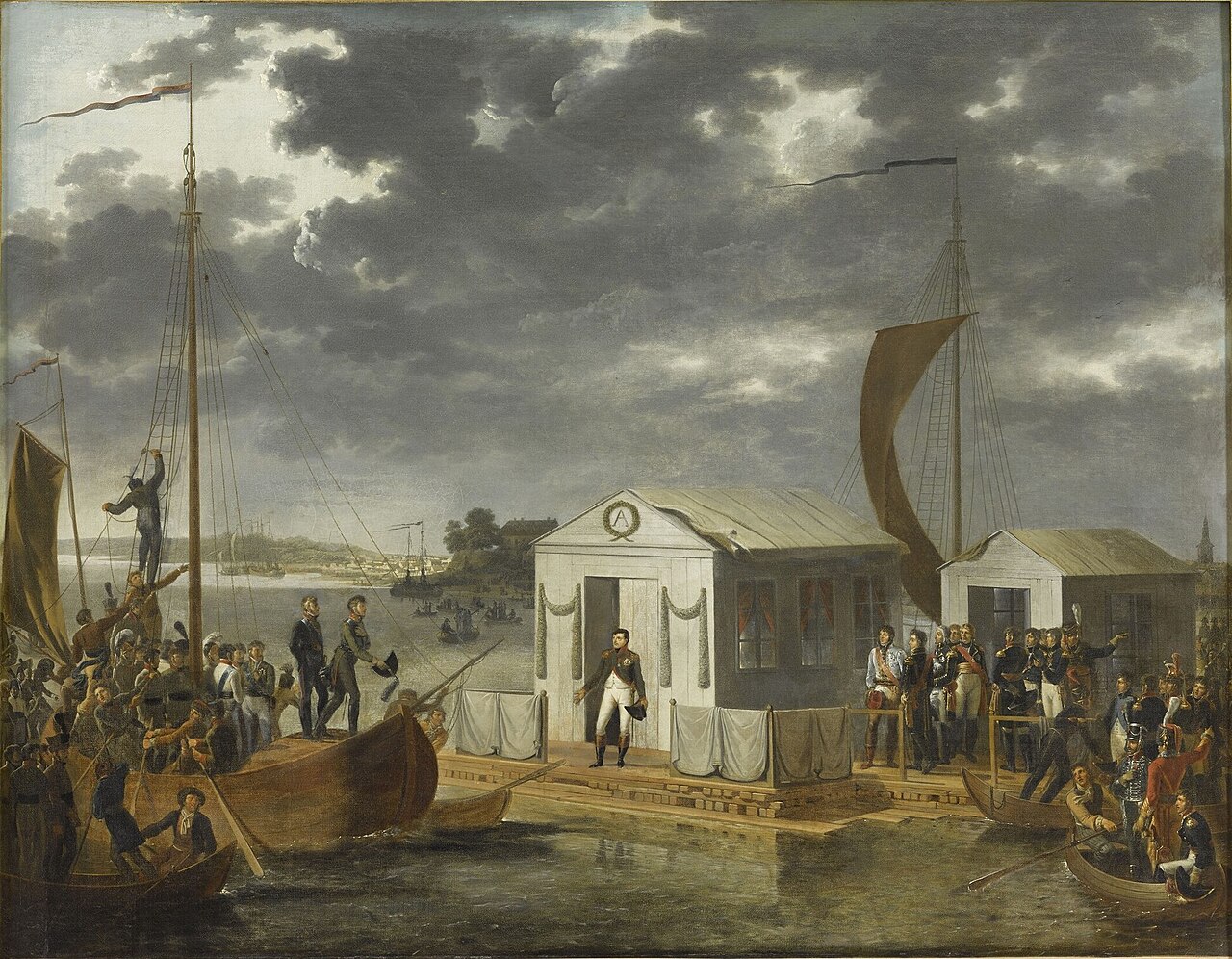
Treaties of Tilsit
7-9 July 1807
 Document
Primary source
Holy Alliance
Alexander I of Russia · 26 September 1815
 Document
Primary source
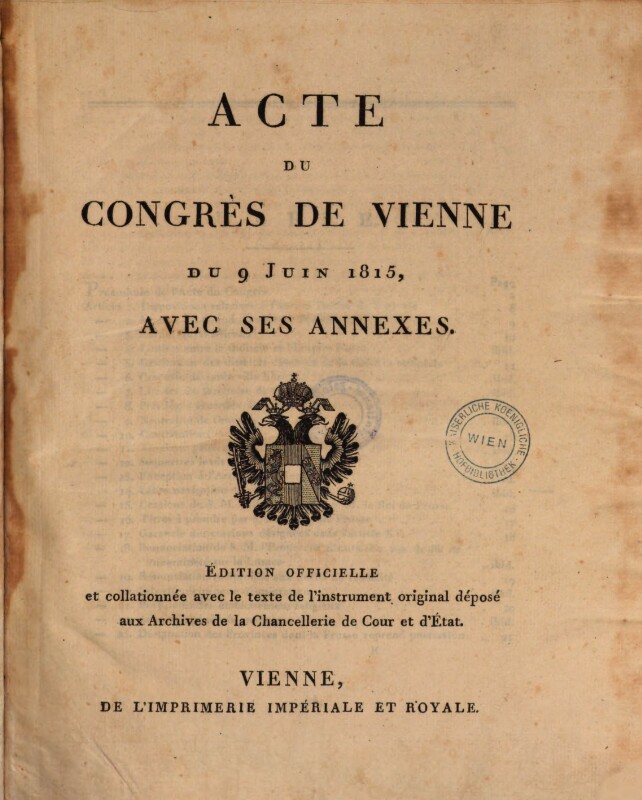
Final Act of the Congress of Vienna
9 June 1815
 Letter
Primary source
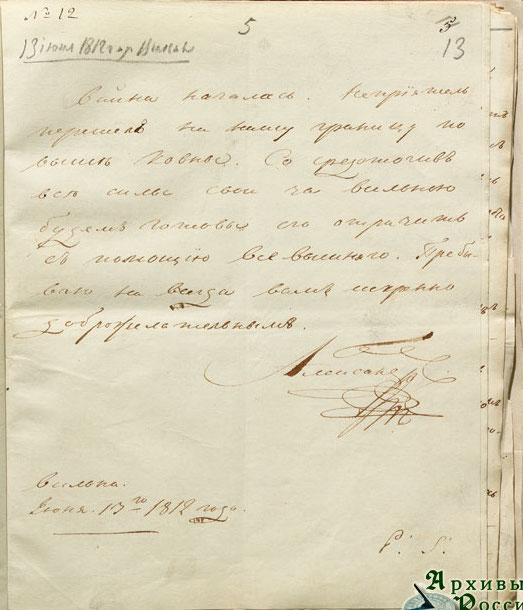
Alexander I's letter to N.I. Saltykov
Alexander I of Russia · 13 June 1812
Free account
Read every Tsar Alexander I source
Sign up free →
Ready when you are
Start chatting with Tsar Alexander I now.
20 messages free · No credit card · Available in 50+ languages.