


Secondary sourcePainting1935
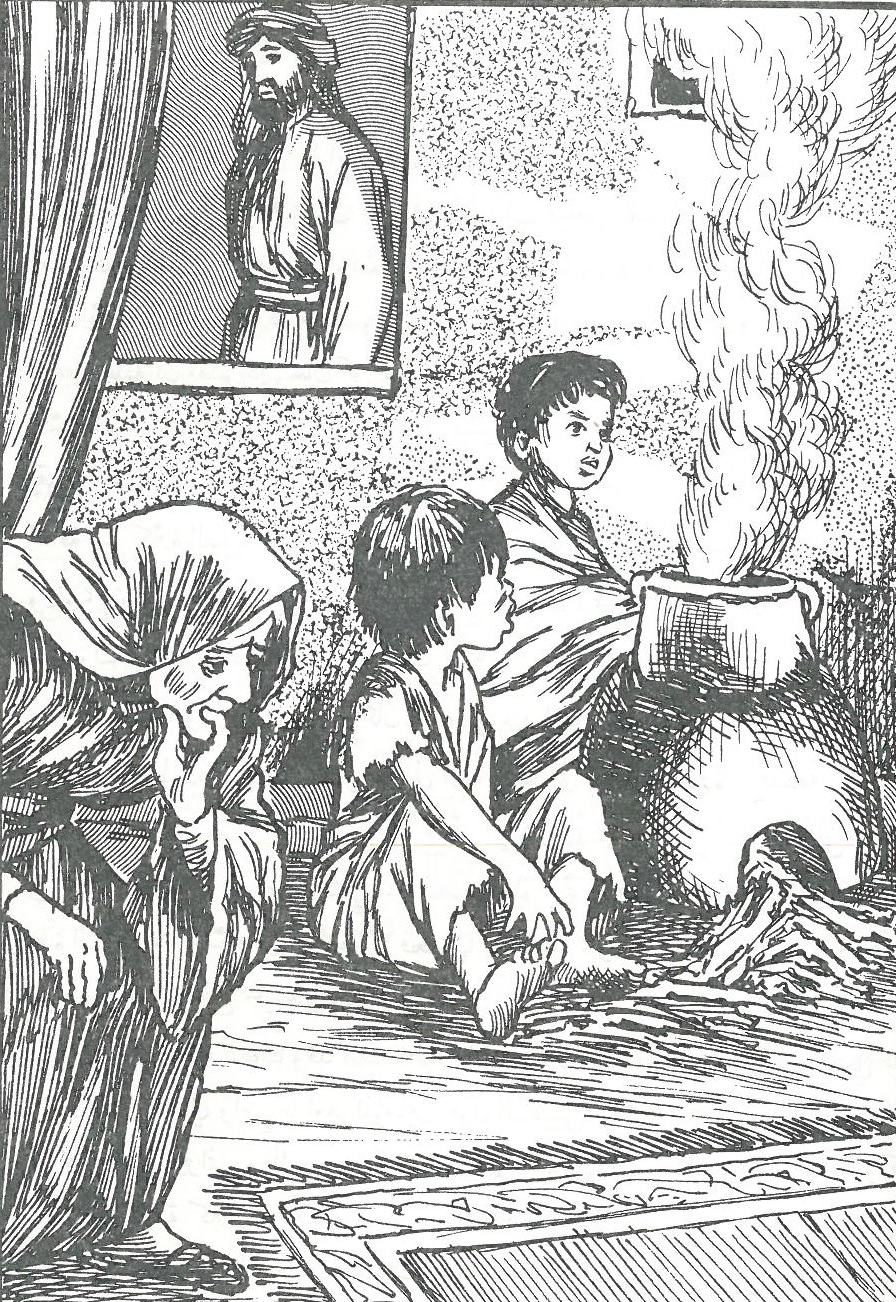
Umar and the Old Woman
1935
A 1935 illustration showing Caliph Umar passing by an old woman and her hungry children, a story about his sense of justice.
This 1935 illustration depicts a story of Umar discovering a poor family in need, showing his concern for justice.
About this source
What it is
This black-and-white drawing from 1935, from the book Tarikhuna bi-uslub qasasi, shows an elderly veiled woman bending toward two children sitting by a fire, with a man watching from a window.
Why it matters
The illustration depicts a story told about Umar discovering a poor woman and her hungry children, used to show his concern for the needs of his people during his caliphate. Produced in the 20th century, it shows how such moral anecdotes about Umar continued to be retold and illustrated for later readers.
Look closer
- What details in the drawing suggest the family's hunger and poverty?
- Why might this story have been remembered and retold for centuries?
- What does the man watching from the window suggest about his role in the story?
This painting is part of the curated material that grounds the AI version of Caliph Umar ibn al-Khattab on Humy.ai — when students ask about related events, the AI can quote it and cite it.
More Caliph Umar ibn al-Khattab sources
Browse all 54 →Secondary source
Umar's Assurance
637-638
 Book
Secondary source
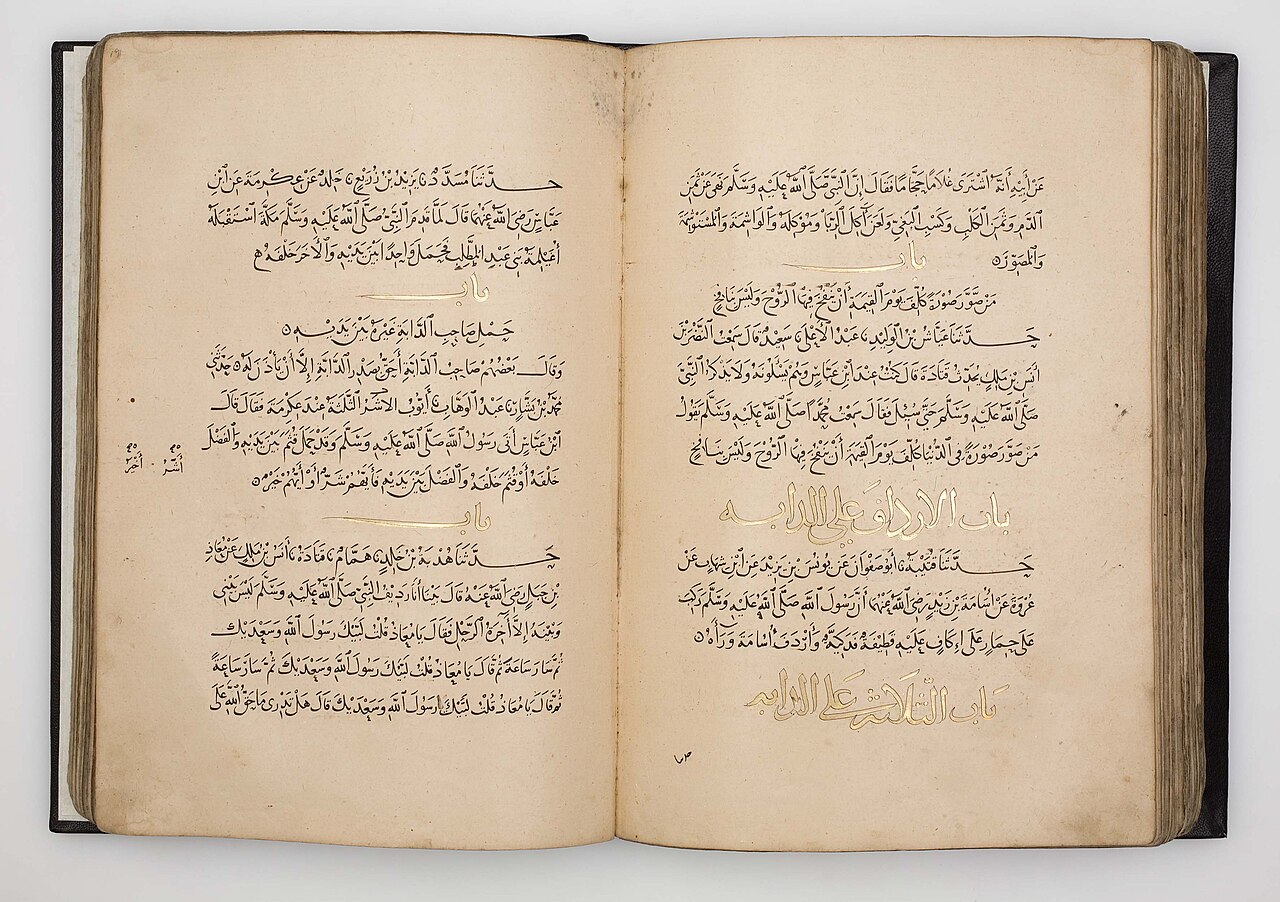
Sahih al-Bukhari
Muhammad ibn Isma'il al-Bukhari · c. 846 CE
 Book
Primary source
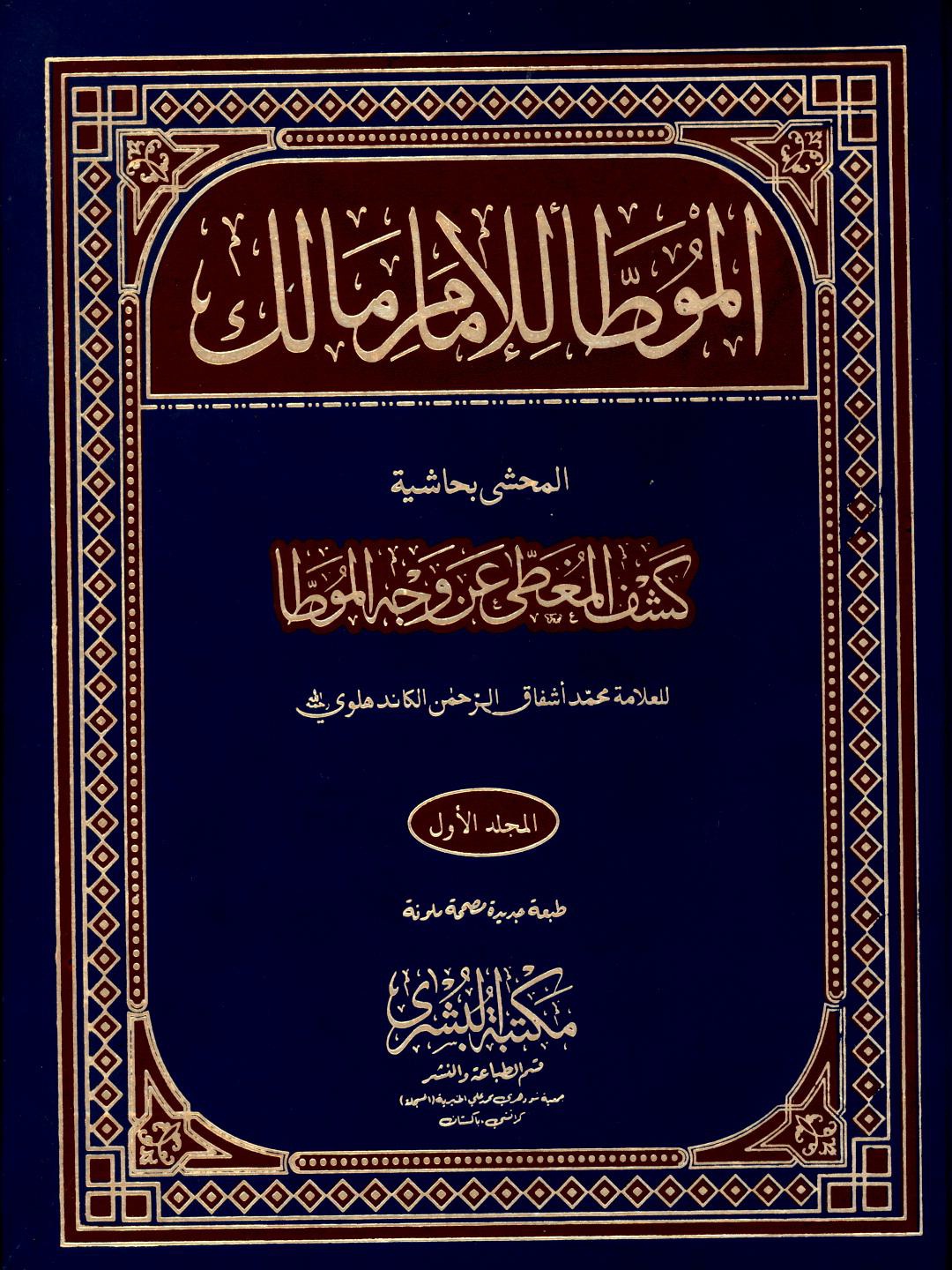
al-Muwatta
Malik ibn Anas · 8th century
 Book
Secondary source
Futuh al-Buldan
Al-Baladhuri · 9th century
Free account
Read every Caliph Umar ibn al-Khattab source
Sign up free →
Ready when you are
Start chatting with Caliph Umar ibn al-Khattab now.
20 messages free · No credit card · Available in 50+ languages.