


Primary sourcePhotographc. 1848–1853
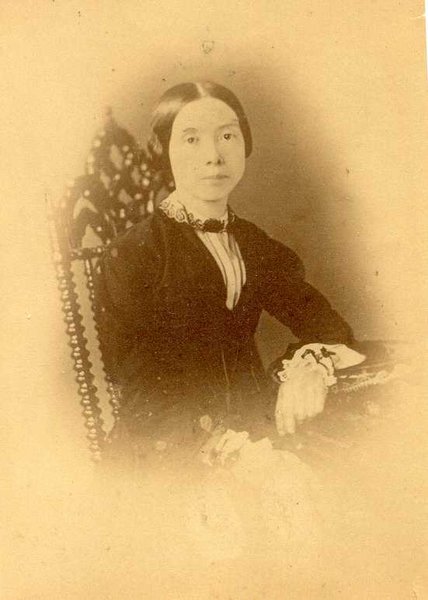
Unauthenticated Portrait Said to Show Emily Dickinson
Unknown · c. 1848–1853
A disputed cabinet card photograph, copied from an older daguerreotype, that some have claimed shows a young Emily Dickinson, though scholars disagree.
This photograph is sometimes claimed, without firm proof, to depict Emily Dickinson as a young woman.
About this source
What it is
This cabinet card is a later copy of a daguerreotype taken around 1848 to 1853, showing a seated woman in a dark dress. Some have suggested the sitter is a young Emily Dickinson, but the photographer is unknown and the identification is not certain.
Why it matters
Only one confirmed photograph of Emily Dickinson is known to exist, so claims about other portraits attract attention and debate. According to Dickinson scholar George Gleason, experts have agreed that a mere belief that the sitter resembles the young Dickinson is not enough evidence to prove her identity. This image is a useful case study in how historians weigh evidence before accepting a claim.
Look closer
- What details in the photograph might make someone think this is Dickinson, and what details make it uncertain?
- Why do scholars require more than a resemblance to confirm a historical photograph's subject?
- What problems can arise when images are used in history without solid proof?
This photograph is part of the curated material that grounds the AI version of Emily Dickinson on Humy.ai — when students ask about related events, the AI can quote it and cite it.
More Emily Dickinson sources
Browse all 75 →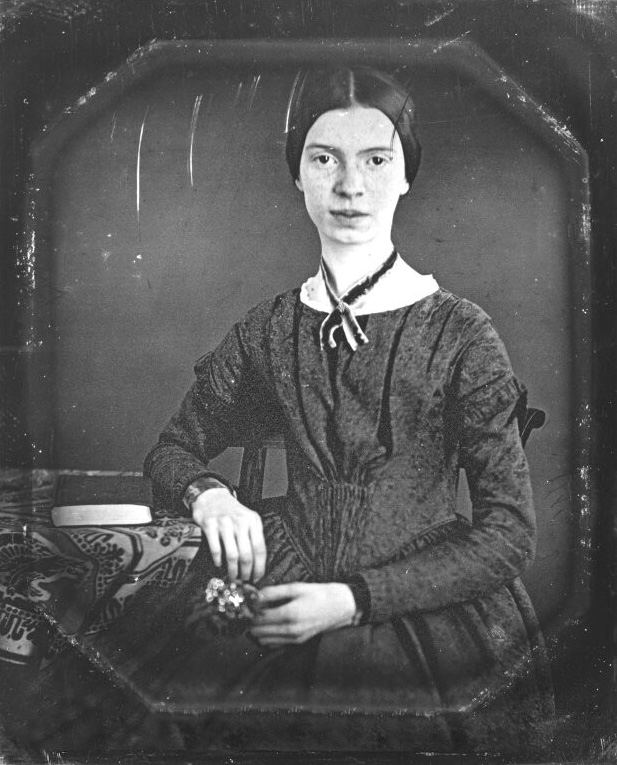 Photograph
Primary source
Emily Dickinson Daguerreotype
Unknown · c. 1848
Primary source
Because I Could Not Stop for Death
Emily Dickinson · 1890 (published; written earlier)
 Book
Primary source
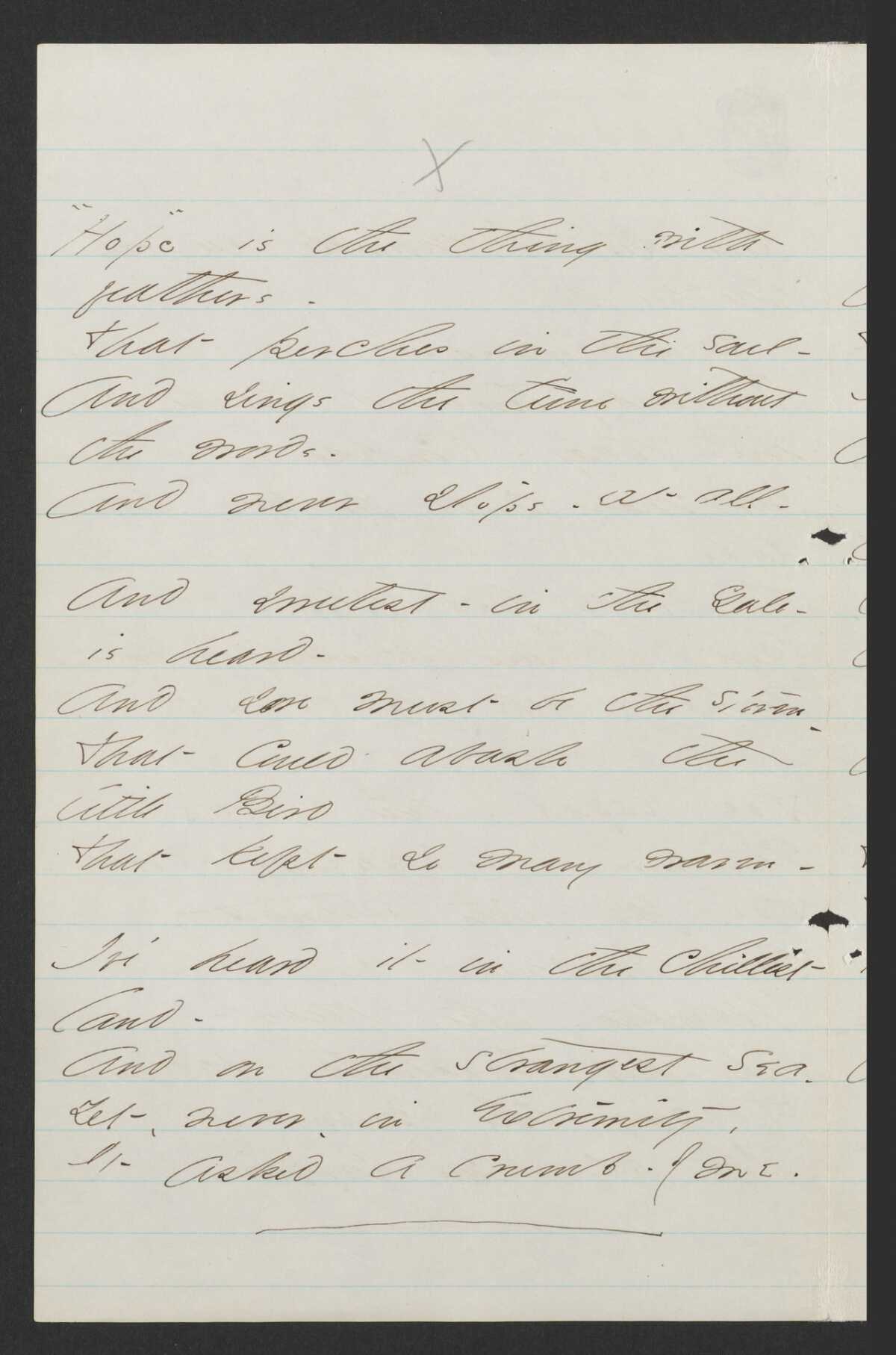
"Hope" Is the Thing with Feathers
Emily Dickinson · 1861
 Painting
Primary source
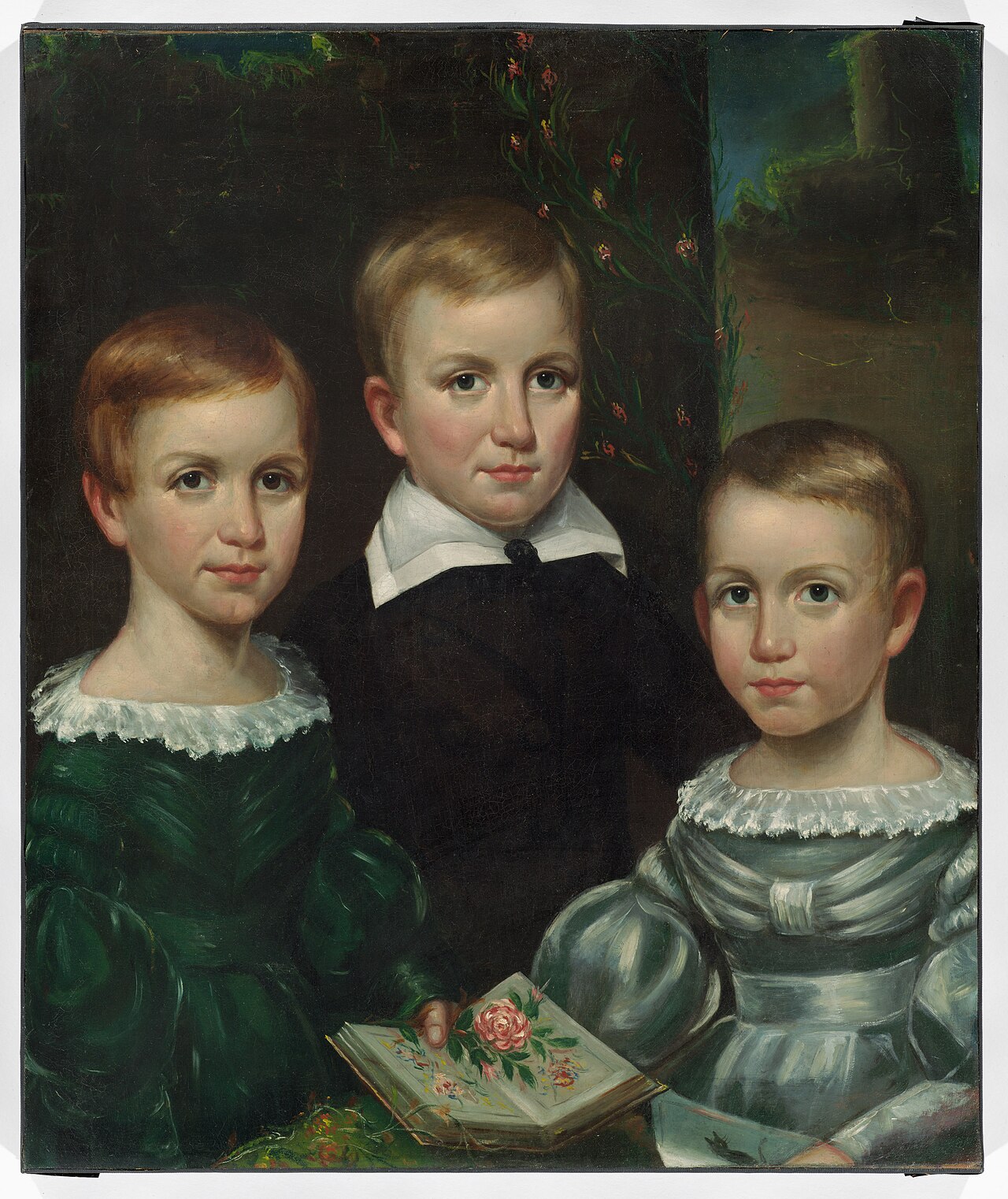
The Dickinson Children (Emily Elizabeth, Austin, and Lavinia Dickinson)
Otis Allen Bullard · 1840
Free account
Browse every Emily Dickinson source
Sign up free →
Ready when you are
Start chatting with Emily Dickinson now.
20 messages free · No credit card · Available in 50+ languages.