


Secondary sourceSculpture1977
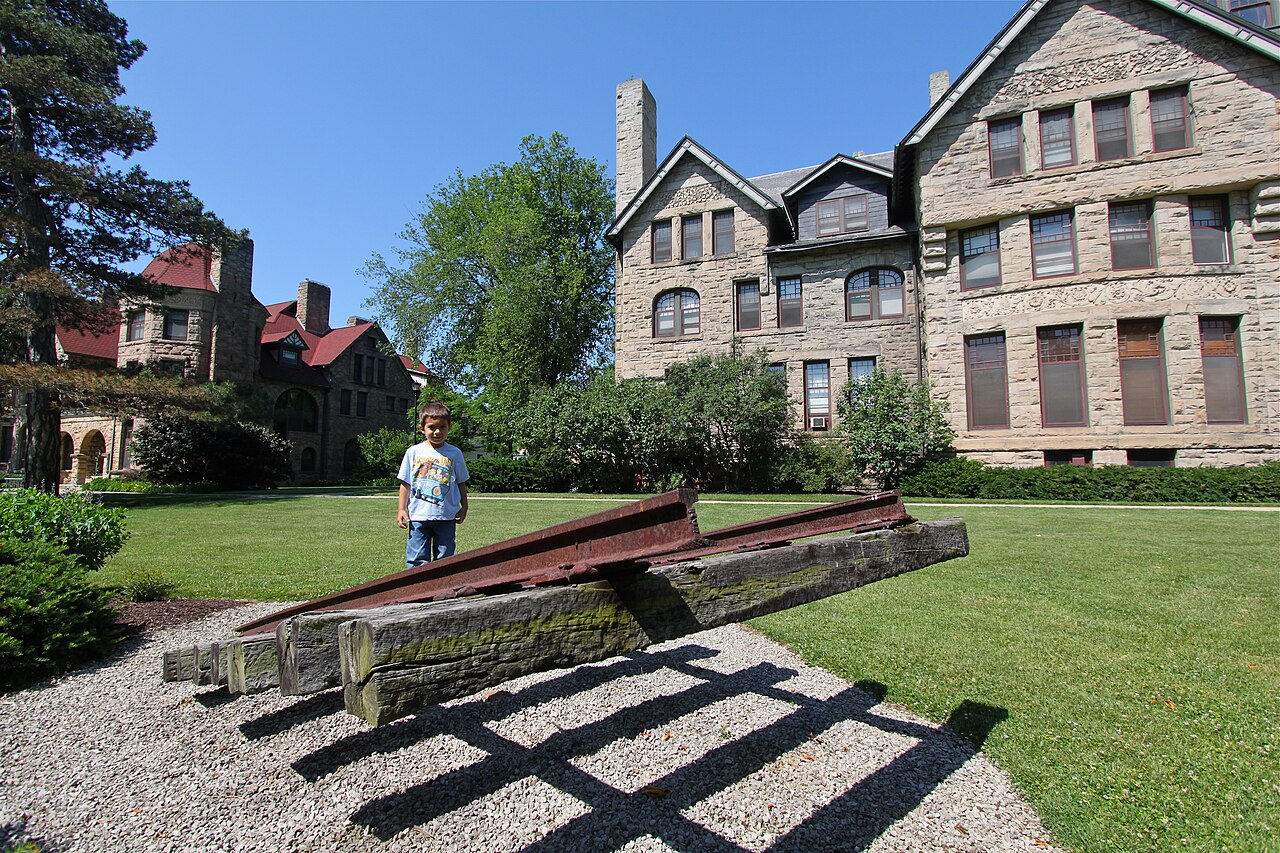
Underground Railroad Monument, Oberlin College
Cameron Armstrong · 1977
A 1977 sculpture at Oberlin College, where Finney taught, commemorating the college's role in the Underground Railroad.
Commemorates Oberlin College's abolitionist activity, the institution Finney taught at and later led as president.
About this source
What it is
This is a photograph of a sculpture by Cameron Armstrong, created in 1977, located on the campus of Oberlin College in Ohio. The sculpture shows rusted railway tracks angled into a stone base, symbolizing the Underground Railroad.
Why it matters
Oberlin College, where Charles Finney taught and later served as president, was known for its strong ties to abolitionism and the Underground Railroad. This monument, created a century after the events it commemorates, reflects how the college and its community remember that history and Finney's place within it.
Look closer
- Why might the artist have chosen railway tracks disappearing into the ground as a symbol?
- What does it mean that this monument was built a century after the Underground Railroad era?
- How does a modern monument differ from a document written at the time of the events it commemorates?
This sculpture is part of the curated material that grounds the AI version of Charles Grandison Finney on Humy.ai — when students ask about related events, the AI can quote it and cite it.
More Charles Grandison Finney sources
Browse all 54 → Book
Primary source
Lectures on Revivals of Religion
Charles Grandison Finney · 1835
 Book
Primary source
Sermons on Important Subjects
Charles Grandison Finney · 1836
 Book
Primary source
Memoirs of Rev. Charles G. Finney
Charles Grandison Finney · written c.1866-1868, published 1876
 Painting
Primary source
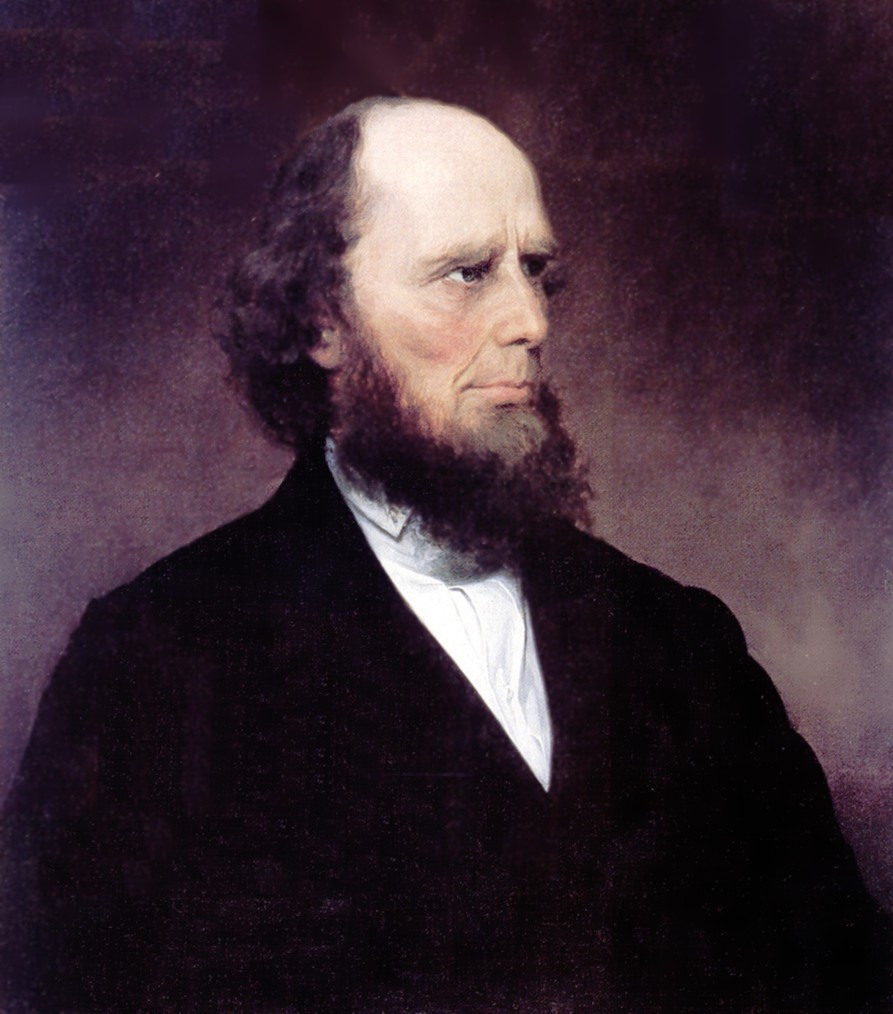
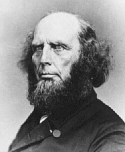
Portrait of Charles Grandison Finney
Free account
Browse every Charles Grandison Finney source
Sign up free →
Ready when you are
Start chatting with Charles Grandison Finney now.
20 messages free · No credit card · Available in 50+ languages.