


Primary sourceDocument1883
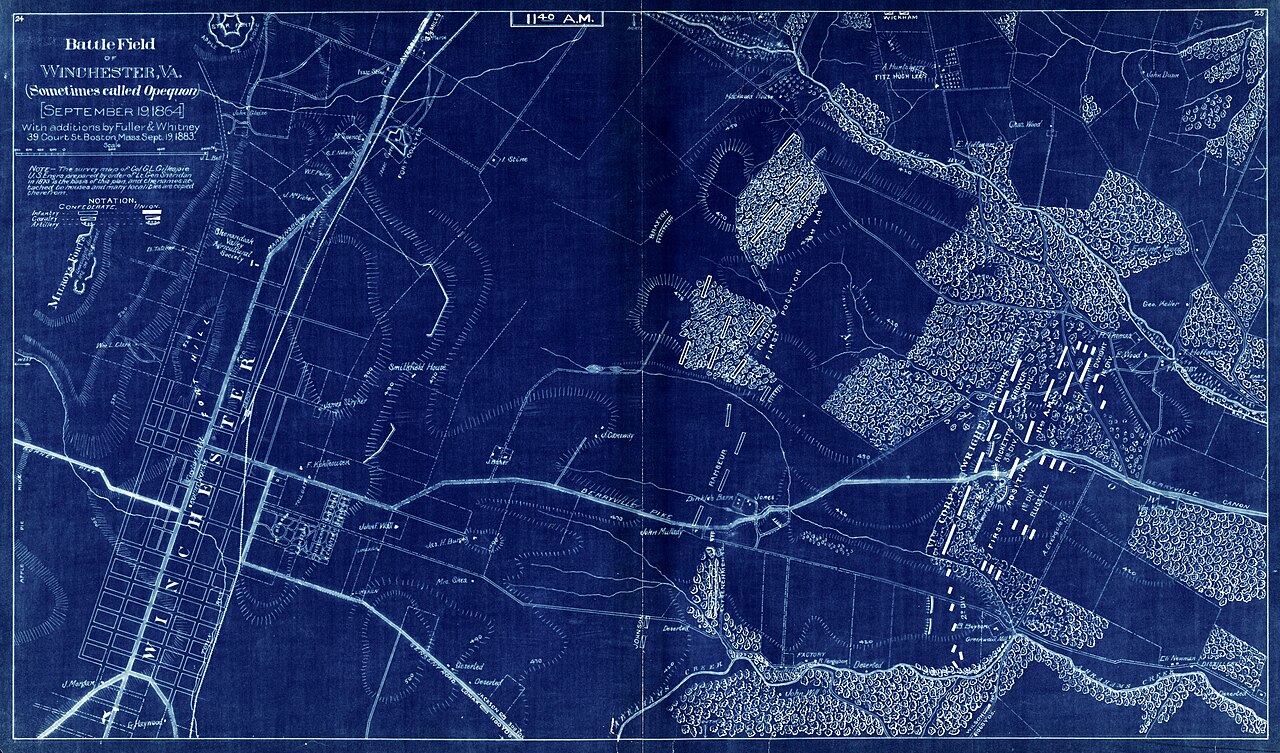
Union and Confederate campaigns in the lower Shenandoah Valley, shown at Sheridan's veterans' reunion, 1883
William H. Whitney · 1883
Campaign maps of the 1864 Shenandoah Valley fighting, made for the first reunion of Sheridan's veterans in 1883.
These maps cover the 1864 Valley campaign Sheridan led and were made for the first reunion of his veterans.
About this source
What it is
These are maps of the Shenandoah Valley campaign of 1864, drawn by William H. Whitney and dated 1883. They show the positions of Federal and Confederate armies, with terrain shown by hachures. The set includes maps of the battles of Winchester (Opequon), Fisher's Hill and Cedar Creek. The maps are copies of those published in 1880 in Colonel Allan's Campaigns of Stonewall Jackson, based on United States river surveys, and of Pond's Shenandoah Valley in 1864, published in 1883. They are part blueprints and part blue-line prints, and the Library of Congress holds them.
Why it matters
The maps were made for the first reunion of Sheridan's veterans, who had fought under him in the 1864 Valley campaign. Veterans' gatherings helped former soldiers keep their wartime story alive, and maps like these show how that story was drawn and shared. Sheridan led the Union army in this campaign, while Confederate generals on the other side are also marked on the maps.
Look closer
- Which army is shown on the map and how can you tell from the markings?
- Why would veterans want a map of a battle they had already fought?
- What might a map like this leave out about the soldiers and civilians who lived in the valley?
This document is part of the curated material that grounds the AI version of Philip Sheridan on Humy.ai — when students ask about related events, the AI can quote it and cite it.
More Philip Sheridan sources
Meet the AI Philip Sheridan →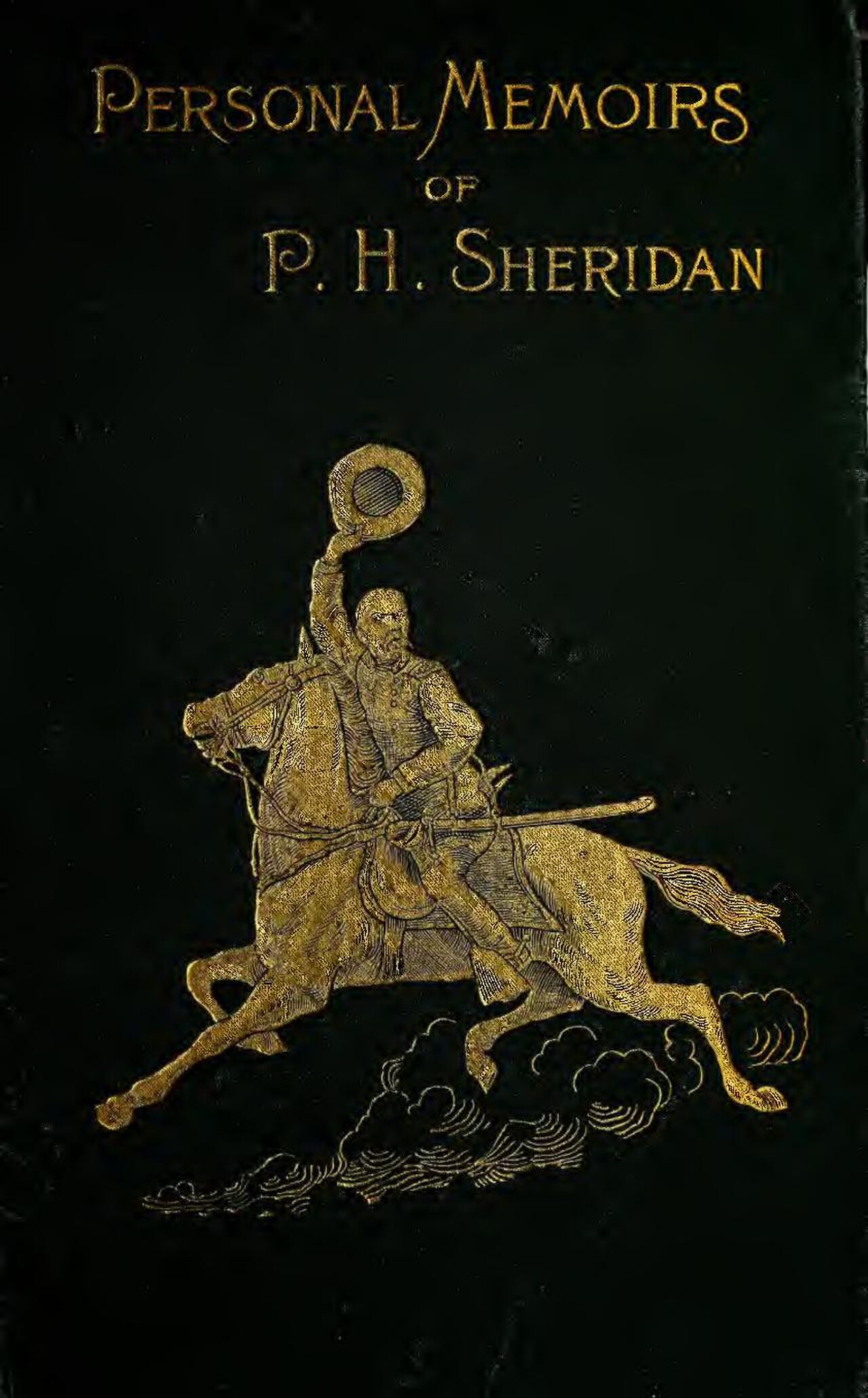 Book
Primary source
Personal Memoirs of P. H. Sheridan
Philip H. Sheridan · 1888
 Document
Primary source
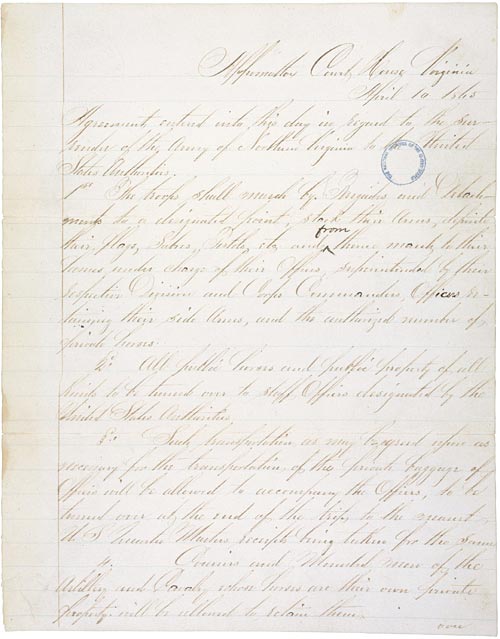
Articles of Agreement Relating to the Surrender of the Army of Northern Virginia
Ulysses S. Grant · 10 April 1865
 Photograph
Primary source
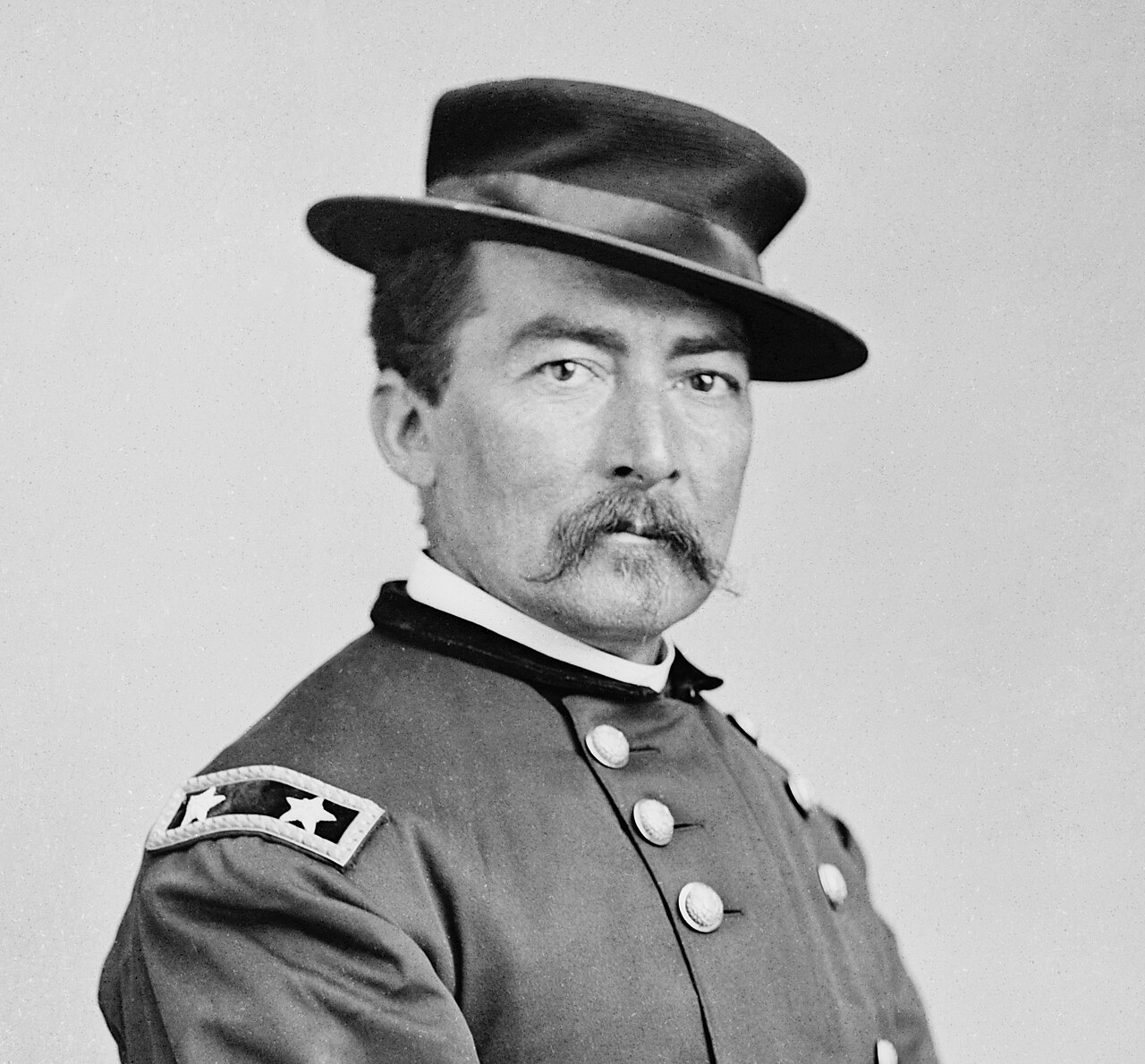
Portrait of Gen. Philip Sheridan
Mathew Benjamin Brady / Levin Corbin Handy
Secondary source
Sheridan's Ride
Thomas Buchanan Read · 1864
 Photograph
Primary source
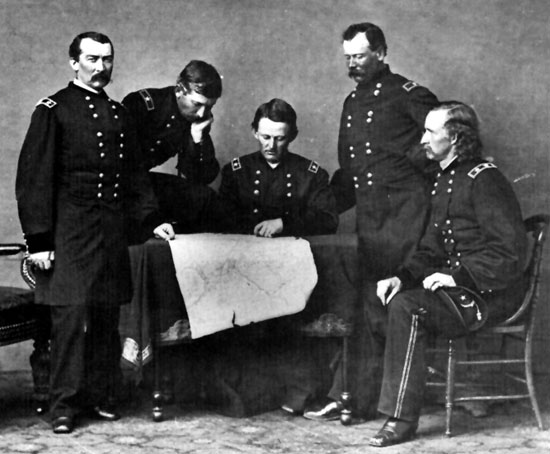
Staff of General Sheridan
Ready when you are
Start chatting with Philip Sheridan now.
20 messages free · No credit card · Available in 50+ languages.