


Primary sourceDocumentSeptember 26, 1778
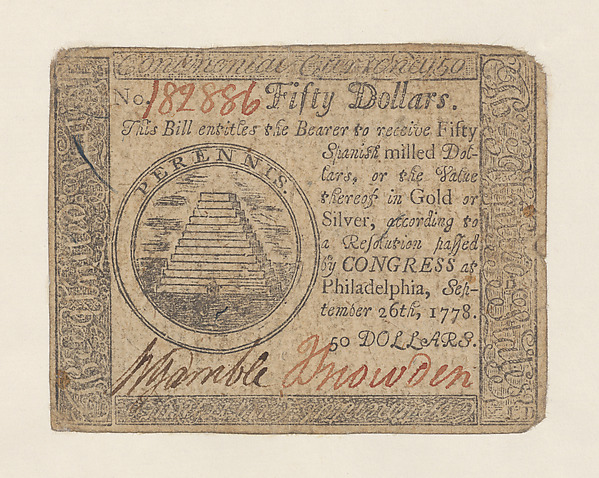
United States Continental Currency, Fifty Dollars
Hall and Sellers · September 26, 1778
A fifty-dollar Continental banknote printed in Philadelphia in 1778, part of the paper money issued by the Congress Muhlenberg served in.
This currency comes from the Continental Congress in which Muhlenberg served, providing financial context for his era.
About this source
What it is
This is a printed fifty-dollar note from the United States Continental Currency, made by Hall and Sellers of Philadelphia on September 26, 1778. The design includes a pyramid with the word 'PERENNIS' in a circle, along with handwritten signatures in red and black ink. It is held by The Metropolitan Museum of Art.
Why it matters
Continental Currency funded the Revolutionary War but suffered severe inflation as the Congress printed more notes than it could back with value. Peter Muhlenberg served in that Congress, so this bill offers financial context for the government he was part of, even though it is not directly about him.
Look closer
- What might the pyramid and the word 'PERENNIS' have symbolized to people in 1778?
- Why do you think the note needed handwritten signatures as well as printed text?
- What problems might arise when a government issues too much paper money?
This document is part of the curated material that grounds the AI version of Peter Muhlenberg on Humy.ai — when students ask about related events, the AI can quote it and cite it.
More Peter Muhlenberg sources
Browse all 59 →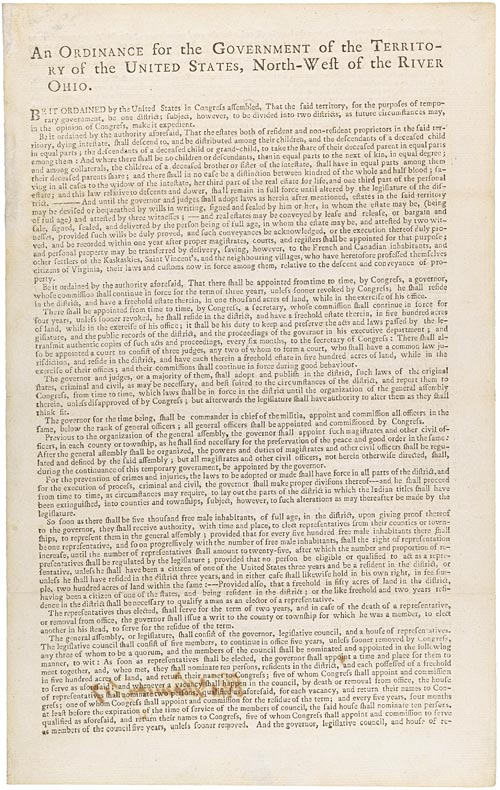 Document
Primary source
Northwest Ordinance
Confederation Congress · 13 July 1787
 Letter
Primary source
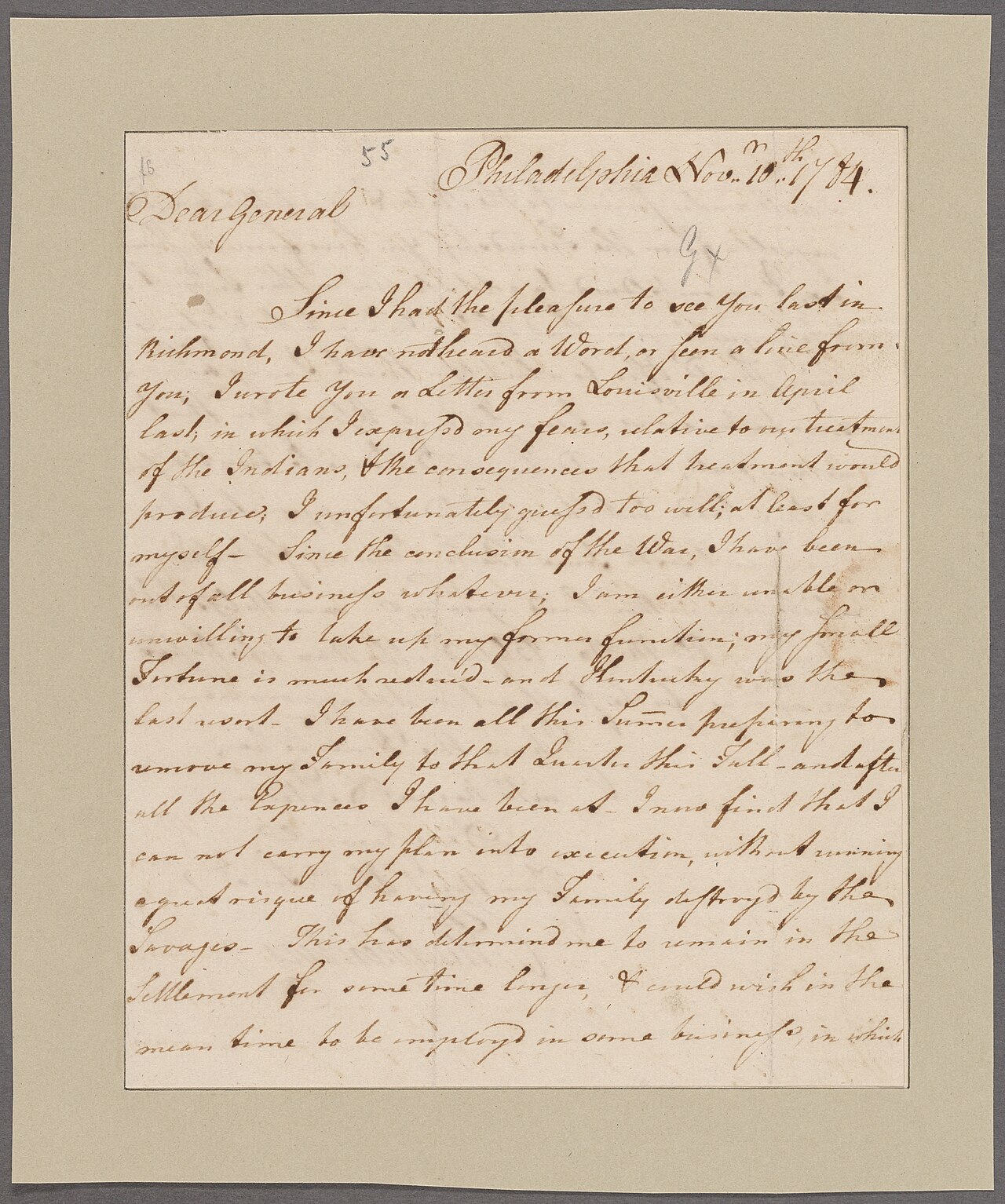
Letter to General Thomas Nelson
Peter Muhlenberg · 10 November 1794
 Painting
Secondary source
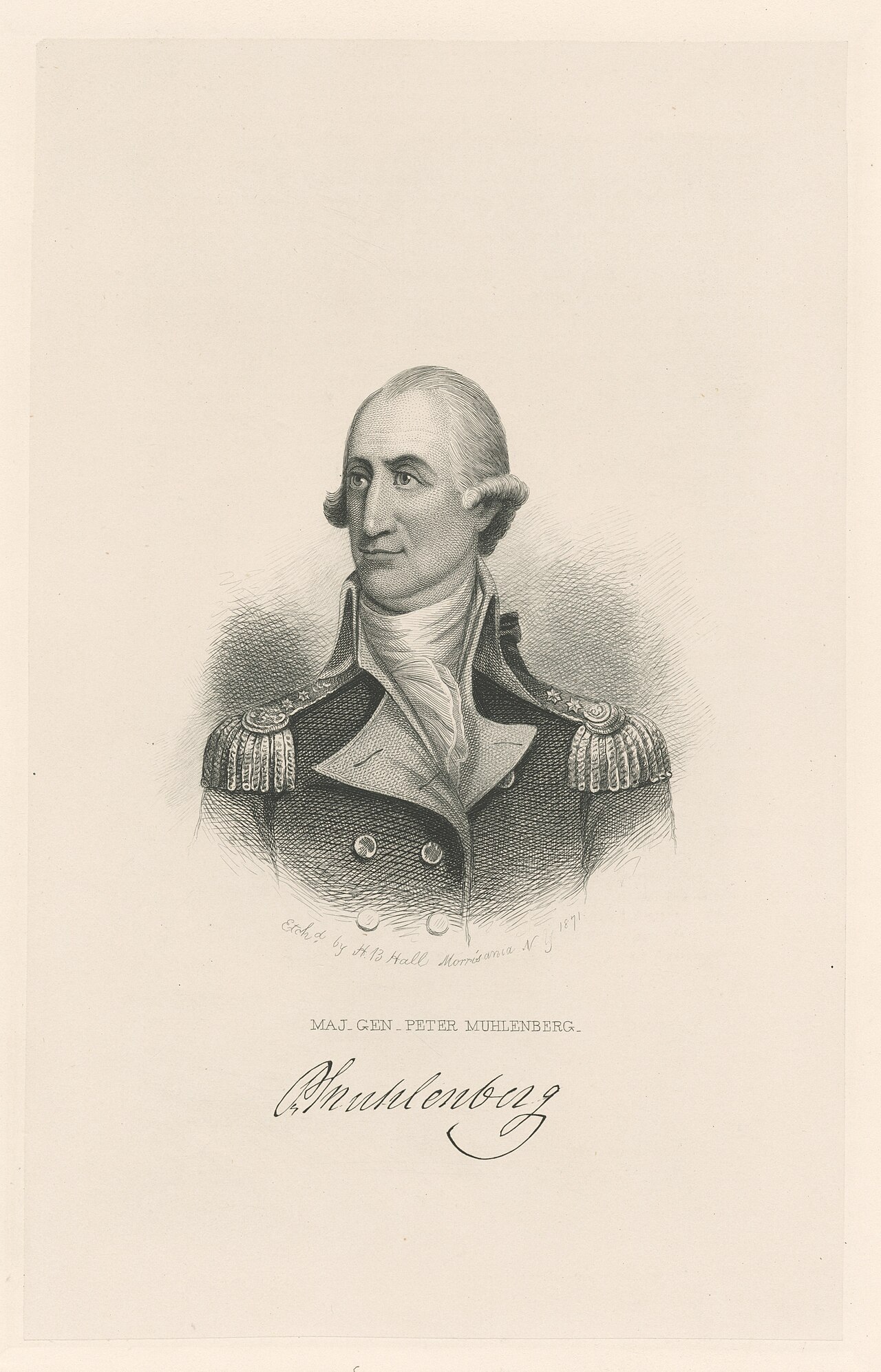
Maj. Gen. Peter Muhlenberg engraved portrait, Lossing extra-illustrated copy
H.B. Hall · 1871
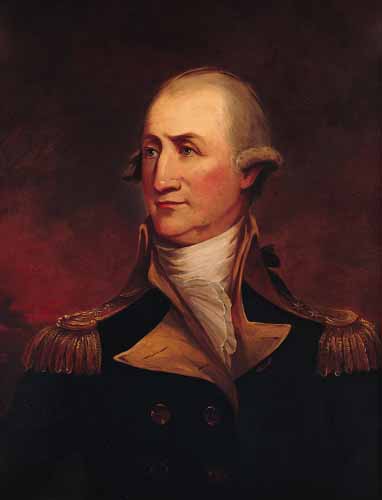 Painting
Secondary source
Portrait of Peter Muhlenberg
Free account
Browse every Peter Muhlenberg source
Sign up free →
Ready when you are
Start chatting with Peter Muhlenberg now.
20 messages free · No credit card · Available in 50+ languages.