


Primary sourceDocument1984
United States v. Karo Concurrence
Sandra Day O'Connor · 1984
O'Connor's 1984 concurring opinion on the use of electronic tracking devices and Fourth Amendment privacy rights.
This concurrence, written by O'Connor, illustrates her careful limits on Fourth Amendment protections involving new surveillance technology.
About this source
What it is
This document is the concurring opinion of Justice Sandra Day O'Connor, joined by Justice Rehnquist, in the 1984 case United States v. Karo. It addresses when police use of a hidden tracking device requires a warrant.
Why it matters
The case explored how far Fourth Amendment privacy protections extend to new technology used for surveillance. O'Connor's opinion narrows the majority's reasoning, showing her tendency to seek precise, limited rules rather than broad statements of law—a hallmark of her judicial style.
Look closer
- Why does O'Connor think privacy interests in this case are 'unusually narrow'?
- How does the opinion distinguish between public and private spaces for tracking devices?
- What technology issues from 1984 might look different today?
This document is part of the curated material that grounds the AI version of Sandra Day O'Connor on Humy.ai — when students ask about related events, the AI can quote it and cite it.
More Sandra Day O'Connor sources
Meet the AI Sandra Day O'Connor → Document
Primary source
Shaw v. Reno
Supreme Court of the United States · 1993
Primary source
Planned Parenthood v. Casey
Supreme Court of the United States · 1992
 Document
Primary source
Grutter v. Bollinger
Supreme Court of the United States · 2003
Primary source
Bush v. Gore
Supreme Court of the United States · 12 December 2000
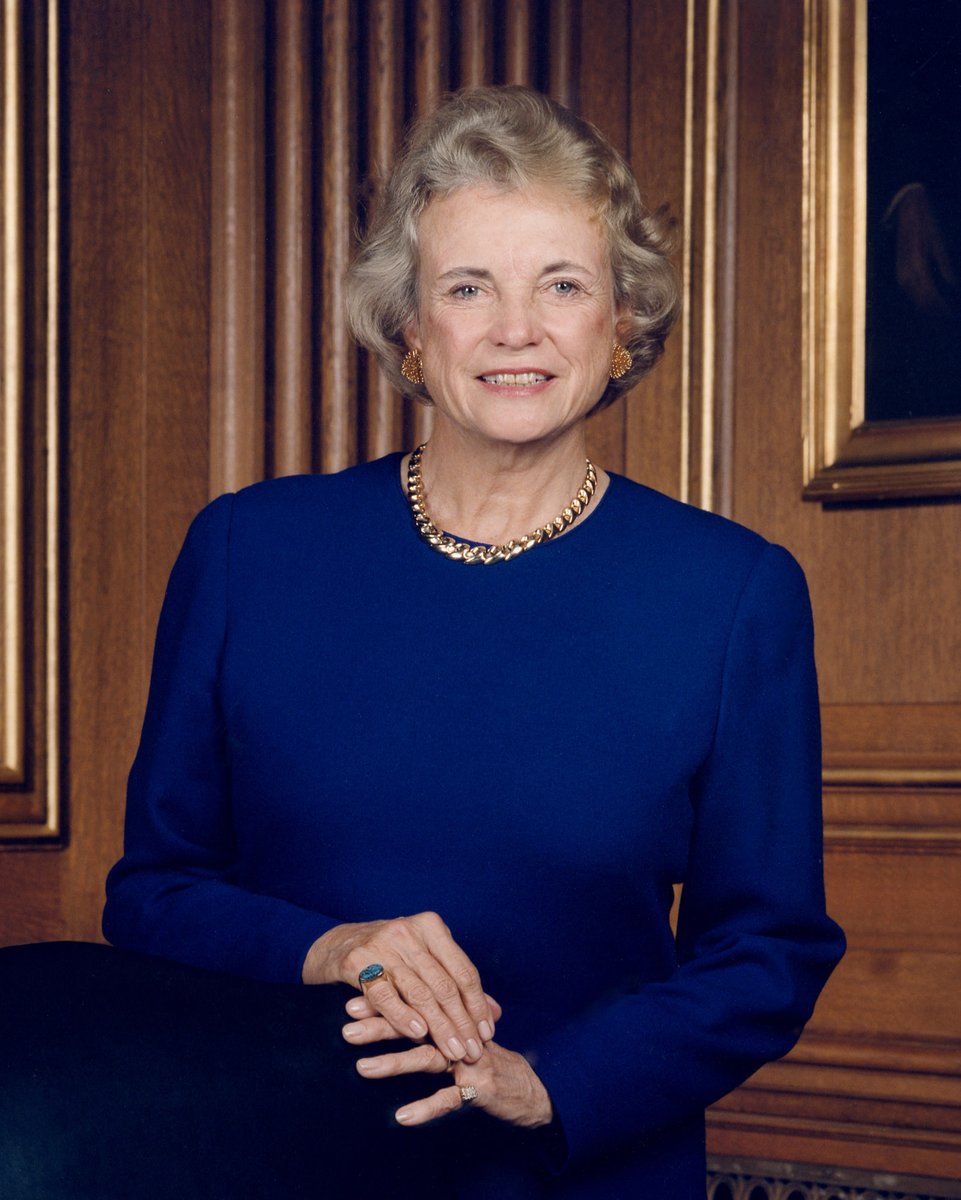 Photograph
Primary source
Sandra Day O'Connor Official Portrait
Library of Congress
Ready when you are
Start chatting with Sandra Day O'Connor now.
20 messages free · No credit card · Available in 50+ languages.