


Primary sourceDocument1968
United States v. O'Brien
Earl Warren · 1968
Warren's 1968 opinion upholding the conviction of a Vietnam War protester for burning his draft card.
Warren authored this opinion limiting First Amendment protection for burning draft cards during the Vietnam War.
About this source
What it is
This is the Supreme Court's 1968 opinion in United States v. O'Brien, delivered by Chief Justice Earl Warren, upholding a law against destroying draft cards after David O'Brien burned his as a protest against the Vietnam War.
Why it matters
Though the Court recognized O'Brien's act as expressive protest, Warren's opinion held that the government's interest in the smooth operation of the draft system justified the restriction. The case created a lasting legal test for when government can regulate conduct that also carries a message, shaping free speech law during the Vietnam era.
Look closer
- Why did the Court distinguish between punishing O'Brien's protest and punishing destruction of a government document?
- What does this case reveal about the limits Warren placed on symbolic speech despite his Court's reputation for expanding rights?
- What does the opinion not address about the broader anti-war movement of the time?
This document is part of the curated material that grounds the AI version of Earl Warren on Humy.ai — when students ask about related events, the AI can quote it and cite it.
More Earl Warren sources
Meet the AI Earl Warren →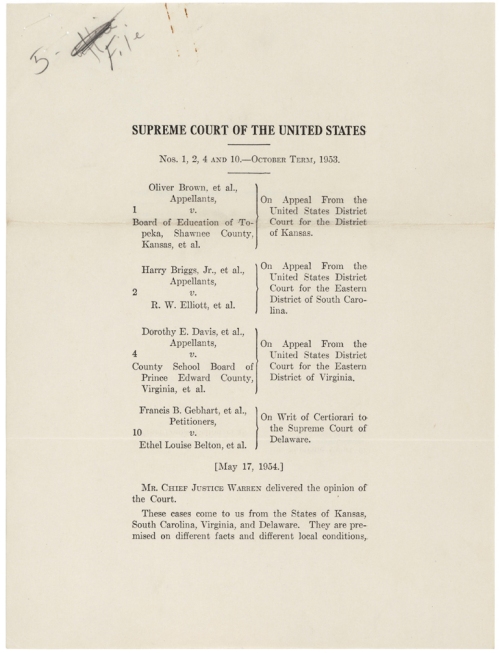 Document
Primary source
Brown v. Board of Education
Earl Warren · 17 May 1954
 Document
Primary source
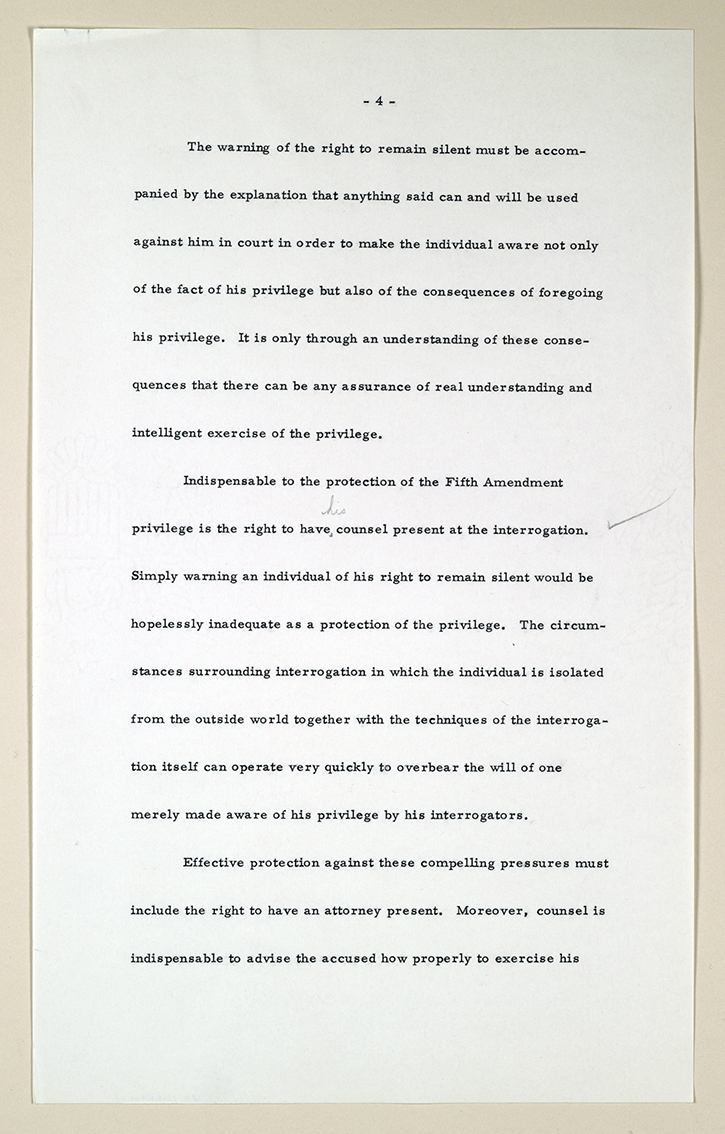
Miranda v. Arizona
Earl Warren · 13 June 1966
Primary source
Reynolds v. Sims
Earl Warren · 1964
Primary source
Loving v. Virginia
Earl Warren · June 1967
 Document
Secondary source
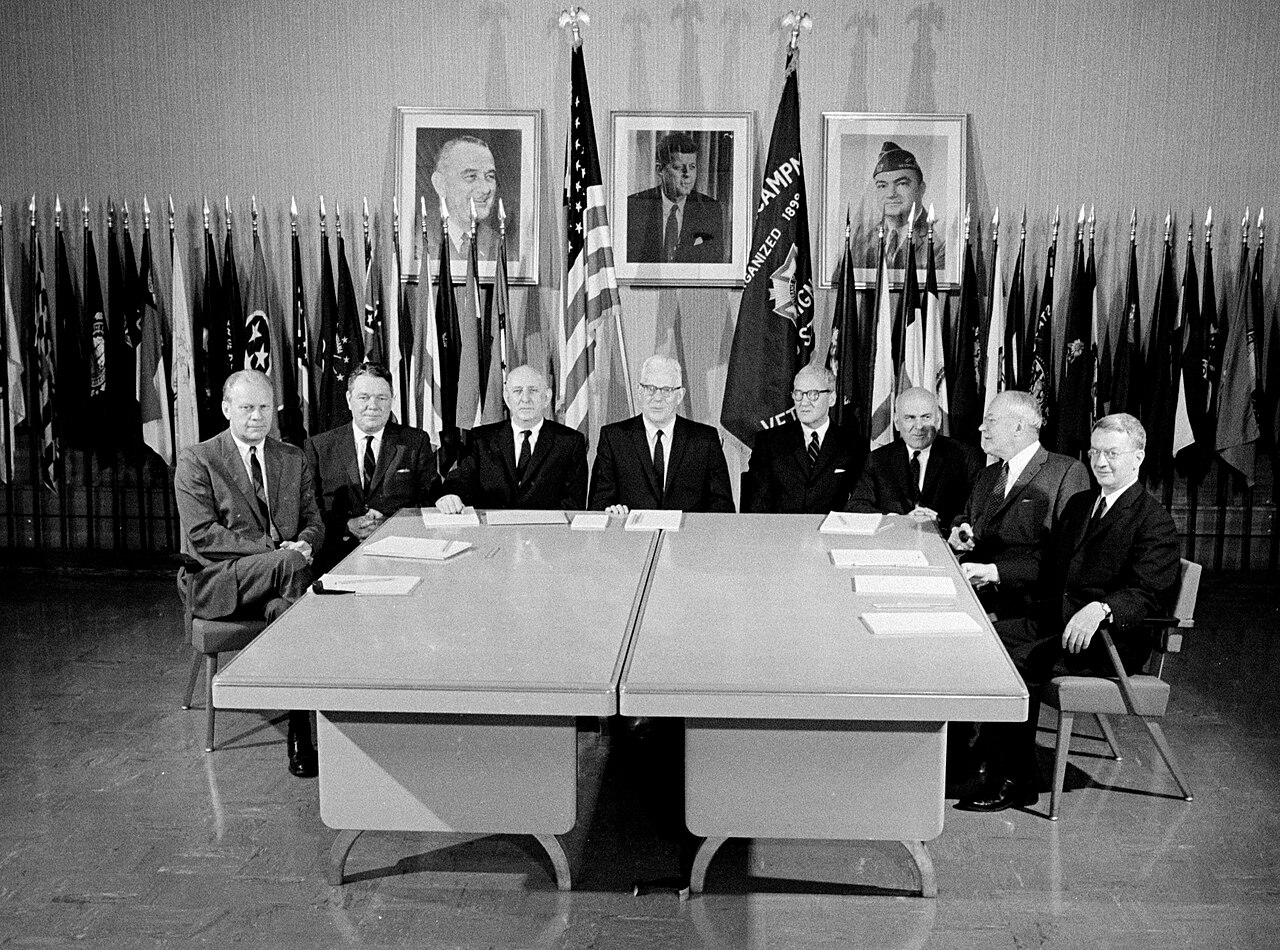
Warren Commission Report
Warren Commission · 24 September 1964
Ready when you are
Start chatting with Earl Warren now.
20 messages free · No credit card · Available in 50+ languages.