


Primary sourcePhotograph1895
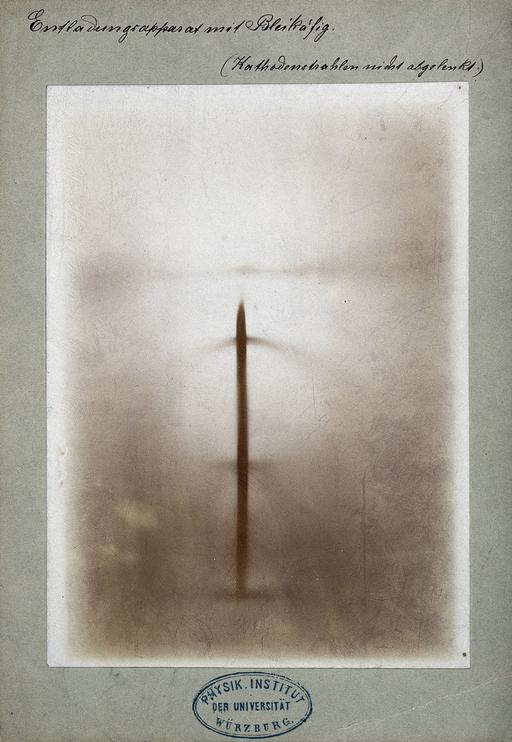
Unloading Apparatus with Leaden Cage Radiograph
Wilhelm Konrad von Röntgen · 1895
An 1895 X-ray image by Röntgen of apparatus in a lead cage, used to show X-rays were not deflected by magnets.
Röntgen produced this radiograph as evidence distinguishing X-rays from cathode rays in his experiments.
About this source
What it is
This is a radiograph made by Wilhelm Konrad von Röntgen in 1895, showing a discharge apparatus enclosed in a lead cage. The handwritten German caption notes that cathode rays were not deflected, and the print bears a stamp from the Physics Institute of the University of Würzburg. It is now held by the Wellcome Collection.
Why it matters
This image was part of Röntgen's experiments distinguishing X-rays from cathode rays, showing that the new rays behaved differently from rays already known to scientists. Such images were crucial evidence in convincing the scientific community that Röntgen had found something genuinely new.
Look closer
- What details in the image are faint or hard to make out, and why might that be?
- Why would it matter to prove that X-rays were not deflected by magnets?
- What does the handwritten caption add to the photograph itself?
This photograph is part of the curated material that grounds the AI version of Wilhelm Röntgen on Humy.ai — when students ask about related events, the AI can quote it and cite it.
More Wilhelm Röntgen sources
Browse all 96 →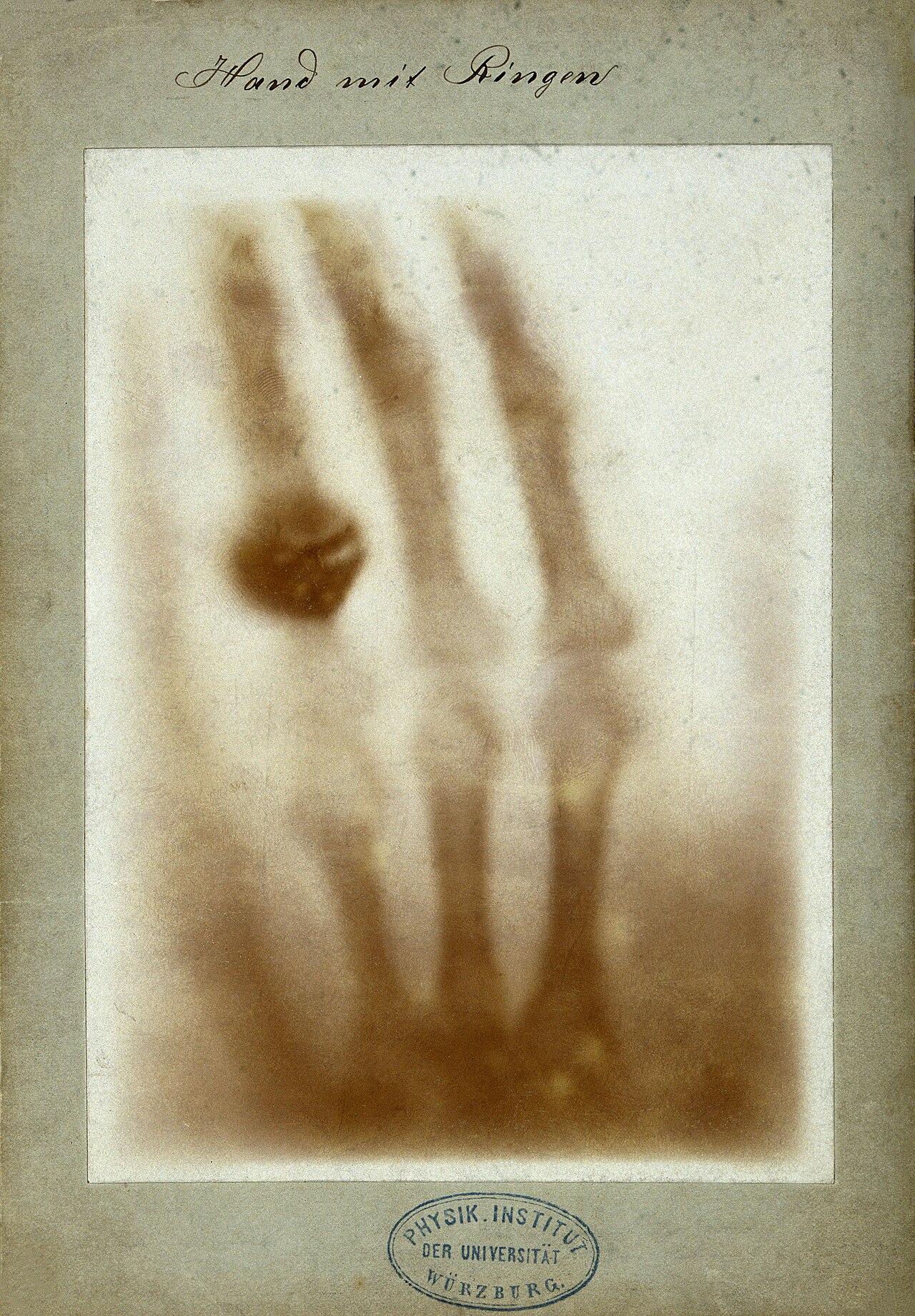 Photograph
Primary source
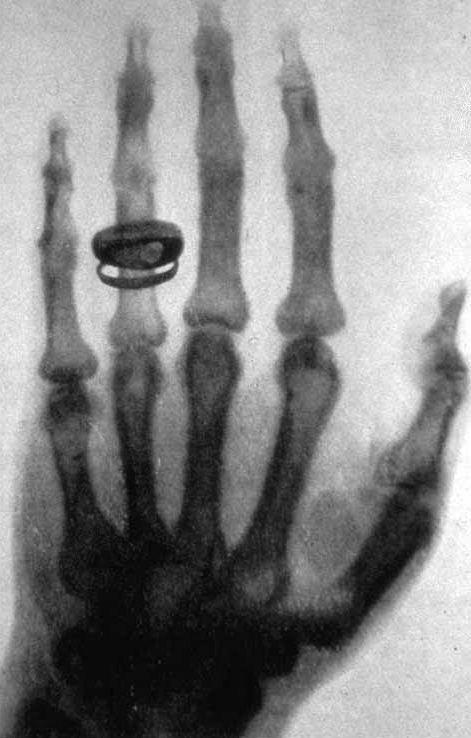
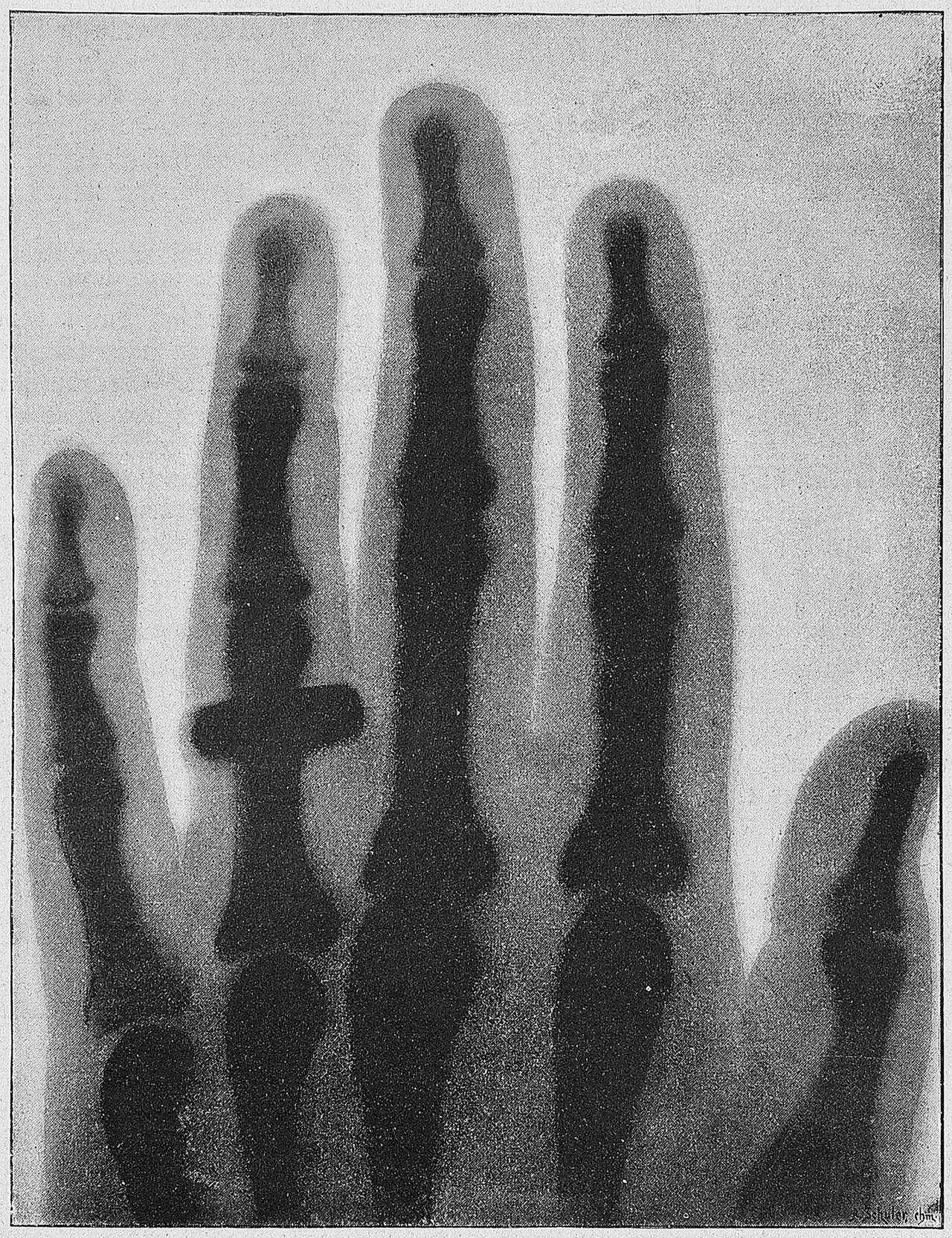
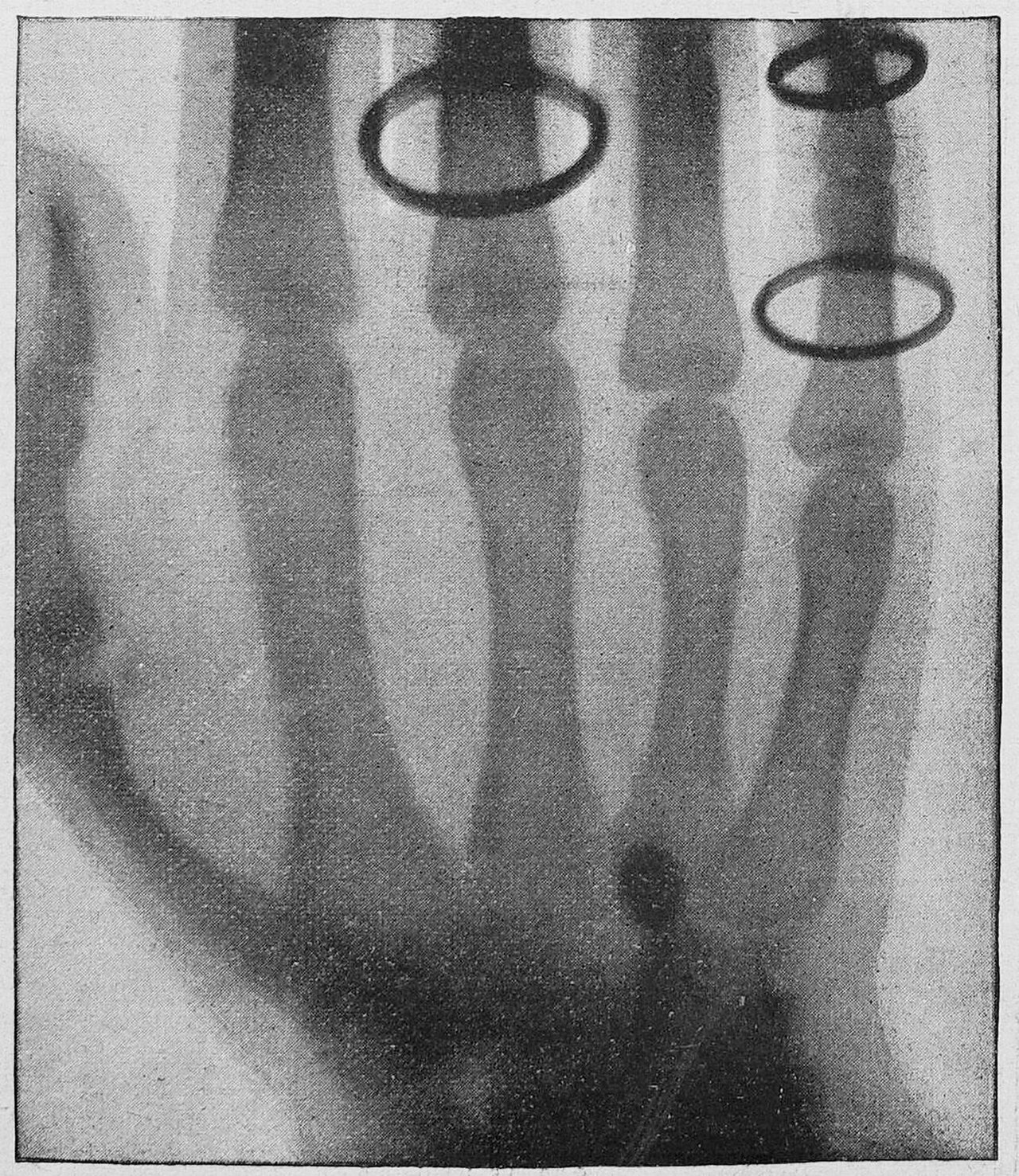
Hand with Rings
Wilhelm Röntgen · 22 December 1895
 Document
Primary source
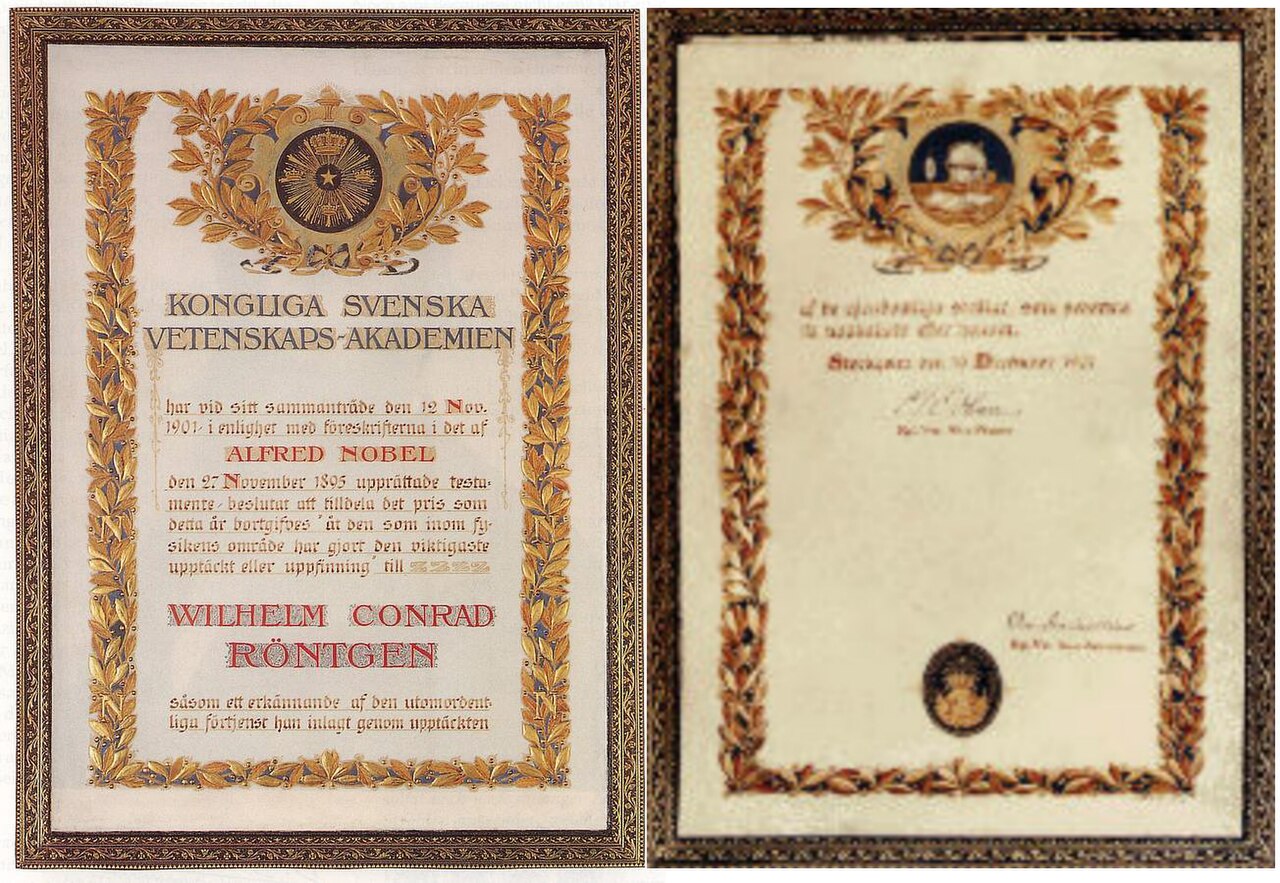
Nobel Prize Diploma of Wilhelm Conrad Röntgen
Sofia Gisberg · 12 November 1901
 Photograph
Primary source
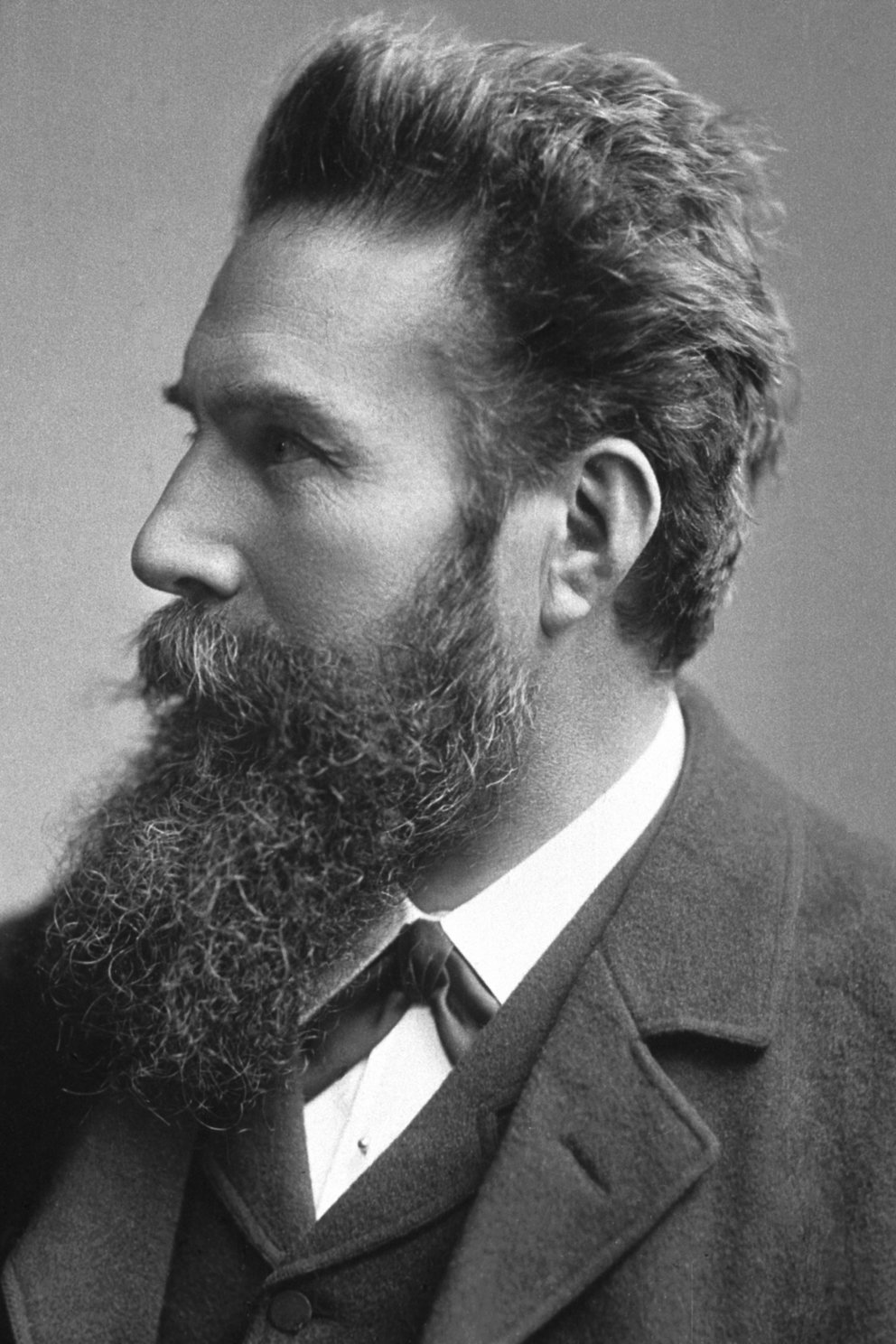
Wilhelm Röntgen
Nobel Foundation
 Artifact
Secondary source
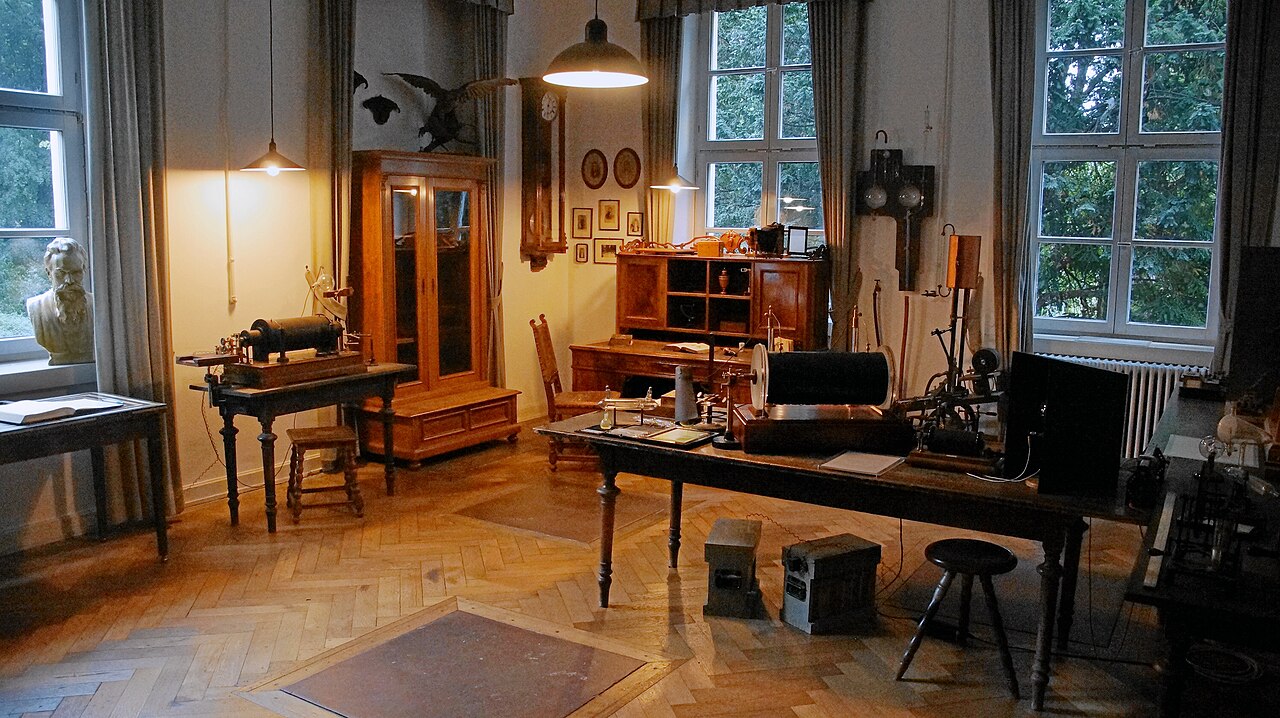
Röntgen Memorial Site, Würzburg
1981 (as heritage monument)
Free account
Read every Wilhelm Röntgen source
Sign up free →
Ready when you are
Start chatting with Wilhelm Röntgen now.
20 messages free · No credit card · Available in 50+ languages.